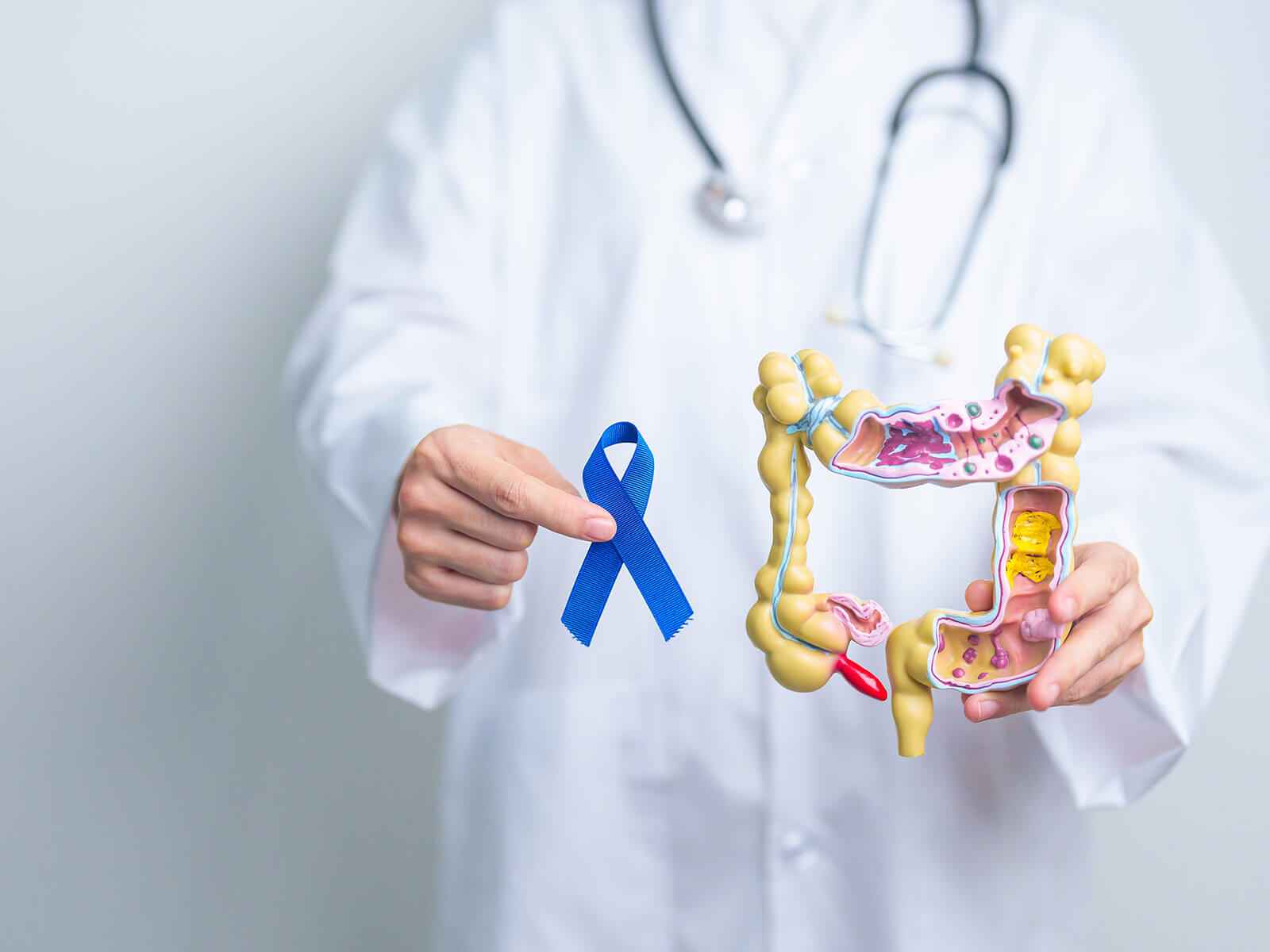








Radiation proctitis is the swelling and damage of the rectal lining which develops following radiotherapy of the pelvis to treat prostate, bladder and cervical cancer. It may be acute (that is, within a few weeks of the treatment) or chronic (months to years later) causing a variety of mild discomfort to severe bleeding and bowel issues.
Radiation proctitis symptoms come on and take their course differently. You may notice:
Radiation proctitis is caused by the injury of smoothing of the rectal mucosa and blood vessels. Risk factors include:
In GastroDoxs, Katy, you will learn how radiation proctitis may affect your life. Our gastroenterologist is board certified with a care team that provides individualized care plans- dietary therapy and medications to elaborate, endoscopic and hyperbaric therapy- done with professionalism and care. Call us today at 832-632-4070 or click here to schedule your appointment and take the first step toward lasting relief.
We've successfully treated more than 1.5K patients, helping individuals improve their digestive health and overall well-being through expert, personalized care.
With over 20 years of experience, GastroDoxs has been a trusted provider of gastroenterology care, focusing on delivering the best outcomes for patients

Dr. Bharat Pothuri is a Board-Certified Gastroenterologist and Hepatologist. With extensive experience in digestive health, he specializes in advanced endoscopic procedures, chronic GI disorder management, and preventive care. Dr. Pothuri is dedicated to providing expert, patient-focused insights to help improve gut health and overall well-being.
The onset of chronic symptoms usually occurs six months up to several years following the radiation therapy.
Acute radiation proctitis typically lasts a few weeks, while chronic cases may persist for months or longer without proper management.
Yes. A symptom of radiation proctitis is rectal bleeding. The treatment is expected to minimize and ultimately prevent the bleeding.
Absolutely. A low-fiber, soft diet can minimize bowel irritation and help control diarrhea and discomfort.
The treatment can involve the use of anti-inflammatory medications, topical enemas or suppositories, as well as stool softeners, in order to alleviate pain and swelling.
If you notice any rectal bleeding, persistent pain, or significant changes in bowel habits after radiation therapy, schedule an evaluation without delay.
Yes. Hyperbaric oxygen treatment consists of ability to heal tissue and lessen hemorrhage particularly in the chronic or serious cases.
Surgery is rare. We first employ dietary, medical, endoscopic, and oxygen therapies. Surgical options are reserved for severe, refractory cases.
Argon plasma coagulation is an endoscopy procedure whereby led into bleeding vessels are sealed by the use of ionized argon gas in the rectal tract.
Yes. Flare-ups can occur. Ongoing follow-up and prompt management of symptoms help prevent recurrence.