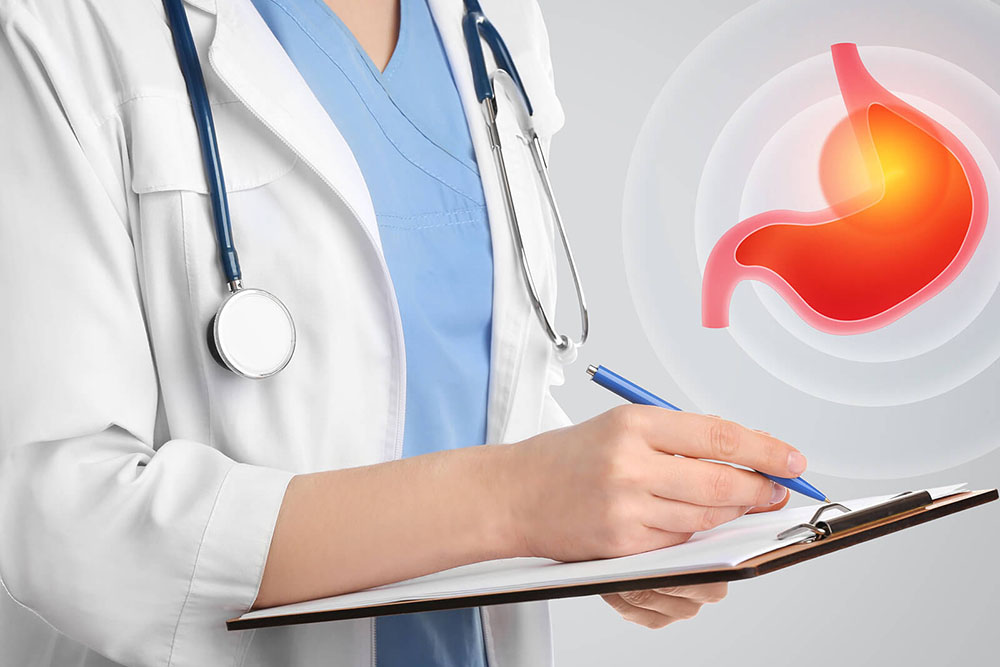








Gastric varices are enlarged veins of your stomach wall induced by an increase of pressure within the portal venous system when blood circulation inside a liver is blocked. Such or engulfed vessels may burst and cause life threatening bleeding.
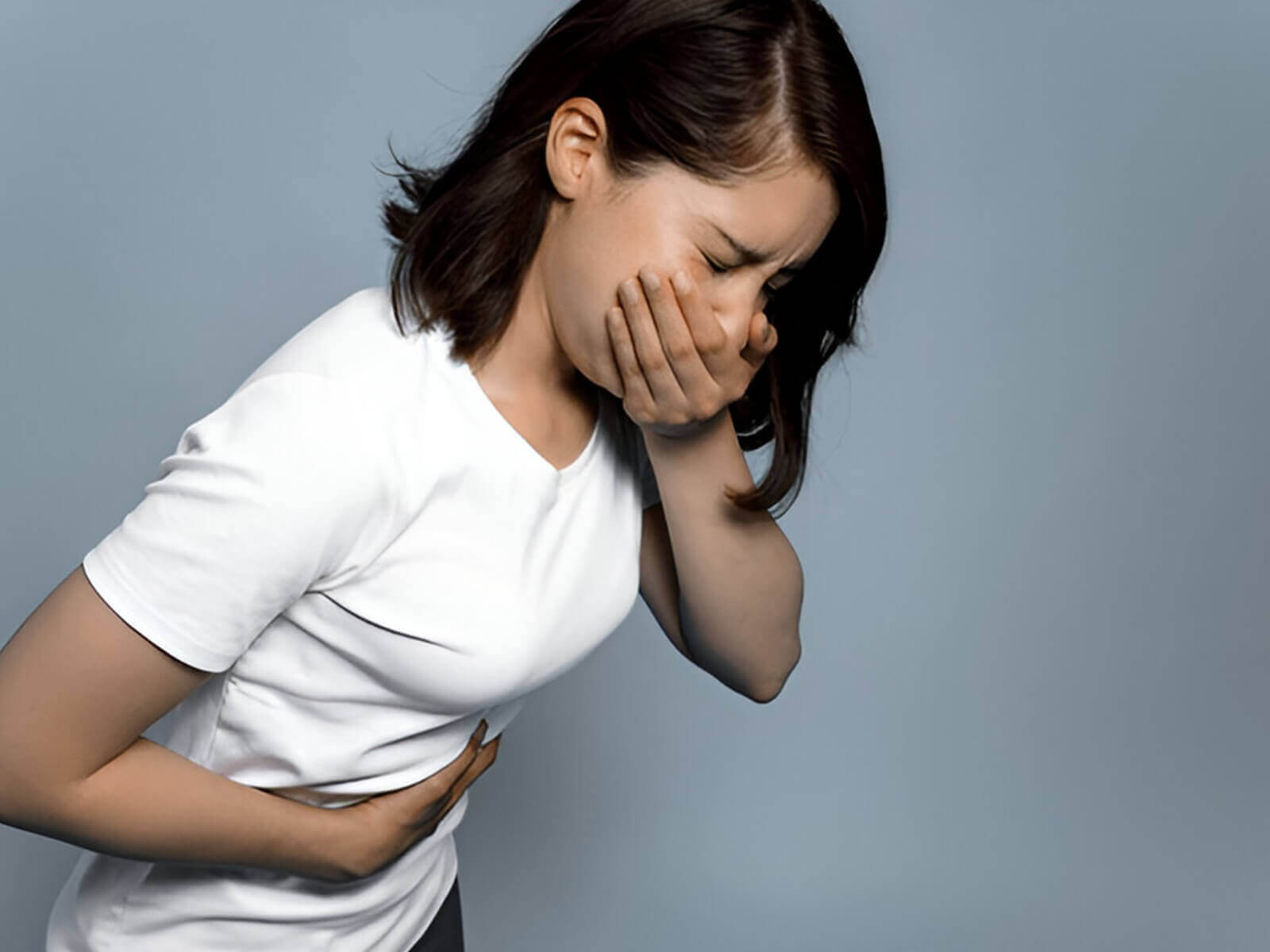
Varices do not make any noise before blood bursts. In case of bleeding, you can have:
Gastric varices are caused when the normal flow of blood in the liver is inhibited or interrupted and results in augmented pressure in the adjacent veins. Common causes include:
Make the first step to live in a pain-free world and have an appointment with our Jersey Village gastroenterologist now. GastroDoxs will offer the opportunity to forget about gastritis and regain comfort with the help of our specialists who integrate modern diagnostics, personal attention, and high-quality support. Be not a waiter-book your appointment today and begin your path to improved digestion.
We've successfully treated more than 6.8K patients, helping individuals improve their digestive health and overall well-being through expert, personalized care.
With over 20 years of experience, GastroDoxs has been a trusted provider of gastroenterology care, focusing on delivering the best outcomes for patients
Dr. Bharat Pothuri is a Board-Certified Gastroenterologist and Hepatologist. With extensive experience in digestive health, he specializes in advanced endoscopic procedures, chronic GI disorder management, and preventive care. Dr. Pothuri is dedicated to providing expert, patient-focused insights to help improve gut health and overall well-being.
Yes. Gastric varices can rupture and cause sudden, life-threatening bleeding that requires urgent medical attention.
Most gastric varices are caused by liver cirrhosis leading to portal hypertension. Blocked veins, such as splenic vein thrombosis, and other liver-related complications may also contribute.
No. Once gastric varices develop, they cannot resolve without targeted treatment to reduce pressure or repair the abnormal veins.
Splenic vein thrombosis is a blood clot in the vein leading to the spleen. It can increase pressure in surrounding vessels and contribute to the formation of gastric varices.
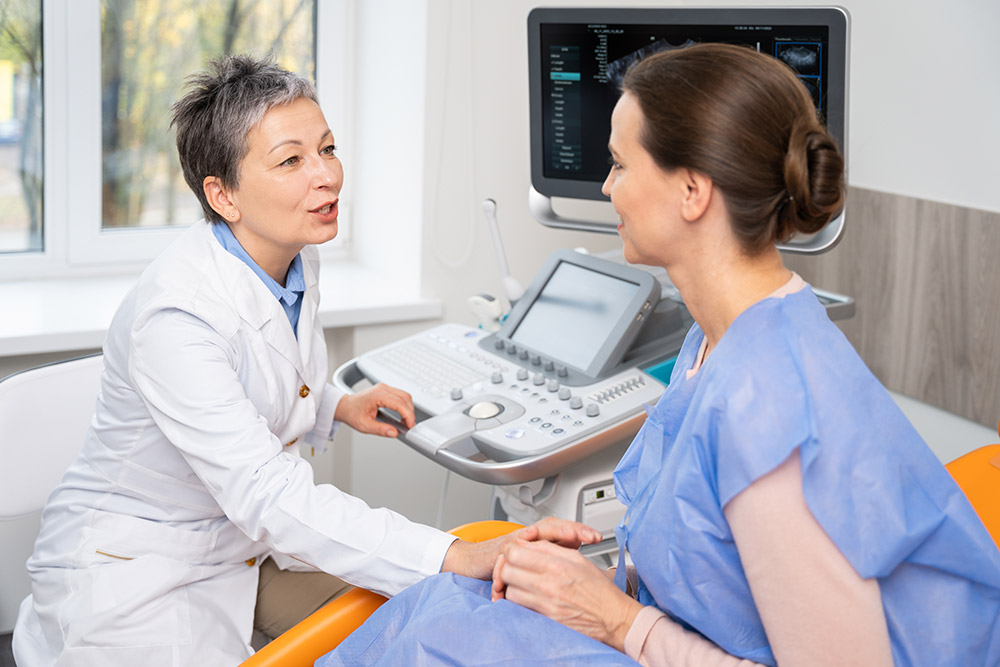
Gastric varices are usually diagnosed via endoscopy. They can also be detected with imaging tests such as CT scans or ultrasound, and by measuring portal hypertension.
No. While both are caused by portal hypertension, esophageal varices occur in the esophagus, whereas gastric varices develop in the stomach lining.
A liver-friendly, low-salt diet may support overall liver health and reduce portal pressure. However, it cannot treat existing varices or prevent bleeding.
TIPS (Transjugular Intrahepatic Portosystemic Shunt) involves creating a small channel in the liver to redirect blood flow, decreasing portal pressure and the risk of variceal bleeding.
Follow-up endoscopies or imaging studies are usually recommended every 3–6 months, depending on the severity of varices and overall liver function.
GastroDoxs in Jersey Village provides personalized care with state-of-the-art endoscopic and imaging facilities, delivered by a caring, patient-centered team.