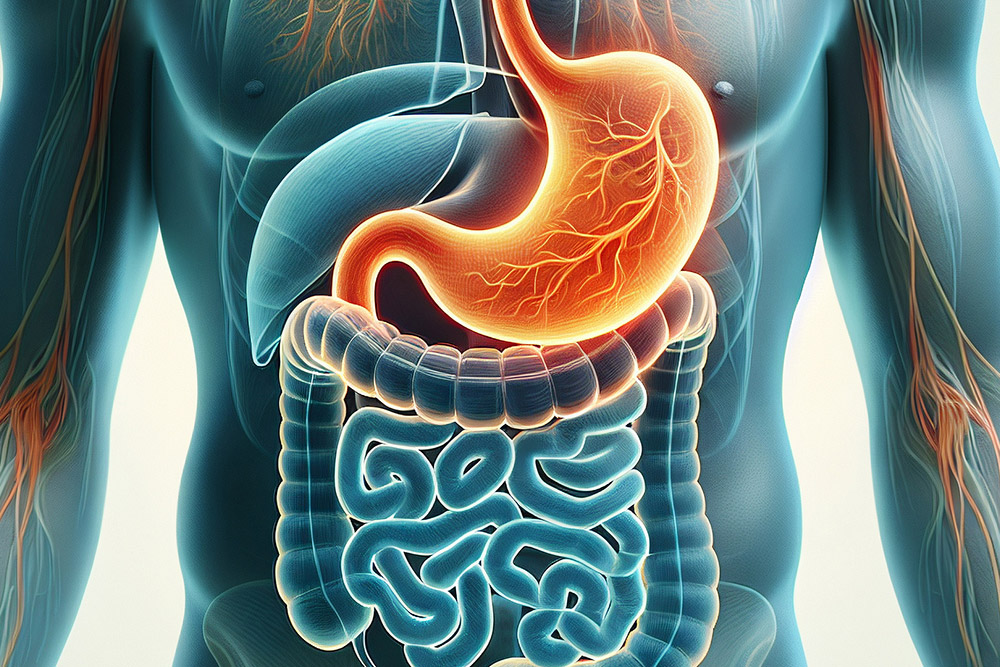








Autoimmune hepatitis- It is a chronic hepatitis in which the immune system of the body attacks normal liver cells. This leads to inflammation in this immunological response and this can lead to pain, scarring and it can lead to permanent irreparable liver damage in case not rectified.
It normally takes time to manifest itself except in instances where a victim may have a flare-up. Common signs include:
Etiology of autoimmune hepatitis is unknown, although it may be brought by many other factors:
We will be able to help you in GastroDoxs of Jersey Village in case of the symptoms of autoimmune hepatitis or in case you have been advised to hold further investigation. You may call us 1649-832-476 or you can get on-line and make an appointment and discuss your diagnosis, and get to see what treatment may be available, and may begin your own personal program of treatment- right here at home.
Disclosure: This is informative information. A health specialist has to meet you regarding medical advices on your case.
We've successfully treated more than 1.5K patients, helping individuals improve their digestive health and overall well-being through expert, personalized care.
With over 20 years of experience, GastroDoxs has been a trusted provider of gastroenterology care, focusing on delivering the best outcomes for patients
Dr. Bharat Pothuri is a Board-Certified Gastroenterologist and Hepatologist. With extensive experience in digestive health, he specializes in advanced endoscopic procedures, chronic GI disorder management, and preventive care. Dr. Pothuri is dedicated to providing expert, patient-focused insights to help improve gut health and overall well-being.
Common signs and symptoms include persistent fatigue, pain or discomfort in the upper right abdomen, jaundice (yellowing of the skin and eyes), loss of appetite, nausea, dark-colored urine, pale stools, and joint pain.
The exact cause is unclear, but autoimmune hepatitis is believed to result from genetic predisposition, a family history of autoimmune diseases, past viral infections, long-term exposure to certain drugs or chemicals, and hormonal factors—especially in females.
The ICD-10 code for autoimmune hepatitis is K75.4.
Patients are advised to follow a liver-friendly diet, abstain from alcohol, take prescribed medications consistently, ensure adequate intake of vitamin D and calcium, and undergo regular liver function monitoring.
Flare-ups may last for several weeks or a few months. With timely medical treatment and consistent medication use, flare-ups can often be shortened and managed effectively.
Yes. Emerging therapies are being studied to complement traditional treatments such as steroids and immunosuppressants, offering more targeted control of liver inflammation.
Yes. Autoimmune hepatitis is a type of autoimmune liver disease caused by an overactive immune system attacking liver tissue, leading to inflammation and damage.
Diagnosis typically involves blood tests to assess liver enzymes and autoantibodies, imaging studies such as ultrasound, and a liver biopsy to determine the extent of inflammation and damage.
You should consult a liver specialist if you experience unexplained fatigue, persistent abdominal pain, yellowing of the skin or eyes, or abnormal liver test results.
While there is no complete cure, most patients achieve remission with long-term therapy, consistent medication use, and regular follow-ups to maintain liver health.