1.9K Reviews | 4.7 Star Rating | 20+ years of experience | 72k+ Patients Treated
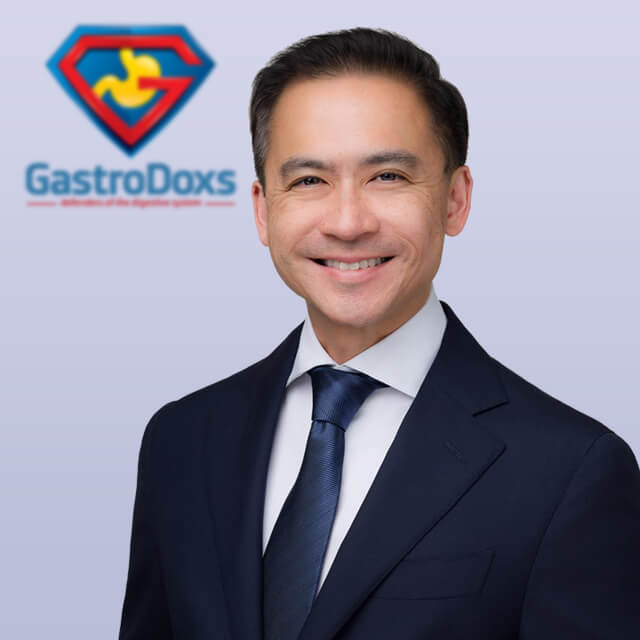
Ulcer of Intestine Specialist - Dr. Scott Liu
An intestinal ulcer-a wound in the small intestine-may cause pain, blood and displacements. The Dr. Scott at GastroDoxs in Houston employs cutting edge diagnostics and customized safe and effective therapy that allows them to find out ulcers quickly, treat illness and help you get better.
Dr. Scott Liu, MD, is a board-certified gastroenterologist with over six years of experience and a background in military medicine. He earned his medical degree from the University of Maryland, Baltimore, completed his Internal Medicine residency at Naval Medical Center Portsmouth, and finished his Gastroenterology fellowship through the National Capital Consortium. Dr. Liu provides comprehensive care for a broad range of digestive conditions, including abdominal pain, acid reflux, liver disease, chronic diarrhea, and colon cancer screening. He is a member of the American College of Gastroenterology and is known for his disciplined, patient-focused approach and clear communication.
Common Causes and Risk Factors
Long-term use of NSAIDs (e.g., ibuprofen, naproxen)
He questions the nature, when and how often you experience epigastric pain, inquires about NSAID, or alcohol use, assesses whether you lost some weight or showed bleeding, and gives a specific examination of the abdomen.
Blood Tests
We will order a complete blood count (CBC) to rule out anemia, run H.pylori serology or urea breaths, and inflammatory markers to rule out such conditions as Crohn.
Imaging Studies
CT enterography visualizes ulcer location, wall thickening, or complications such as perforation.
Abdominal ultrasound rules out gallbladder or pancreatic causes and assesses for fluid collections.
Advanced Testing (if needed)
A capsule endoscopy or an upper endoscopy (EGD) is able to directly define small-bowel ulcers and provide biopsy or H.pylori testing. Laparoscopic assessment can be used in isolated complicated cases.
Treatment
Our Team offers a full range of care for intestinal ulcers.
Nutrition and Lifestyle changes
Take smaller and more frequent meals.
Limit or eliminate spicy, fried and acidic foods.
Stop smoking and reduce alcohol consumption.
Use stress reliever methods like light exercises or a relaxation session on breathing.
Medications
Proton pump inhibitors (PPIs) to reduce stomach acid.
H2 blockers to continuing acid suppression.
When H. pylori is present: When the infection is virulent, antibiotics should be administered to treat the infection, as it might cause pneumonia (2006).
Vitamin supplements like iron or B12 to treat anemia.
Minimal or hi-tech Surgeries
Endoscopic treatment to close bleeding ulcers.
Large or refractory ulcers Laparoscopic surgery.
Small intestine detailed visualization through capsule endoscopy.
Dr. Scott Liu, MD, is a board-certified gastroenterologist with over six years of experience and a background in military medicine. He earned his medical degree from the University of Maryland, Baltimore, completed his Internal Medicine residency at Naval Medical Center Portsmouth, and finished his Gastroenterology fellowship through the National Capital Consortium. Dr. Liu provides comprehensive care for a broad range of digestive conditions, including abdominal pain, acid reflux, liver disease, chronic diarrhea, and colon cancer screening. He is a member of the American College of Gastroenterology and is known for his disciplined, patient-focused approach and clear communication.
Frequently Asked Questions
What are the intestinal ulcers?
Intestinal ulcers follow the duodenum, jejunum or the ileum- three arms of the small intestine.
What are the causes of intestinal ulcers?
The common causes are long term NSAID use, H. pylori infection, smoking, excessive alcohol intake, stress or serious illness, Crohn disease and family history.
What are the symptoms of an intestinal ulcer?
The common symptoms are abdominal pain following meals, nausea or vomiting, lack of appetite, bloating, and brown or bloody bowel movings.
Does diet per se cure an intestinal ulcer?
A healthy diet and medications such as PPIs or antibiotics to treat H. pylori are necessary to soothe irritation but, to ensure complete healing of the ulcer, most people have to take these medications to treat the ulcer.
Diagnosis of intestinal ulcers?
Diagnosis is confirmed by Dr. Scott by upper or capsule endoscopy, blood tests of anemia or H. pylori, stool tests, and x-rays including CT scans.
What will occur in case an intestinal ulcer is not treated?
Unemerged ulcers may either become related to blood spillage, perforate (tear), as well as cause bowel obstructions, which is accompanied by severe conditions that threaten wellbeing and may result in an emergency.
What is the duration of healing of an intestinal ulcer?
Most intestinal ulcers can be cured in 4 to 8 weeks with appropriate treatment- including drugs and alterations in the lifestyle.