1.9K Reviews | 4.7 Star Rating | 20+ years of experience | 72k+ Patients Treated
Schaztki's Ring Specialist - Dr. Scott Liu
The ring is a thin band of esophageal tissue which is narrow and located in the lower esophagus of the body which may lead to difficulty in swallowing and feeling in the chest area. Dr. Scott provided GastroDoxs in Houston where he provides a personalized and minimally invasive treatment to eliminate the symptoms and re-establish the eating process at GastroDoxs.
Dr. Scott Liu, MD, is a board-certified gastroenterologist with over six years of experience and a background in military medicine. He earned his medical degree from the University of Maryland, Baltimore, completed his Internal Medicine residency at Naval Medical Center Portsmouth, and finished his Gastroenterology fellowship through the National Capital Consortium. Dr. Liu provides comprehensive care for a broad range of digestive conditions, including abdominal pain, acid reflux, liver disease, chronic diarrhea, and colon cancer screening. He is a member of the American College of Gastroenterology and is known for his disciplined, patient-focused approach and clear communication.
Common Causes and Risk Factors
Gastroesophageal reflux disease (GERD) leading to chronic acid exposure
Hiatal hernia, where part of the stomach bulges into the chest cavity
Age over 40, as rings tend to develop with advancing age
Prior esophageal trauma from endoscopy, radiation, or injury
Sensation of food “sticking” in the lower chest or throat
Chest discomfort, burning, or pressure when swallowing
Regurgitation of undigested food or saliva
Occasional chest pain unrelated to heart problems
How Dr. Scott Diagnoses Schatzki's Ring?
Dr. Scott uses a step-by-step approach:
Medical History & Physical Exam
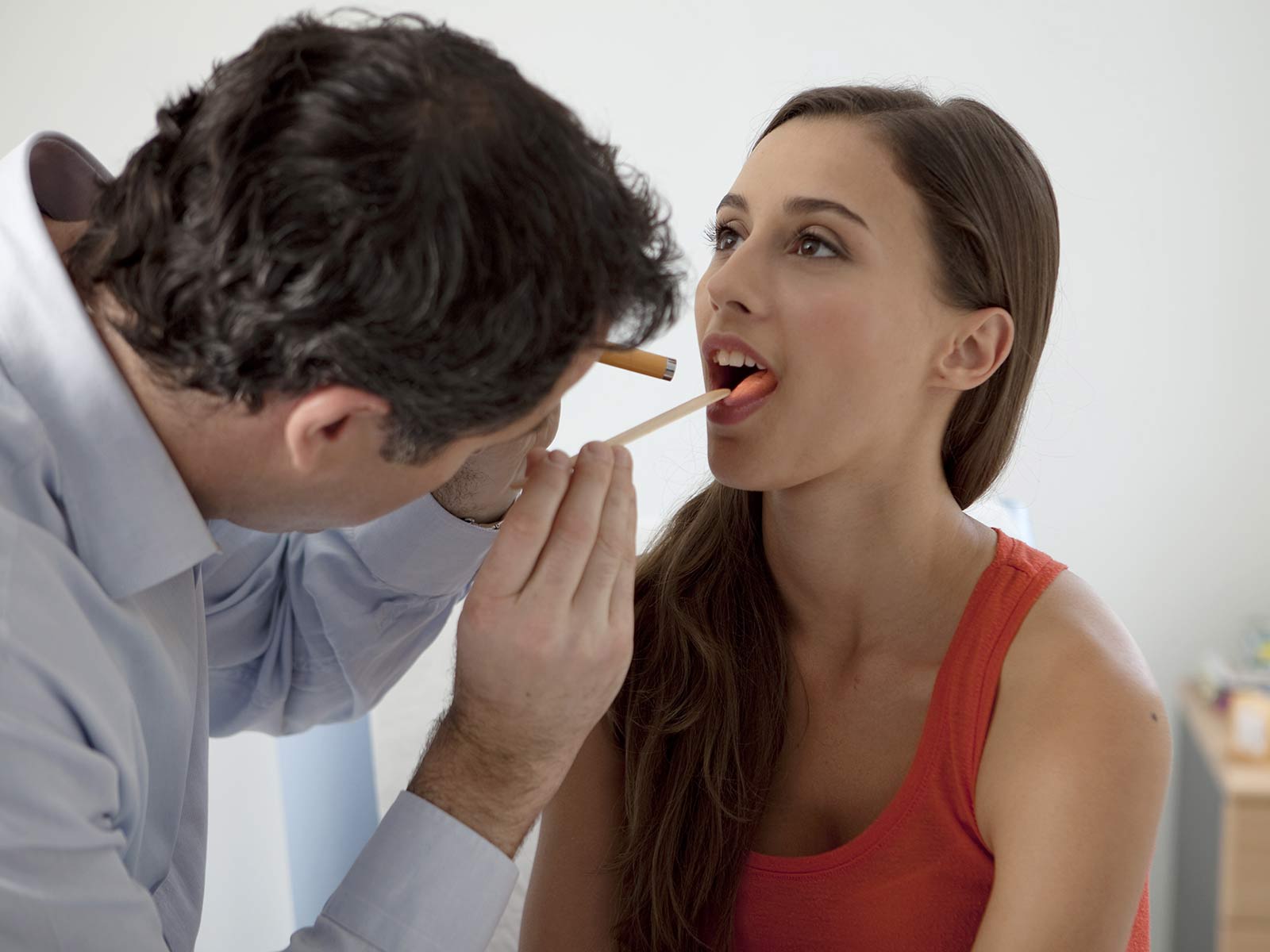
He starts with an assessment of your symptoms that include your inability to swallow (and difficult to swallow especially solid food), a feeling as though your food is lodged in your chest, or sporadic dysphagia. He inquires about regurgitation, heartburn and acid reflux or esophageal surgeries too.
Barium Swallow (Esophagram)
This is a special X-ray examination that Dr. Scott can use to watch the esophagus move. It works very well, especially when a thick strand of Schatzki ring is found (constricting band at the lower esophagus); it is easy to locate this ring with a solid bolus (e.g., marshmallow swallow technique).
Upper Endoscopy (EGD)
Dr. Scott applies a flexible endoscope to the esophagus, stomach and duodenum directly. This assists in establishing the existence of a ring, its size, and location, and denting out other diseases like esophagitis, strictures, or hiatal hernia. In case of inflammation or esophagus Barrett takes a biopsy.
Esophageal Manometry (if needed)
Manometry can be employed in instances of unsolved or chronic swallowing problems to assess the ability and coordination of the esophageal muscles, to determine the absence of a motility disorder underlying these problems.
pH Monitoring (if reflux is suspected)
In case the ring is believed to be caused by or to have contributed to symptoms, ambulatory pH testing may also be ordered to determine the level of acid exposure in lower esophagus.
Treatment
Our Team offers a full range of care for Schatzki's Ring.
Modifications of lifestyle and diet
Eat smaller, soft-food meals
Take one bite after another.
Sit upright not less than 30 after meals.
Eschew hard or dry food (nuts, chips, crusty bread)
Restrict caffeine, alcohol and spicy foods to minimize reflux.
Medications
Drug to reduce stomach acid: proton pump inhibitors (PPIs).
Blockers of the H2 secretions.
Quick relief antacids.
Minimal or hi-tech Surgery
Dilation of the ring with a balloon or bougie by an endoscope.
Incision of the probe done in endoscopy to tear and enlarge the contracted tissue.
Dr. Scott Liu, MD, is a board-certified gastroenterologist with over six years of experience and a background in military medicine. He earned his medical degree from the University of Maryland, Baltimore, completed his Internal Medicine residency at Naval Medical Center Portsmouth, and finished his Gastroenterology fellowship through the National Capital Consortium. Dr. Liu provides comprehensive care for a broad range of digestive conditions, including abdominal pain, acid reflux, liver disease, chronic diarrhea, and colon cancer screening. He is a member of the American College of Gastroenterology and is known for his disciplined, patient-focused approach and clear communication.
Frequently Asked Questions
How common is Schatzki's ring?
It has been determined that up to 14 percent of adults carry a Schatzki's ring in a barium X-ray with no symptoms.
Can Schatzki's ring be cured?
Symptoms can be relieved with Tx such as endoscopic dilation or incision and continued control of acid reflux prevents recurrence.
Will the ring of Schatzki also vanish of itself?
Small rings are hardly self limited enough to vanish on their own and can be alleviated with dietary modifications and acid repression.
Is the acuity or chronicity of the ring by Schatzki?
It may be either: acute rings develop immediately after eating hence difficulty in swallowing whereas chronic rings develop gradually over a period of months.
Are there any associated risks of endoscopic dilation?
Low risk, likely to cause mild bleeding or chest pains; also serious complications are rare.
Should I starve before treatment?
Yes. At least six hours prior to your endoscopic procedure you are to avoid food and drink.
Will there be repeat procedures that you need?
The patients might have to undergo the follow-up dilations in case the ring comes about once again; Dr. Scott will keep checking on you and prescribe the treatment with repeated approaches.