1.9K Reviews | 4.7 Star Rating | 20+ years of experience | 72k+ Patients Treated
Best Rectal Bleeding Gastroenterologist
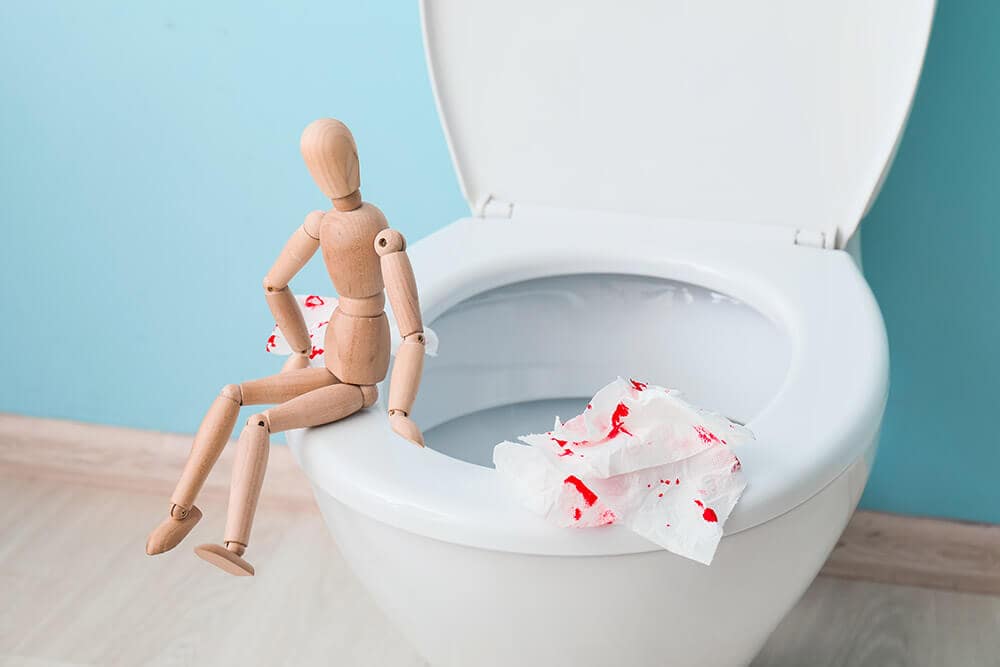
Rectal bleeding-bright red or dark, tarry stools, or blood on toilet paper-may be as a result of hemorrhoids, fissures or severe illnesses such as colon cancer. A case of GastroDoxs in Houston, an early diagnosis by Dr. Scott is accurate, personalized therapy, and giving confidence.
Dr. Scott Liu, MD, is a board-certified gastroenterologist with over six years of experience and a background in military medicine. He earned his medical degree from the University of Maryland, Baltimore, completed his Internal Medicine residency at Naval Medical Center Portsmouth, and finished his Gastroenterology fellowship through the National Capital Consortium. Dr. Liu provides comprehensive care for a broad range of digestive conditions, including abdominal pain, acid reflux, liver disease, chronic diarrhea, and colon cancer screening. He is a member of the American College of Gastroenterology and is known for his disciplined, patient-focused approach and clear communication.
Common Causes and Risk Factors
Hemorrhoids (swollen veins in the rectum or anus)
Anal fissures (small tears in the anal lining)
Diverticular disease (bleeding from pouches in the colon)
Inflammatory bowel disease (ulcerative colitis or Crohn's disease)
Colon polyps or colorectal cancer
Straining during bowel movements or passing hard stools
Age over 50 and a family history of colon cancer
Low-fiber diet and chronic constipation
Signs and Symptoms
Bright red blood on toilet paper, in the toilet bowl, or coating the stool
Maroon or dark, tarry stools (melena)
Pain during bowel movements (common with fissures)
Changes in bowel habits-diarrhea, constipation, or urgency
Feeling lightheaded, dizzy, or weak if bleeding is heavy
Itching or discomfort around the anus
How Dr. Scott Diagnoses Rectal Bleeding?
Dr. Scott uses a step-by-step approach:
Medical History and Symptom Review
He inquires about the time of onset, frequency and look of the bleeding, whether this is accompanied by some form of pain or itch, bowel movements, diet and medication selected, and whether anyone in the family has developed colorectal disease.
Physical Examination
A digital rectal exam is used to assess anything on the masses, tenderness, internal hemorrhoid, or fissure of the anus.
Endoscopic Evaluation
Anoscopy or proctoscopy to directly visualize the anal canal and distal rectum for hemorrhoids, fissures, or lesions.
Colonoscopy to inspect the entire colon, identify polyps, inflammation (IBD), diverticula, or malignancy, and allow for biopsy or polyp removal.
Laboratory and Stool Studies
Complete blood count to rule out anemia, inflammatory markers in case of IBD suspicion, as well as stool tests to detect occult blood or infection.
Advanced Imaging (if indicated)
CT scan or MRI could be requested to assess complicated diverticular illness, deep abscesses or indeterminate results in endoscopy.
Treatment
Our Team offers a full range of care for rectal bleeding.
Lifestyle and Diet Changes
Increase fiber intake of vegetables, fruits and whole grains.
Take additional water to soften the stools.
When you need to go to the bathroom do it- do not hold it.
To ease pain and promote healing, sitz baths should be taken in warm water.
Medications
Fiber supplements or softeners of stool.
Hemorrhoid creams or suppositories.
Inflammatory bowel disease Inflammatory bowel medicine Past papers Past papers
Less invasive or State-of-the-Art Procedures
Ligation of internal hemorrhoids using rubber band.
Sclerotherapy, where a special injection of veins that are swollen is used to shrink the veins.
To prevent bleeding of polyps or ulcers, endoscopy is performed.
The use of laser or infrared to prevent bleeding blood vessels.
Dr. Scott Liu, MD, is a board-certified gastroenterologist with over six years of experience and a background in military medicine. He earned his medical degree from the University of Maryland, Baltimore, completed his Internal Medicine residency at Naval Medical Center Portsmouth, and finished his Gastroenterology fellowship through the National Capital Consortium. Dr. Liu provides comprehensive care for a broad range of digestive conditions, including abdominal pain, acid reflux, liver disease, chronic diarrhea, and colon cancer screening. He is a member of the American College of Gastroenterology and is known for his disciplined, patient-focused approach and clear communication.
Frequently Asked Questions
Which is the ICD-10 code of rectal bleeding?
Code K62.5 is the primary one and is associated with hemorrhage of the anus and rectum. R19.5 can be applied as well in other circumstances.
What can be done at home to prevent rectal bleeding?
Begin with a high fiber intake, increased amounts of fluid and sitz bath. In case of bleeding which ceases neither, call Dr. Scott.
Is it necessary to go to the ER because of rectal bleeding?
Get assistance immediately in cases of heavy bleeding, feeling dizzy, chest pains, and weakness.
Is it possible that rectal bleeding is a symptom of colon cancer?
Yes. Blood in the stool may be a result of polyps and cancer. This is why it is important to be tested and in particular, after the age of 45.
Does all the time rectal bleeding is painful?
No. Polyps and internal hemorrhoids may be able to bleed painlessly.
What will be the promptness of my recovery?
The right treatment makes many people feel better after a few days. Certain operations might require few days to heal.