1.9K Reviews | 4.7 Star Rating | 20+ years of experience | 72k+ Patients Treated
Pelvic Discomfort Specialist - Dr. Scott Liu
Men and women both tend to suffer pelvic discomfort, which is characterized by dull pain in the lower abdomen or lower abdominal aches and cramps or a heavy feeling. Dr. To ease the symptoms, Scott at GastroDoxs in Houston offers assessments and personalised therapies-both dietary and lifestyle change and minimum invasive procedure-to ease the conditions.
Dr. Scott Liu, MD, is a board-certified gastroenterologist with over six years of experience and a background in military medicine. He earned his medical degree from the University of Maryland, Baltimore, completed his Internal Medicine residency at Naval Medical Center Portsmouth, and finished his Gastroenterology fellowship through the National Capital Consortium. Dr. Liu provides comprehensive care for a broad range of digestive conditions, including abdominal pain, acid reflux, liver disease, chronic diarrhea, and colon cancer screening. He is a member of the American College of Gastroenterology and is known for his disciplined, patient-focused approach and clear communication.
What Is Pelvic Discomfort?
Pelvic discomfort is a diffuse persistent pain of the lower abdomen or pelvic region, which can be of such a nature like, pressure, bloat or slight pain. It can be caused by such gastrointestinal problems as constipation or IBS, urinary tract problems, reproductive system problems, or inflammation. Though in most cases mild, continual pelvic pain may depict underlying ailments that may be assisted by examining and delivering specific care.
Common Causes and Risk Factors
Hormone changes and a growing uterus during pregnancy
Muscle strain in the lower back referring pain to the pelvis
Bloating or gas from irritable bowel syndrome (IBS)
Diets high in gas-producing foods (beans, cabbage, soda)
Urinary or reproductive infections (UTIs, pelvic inflammatory disease)
Endometriosis or uterine fibroids in women
Past pelvic or abdominal surgeries (e.g., C-section)
Constipation or abdominal hernias
Signs and Symptoms
Pain or pressure below the belly button lasting days to weeks
A heavy, full, or aching sensation in the pelvic area
Discomfort that worsens when sitting, standing, or walking
Pain during sexual activity, bowel movements, or urination
Excessive gas, bloating, or changes in bathroom habits
Pain that radiates from the pelvis to the lower back or legs
How Dr. Scott Diagnoses This Condition?
Dr. Scott uses a step-by-step approach:
Medical History & Exam
He will start by examining your symptoms, nutrition, day-to-day activities, previous pregnancy or surgery, and other common potential risk factors of pelvic or gastrointestinal problems.
Physical Examination
Such a gentle hands-on examination identifies tender or tight places in the lower abdomen, pelvis, and lower back.
Laboratory Testing
Blood work to check for signs of infection, inflammation, or other systemic causes.
Urinalysis to rule out urinary tract infection or other urinary tract issues.
Imaging & Endoscopy
Pelvic ultrasound to visualize reproductive organs, bladder, and nearby structures.
Endoscopy or colonoscopy if irritable bowel syndrome or other gastrointestinal disorders are suspected.
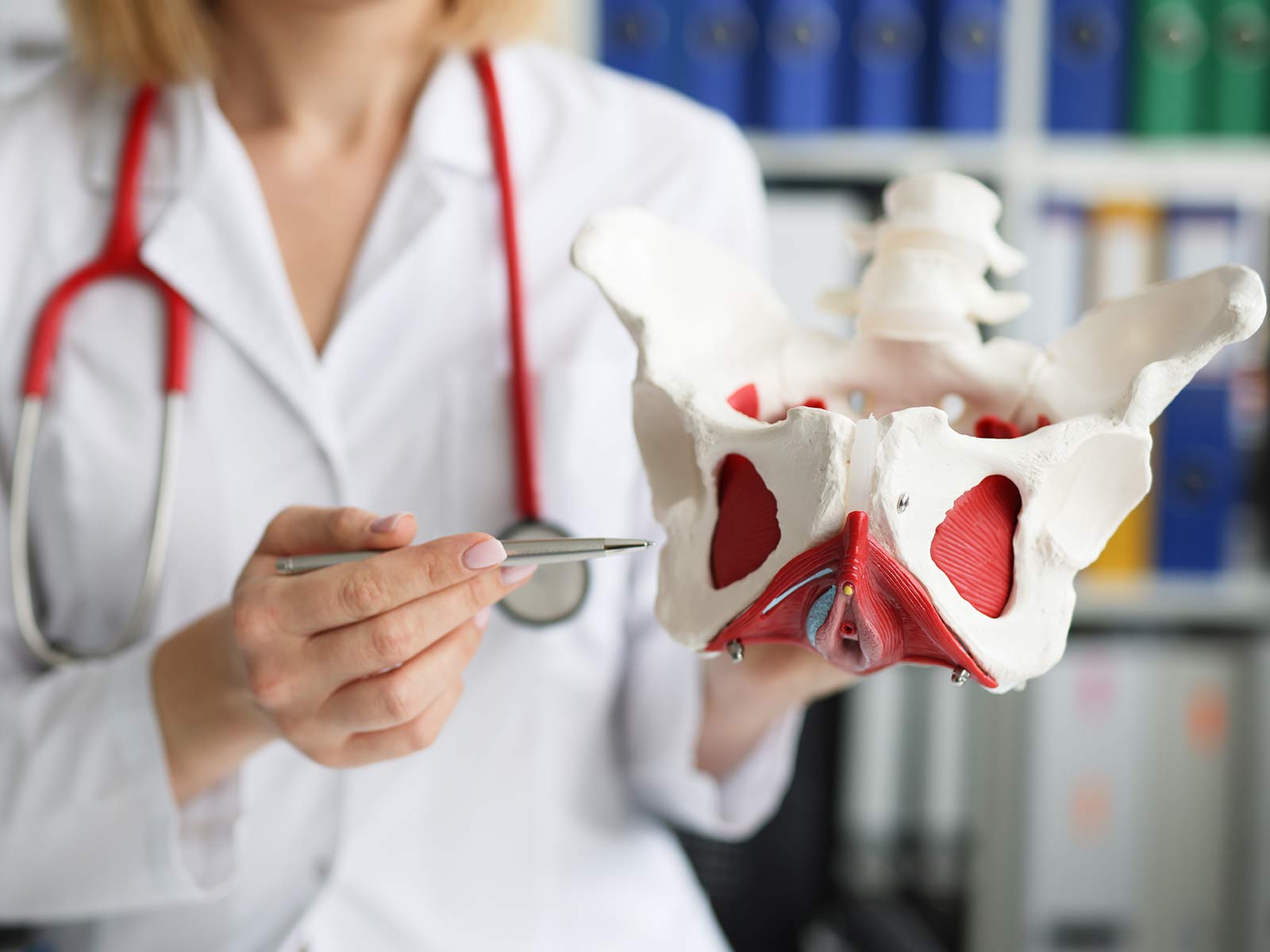
Pelvic Floor Assessment
A pelvic floor assessment can determine the strength of the muscles, the nerve activity, and point out any trigger points that may be causing your pain.
Treatment
Our Team offers a full range of care for pelvic discomfort.
Lifestyle and Diet interventions
Consuming additional fruits, vegetables and whole grains to relax constipation.
Taking an ample amount of water per day.
Performing light activities such as walking or light yoga.
Eliminating gas causing food stuffs like beans, soda and cabbage.
Medications
Bowel relaxant and anti-cramp medicines.
Non-prescription pain killers such as ibuprofen.
Hormone treatment in patients of fibroids or endometriosis.
Antibiotics in case of an infection.
Minimal or Advanced Procedures
Laparoscopy to cure endometriosis or hysterectomy.
To slow down the long-term pain, pelvic nerve blocks are used.
Radiofrequency treatment to relax nerve impulses.
Pelvic injections of images to relax tight muscles.
Dr. Scott Liu, MD, is a board-certified gastroenterologist with over six years of experience and a background in military medicine. He earned his medical degree from the University of Maryland, Baltimore, completed his Internal Medicine residency at Naval Medical Center Portsmouth, and finished his Gastroenterology fellowship through the National Capital Consortium. Dr. Liu provides comprehensive care for a broad range of digestive conditions, including abdominal pain, acid reflux, liver disease, chronic diarrhea, and colon cancer screening. He is a member of the American College of Gastroenterology and is known for his disciplined, patient-focused approach and clear communication.
Frequently Asked Questions
What is the cause of pelvic pains during pregnancy?
The uterus expands and moves and the applied pressure on the pelvic muscles. The sensitivity of tissues is also altered due to hormonal variations. Benign exercise, stomach belts and mildly stretching tend to relieve pain.
At which point would I visit Dr. Scott with pelvic pain and backache?
When you experience prolonged pain that takes over 2 weeks, when it is affecting your sleep and or daily routines, or when it is also associated with fever or bleeding, then make an appointment where we will examine you fully.
Is it possible that food causes bloating and pelvic cramping?
Yes. There are some foods that give off excessive fume that puts pressure on the intestines and pelvic floor. Bloating and cramps can be prevented often through trigger food recognition and prevention.
Is gas accompanied pelvic pain something serious?
Not always. A great number of cases are related to mild IBS or diet preference. But the persistent or severe pain needs to be assessed to eliminate infections, hernias, or any other condition.
Are these procedures safe?
Yes. Most of the interventions such as laparoscopic surgery, nerve blocks, and image-guided injections are minimally invasive and have faster recovery as opposed to traditional surgery.
What are the recovery time of injections and therapy?
A significant number of patients report relief in a couple of days. The entire results of pelvic floor therapy or radiofrequency treatments take four to six weeks to manifest fully.
Do you treat men with pelvic pains?
Yes. A Social Worker is able to work with male patients who experience pelvic pain due to muscle tensions or prostatitis, or hernias, although these are not common. Dr. Scott offers well-developed assessment and therapy of the disorders.
Related Blogs
What Are The Treatment Options for My Loved One with Colon Cancer?