1.9K Reviews | 4.7 Star Rating | 20+ years of experience | 72k+ Patients Treated
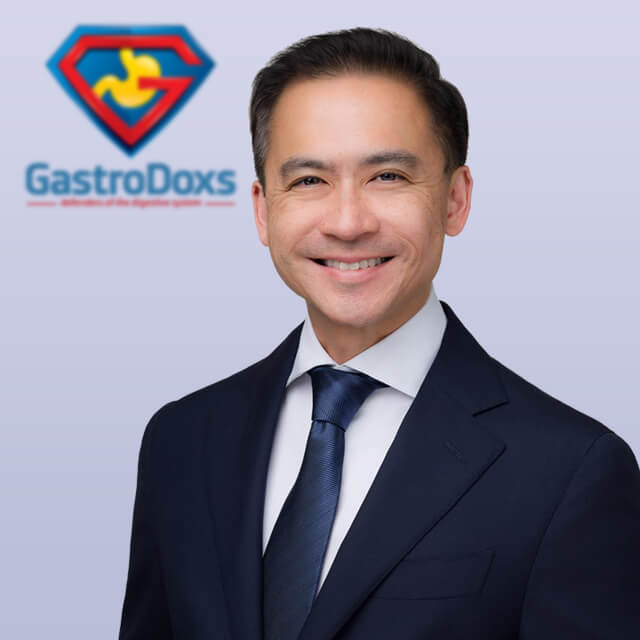
Pancreatic Insufficiency Specialist - Dr. Scott Liu
Exocrine pancreatic insufficiency or Pancreatic insufficiency is a condition resulting from the inability of pancreas to secrete adequate amounts of digestive enzymes causing poor digestion of nutrients, which causes weight loss and diarrhea. Dr. Scott in Houston offers therapeutic and helping services to heal gut health.
Dr. Scott Liu, MD, is a board-certified gastroenterologist with over six years of experience and a background in military medicine. He earned his medical degree from the University of Maryland, Baltimore, completed his Internal Medicine residency at Naval Medical Center Portsmouth, and finished his Gastroenterology fellowship through the National Capital Consortium. Dr. Liu provides comprehensive care for a broad range of digestive conditions, including abdominal pain, acid reflux, liver disease, chronic diarrhea, and colon cancer screening. He is a member of the American College of Gastroenterology and is known for his disciplined, patient-focused approach and clear communication.
What Is Pancreatic Insufficiency?
Pancreatic insufficiency is a condition whereby the amount of digestive enzyme that is produced by the pancreas is inadequate to adequately digest food. This disorder is usually caused by pancreatitis chronic, cystic fibrosis or by surgery of the pancreas. It has the usual symptoms of weight loss, greasy or foul-smelling stools (steatorrhea), bloating, and vitamin deficiencies. Lack of adequate enzymes levels means that the body would be unable to absorb the required nutrients. Confirmation of the diagnosis is usually done through stool tests and imaging. Therapy involves prescription of pancreatic enzyme replacement therapy (PERT), change in diets, and vitamin supplementation of fat soluble vitamins.
Common Causes and Risk Factors
Chronic pancreatitis - ongoing inflammation that damages enzyme-producing cells
Cystic fibrosis - genetic disorder leading to reduced exocrine function
Surgery or tumors - operations or growths that impair pancreatic enzyme output
Diabetes - high blood sugar can injure pancreatic tissue
Aging - natural decline in enzyme production over time
Signs and Symptoms
Unexplained weight loss or poor weight gain
Bloating, gas, or abdominal cramps after meals
Greasy, foul-smelling stools (steatorrhea)
Vitamin A, D, E or K deficiencies
Fatigue, weakness, or general malaise
How Dr. Scott Diagnoses Pancreatic Insufficiency and Epigastric Pain?
Dr. Scott uses a step-by-step approach:
Medical History and Physical Exam
Examines your digestive symptoms, alcohol intake, your family history of cystic fibrosis or pancreatitis and examines your abdomen with an emphasis on your epigastric tenderness.
Nutritional Assessment
Dr. Scott examines weight gain or loss, diet, and makes sure that there are no indications of malabsorption such as muscle wasting, vitamin deficiencies.
Fecal Elastase Test
This non-invasive stool test measures pancreatic enzyme output; low levels confirm exocrine pancreatic insufficiency (EPI).
Imaging Studies
Abdominal ultrasound to look for signs of chronic pancreatitis or ductal dilation.
MRI/MRCP for detailed views of pancreatic structure and ductal anatomy.
Pancreatic Function Testing (If Needed)
In complicated cases, secretin-stimulated tests or direct test of function could be employed to measure the secretion of the enzyme.
Treatment
Our Team offers a full range of care for exocrine pancreatic insufficiency.
Lifestyle and Dietary-Based Interventions
Take small meals severally to make digestion easier.
Select low fat, whole grains and lean proteins.
Eat slowly and with a lot of care.
Remember to drink a lot during the day.
Assisted by our in-house dietitian to develop a specific nutrition plan.
Dr. Scott Liu, MD, is a board-certified gastroenterologist with over six years of experience and a background in military medicine. He earned his medical degree from the University of Maryland, Baltimore, completed his Internal Medicine residency at Naval Medical Center Portsmouth, and finished his Gastroenterology fellowship through the National Capital Consortium. Dr. Liu provides comprehensive care for a broad range of digestive conditions, including abdominal pain, acid reflux, liver disease, chronic diarrhea, and colon cancer screening. He is a member of the American College of Gastroenterology and is known for his disciplined, patient-focused approach and clear communication.
Frequently Asked Questions
What do exocrine pancreatic insufficiency?
EPI may be caused by pancreatic inflammation (chronic pancreatitis), cystic fibrosis, pancreatic surgery or tumor, ongoing diabetes, and the age-associated decreased production of enzymes.
How is EPI diagnosed?
The tests conducted by Dr. Scott to guide her diagnosis include fecal elastase test to determine the level of enzymes and can also include ultrasound or MRI imaging and tests of pancreatic functioning.
What is the rate of effect of pancreatic enzyme supplements?
The majority of patients do report improvement in digestion, reduced bloating and improved nutrient absorption within a few days of PERT.
Do diet changes suffice in the management of EPI?
Though small and frequent meals with lean protein and whole grains are beneficial, almost all patients require enzyme replacement and vitamin supplementation to eliminate all the symptoms.
Does the pancreatic insufficiency have permanent nature?
Yes, the management of EPI is usually life long. Proper treatment though can allow you to have a healthy weight and life.
Is the enzyme pancreatic treatment covered by insurance?
PERT and necessary tests are under the majority of insurance plans. GastroDoxs has a team that assists in the prior authorization process to ensure that you pay little out of your own pocket.
Related Blogs
Five Steps That Can Reduce Your Risk of Colon Cancer