Dr. Scott works in GastroDoxs in Houston and is a specialist in the diagnosis and treatment of nonalcoholic steatohepatitis (NASH). With his combination of advanced imaging, individualized lifestyle plans, and the newest medical treatment, he provides holistic, patient-focused, expert services in order to avoid liver damage and enhance health results in the long run.
Dr. Scott Liu, MD, is a board-certified gastroenterologist with over six years of experience and a background in military medicine. He earned his medical degree from the University of Maryland, Baltimore, completed his Internal Medicine residency at Naval Medical Center Portsmouth, and finished his Gastroenterology fellowship through the National Capital Consortium. Dr. Liu provides comprehensive care for a broad range of digestive conditions, including abdominal pain, acid reflux, liver disease, chronic diarrhea, and colon cancer screening. He is a member of the American College of Gastroenterology and is known for his disciplined, patient-focused approach and clear communication.
What Is Nonalcoholic Steatohepatitis (NASH)?
An advanced type of nonalcoholic fatty liver disease is Nonalcoholic Steatohepatitis (NASH) that is a liver disease whose formation is based on the excess accumulation of fat in the liver and results in the inflammatory and harmful development. In contrast to alcohol-induced liver disease, NASH is present among individuals who consume small amounts of alcohol or no alcohol at all. It is usually known with obesity, type 2 diabetes, high cholesterol, or metabolic syndrome. Most of the patients do not have any symptoms but in cases that the disease has advanced, some patients might report feeling tired, belly aches, or liver swelling. NASH is capable of causing cirrhosis, liver failure, or liver cancer in case it is not treated. Prompt diagnosis by the use of imaging and blood tests enables the application of interventions such as lifestyle change, weight loss and medications that slow or reverse liver damage.
Common Causes and Risk Factors
Obesity or overweight
Insulin resistance and type 2 diabetes
High cholesterol or triglycerides
Metabolic syndrome
Rapid weight gain or weight loss
Family history of liver disease
Signs and Symptoms
Often none in early stages
Tiredness or weakness
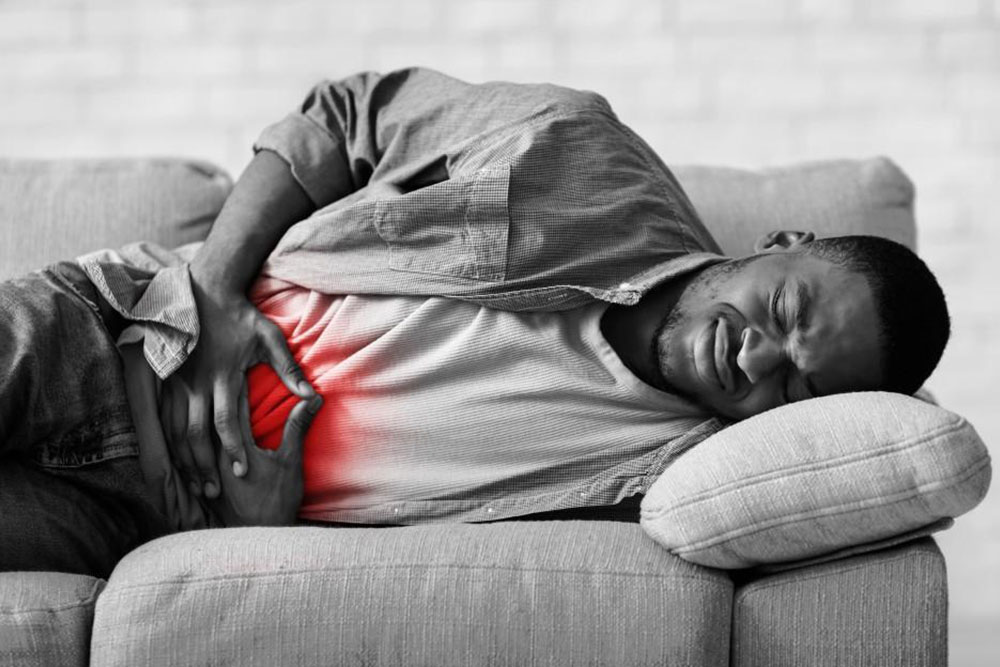
Mild pain or fullness in the upper right belly
Unexplained weight loss
Swelling in legs or abdomen (advanced disease)
How Dr. Scott Diagnoses This Condition?
Dr. Scott uses a step-by-step approach:
Medical History and Exam
He checks on your symptoms-particularly the experience of the pain in the epigastry, limitation and all the pain in the abdomen-as well as alcohol consumption history, medication, and metabolic danger.
Blood Tests
We test liver enzymes (ALT, AST), lipid profiles, fasting glucose/HbA1c and exclude other indicators of liver damage (viral hepatitis, autoimmune disease).
Imaging Studies
Ultrasound: Evaluates hepatic echogenicity to detect fatty infiltration.
FibroScan or elastography: Measures liver stiffness as a noninvasive assessment of fibrosis.
Advanced Testing (if needed)
A liver biopsy or MR elastography may be done occasionally in order to make a diagnosis, stage inflammation and determine the degree of fibrosis.
Treatment
Our Team offers a full range of care for Nash.
1. Lifestyle and Diet Changes
Discontinue or reduce the use of nonsteroidal antiinflammatory drugs - substitute with safer analgesics.
Take small and frequent meals that would put less pressure on your gut.
Introduce bland sources of fiber, such as oats and bananas, and calm down the intestine.
Keep hydrated drinking a lot of water, broths and fluids high in electrolytes.
2. Medications
To reduce acid and protect the gut lining, proton pump inhibitors (PPIs).
Stickers such as sucralfate or other similar coating agents to cover and heal damaged regions.
Probiotics to replenish healthy intestinal flora and aid in healing.
3. Minimally Invasive Surgeries
To expand the small intestine and open strictures in the small intestine.
Dr. Scott Liu, MD, is a board-certified gastroenterologist with over six years of experience and a background in military medicine. He earned his medical degree from the University of Maryland, Baltimore, completed his Internal Medicine residency at Naval Medical Center Portsmouth, and finished his Gastroenterology fellowship through the National Capital Consortium. Dr. Liu provides comprehensive care for a broad range of digestive conditions, including abdominal pain, acid reflux, liver disease, chronic diarrhea, and colon cancer screening. He is a member of the American College of Gastroenterology and is known for his disciplined, patient-focused approach and clear communication.
Frequently Asked Questions
What is the etiology of Nonalcoholic Steatohepatitis (NASH)?
Fat accumulation in the liver causes inflammation and damage in the liver resulting in NASH. The type 2 diabetes, high cholesterol, and obesity are the common risk factors.
What is the difference between NASH and a fatty liver disease?
Simple fatty liver (NAFLD) is the presence of fat in the liver that is non-inflammatory. A more serious one is known as Nash, where the accumulation of fat caused damage to liver cell, scarring and potential long term problems.
Can NASH be reversed?
Lifestyle modification like weight loss, healthy dieting, and physical activity can sometimes reverse NASH at its early stages. Stages of development may involve medication or special needs.
What are the symptoms of NASH?
In initial stages, Nash is usually quiet. The disease can cause some of the patients to be fatigued, develop abdominal discomfort or show signs of liver dysfunction.
How is NASH diagnosed?
Diagnosis can be by blood tests, liver ultrasound or FibroScan, occasionally there might be liver biopsy to establish inflammation and fibrosis.
Does NASH have any medications?
Although there is still no single FDA-registered drug that could treat NASH, off-label treatment in Dr. Scott's case is a possibility, clinical trials that enroll patients, or a specific set of targeted medications are possible to manage risk factors and eliminate inflammation.
Do I need regular monitoring?
Yes. To monitor the health of the liver and prevent its transformation into cirrhosis, patients with NASH should constantly monitor the state using imagery and blood test results.
Related Blogs
The Thyroid-Gut Connection: How Your Thyroid Affects Digestive Health