1.9K Reviews | 4.7 Star Rating | 20+ years of experience | 72k+ Patients Treated
Fecal Impaction Doctor - Dr. Scott Liu
Fecal impaction is the hardened stool that is trapped in the rectum, which gives rise to pain, bloating, and possible complication. Dr. Scott provides quality care, individualized treatment plans and pain management to alleviate pain and heal healthy bowel functioning at GastroDoxs in Houston.
Dr. Scott Liu, MD, is a board-certified gastroenterologist with over six years of experience and a background in military medicine. He earned his medical degree from the University of Maryland, Baltimore, completed his Internal Medicine residency at Naval Medical Center Portsmouth, and finished his Gastroenterology fellowship through the National Capital Consortium. Dr. Liu provides comprehensive care for a broad range of digestive conditions, including abdominal pain, acid reflux, liver disease, chronic diarrhea, and colon cancer screening. He is a member of the American College of Gastroenterology and is known for his disciplined, patient-focused approach and clear communication.
What Is Fecal Impaction?
Fecal impaction occurs when a large thick piece of feces gets stuck in the rectum such that it becomes impossible to expel bowel movements. In comparison to chronic constipation, the obstruction is not going to resolve itself and may cause pain, swelling, and other complications in case it is not addressed.
Common Causes and Risk Factors
Ongoing constipation or frequent straining
Low-fiber diet and inadequate fluid intake
Medications such as opioids or anticholinergics
Reduced mobility or neurological disorders
Advanced age (more common in seniors)
Signs and Symptoms
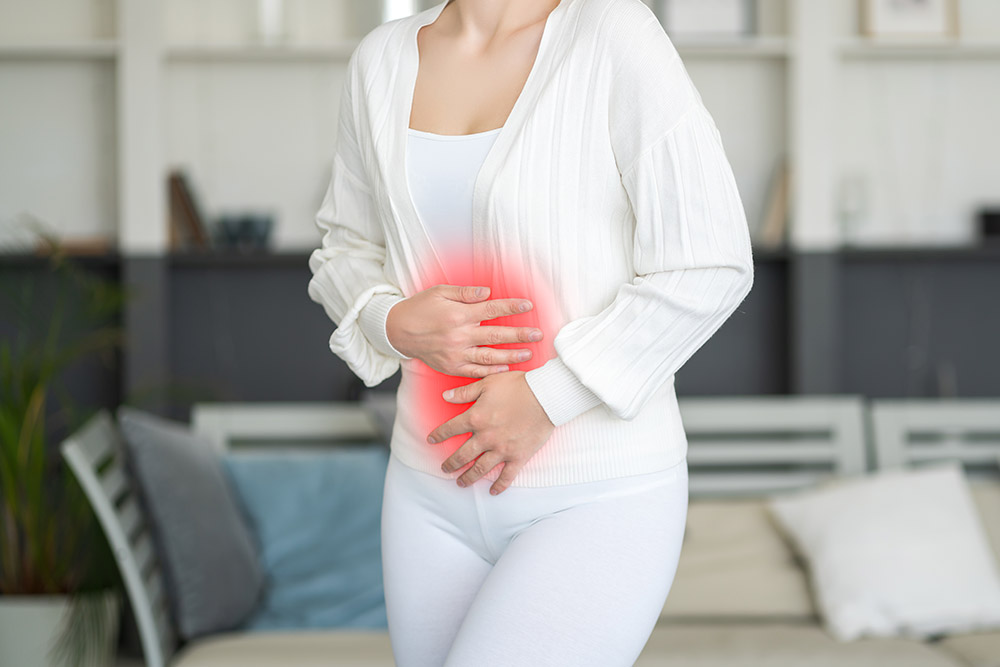
Pain or bloating in the abdomen
Feeling of fullness or pressure in the rectum
Small, watery stool leaking around the obstruction
Nausea, loss of appetite, or general discomfort
Difficulty passing gas
How Dr. Scott Diagnoses This Condition?
Dr. Scott uses a step-by-step approach:
Medical History and Physical Exam
He examines bowel movements, eating, drinking habits, medication and past medical history. He subsequently does a gentle abdominal examination then a digital rectal examination to examine hard impacted feces.
Imaging Studies
Abdominal X-ray or ultrasound to confirm the presence, size and location of the impaction.
Laboratory Tests
Simple blood tests to determine dehydration, electrolyte imbalances and the presence of infection or inflammation.
Further Evaluation (if needed)
A CT scan or endoscopic examination can also be administered in rare or difficult cases to determine complications and inform treatment.
Treatment
Our Team offers a full range of care for fecal impaction.
Lifestyle and Diet Tips
Increase the intake of fiber: fruits, vegetables, whole grains.
Drink 6-8 glasses of water daily
Walk or carry out light exercise on a daily basis.
Establish the routine of the bathroom.
Medications
Supplies such as docusate to soften stool.
PEG to force water into the colon and Osmotic laxatives.
Enema lubricants to aid with clearing of the blockage.
Least Invasive Procedures
Lightly sedated hand removal.
Percent endoscopic excision in uncommon severe cases.
Dr. Scott Liu, MD, is a board-certified gastroenterologist with over six years of experience and a background in military medicine. He earned his medical degree from the University of Maryland, Baltimore, completed his Internal Medicine residency at Naval Medical Center Portsmouth, and finished his Gastroenterology fellowship through the National Capital Consortium. Dr. Liu provides comprehensive care for a broad range of digestive conditions, including abdominal pain, acid reflux, liver disease, chronic diarrhea, and colon cancer screening. He is a member of the American College of Gastroenterology and is known for his disciplined, patient-focused approach and clear communication.
Frequently Asked Questions
What is the distinction between fecal impaction and constipation?
Constipation is the hard or painful or infrequent bowel movements. Fecal impaction comes about when a massive hardened piece of the stool is lodged in the rectum, and thus, it cannot be passed on its own without the help of a doctor.
Which is the ICD 10 code of fecal impaction?
The Z code of fecal impaction is K56.41. This code is applied in insurance billing and medical records documenting.
Am I able to poop when I have been hit?
Occasionally you might see liquids of little water-stool about the blockage, but the hard object will not move without intervention.
When should I see a doctor?
Call for emergency assistance immediately when you experience continuous pain in the belly, can no longer pass stool or gas, nausea and vomiting, as well as rectal bleeding.
What should I do to avoid fecal impaction?
Behydrated, eat high-fiber diet, maintain a regular exercise routine and have a regular bathroom schedule to ensure stool is soft and moving.
Is it dangerous to have fecal impaction?
Yes. When not treated it may cause ulcers, rectal tears or even rectal perforation which can be fatal.
Related Blogs
The Difference Between a Bellyache and Abdominal Pain