1.9K Reviews | 4.7 Star Rating | 20+ years of experience | 72k+ Patients Treated
Fecal Abnormalities Gastroenterologist - Dr. Scott Liu
Abnormal changes in stool-color, frequency or consistency-may be an indicator of digestive disorders. Dr. Scott at GastroDoxs in Houston has provided kind and dedicated skills, where advanced examination and customized treatment planning are applied in the diagnosis and management of fecal abnormalities to provide all-encompassing care and comfort to patients.
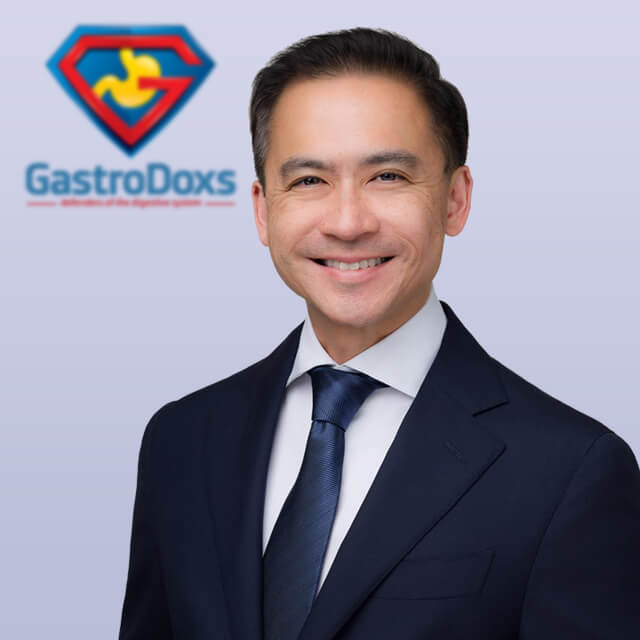
Dr. Scott Liu, MD, is a board-certified gastroenterologist with over six years of experience and a background in military medicine. He earned his medical degree from the University of Maryland, Baltimore, completed his Internal Medicine residency at Naval Medical Center Portsmouth, and finished his Gastroenterology fellowship through the National Capital Consortium. Dr. Liu provides comprehensive care for a broad range of digestive conditions, including abdominal pain, acid reflux, liver disease, chronic diarrhea, and colon cancer screening. He is a member of the American College of Gastroenterology and is known for his disciplined, patient-focused approach and clear communication.
He examines your symptom history, stoolal history, victim, stomachache, diet, and medications as well as family history of GI disorders.
Stool and Laboratory Tests
Comprehensive stool studies include:
Fecal lactoferrin and calprotectin to detect intestinal inflammation
Occult blood testing for hidden bleeding
Fecal fat analysis to evaluate malabsorption
Blood Tests
Blood work checks for anemia, inflammatory markers (CRP, ESR), pancreatic and liver enzyme levels, and nutritional deficiencies.
Imaging Studies
Abdominal ultrasound to assess the liver, gallbladder, pancreas, and detect fluid or masses
CT scan or MRI enterography for detailed visualization of bowel wall and surrounding tissues
Endoscopic Evaluation
The ulcers or gastritis of the esophagus, stomach, and duodenum can be examined directly with upper endoscopy. Colonoscopy is the investigation of the colon and terminal ileum, and biopsies are indicated.
Advanced Testing (if needed)
In case of inconclusive results with the use of standard tests, Dr. Scott may suggest:
Capsule endoscopy to visualize the small intestine
Motility studies for suspected functional disorders
Endoscopic ultrasound for detailed assessment of the pancreaticobiliary system
Treatment
Our Team offers a full range of care for fecal abnormalities.
Lifestyle and Diet Changes
Consume small proper meals of lower amounts of fat.
Increase intake of water in order to be hydrated.
Do not take spicy foods, caffeine, and alcohol.
Trace the foods causing symptoms using a food diary.
Dr. Scott Liu, MD, is a board-certified gastroenterologist with over six years of experience and a background in military medicine. He earned his medical degree from the University of Maryland, Baltimore, completed his Internal Medicine residency at Naval Medical Center Portsmouth, and finished his Gastroenterology fellowship through the National Capital Consortium. Dr. Liu provides comprehensive care for a broad range of digestive conditions, including abdominal pain, acid reflux, liver disease, chronic diarrhea, and colon cancer screening. He is a member of the American College of Gastroenterology and is known for his disciplined, patient-focused approach and clear communication.
Frequently Asked Questions
What is the interpretation of a positive lactoferrin test of the feces?
A positive lactoferrin result is a sign that shows that there is inflammation in the intestines and this effort may be due to IBD or an infectious process.
What is the time of fecal fat test?
You need to think about fecal fat test in case stools are oily or floating in the toilet or you are losing weight unintentionally.
What do you do when bowel movements are abnormal?
The therapy is different but may involve alteration of diet, use of drugs, and in extreme cases, minor surgeries.
ICD-10 code of fecal abnormalities?
The code of ICD-10 which covers other feces abnormalities is R19.4.
Will diet assist in fatty stools?
Yes. Fatty stool can be improved with a reduction of dietary fat and with the help of pancreatic enzyme supplements.
What is the very soonest I can make an appointment?
A majority of the new patients will be attended during the one-week period on the date of their first visit.
Related Blogs
When Is Abdominal Pain a Sign of Ulcerative Colitis?