1.9K Reviews | 4.7 Star Rating | 20+ years of experience | 72k+ Patients Treated
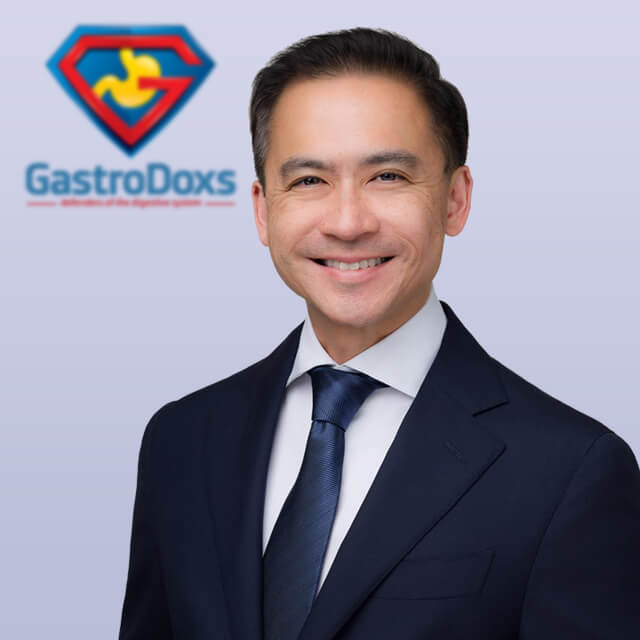
Top Angiodysplasia Gastroenterologist - Dr. Scott Liu
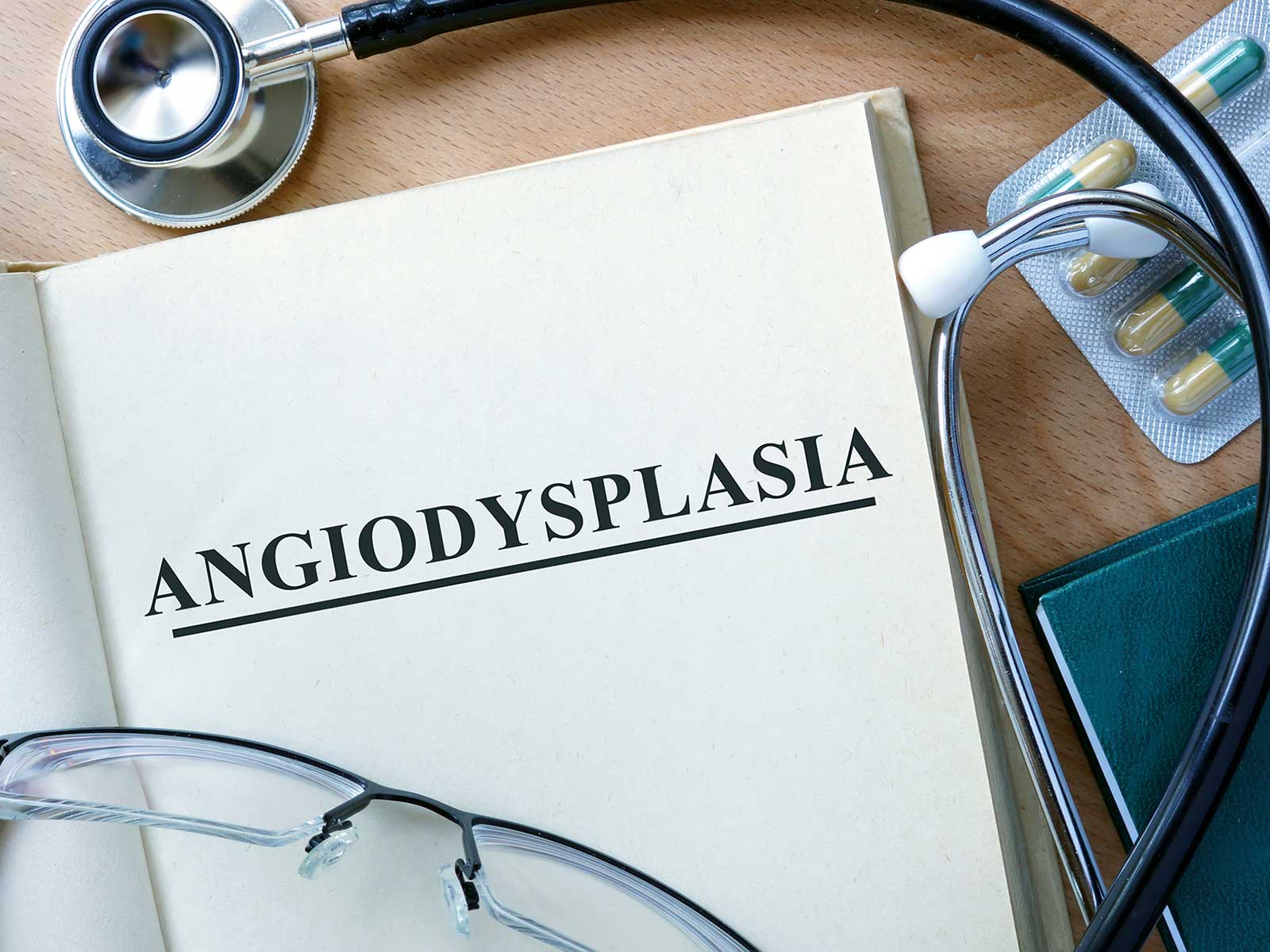
Angiodysplasia occurs when the weak blood vessels within the digestive tract are weakened and they burst, thereby causing anemia. Dr. Scott of GastroDoxs in Houston is an expert in colon and small bowel angiodysplasia diagnosis and treatment with the most recent endoscopic and imaging and minimally invasive techniques.
Dr. Scott Liu, MD, is a board-certified gastroenterologist with over six years of experience and a background in military medicine. He earned his medical degree from the University of Maryland, Baltimore, completed his Internal Medicine residency at Naval Medical Center Portsmouth, and finished his Gastroenterology fellowship through the National Capital Consortium. Dr. Liu provides comprehensive care for a broad range of digestive conditions, including abdominal pain, acid reflux, liver disease, chronic diarrhea, and colon cancer screening. He is a member of the American College of Gastroenterology and is known for his disciplined, patient-focused approach and clear communication.
What Is Angiodysplasia?
Angiodysplasia is an issue in which tiny blood vessels leading to the lining of the colon or small intestine weaken and therefore, can easily bleed. Most chronic bleeds often result in iron deficiency and anemia in the absence of the early symptoms.
Common Causes and Risk Factors
Age over 60.
Chronic kidney disease.
Diseases of heart valves (e.g. aortic stenosis).
History — gastrointestinal bleeding.
The use of blood thinners or NSAIDs (ibuprofen, etc.).
Signs and Symptoms
Stool contains red blood — dark or bright.
Feeling tired or weak.
Painful breathing as a result of iron deficiency.
Lightheadedness or fainting.
Discomfort in the belly or stomach.
How Dr. Scott Diagnoses This Condition?
Dr. Scott uses a step-by-step approach:
Medical History and Exam
He reviews your case of GI bleeding periods, history of symptoms, medications (blood thinners/NSAIDs) and risk factors such as age, kidney disease or heart valve issues.
Blood Tests
The extent of anemia is ascertained by full blood count and iron analysis and other blood-bleeding conditions are eliminated by coagulation samples.
Imaging Studies
Colonoscopic observation of the large intestine in angiodysplasia.
Detailed examination of small bowels: Capsule endoscopy.
CT angiography to determine the locations of active bleeding and vascular mapping.
Advanced Testing (if needed)
Before intervention, mesenteric angiography or tagged red blood cell scan can be used to localise intermittent bleeding.
Treatment
```html
Our Team offers a full range of care for angiodysplasia of the colon & small bowel.
1. Lifestyle and Diet Modifications
Take more red meat, beans and spinach which are iron rich foods.
Take water in large amounts to sustain the overall gut wellness.
It is best to avoid NSAIDs and alcohol to the best of your ability to reduce risk of bleeding.
2. Medications
Pills or liquids that are used to suppress anemia.
Octreotide or other drugs to decrease the amount of bleeding.
Strict attention to blood thinners by specialists.
3. Minimally Invasive or Surgical Options
Minimal Invasive or Surgical.
Treatment Endoscopic therapy (plasma or laser) to seal bleeding vessels.
Clogging of problematic vessels with an angiographic embolization.
Less invasive responses were not responded to, and surgery resection was applied.
Dr. Scott Liu, MD, is a board-certified gastroenterologist with over six years of experience and a background in military medicine. He earned his medical degree from the University of Maryland, Baltimore, completed his Internal Medicine residency at Naval Medical Center Portsmouth, and finished his Gastroenterology fellowship through the National Capital Consortium. Dr. Liu provides comprehensive care for a broad range of digestive conditions, including abdominal pain, acid reflux, liver disease, chronic diarrhea, and colon cancer screening. He is a member of the American College of Gastroenterology and is known for his disciplined, patient-focused approach and clear communication.
Frequently Asked Questions
Which is the difference between colon and small bowel angiodysplasia?
Colon angiodysplasia is a disorder that affects the large intestine, while small bowel angiodysplasia affects the small intestine. Both conditions can cause internal bleeding and may require multiple diagnostic tests.
Which symptoms should one be aware of?
Be aware of black or bright red stools, dizziness, fatigue, or breathlessness — these may indicate internal bleeding.
How long does treatment take?
Endoscopic therapies typically take less than an hour. Recovery usually takes only a few days, depending on the procedure.
Can diet stop the bleeding?
Diet alone cannot prevent bleeding, but consuming iron-rich foods and avoiding gastrointestinal irritants helps improve healing and manage anemia.
Is angiodysplasia serious?
Unmanaged angiodysplasia can lead to severe anemia and complications, but with proper medical care, it can be effectively controlled.
There is a referral to Dr. Scott?
No referral is needed. You can schedule an appointment directly at our Houston clinic.
Will I be covered on my diagnosis and treatment?
Most insurance plans cover angiodysplasia diagnosis and treatment. Our team will help verify your benefits and assist with the approval process.
Related Blogs
Gas Pain vs Gallstones: How to Tell the Difference