1.9K Reviews | 4.7 Star Rating | 20+ years of experience | 72k+ Patients Treated
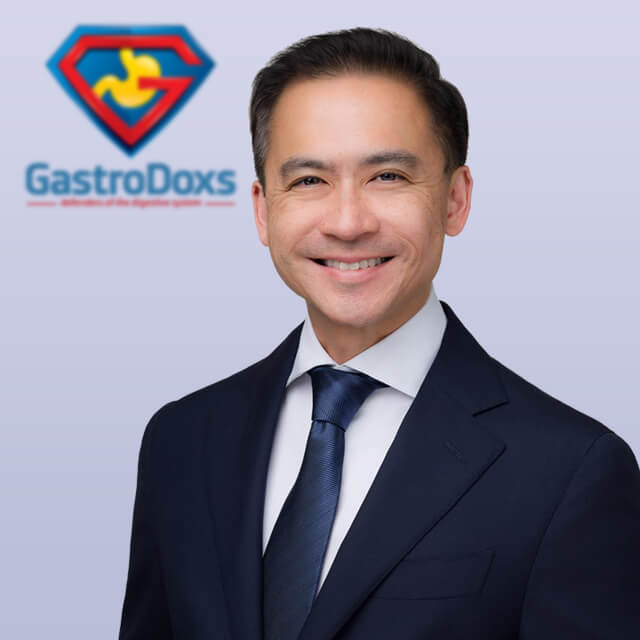
Anemia Gastroenterologist - Dr. Scott Liu
Anemia can be energy-draining and affect the daily life. GastroDoxs in Houston is a board-certified gastroenterologist, Dr. Scott, who provides a broad range of anemia treatment such as proper diagnosis and special dietary guidance to the complicated treatments. Determine personalized methods of healing your body and life up to the current state of health.
Dr. Scott Liu, MD, is a board-certified gastroenterologist with over six years of experience and a background in military medicine. He earned his medical degree from the University of Maryland, Baltimore, completed his Internal Medicine residency at Naval Medical Center Portsmouth, and finished his Gastroenterology fellowship through the National Capital Consortium. Dr. Liu provides comprehensive care for a broad range of digestive conditions, including abdominal pain, acid reflux, liver disease, chronic diarrhea, and colon cancer screening. He is a member of the American College of Gastroenterology and is known for his disciplined, patient-focused approach and clear communication.
Common Causes and Risk Factors
Blood loss (heavy menstrual periods, gastrointestinal tract ulcers).
Poor iron (celiac disease, abdominal surgery) intake.
The chronic diseases (kidney disease, cancer).
Vitamin B12 or folate deficiency.
Blood disorders that are inherited in the family history.
Signs and Symptoms
Frequent exhaustion or a lack of energy.
Pale skin, lips, or gums.
Lightheadedness or dizziness.
Pneumpnea, exertional dyspnea.
Cold hands and feet.
Fast or irregular heartbeat.
How Dr. Scott Diagnoses This Condition?
Dr. Scott uses a step-by-step approach:
Medical History and Physical Exam
He will discuss the beginning of your epigastric pain, the localization, the character, the duration, aggravating or relieving as well as your diet, medications, alcohol consumption and associated symptoms nausea, vomiting, heartburn, or loss of weight.
Laboratory Tests
To investigate the probability of anemia, liver, pancreatic enzyme (amylase/lipase) and non-invasive testing of H. pylori in case of the presence of an ulcer, we request a complete blood count (CBC).
Imaging and Endoscopy
Endoscopy (EGD) of stomach and duodenum to visually inspect the esophagus, gastritis, ulcers and atrophies of stomach and duodenum to investigate changes or masses of esophagus caused by reflux.
Ultrasound of the abdominal area to investigate gallbladder disease, complications of the biliary tract or pancreatic anomalies.
Advanced Testing (if needed)
Where initial tests are inconclusive, Dr. Scott may request CT scan of abdomen, gastric emptying test of gastroparesis or conduct a capsule endoscopy as a way of investigating the small intestine in the event of ambiguous sources of pain or bleeding.
Treatment
Our Team offers a full range of care for anemia.
1. Lifestyle and Diet Modifications
To eat more of lean meats, poultry, and seafood.
Beans, lentils, and dark leafy greens are some examples of plant foods that contain large amounts of iron.
Whole grains and iron enriched cereals.
Eating citrus fruits (vitamin C) together with iron sources (bell pepper).
Failure to take tea or coffee during lunch or dinner that could inhibit iron absorption.
2. Medications
Oral iron (e.g., ferrous sulfate, ferrous gluconate) based on the recommendations of the country.
Deficiency with vitamin B12 treated as either pills or injections.
Folic acid supplements were used to treat folate deficiency.
3. Minimally Invasive or Advanced Procedures
Blood transfusion to rescue the extreme cases, who are in urgent need.
Endoscopy to diagnose and treat gastrointestinal bleeding (ulcers, polyps).
Small intestine Capsule endoscopy to identify small intestinal bleeding.
Dr. Scott Liu, MD, is a board-certified gastroenterologist with over six years of experience and a background in military medicine. He earned his medical degree from the University of Maryland, Baltimore, completed his Internal Medicine residency at Naval Medical Center Portsmouth, and finished his Gastroenterology fellowship through the National Capital Consortium. Dr. Liu provides comprehensive care for a broad range of digestive conditions, including abdominal pain, acid reflux, liver disease, chronic diarrhea, and colon cancer screening. He is a member of the American College of Gastroenterology and is known for his disciplined, patient-focused approach and clear communication.
Frequently Asked Questions
Which is the ICD-10 of iron deficiency anemia?
D50.9 is the ICD-10 code for iron deficiency anemia.
Can we cure anemia by diet?
Mild anemia can be managed using diet and supplements, though one should rule out bleeding or absorption issues before relying solely on dietary changes.
How fast do iron pills work?
Most patients start feeling more energetic in two to four weeks, but it typically takes two to three months to fully restore iron stores.
How do you know that it is a blood transfusion?
A transfusion is recommended in severe anemia when hemoglobin levels are very low or when potentially life-threatening symptoms occur, such as extreme fatigue or shortness of breath.
What are the tests that establish normocytic anemia?
A complete blood count (CBC) shows that the red blood cells are of normal size but reduced in number. Additional tests may be performed to determine the underlying cause.
Would he be good to refer me to Dr. Scott?
No referral is required. You can call GastroDoxs directly to schedule an appointment with Dr. Scott.
Are there side effects of the iron pills?
Some patients experience constipation or stomach upset. Dr. Scott can adjust the dosage or suggest alternative formulations to minimize side effects.