Weight Is Affecting Liver or Metabolic Health
Fatty liver, abnormal liver tests, diabetes risk, high cholesterol, or high blood pressure may improve with a coordinated weight plan.

 Medically Reviewed by
Dr. Bharat Pothuri, MD, FACG
| Updated 07-20-2026
Class 3 obesity is a chronic biological disease that can affect the liver, metabolism, sleep, mobility, heart, and digestive system. GastroDoxs provides medical weight management, digestive and liver risk review, and coordination when procedural care should be considered.
Class 3 obesity treatment works best when it addresses appetite biology, nutrition, sleep, medicines, mental health, movement, metabolic disease, and the digestive or liver complications that matter most to the patient. GastroDoxs GutRescue Mission™ helps turn those factors into a staged plan that may include medical weight management, anti-obesity medication, fatty liver care, reflux treatment, and bariatric referral when appropriate.
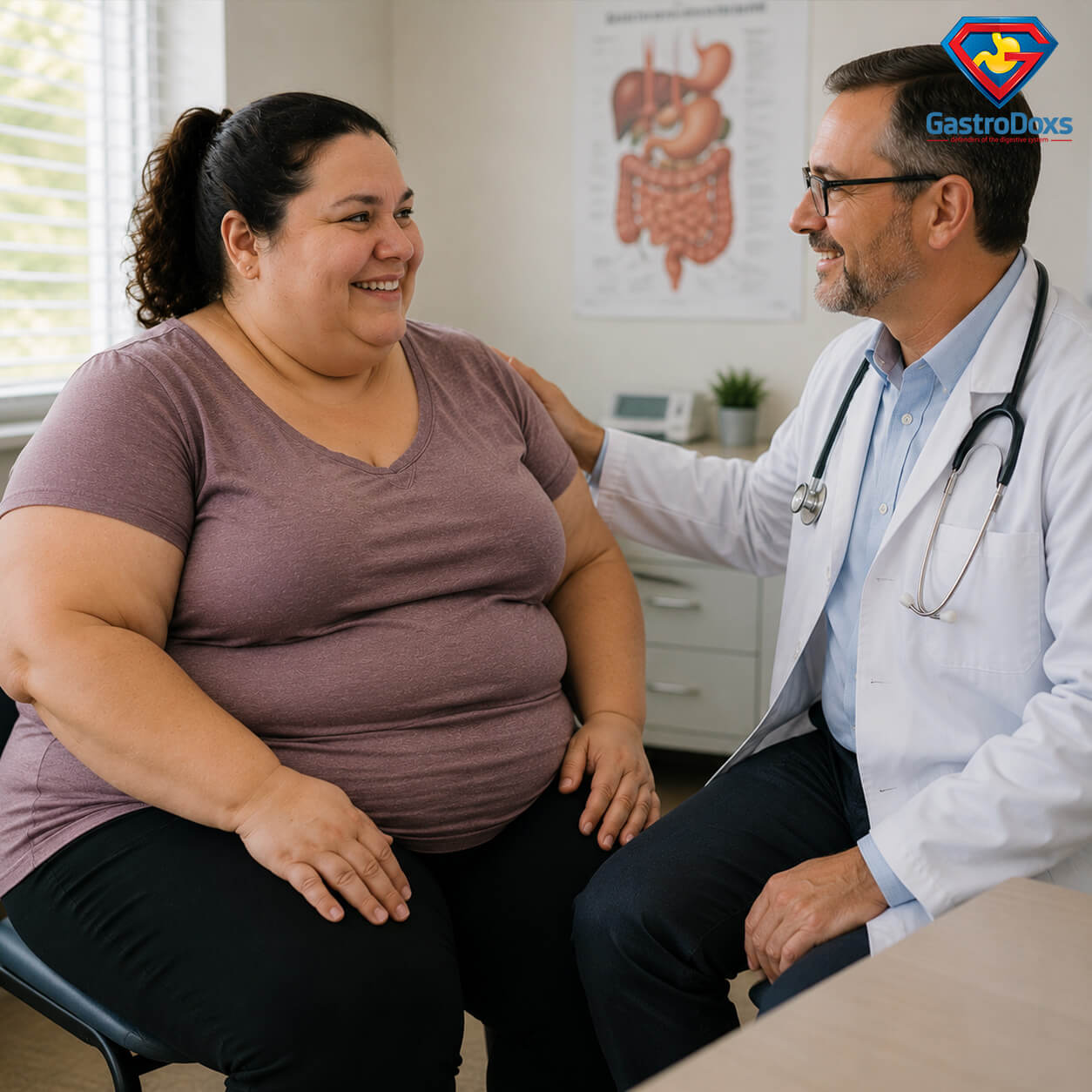
Weight treatment is connected with liver, digestive, metabolic, and medication risks.
We review weight history, appetite, nutrition, previous attempts, current medicines, sleep, mobility, and treatment preferences before selecting a plan.
Obesity can contribute to liver fat and scarring. The plan may include laboratory assessment, noninvasive fibrosis testing, and liver-focused follow-up.
Reflux, gallstones, bowel symptoms, food intolerance, and medication-related nausea or constipation are addressed as part of treatment.
When metabolic surgery may offer greater benefit, GastroDoxs can help organize digestive evaluation, records, and referral to an appropriate bariatric team.
A respectful assessment focused on health, function, and sustainable treatment.
Share major weight changes, pregnancy history, medicines, sleep, injuries, diets, previous programs, and periods of successful maintenance.
Bring A1C, cholesterol, liver tests, thyroid results, sleep-study findings, fatty liver imaging, and prior procedure records.
The plan may include nutrition therapy, activity adapted to ability, behavioral support, anti-obesity medication, digestive treatment, or procedural referral.
Follow-up tracks weight, waist, blood pressure, metabolic markers, liver risk, side effects, food tolerance, and functional improvement.
Your guardians. GastroDoxs GutGuardians™ is our team of gastroenterologists board-certified by the American Board of Internal Medicine (ABIM) - a physician-led defense force of specialists, systems, and solution pathways working together to protect, detect, solve, and defend your digestive health through expert GI evaluation, advanced diagnostic screening, and endoscopic evaluation - commanded from your first concern to your last follow-up, and every critical stage in between.
Your rescue plan. When your diagnosis is confirmed, GastroDoxs GutRescue Mission™ deploys at full force - a gastroenterologist-led intervention plan delivering advanced colonoscopy, upper endoscopy, capsule endoscopy, and precision biologic and medication management across the full range of digestive conditions and complex GI emergencies - fighting for you with everything we have.
Schedule medical care when weight is affecting health, function, or treatment options.
Fatty liver, abnormal liver tests, diabetes risk, high cholesterol, or high blood pressure may improve with a coordinated weight plan.
Weight regain is common because the body adapts. Medical therapy may address appetite and metabolic drivers that diet alone does not.
Reflux, nausea, constipation, gallstones, food intolerance, or medication side effects can be incorporated into treatment decisions.
A GI-focused review can clarify liver, reflux, endoscopy, medication, and nutrition issues that may affect procedural planning.
GastroDoxs provides medical weight management and evaluates obesity-related digestive and liver conditions. Bariatric surgery is performed by a bariatric surgical team; GastroDoxs can help with GI assessment, endoscopic needs, liver risk, and referral coordination.






GastroDoxs provides medical weight management, obesity-related liver and digestive evaluation, anti-obesity medication planning when appropriate, and referral coordination for metabolic procedures. Acute cardiopulmonary or neurologic symptoms require emergency care.
Look for a medical weight-management program that evaluates metabolic, liver, digestive, sleep, medication, and nutrition factors and can coordinate bariatric referral when needed. GastroDoxs provides medical and GI-focused weight care.
The best program is an accredited bariatric center with experienced surgeons, nutrition support, medical risk assessment, psychological evaluation, and lifelong follow-up. GastroDoxs can coordinate GI and liver evaluation before referral.
Start with a clinician experienced in obesity medicine or medical weight management. A gastroenterologist or hepatologist helps when fatty liver, reflux, gallstones, or digestive symptoms are important. A bariatric surgeon evaluates surgery.
Surgery often produces the largest and fastest average weight loss, but it is not automatically the safest or best choice for every patient. Medical risk, readiness, procedure type, and lifelong follow-up matter.
Sleeve gastrectomy and gastric bypass are common, but safety depends on the patient and the surgical team. Reflux, diabetes, prior surgery, eating pattern, medicines, and nutritional risk influence selection.
Treatment should begin promptly when obesity is worsening diabetes, sleep apnea, liver disease, mobility, heart risk, or daily function. Acute chest pain, breathing difficulty, or clot symptoms require emergency care.
Many people achieve meaningful health and weight improvement with intensive lifestyle treatment and anti-obesity medication. The amount and durability vary, and some patients benefit more from surgery.
Risks may increase for diabetes, heart disease, sleep apnea, fatty liver, kidney disease, joint problems, infertility, reflux, gallstones, and certain cancers.
Programs commonly review blood counts, metabolic and liver tests, A1C, nutrition markers, heart and sleep risk, medication history, and psychological readiness. Endoscopy or other tests are used when indicated.
An endocrinologist or obesity-medicine clinician evaluates medical causes and medication treatment. A bariatric surgeon evaluates procedural options. Many patients benefit from both, with GI or liver input when relevant.
Recovery depends on procedure, surgical approach, health conditions, and complications. Many patients resume light activity within weeks, but diet progression and long-term nutritional monitoring continue much longer.
Coverage varies by plan. Some policies cover medical weight visits, medications, or bariatric surgery only after specific criteria, referrals, or documented treatment attempts. Benefits should be verified directly.
Programs may use a short preoperative high-protein, calorie-controlled or liver-reduction diet. The exact plan comes from the bariatric team and should not be copied from a generic internet schedule.
Neither is universally better. Gastric bypass may offer advantages for severe reflux or diabetes in some patients, while sleeve gastrectomy may have a different risk and nutrition profile. Individual evaluation is essential.
Complications include diabetes, cardiovascular disease, high blood pressure, sleep apnea, fatty liver and fibrosis, kidney disease, osteoarthritis, reflux, gallstones, infertility, and some cancers.
Yes. Severe obesity increases insulin resistance, inflammation, blood pressure, lipid abnormalities, and other pathways that raise diabetes and cardiovascular risk.
Book a GastroDoxs visit for medical weight management, fatty liver or digestive risk review, medication planning, and bariatric referral coordination. Emergency symptoms should be handled immediately.



