Scans Were Normal but Pain Continues
Persistent right-sided or lower abdominal pain may need GI evaluation after appendicitis is ruled out.

 Medically Reviewed by
Dr. Bharat Pothuri, MD, FACG
| Updated 03-17-2026
Appendicitis can become an emergency. GastroDoxs helps with non-emergency GI follow-up, scan review, persistent abdominal pain evaluation, and coordination after urgent care.
Appendicitis treatment is usually handled urgently by emergency physicians and surgeons, not through a routine GI appointment. GastroDoxs GutRescue Mission™ helps patients understand when to seek emergency care, when GastroDoxs can help with appendicitis-like symptoms, and how follow-up is planned after scans, surgery, or hospital discharge.
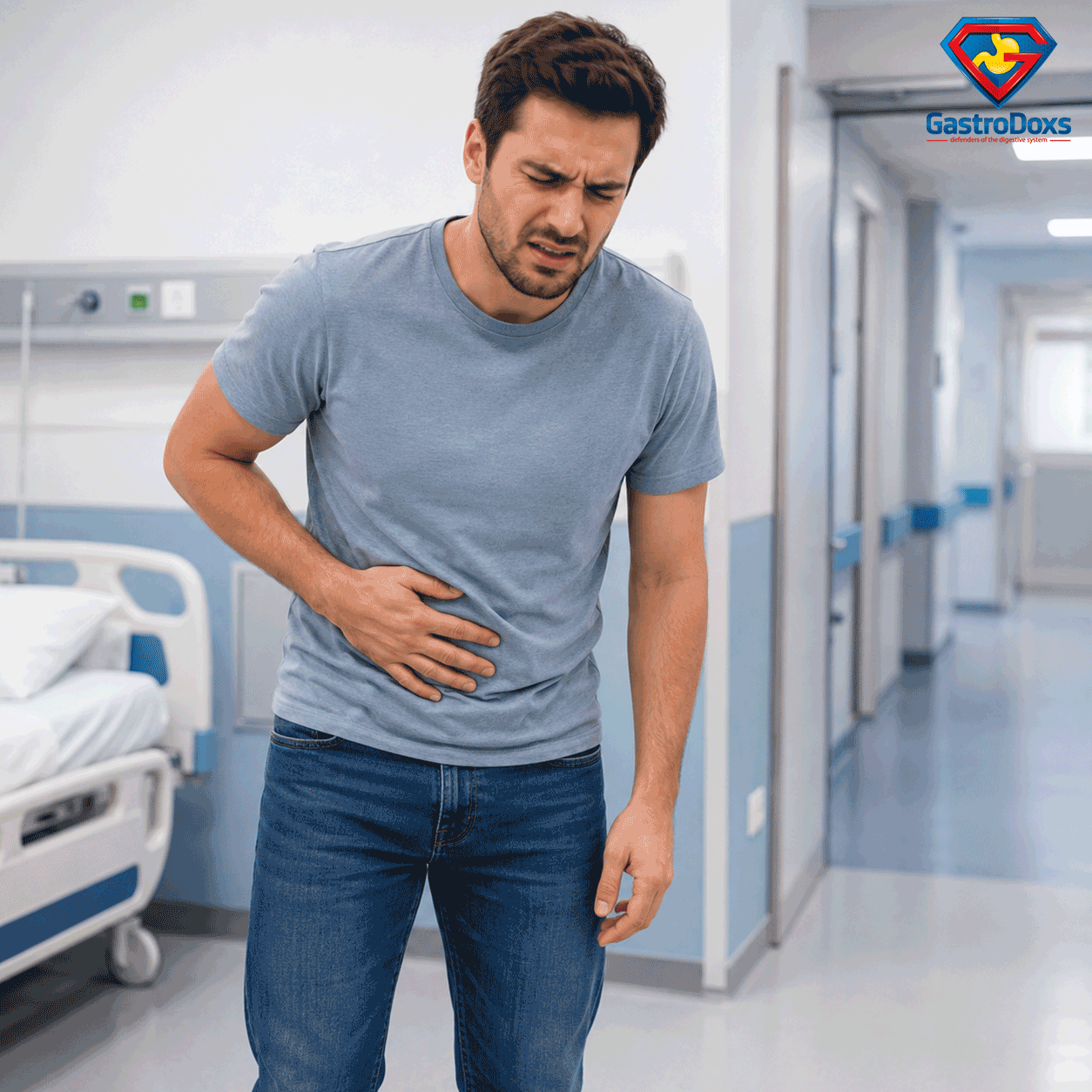
We help patients who still need answers after emergency causes have been ruled out, scans are normal, or abdominal pain continues.
We help separate symptoms that need emergency care from abdominal pain that can be evaluated in a GI setting.
Our team can review prior CT, ultrasound, labs, hospital notes, and discharge instructions to guide the next step.
Crohn disease, IBS, constipation, diverticulitis, gallbladder disease, urinary causes, and other GI conditions can mimic appendix pain.
Patients with lingering pain, bowel changes, nausea, or unclear imaging can schedule GI review after urgent problems are addressed.
A simple visit path for treatment planning and next-step clarity.
Tell us when pain started, where it moved, whether fever or vomiting occurred, and whether ER care was already completed.
Bring CT scan reports, ultrasound reports, labs, surgical notes, discharge papers, and medication lists.
We review whether symptoms fit a digestive condition, post-treatment issue, or need urgent/surgical follow-up.
Your plan may include monitoring, additional testing, colonoscopy discussion, medication review, or referral when needed.
Your guardians. GastroDoxs GutGuardians™ is our team of gastroenterologists board-certified by the American Board of Internal Medicine (ABIM) - a physician-led defense force of specialists, systems, and solution pathways working together to protect, detect, solve, and defend your digestive health through expert GI evaluation, advanced diagnostic screening, and endoscopic evaluation - commanded from your first concern to your last follow-up, and every critical stage in between.
Your rescue plan. When your diagnosis is confirmed, GastroDoxs GutRescue Mission™ deploys at full force - a gastroenterologist-led intervention plan delivering advanced colonoscopy, upper endoscopy, capsule endoscopy, and precision biologic and medication management across the full range of digestive conditions and complex GI emergencies - fighting for you with everything we have.
Schedule GI care only after emergency symptoms have been addressed or ruled out.
Persistent right-sided or lower abdominal pain may need GI evaluation after appendicitis is ruled out.
Ongoing bowel changes, nausea, bloating, or pain after surgery may need follow-up.
Recurring symptoms may come from inflammatory bowel disease, constipation, ovarian or urinary issues, diverticular disease, or other causes.
If you left urgent care or the ER without a clear explanation, GastroDoxs can help review records and plan the next step.
Appendicitis is a surgical emergency when suspected. GastroDoxs provides GI evaluation for persistent or unclear abdominal symptoms after emergency causes are excluded, and coordinates referrals when surgical or urgent care is needed.






GastroDoxs provides non-emergency GI evaluation for persistent abdominal pain, post-hospital digestive symptoms, scan review, and appendix-like symptoms after urgent conditions have been addressed.
Most confirmed appendicitis cases are treated with appendectomy, but selected uncomplicated cases may sometimes be managed with antibiotics under surgical guidance. Treatment decisions are made in an emergency or surgical setting, not during a routine GI appointment.
Recovery varies based on whether treatment was laparoscopic surgery, open surgery, antibiotic management, or complicated appendicitis with rupture or abscess. Many patients recover within a few weeks, but complicated cases can take longer.
Yes. Appendicitis can occur at any age, including adulthood and older age, though it is more common in younger people.
If pain becomes severe, moves to the lower right abdomen, is associated with fever or vomiting, or prevents standing upright, seek emergency care immediately.
Choose GastroDoxs for non-emergency follow-up when appendicitis has been ruled out, scans are unclear, or symptoms may be related to another GI condition. Suspected acute appendicitis should go to the ER.
GastroDoxs can review prior scan reports and evaluate other digestive causes of pain. If symptoms suggest active appendicitis despite prior normal scans, urgent reassessment may be needed.
If appendicitis is suspected, go to the emergency department rather than waiting for a clinic appointment. GastroDoxs can schedule follow-up for persistent or unclear symptoms after urgent issues are addressed.
A gastroenterologist does not remove the appendix. Appendicitis is usually treated by a surgeon. Gastroenterologists evaluate conditions that mimic appendicitis or symptoms that persist after emergency care.
Severe right-lower abdominal pain, fever, vomiting, fainting, rigid belly, pregnancy, worsening pain, or inability to walk upright should be evaluated urgently.
Pain may fluctuate early, but true appendicitis often worsens. Recurrent or intermittent appendix-like pain can come from other conditions and should be evaluated.
Early appendicitis can sometimes be difficult to diagnose. If symptoms worsen after a normal evaluation, return for urgent reassessment.
Bring CT or ultrasound reports, lab results, discharge papers, surgical notes, medication lists, and any follow-up instructions.
Yes. Crohn disease, constipation, diverticulitis, colitis, and other GI conditions can cause similar pain.
Yes. Non-emergency symptoms such as ongoing bowel changes, bloating, nausea, or abdominal discomfort after surgery may be appropriate for GI follow-up.
Avoid eating or drinking if appendicitis is strongly suspected because surgery or procedures may be needed. Seek emergency care.
For suspected appendicitis, seek emergency care. For persistent abdominal pain, normal scans with ongoing symptoms, or post-treatment GI concerns, book a GastroDoxs evaluation.



