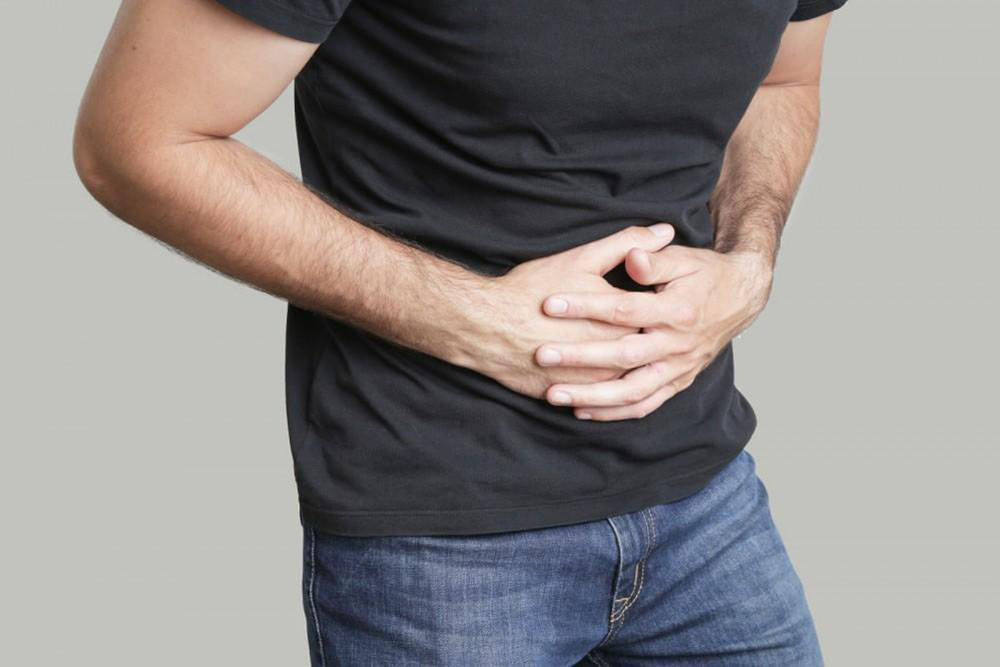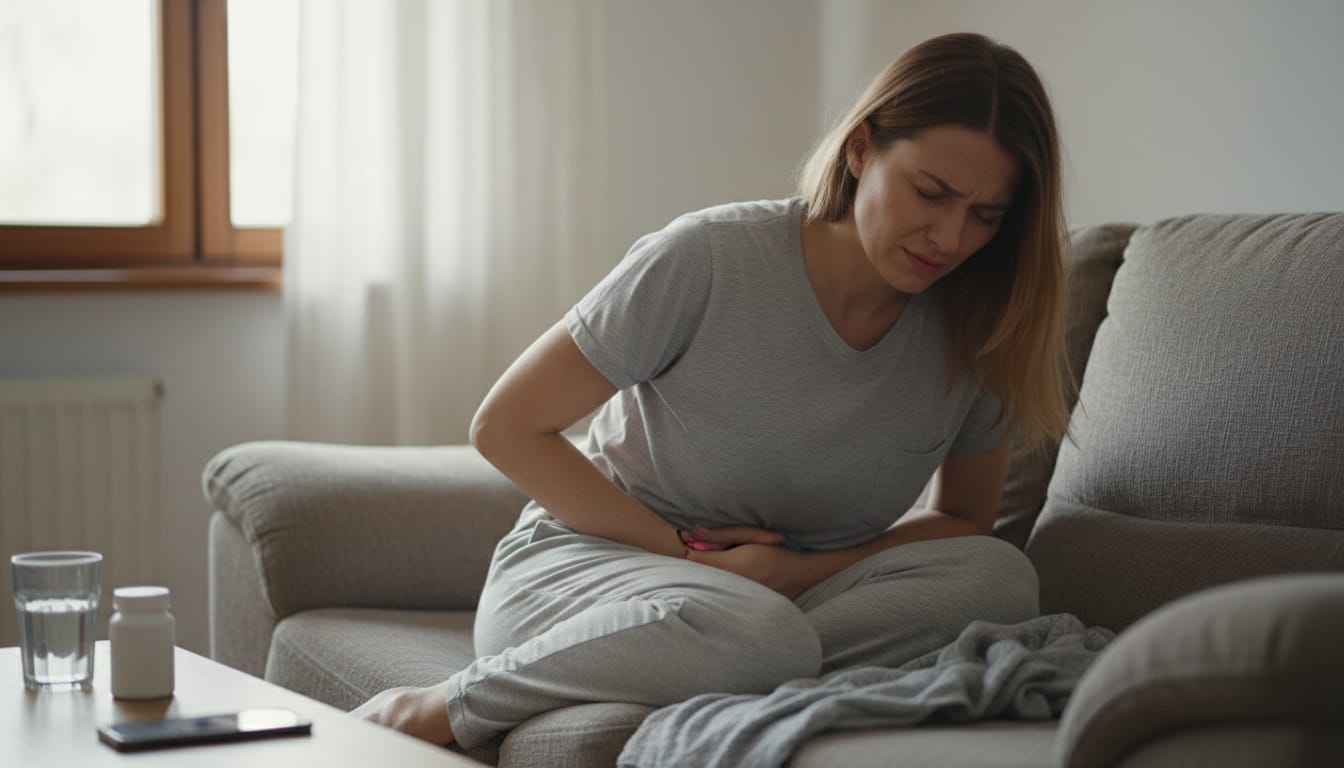








Abdominal pain after eating is a common complaint that many people experience at some point in their lives. While the pain may sometimes be mild and temporary, it can also indicate an underlying health condition that requires attention.
This comprehensive guide will explore why abdominal pain occurs after eating, common causes, symptoms to watch out for, and when to seek medical help. Whether you experience occasional discomfort or more persistent pain, understanding the root causes can help you take appropriate action and improve your digestive health.

Abdominal pain after eating can be caused by a variety of factors. Here are some of the most common causes:
Indigestion, also known as dyspepsia, is one of the most frequent causes of abdominal discomfort after eating. It occurs when the stomach has trouble processing food, leading to bloating, discomfort, or even nausea. This can happen if you eat too much, eat too quickly, or consume rich or fatty foods.
Symptoms of Indigestion:
Gastroesophageal reflux disease (GERD) is another common cause of abdominal pain after meals. GERD occurs when stomach acid moves into the esophagus, leading to discomfort in the chest and upper abdomen. This condition often worsens after eating large or fatty meals and can cause heartburn.
Symptoms of Acid Reflux:
If you have food intolerances (like lactose intolerance or gluten sensitivity), eating certain foods can trigger digestive distress. These intolerances prevent the body from properly digesting certain types of food, leading to bloating, gas, and discomfort after eating.
Common food intolerances:
Symptoms of Food Intolerances:
A peptic ulcer is a sore in the lining of the stomach or small intestine. These ulcers can cause pain after eating, especially if the stomach is empty or if you eat spicy or acidic foods. Ulcers are often caused by an infection with Helicobacter pylori bacteria or prolonged use of nonsteroidal anti-inflammatory drugs (NSAIDs).
Symptoms of Peptic Ulcers:
Gallstones are solid particles that form in the gallbladder and can block bile ducts, causing pain, especially after eating fatty foods. This pain typically occurs in the upper right side of the abdomen and may be accompanied by nausea.
Symptoms of Gallstones:
Irritable bowel syndrome (IBS) is a chronic condition that affects the large intestine and can cause abdominal pain, bloating, and changes in bowel habits. Symptoms of IBS often occur after eating and can vary in severity.
Symptoms of IBS:
Gastritis is the inflammation of the stomach lining, often caused by an infection, excessive alcohol use, or long-term use of NSAIDs. It can cause a dull or sharp pain in the upper abdomen, particularly after eating.
Symptoms of Gastritis:
If your body doesn’t produce enough lactase, the enzyme required to digest lactose (a sugar found in dairy products), you may experience lactose intolerance. Symptoms of lactose intolerance often appear 30 minutes to 2 hours after consuming dairy.
Symptoms of Lactose Intolerance:

While occasional abdominal discomfort after eating may not be a cause for concern, persistent or severe pain should not be ignored. If you experience the following symptoms along with abdominal pain, it’s important to see a doctor:
In these cases, early diagnosis can help prevent complications and guide you toward the proper treatment.
To diagnose the cause of abdominal pain after eating, your doctor will perform a physical exam and may recommend several diagnostic tests. These tests may include:
Blood tests can check for infections, inflammation, or imbalances, including liver function tests to rule out liver issues or H. pylori infection.
An endoscopy involves using a small camera to look inside the digestive tract. It’s used to diagnose ulcers, gastritis, and other issues in the stomach and upper digestive system.
An ultrasound can be used to detect gallstones, liver disease, and other abdominal conditions.
A CT scan or MRI provides detailed images of your abdominal organs and can help identify issues such as tumors or abscesses.
If you suspect lactose intolerance or another digestive issue, your doctor may recommend a breath test to measure how well you digest certain foods.
The treatment for abdominal pain after eating depends on the underlying cause. Here are some common treatment approaches:
In some cases, surgery may be necessary to treat conditions like gallstones or peptic ulcers if they are severe or recurrent.
While some causes of abdominal pain are unavoidable, making the following changes can help reduce your risk of experiencing pain:
Dr. Bharat Pothuri is a Board-Certified Gastroenterologist and Hepatologist. With extensive experience in digestive health, he specializes in advanced endoscopic procedures, chronic GI disorder management, and preventive care. Dr. Pothuri is dedicated to providing expert, patient-focused insights to help improve gut health and overall well-being.
Abdominal pain after eating is most commonly caused by indigestion, acid reflux, or food intolerances. However, it can also result from ulcers, gallstones, or other digestive disorders.
Yes. Excessive gas can build up in the stomach and intestines, leading to bloating and pain, especially after eating.
Feeling full quickly can occur due to indigestion, food intolerances, or gastric issues like ulcers or gallstones. It should not be ignored if it happens regularly.
Yes. Spicy food can irritate the stomach lining, especially if there’s an underlying condition like acid reflux or gastritis.
If your stomach pain is mild and occasional, you can try antacids, smaller meals, and avoiding trigger foods. If it persists or worsens, consult a doctor.
Yes. Stress can exacerbate gastrointestinal issues like acid reflux or irritable bowel syndrome, causing pain and discomfort after meals.
If the pain is severe, recurrent, or accompanied by other symptoms like vomiting, weight loss, or blood in your stool, you should seek medical attention immediately.
Yes. Acid reflux occurs when stomach acid backs up into the esophagus, causing discomfort in the chest and upper abdomen, especially after eating.
Yes. If you have lactose intolerance, consuming dairy products can cause abdominal pain, bloating, and diarrhea after eating.
Avoiding trigger foods, eating smaller meals, staying hydrated, and reducing stress can help prevent abdominal pain after eating.