What Is SIBO?
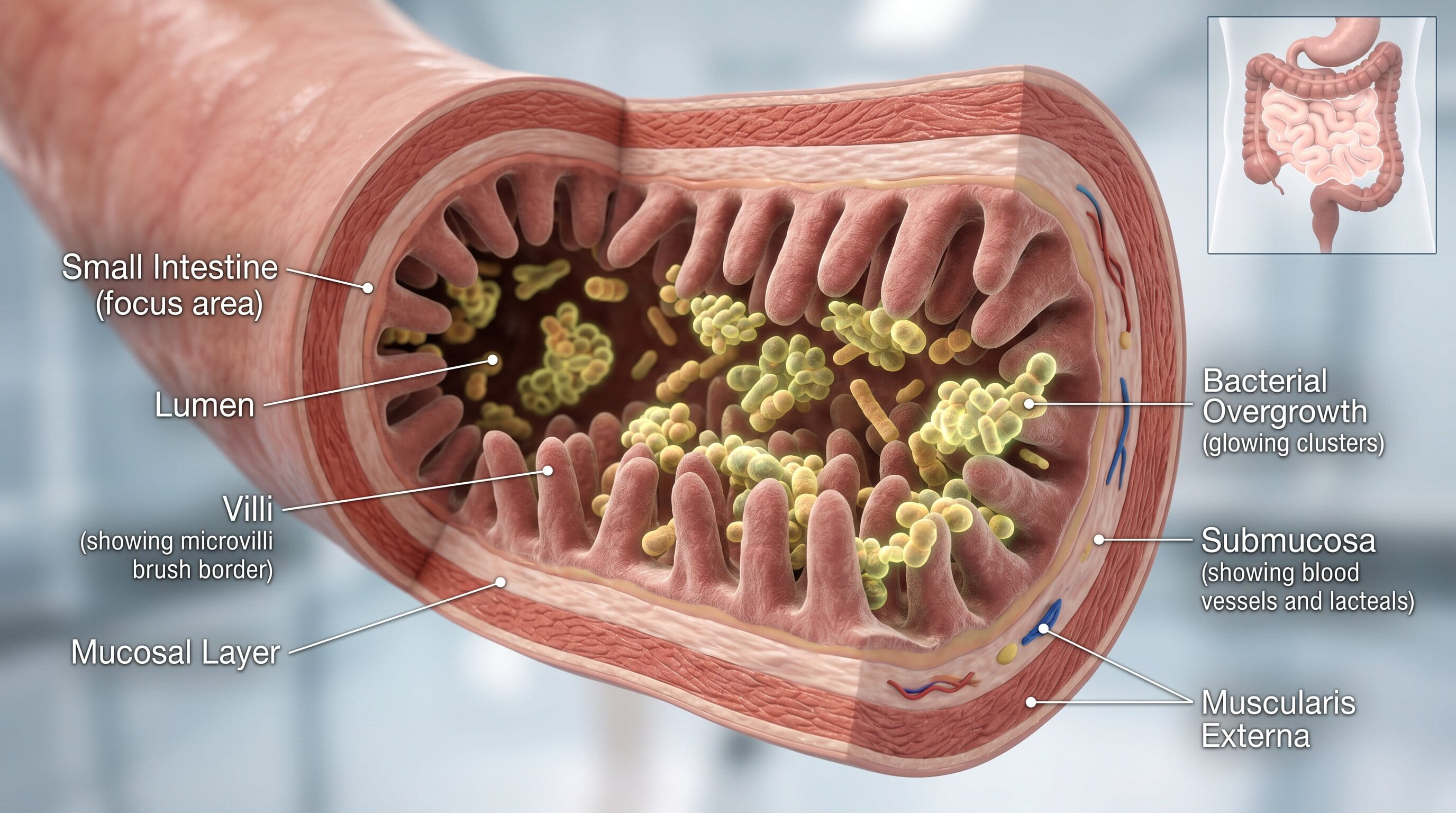
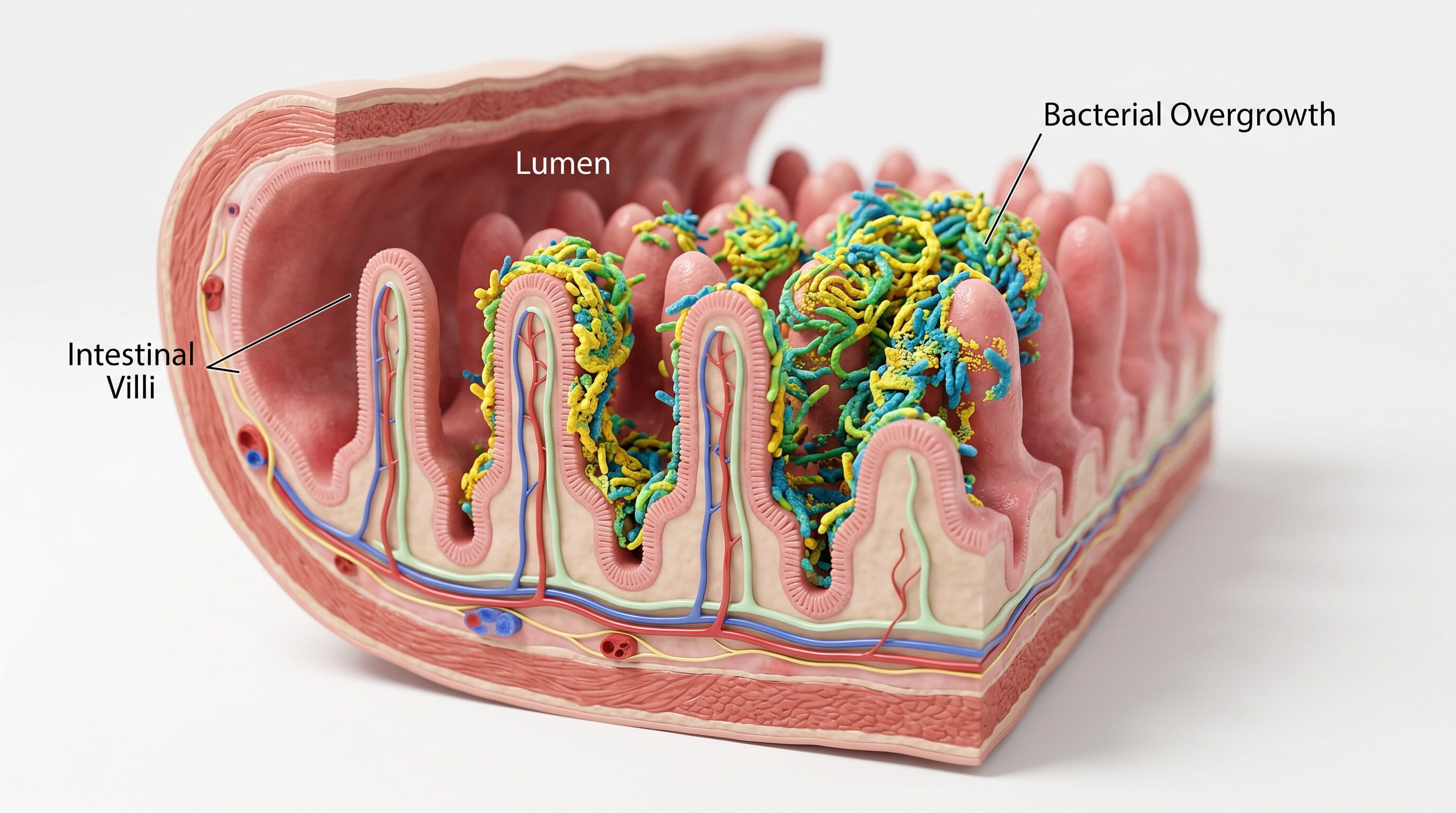
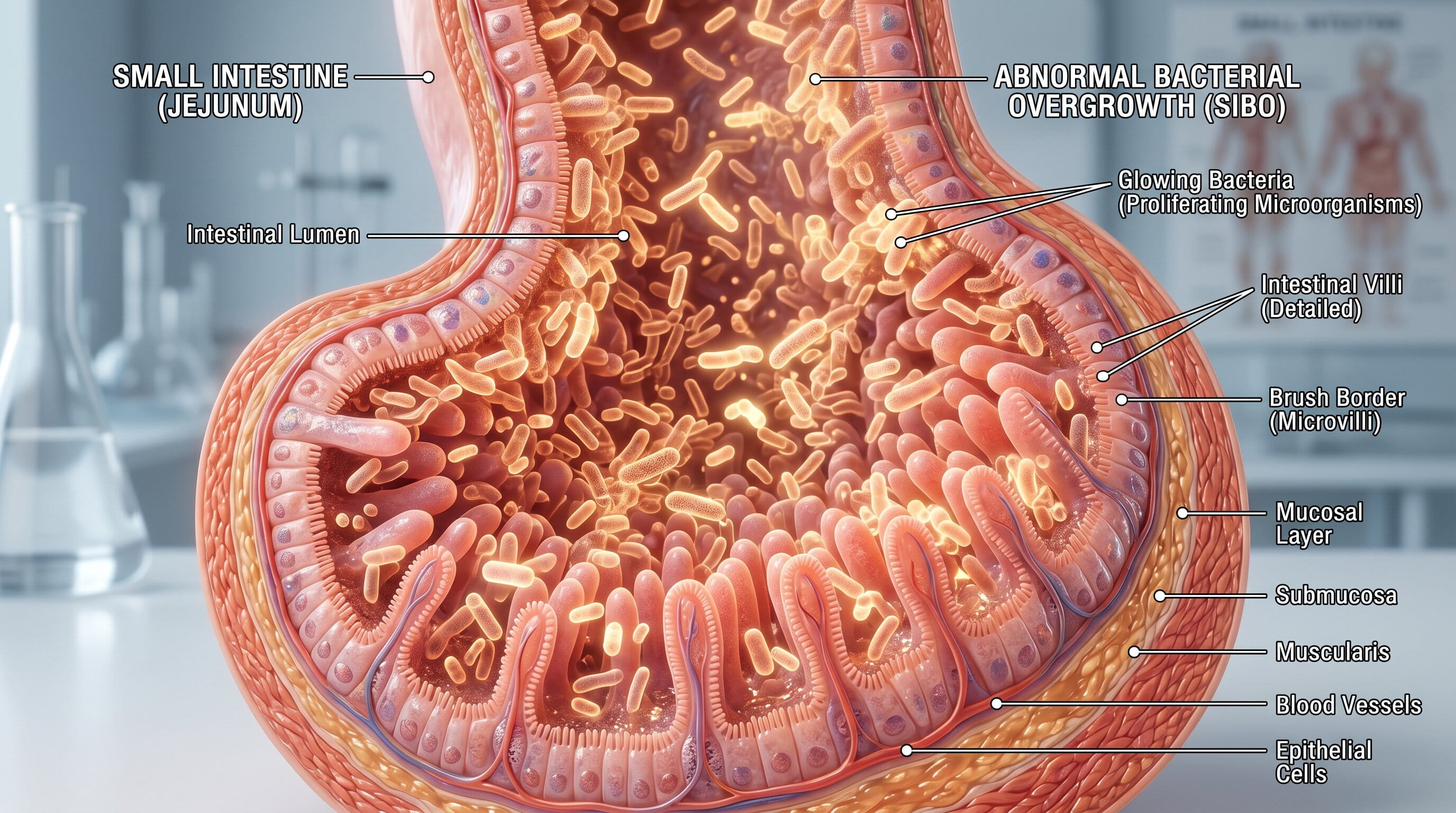
Small intestinal bacterial overgrowth, commonly called SIBO, happens when bacteria grow in higher-than-normal amounts inside the small intestine.
The small intestine is the part of the digestive tract where most nutrient absorption happens. It normally has fewer bacteria than the colon. When bacteria build up in the small intestine, they can ferment food too early, produce excess gas, irritate the gut, and interfere with normal digestion.
This can lead to symptoms such as bloating, gas, abdominal pain, diarrhea, constipation, nausea, fullness after eating, and nutrient absorption problems.
SIBO is not just ordinary indigestion. It often points to an underlying issue with gut movement, digestive anatomy, prior surgery, chronic disease, or intestinal function.
Why SIBO Is Often Missed
SIBO can be difficult to recognize because its symptoms overlap with many other digestive conditions.
It may look similar to:
- Irritable bowel syndrome
- Celiac disease
- Lactose intolerance
- Food intolerance
- Crohn’s disease
- Ulcerative colitis
- Pancreatic insufficiency
- Gallbladder-related digestive problems
- Chronic constipation
- Functional bloating
Many patients are told they have IBS or food sensitivity before SIBO is considered. This is why persistent bloating, gas, diarrhea, constipation, or unexplained abdominal discomfort should be evaluated carefully instead of treated with guesswork.
At Gastrodoxs, SIBO is evaluated as part of the larger digestive picture. The goal is not only to confirm bacterial overgrowth, but also to understand why it may be happening.
Common Symptoms of SIBO
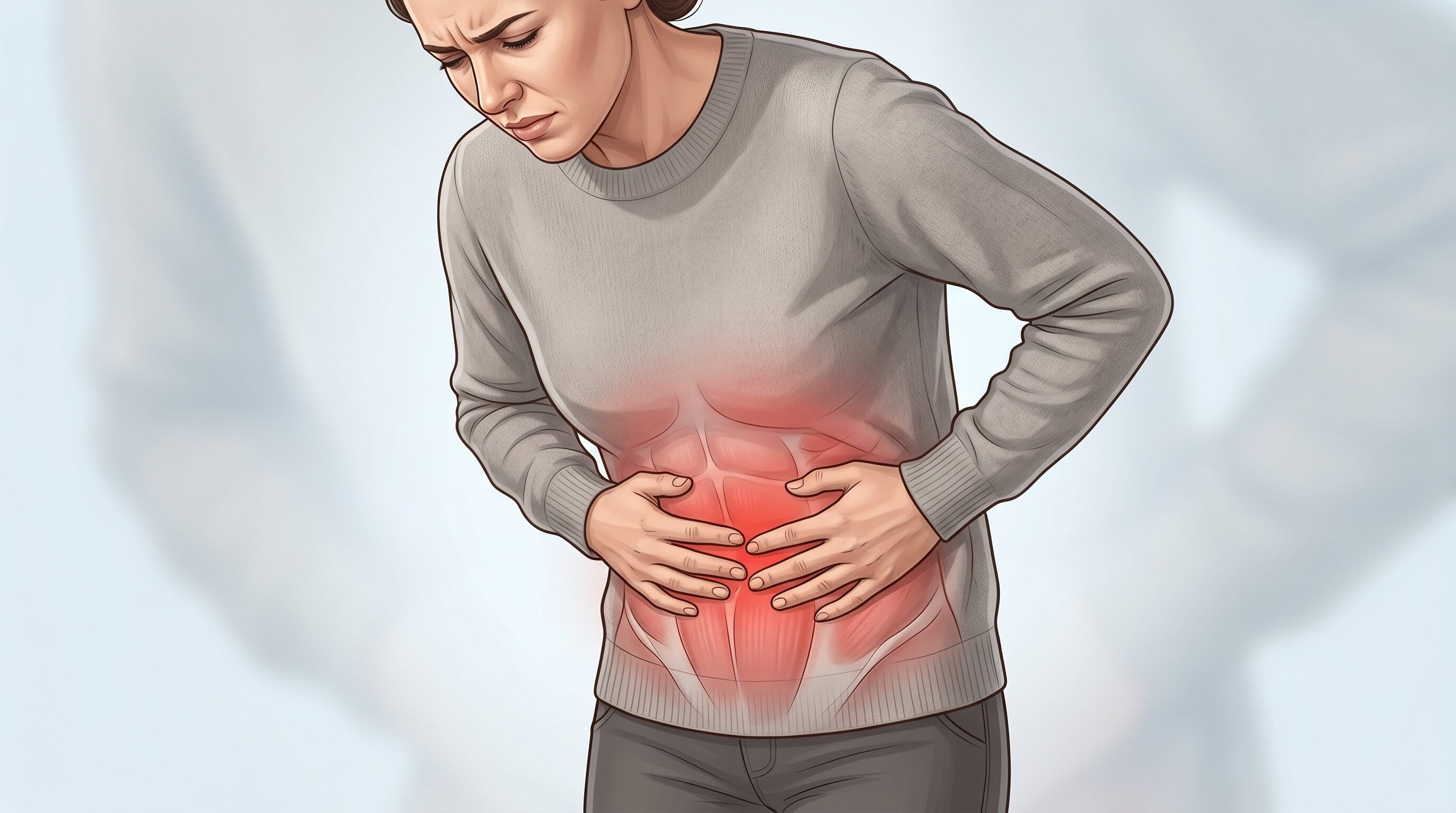
SIBO symptoms can vary from person to person. Some people mainly have bloating. Others have diarrhea, constipation, pain, or weight loss.
Common symptoms include:
- Bloating
- Excessive gas
- Abdominal pain
- Abdominal cramping
- Nausea
- Diarrhea
- Constipation
- Alternating diarrhea and constipation
- Feeling full quickly after eating
- Uncomfortable fullness after meals
- Loss of appetite
- Unintentional weight loss
- Fatigue
- Greasy or floating stools in some cases
- Nutrient deficiencies in more advanced cases
The most common complaint is often bloating that becomes worse after eating.
Some patients describe feeling normal in the morning but extremely bloated by the evening. Others notice symptoms after eating high-fiber foods, dairy, wheat, sweets, fruit, beans, garlic, onions, or certain carbohydrates.
Why SIBO Causes Bloating and Gas
Bloating happens because bacteria in the small intestine ferment food before it is fully absorbed.
During fermentation, bacteria produce gases. These gases can stretch the small intestine and cause pressure, fullness, visible swelling, and discomfort.
This is why patients with SIBO often feel worse after eating foods that contain fermentable carbohydrates.
However, this does not always mean the food itself is the root problem. The food may simply be feeding bacteria that are already present in the wrong place.
That distinction matters.
Removing more and more foods without proper testing can lead to nutritional restriction, food fear, and incomplete treatment.
SIBO and Diarrhea
SIBO can cause diarrhea when excess bacteria interfere with digestion and absorption.
Bacteria may affect bile salts, fat digestion, carbohydrate absorption, and intestinal lining function. This can lead to loose stools, urgency, and poor nutrient absorption.
SIBO-related diarrhea may be:
- Frequent
- Loose
- Urgent
- Worse after meals
- Associated with bloating
- Associated with weight loss in more serious cases
Persistent diarrhea should not be ignored, especially if it occurs with dehydration, fatigue, anemia, blood in stool, fever, or unexplained weight loss.
SIBO and Constipation
SIBO can also be linked with constipation.
Some patients have methane-predominant overgrowth, which may slow intestinal movement. This can lead to hard stools, bloating, straining, incomplete bowel movements, and lower abdominal pressure.
Constipation-related SIBO may feel like:
- Bloating after meals
- Trapped gas
- Incomplete evacuation
- Hard stools
- Slower bowel movements
- Worsening discomfort with fiber
This is one reason SIBO is sometimes confused with constipation-predominant IBS.
SIBO vs IBS: What Is the Difference?
SIBO and IBS can feel very similar, but they are not the same condition.
IBS is a functional bowel disorder that is diagnosed based on symptom patterns and exclusion of concerning causes. SIBO is bacterial overgrowth in the small intestine.
Both may cause:
- Bloating
- Gas
- Abdominal pain
- Diarrhea
- Constipation
- Food-triggered symptoms
The key difference is that SIBO may be confirmed through breath testing or other clinical evaluation, while IBS is usually diagnosed after other causes are considered.
Some patients with IBS-like symptoms may benefit from SIBO testing, especially if bloating is severe, symptoms started after surgery or infection, or standard IBS treatment has not helped.
What Causes SIBO?
SIBO usually develops when the body’s normal defenses against bacterial overgrowth are disrupted.
The small intestine normally controls bacterial levels through:
- Stomach acid
- Bile
- Pancreatic enzymes
- Normal intestinal movement
- The ileocecal valve
- Immune function
- Regular food movement into the colon
When one or more of these systems does not work properly, bacteria can build up.
Slow Intestinal Movement
Gut motility means the movement of food and waste through the digestive tract.
When the small intestine moves too slowly, bacteria have more time to stay, multiply, and ferment food.
Slow motility may happen with:
- Diabetes
- Hypothyroidism
- Scleroderma
- Chronic constipation
- Nerve-related digestive problems
- Certain medications
- Chronic opioid use
- Post-infectious digestive changes
A normal small intestine has a clearing pattern between meals that helps move bacteria and leftover food forward. When this clearing pattern is weak, SIBO risk may increase.
Previous Abdominal Surgery
Surgery can change the anatomy of the digestive tract.
Some operations can create areas where food slows down or bacteria collect. Scar tissue, adhesions, bypassed segments, or blind loops may increase the chance of bacterial overgrowth.
SIBO risk may be higher after:
- Gastric bypass
- Gastrectomy
- Bowel surgery
- Surgery for ulcers
- Surgery for cancer
- Surgery that leads to adhesions
- Surgeries that alter normal small intestine movement
Patients with bloating, diarrhea, or unexplained symptoms after abdominal surgery should be evaluated carefully.
Structural Problems in the Small Intestine
Structural changes can make it easier for bacteria to collect.
These may include:
- Adhesions
- Blind loops
- Small intestine diverticula
- Narrowed areas
- Fistulas
- Strictures
- Scar tissue
- Crohn’s-related narrowing
When food or fluid does not move smoothly through the small intestine, bacteria may multiply in stagnant areas.
Digestive Conditions
Several digestive diseases can increase SIBO risk by affecting inflammation, anatomy, absorption, or motility.
These include:
- Crohn’s disease
- Celiac disease
- Radiation enteritis
- Chronic pancreatitis
- Small bowel diverticulosis
- Prior bowel injury
- Intestinal strictures
If a patient has an existing digestive condition and develops new bloating, diarrhea, constipation, or weight loss, SIBO may be one of several possibilities to evaluate.
Diabetes
Diabetes can affect the nerves that control stomach and intestinal movement.
When digestion slows, bacteria may have more opportunity to grow in the small intestine.
Patients with diabetes may need SIBO evaluation if they have:
- Chronic bloating
- Nausea
- Early fullness
- Diarrhea
- Constipation
- Unexplained weight changes
- Poor appetite
- Recurrent digestive discomfort
Good diabetes control and digestive evaluation are both important when symptoms persist.
Low Stomach Acid
Stomach acid helps reduce bacteria that enter the digestive tract through food and drink.
When stomach acid is low, bacterial balance may change. Long-term acid suppression may be one possible factor in selected patients, but this should be reviewed carefully by a physician.
Patients should not stop prescribed acid-reducing medication without medical guidance.
Ileocecal Valve Dysfunction
The ileocecal valve sits between the small intestine and the colon.
It helps prevent colon bacteria from moving backward into the small intestine. If this barrier does not work well, bacteria from the colon may enter the small intestine more easily.
This can contribute to bacterial overgrowth in some patients.
How SIBO Affects Nutrient Absorption
The small intestine is where the body absorbs most nutrients.
When bacteria overgrow in this area, they can interfere with normal absorption. This may lead to deficiencies, weight loss, fatigue, or malnutrition in more advanced cases.
SIBO may affect:
- Fat absorption
- Carbohydrate absorption
- Protein digestion
- Vitamin B12 levels
- Fat-soluble vitamins
- Iron status in some patients
- Overall nutritional health
Possible signs of malabsorption include:
- Weight loss
- Greasy stools
- Floating stools
- Fatigue
- Weakness
- Numbness or tingling
- Poor appetite
- Low vitamin levels
Nutrient deficiency symptoms should always be reviewed by a medical provider.
When Should You Get Tested for SIBO?
SIBO testing may be appropriate when symptoms are persistent, recurrent, unexplained, or not improving with standard treatment.
You may need SIBO testing if you have:
- Chronic bloating
- Excessive gas
- Bloating that worsens after meals
- Chronic diarrhea
- Chronic constipation with bloating
- Alternating diarrhea and constipation
- Abdominal pain with gas
- Unexplained weight loss
- Nutrient deficiencies
- Symptoms after abdominal surgery
- Diabetes with digestive symptoms
- Crohn’s disease with bloating or diarrhea
- Celiac disease symptoms despite a gluten-free diet
- IBS symptoms that have not improved with standard care
SIBO testing is especially useful when symptoms are recurring and the cause is unclear.
How Is SIBO Diagnosed?
SIBO diagnosis begins with a detailed medical evaluation.
A gastroenterologist may review:
- Symptom pattern
- Stool changes
- Diet triggers
- Weight changes
- Prior surgery
- Medication use
- Diabetes history
- Thyroid history
- Crohn’s disease history
- Celiac disease history
- Previous imaging
- Previous endoscopy or colonoscopy
- Lab results
- Red flag symptoms
Testing depends on the patient’s history and symptoms.
Common evaluation may include:
- Hydrogen and methane breath testing
- Blood tests
- Stool testing
- Imaging
- Endoscopy when needed
- Colonoscopy when warning signs are present
- Testing for celiac disease or inflammatory bowel disease when appropriate
What Is a SIBO Breath Test?
A SIBO breath test is a non-invasive test that measures gases produced by bacteria.
During the test, the patient drinks a sugar solution, often glucose or lactulose. If bacteria in the small intestine ferment the sugar, they release gases such as hydrogen or methane.
These gases enter the bloodstream and are later released in the breath.
Breath samples are collected at timed intervals to measure the gas pattern.
Hydrogen-predominant patterns are often associated with diarrhea. Methane-predominant patterns are often associated with constipation.
The test helps identify whether bacterial overgrowth may be contributing to symptoms.
Why Testing Matters Before Treatment
SIBO symptoms overlap with many other digestive conditions.
Bloating, diarrhea, constipation, and abdominal pain can also be caused by:
- IBS
- Celiac disease
- Lactose intolerance
- Fructose intolerance
- Crohn’s disease
- Ulcerative colitis
- Pancreatic insufficiency
- Gallbladder disease
- Microscopic colitis
- Thyroid disease
- Medication side effects
- Infection
- Colon conditions
Without testing, patients may take repeated antibiotics, restrict foods unnecessarily, or miss a more serious diagnosis.
A structured evaluation helps avoid trial-and-error treatment.
How Is SIBO Treated?
SIBO treatment depends on the patient’s symptoms, breath test pattern, recurrence risk, and underlying cause.
Treatment may include:
- Antibiotics to reduce bacterial overgrowth
- Treatment for constipation or slow motility
- Dietary changes
- Correction of nutrient deficiencies
- Review of medications
- Diabetes management
- Treatment of Crohn’s disease or celiac disease if present
- Addressing structural problems when needed
- Recurrence prevention
SIBO treatment should be personalized. The same approach does not work for every patient.
Antibiotics for SIBO
Antibiotics may be used to reduce bacterial overgrowth.
The exact medication depends on the patient’s symptoms, test results, allergies, prior response, and physician judgment.
Some patients improve after one treatment course. Others relapse because the underlying cause remains active.
That is why SIBO care should not stop after antibiotics. Long-term improvement depends on finding and addressing the reason the overgrowth developed.
Diet and SIBO
Diet can help reduce symptoms, but it should not be used as the only strategy when symptoms are persistent.
Some patients may benefit from a temporary low FODMAP approach or another individualized nutrition plan. These diets reduce certain fermentable carbohydrates that can worsen gas and bloating.
However, long-term over-restriction can create problems.
A healthy SIBO diet strategy should focus on:
- Reducing symptom triggers
- Maintaining nutrition
- Avoiding unnecessary food fear
- Supporting bowel regularity
- Reintroducing foods when possible
- Preventing weight loss or deficiency
Patients with weight loss, malnutrition, or multiple food restrictions should work with a medical provider.
Can Probiotics Help SIBO?
Probiotics may help some patients, but they can worsen symptoms in others.
Some people report less bloating or better bowel regularity. Others feel more gas, pressure, or discomfort.
The response depends on the person, product, bacterial strain, gut motility, and underlying condition.
Patients with severe symptoms, immune system problems, or complex medical histories should ask their physician before starting probiotics.
Can SIBO Come Back?
Yes. SIBO can return.
Recurrence is more likely when the underlying cause is not corrected.
SIBO may come back because of:
- Slow motility
- Diabetes-related gut changes
- Chronic constipation
- Structural bowel problems
- Adhesions
- Crohn’s disease
- Celiac disease
- Repeated antibiotic use
- Ongoing medication-related factors
- Incomplete treatment of the root cause
Preventing recurrence may require more than one treatment step.
A long-term plan may include bowel movement management, motility support when appropriate, nutrition changes, treatment of underlying disease, and follow-up care.
SIBO and Food Intolerance
SIBO can make many foods seem like triggers.
Patients may react to:
- Dairy
- Wheat
- Garlic
- Onion
- Beans
- Fruit
- Sugar alcohols
- Carbonated drinks
- High-fiber foods
- Sweets
This does not always mean the patient is truly intolerant to every food.
The problem may be that bacteria are fermenting these foods in the small intestine. Once overgrowth is treated and the cause is addressed, some patients may tolerate foods better.
SIBO and Weight Loss
SIBO can cause weight loss when it affects appetite, digestion, or nutrient absorption.
Unintentional weight loss is a warning sign. It should not be dismissed as simple bloating or IBS.
Weight loss with digestive symptoms may require evaluation for:
- SIBO
- Malabsorption
- Celiac disease
- Crohn’s disease
- Chronic infection
- Pancreatic insufficiency
- Cancer
- Thyroid disease
- Other digestive disorders
A gastroenterologist can help determine which tests are appropriate.
When SIBO Symptoms Need Medical Care
Occasional bloating after a heavy meal is common. Persistent symptoms are different.
You should see a doctor if you have:
- Bloating that keeps returning
- Diarrhea lasting more than a few days
- Constipation with severe bloating
- Abdominal pain that does not improve
- Symptoms after abdominal surgery
- Unexplained weight loss
- Loss of appetite
- Fatigue with suspected deficiency
- Greasy or floating stools
- Known Crohn’s disease, celiac disease, or diabetes with new symptoms
Seek urgent medical care if you have:
- Severe abdominal pain
- Blood in stool
- Black stools
- Persistent vomiting
- Fever
- Dehydration
- Confusion
- Rapid weight loss
- Severe weakness
These symptoms may point to something more serious than SIBO.
What to Expect at a Gastroenterology Visit
During a SIBO evaluation, your GI specialist may ask:
- When did symptoms start?
- Are symptoms worse after meals?
- Do you have diarrhea, constipation, or both?
- Have you lost weight?
- Have you had abdominal surgery?
- Do you have diabetes, Crohn’s disease, or celiac disease?
- Do you take acid reducers, opioids, or other medications?
- Have you tried antibiotics before?
- Have you tried diet changes?
- Have you had prior endoscopy, colonoscopy, CT scan, or lab work?
The goal is to identify whether SIBO is likely and whether another condition needs to be ruled out.
Why You Should Not Keep Self-Treating SIBO
Many patients try to treat SIBO on their own with online protocols, restrictive diets, supplements, probiotics, or repeated antibiotics.
This can create problems.
Self-treatment may lead to:
- Missed diagnosis
- Excessive food restriction
- Poor nutrition
- Unnecessary antibiotic use
- Recurring symptoms
- Worsening constipation
- Confusion between SIBO and IBS
- Delay in diagnosing celiac disease, IBD, or another condition
SIBO treatment works best when it is based on testing, symptom pattern, and root-cause evaluation.

GastroDoxs Approach to SIBO Symptoms
At GastroDoxs, SIBO is evaluated as more than a bloating problem.
Persistent gas, diarrhea, constipation, abdominal pain, and food-triggered symptoms may point to bacterial overgrowth, but they can also overlap with IBS, celiac disease, Crohn’s disease, inflammatory bowel disease, and other digestive conditions.
Dr. Bharat Pothuri and the GastroDoxs team review the full clinical picture, including symptoms, bowel habits, prior surgery, medical history, medication use, nutrition concerns, and whether breath testing or additional GI evaluation is appropriate.
For patients in Cypress, Katy, Jersey Village, and the Greater Houston area, SIBO testing may be an important step when digestive symptoms keep returning despite basic treatment.
When to See a Gastroenterologist for Possible SIBO
You should consider seeing a gastroenterologist if bloating, gas, diarrhea, constipation, or abdominal pain is persistent, recurrent, or affecting daily life.
You should seek care sooner if symptoms include:
- Unintentional weight loss
- Persistent diarrhea
- Severe abdominal pain
- Blood in stool
- Black stool
- Fever
- Vomiting
- Dehydration
- Anemia
- Vitamin deficiencies
- Symptoms after abdominal surgery
SIBO is treatable, but lasting improvement depends on identifying why it developed and preventing recurrence.