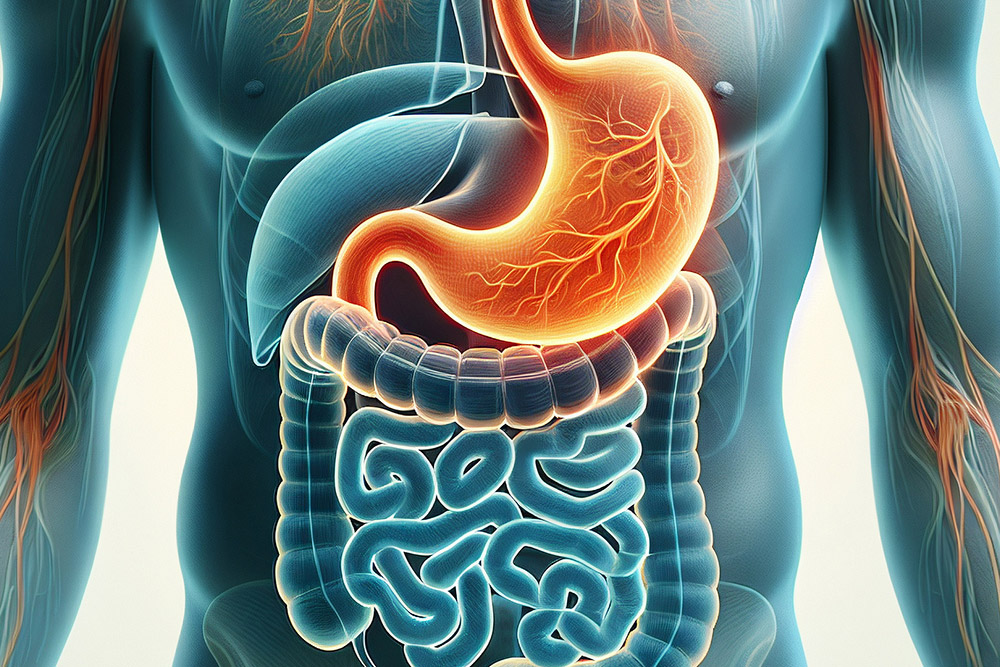
What is SIBO?
Small Intestinal Bacterial Overgrowth (SIBO) is a condition where the number of bacteria in the small intestine increases abnormally, leading to digestive issues and impaired nutrient absorption. Normally, the small intestine contains relatively few bacteria compared to the large intestine. However, in SIBO, the migration of bacteria from the colon to the small intestine disrupts digestion, causing a range of gastrointestinal symptoms.
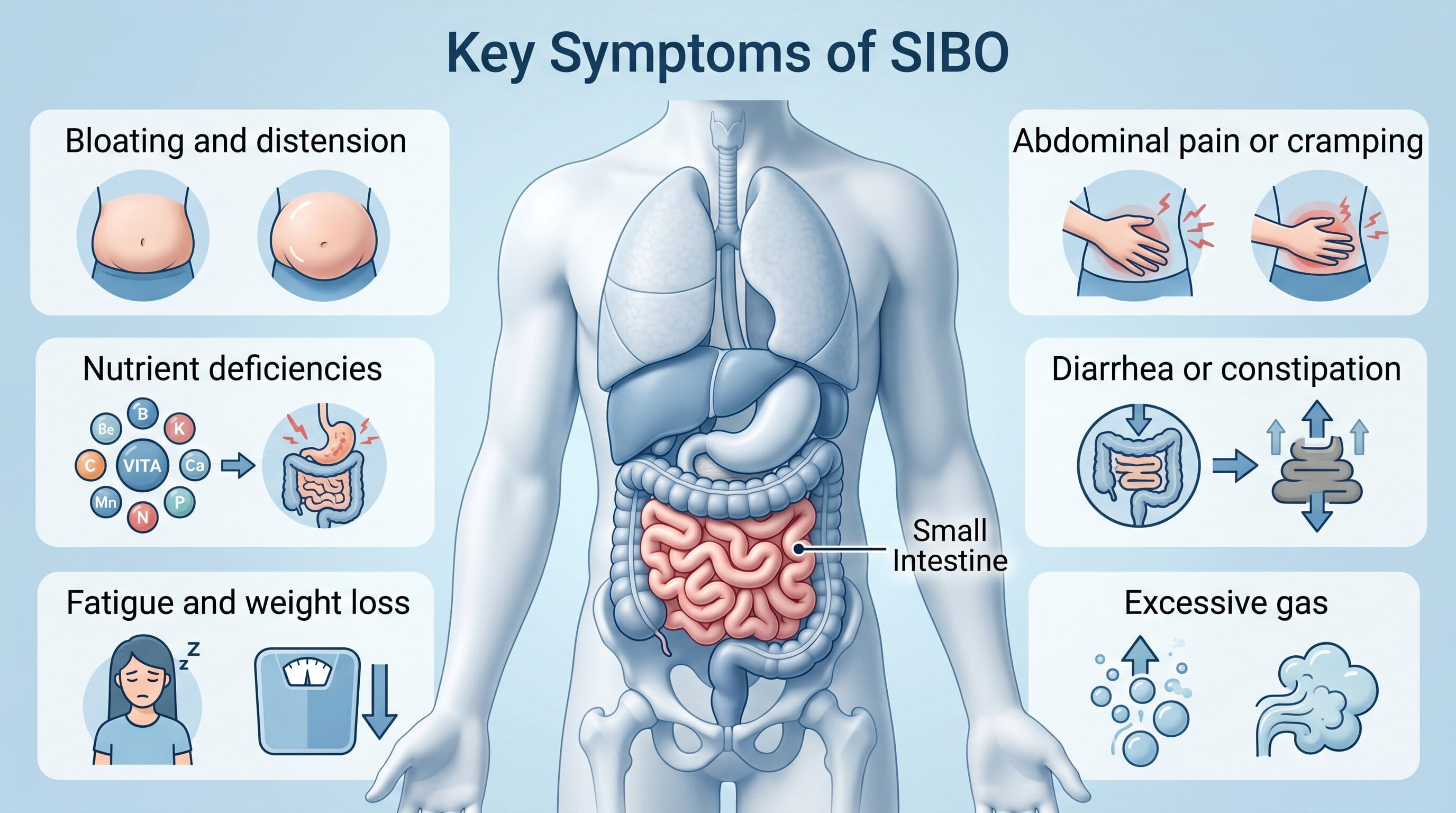
Key Symptoms of SIBO:
- Bloating and distension
- Abdominal pain or cramping
- Diarrhea or constipation
- Excessive gas
- Fatigue and weight loss (due to malabsorption)
- Nutrient deficiencies (e.g., vitamin B12, iron)
Understanding the impact of SIBO on digestion is essential in managing the condition and preventing complications, like nutrient deficiencies and gut inflammation.
How SIBO Disrupts Digestion
SIBO disrupts digestion in several ways. The overgrowth of bacteria in the small intestine leads to fermentation of food that would normally be absorbed, producing gas and toxic byproducts that further affect gut function. Here’s a closer look at the ways in which SIBO affects digestion:
1. Impaired Nutrient Absorption
In a healthy gut, food is broken down and absorbed in the small intestine, where nutrients enter the bloodstream. However, when there’s an overgrowth of bacteria, these microorganisms consume nutrients before they can be absorbed by the intestine. This can lead to malabsorption, which results in deficiencies of critical vitamins and minerals, such as vitamin B12, iron, and folate.
- Vitamin Deficiencies: The overgrowth of bacteria consumes nutrients, leading to deficiencies that can cause fatigue, anemia, and neurological issues.
- Weight Loss: As nutrients are not properly absorbed, it can result in unintended weight loss despite normal or increased food intake.
2. Increased Gas Production and Bloating
The bacteria in the small intestine ferment undigested carbohydrates, producing excess gas as a byproduct. This excess gas leads to bloating, abdominal distension, and discomfort. The accumulation of gas can also lead to intestinal cramps and a feeling of fullness, making it difficult to eat or digest food properly.
- Hydrogen and Methane Gas: Different bacteria in the small intestine produce different types of gas. Hydrogen-producing bacteria can lead to bloating and diarrhea, while methane-producing bacteria are often associated with constipation.
3. Disruption of Gut Motility
Healthy gut motility is essential for moving food and waste through the digestive system. In individuals with SIBO, the overgrowth of bacteria can disrupt the natural flow of food and waste, causing constipation or diarrhea. The motility disorders associated with SIBO often exacerbate these symptoms, making it difficult for the body to eliminate waste efficiently.
- Gastroparesis: A slowing of the stomach’s ability to empty, which can contribute to bloating and discomfort.
- Altered Bowel Movements: Both diarrhea and constipation can result from the bacterial imbalance in the small intestine.
4. Inflammation and Immune System Activation
When bacteria overgrow in the small intestine, they can irritate the intestinal lining and trigger an immune response. This results in inflammation, which can damage the gut lining and lead to leaky gut (intestinal permeability). Leaky gut allows harmful substances, like toxins and undigested food particles, to enter the bloodstream, which can contribute to systemic inflammation and a range of health issues.
- Intestinal Permeability: The gut lining becomes damaged, allowing bacteria, toxins, and undigested food particles to leak into the bloodstream, which can trigger immune responses and contribute to chronic inflammation.
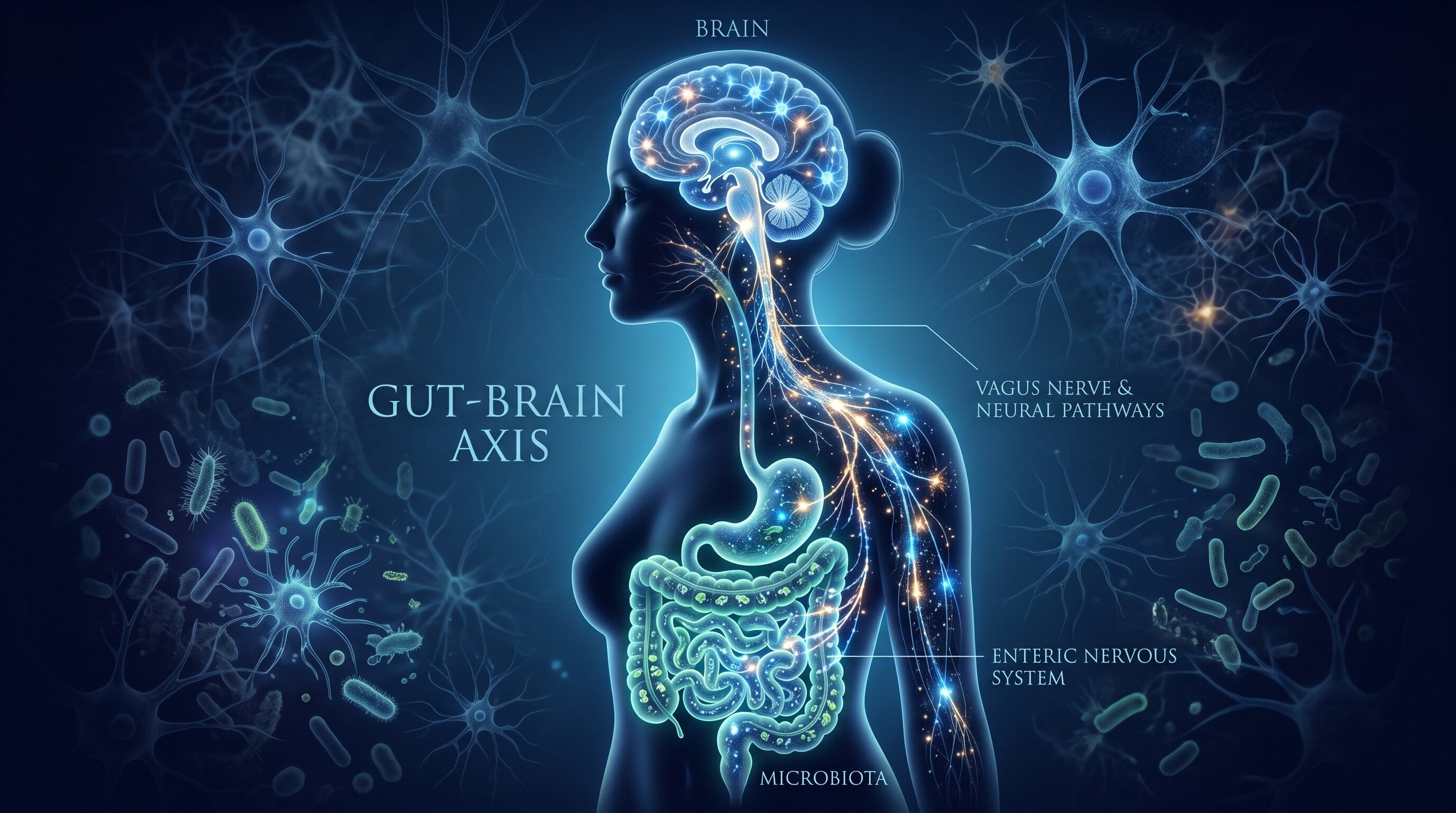
SIBO and the Gut-Brain Connection
The impact of SIBO extends beyond digestion. Due to the gut-brain axis, which connects the digestive system with the brain, SIBO can also contribute to mental health issues such as anxiety, depression, and brain fog. Chronic gut inflammation, nutrient deficiencies, and an imbalance in gut bacteria can affect the production of neurotransmitters like serotonin, which plays a key role in regulating mood.
- Serotonin Production: The majority of the body's serotonin is produced in the gut, so disruptions in gut health can lead to altered serotonin levels, impacting mood and mental well-being.
- Mental Fog: Persistent digestive discomfort from SIBO can also lead to cognitive issues, including difficulty concentrating and memory problems.
How SIBO Affects the Microbiome
The gut microbiome is the collection of bacteria, fungi, and other microorganisms that live in the digestive tract. A healthy microbiome supports digestion, nutrient absorption, and immune function. However, in SIBO, the bacterial overgrowth in the small intestine disrupts the balance of the microbiome, which can further impair digestion and immune function.
Dysbiosis
This refers to the imbalance of microorganisms in the gut, which is a hallmark of SIBO. The overgrowth of harmful bacteria in the small intestine can outcompete beneficial bacteria, leading to digestive issues and immune system dysfunction.
SIBO Treatment and Its Impact on Digestion
1. Antibiotics for SIBO
- Rifaximin, an antibiotic used to treat SIBO, targets the bacteria causing the overgrowth. Antibiotics help reduce the bacterial load, allowing the small intestine to return to normal function and improving symptoms like bloating, diarrhea, and malabsorption.
2. Dietary Modifications
- The Low FODMAP diet is often recommended for SIBO patients, as it limits the fermentation of carbohydrates that contribute to gas production.
- Other diets, such as the Elemental Diet, can be used in more severe cases to starve the bacteria temporarily and allow the gut to heal.
3. Probiotics and Gut Healing
- Probiotics may be useful in restoring balance to the gut microbiome, but they must be used cautiously in SIBO patients. Some probiotics may worsen symptoms, especially during an active episode.
- After SIBO treatment, however, probiotics can help replenish beneficial bacteria and support gut health.
4. Herbal Remedies
- Some individuals opt for herbal treatments, such as oregano oil, berberine, or garlic extract, which have been shown to have antimicrobial properties and may help manage SIBO in a more natural way.
Conclusion
SIBO can have a profound effect on digestion and overall gut health, leading to bloating, discomfort, malabsorption, and other gastrointestinal issues. By understanding how SIBO disrupts digestive function and the microbiome, individuals can take proactive steps to seek treatment and manage their condition.
If you’re experiencing symptoms of SIBO, consult with a healthcare provider to discuss appropriate diagnostic tests and treatment options to restore digestive health and improve quality of life.