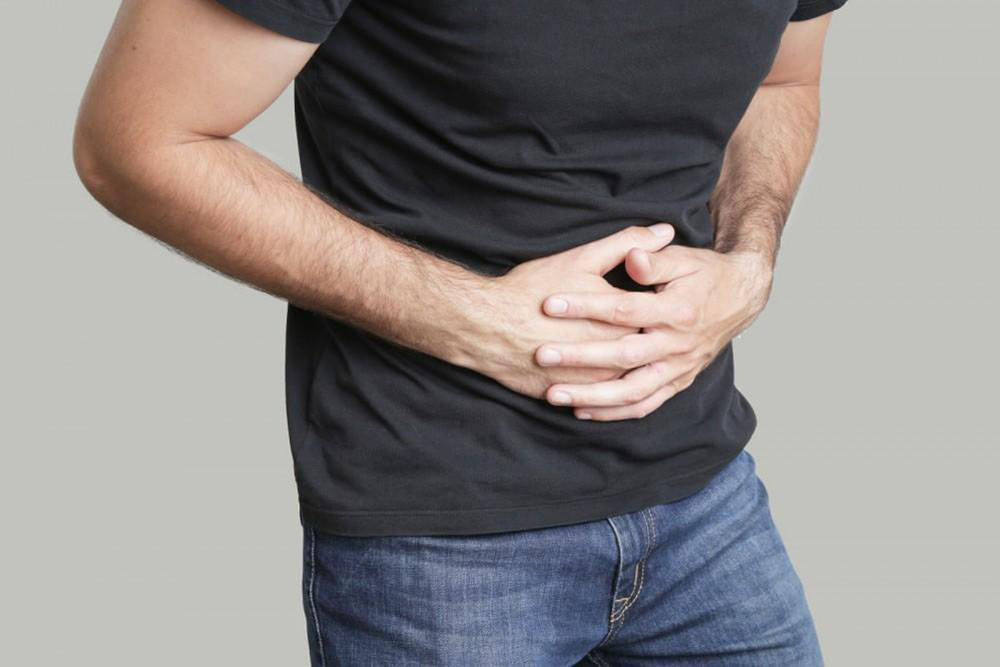








Sudden abdominal pain can be sharp, intense, and alarming. When the stomach pains hit unexpectedly, they often leave people wondering whether it’s something they can ride out or if it's a sign of something more serious. Some causes of sudden abdominal pain are relatively harmless and resolve on their own, but others require immediate medical attention to avoid severe complications.
In this comprehensive guide, we’ll dive into the causes of sudden abdominal pain, the warning signs that shouldn’t be ignored, and when it's necessary to seek medical attention. By understanding these causes, you can help ensure that you get the proper treatment and avoid complications.

Sudden abdominal pain can be triggered by various conditions, ranging from mild to severe. Here are some of the most common causes that should not be ignored:
Appendicitis is an inflammation of the appendix, a small organ located in the lower right side of the abdomen. The most typical sign of appendicitis is sudden, sharp pain that begins near the belly button and eventually shifts to the lower right side of the abdomen. If the appendix bursts, it can lead to a life-threatening infection known as peritonitis. Because of the potential for complications, appendicitis is a medical emergency that requires immediate surgery.
Symptoms of Appendicitis:
Gallstones are hardened deposits of bile that form in the gallbladder. They can block bile ducts, leading to sudden and intense pain. This pain usually occurs in the upper right side of the abdomen, and is often triggered after eating fatty foods. When a gallstone blocks the bile duct, it can cause a gallbladder attack, which requires immediate medical intervention.
Symptoms of Gallstones:
Pancreatitis is inflammation of the pancreas, a vital organ involved in digestion. The pain caused by pancreatitis is typically sudden, severe, and located in the upper abdomen. It often radiates to the back and may become worse after eating. Acute pancreatitis is a medical emergency and can lead to severe complications, including organ failure.
Symptoms of Pancreatitis:
An intestinal blockage can occur when something obstructs the small or large intestine. The blockage may be caused by adhesions, tumors, hernias, or inflammatory bowel disease (IBD). This blockage prevents food, liquid, and gas from passing through the digestive system, causing severe pain and bloating. If the obstruction is not treated, it can lead to tissue death and perforation, both of which require urgent surgery.
Symptoms of Intestinal Blockages:
Peptic ulcers are sores that form on the inner lining of the stomach or small intestine. These ulcers can cause sudden, sharp pain, especially after eating certain foods, or when the stomach is empty. The pain may be described as a burning sensation, and it may worsen after eating or drinking acidic beverages. In severe cases, ulcers can bleed, causing sudden pain.
Symptoms of Peptic Ulcers:
Diverticulitis occurs when small pouches (diverticula) in the colon become inflamed or infected. This condition can lead to sudden, sharp pain in the lower left side of the abdomen. Diverticulitis often occurs after consuming a low-fiber diet, and it is more common in older adults. In severe cases, diverticulitis can cause perforations, leading to peritonitis, a serious infection.
Symptoms of Diverticulitis:
A hernia occurs when an organ or fatty tissue pushes through a weak spot in the abdominal wall. It can cause sudden, sharp pain, especially when lifting, coughing, or eating. In some cases, hernias may become incarcerated, meaning the blood supply to the herniated tissue is cut off. This requires emergency surgery.
Symptoms of a Hernia:

Sudden abdominal pain is often a sign that something more serious is happening. If you experience any of the following symptoms, it’s important to seek immediate medical care:
Certain conditions like appendicitis, gallstones, pancreatitis, and peptic ulcers require prompt treatment to prevent complications.
To diagnose the cause of sudden abdominal pain, a doctor will perform a physical examination and ask about your symptoms, medical history, and eating habits. Depending on the cause, diagnostic tests may include:
Blood tests can check for infections, inflammation, or liver and kidney function.
An ultrasound is often used to detect gallstones, liver disease, or abdominal fluid accumulation.
A CT scan provides detailed images of the abdomen, which can help detect conditions such as intestinal blockages, appendicitis, and pancreatitis.
An endoscopy involves inserting a flexible tube with a camera into the digestive tract to examine the stomach, intestines, or esophagus.
X-rays are used to check for hernias, blockages, or perforations in the intestines.
The treatment for sudden abdominal pain depends on the underlying cause. Here are some common treatments:
While some causes of sudden abdominal pain are unavoidable, here are a few steps you can take to reduce your risk:
Dr. Bharat Pothuri is a Board-Certified Gastroenterologist and Hepatologist. With extensive experience in digestive health, he specializes in advanced endoscopic procedures, chronic GI disorder management, and preventive care. Dr. Pothuri is dedicated to providing expert, patient-focused insights to help improve gut health and overall well-being.
Sudden sharp pain in the abdomen can be caused by conditions such as appendicitis, gallstones, pancreatitis, or an intestinal blockage.
You should seek immediate medical care if the pain is severe, persistent, or accompanied by fever, vomiting, or blood in your stool.
Yes. Stress can exacerbate gastrointestinal issues like acid reflux or IBS, leading to sudden abdominal pain.
The most common causes of sudden abdominal pain are appendicitis, gallstones, and peptic ulcers. These require prompt medical attention.
Yes. A hernia can cause sharp pain when the intestine or other tissues push through the abdominal wall.
If the pain is severe, worsening, or accompanied by other symptoms like fever, nausea, vomiting, or blood, seek immediate medical care.
If you have sudden abdominal pain with nausea, seek medical evaluation to rule out conditions like pancreatitis, gallstones, or infections.
Yes. Gallstones can block bile ducts and cause intense pain, especially after eating fatty meals.
Pancreatitis causes severe, sharp pain in the upper abdomen that often radiates to the back. It may be accompanied by nausea and vomiting.
To prevent sudden abdominal pain, maintain a healthy diet, exercise regularly, and avoid triggers like overeating or stress.