Diabetes mellitus is widely recognized as a metabolic disorder that affects blood sugar levels.
However, its impact extends far beyond glucose regulation.
One of the most affected yet under-discussed systems is the gastrointestinal (GI) tract.
From the esophagus to the intestines, diabetes can disrupt normal digestive processes.
These disruptions often develop gradually and may go unnoticed until symptoms worsen.
Understanding how diabetes affects the gastrointestinal system is essential.
It helps patients recognize early warning signs and seek timely care.
The Gut–Diabetes Connection
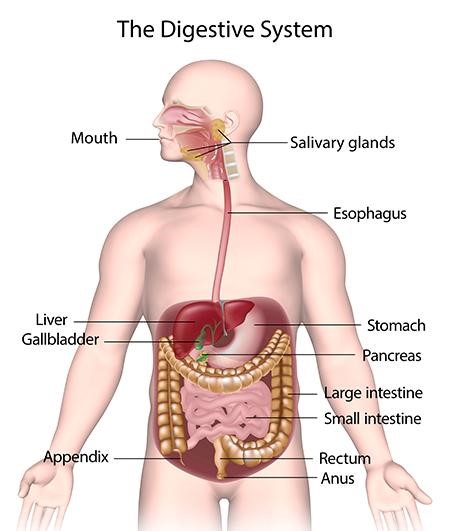
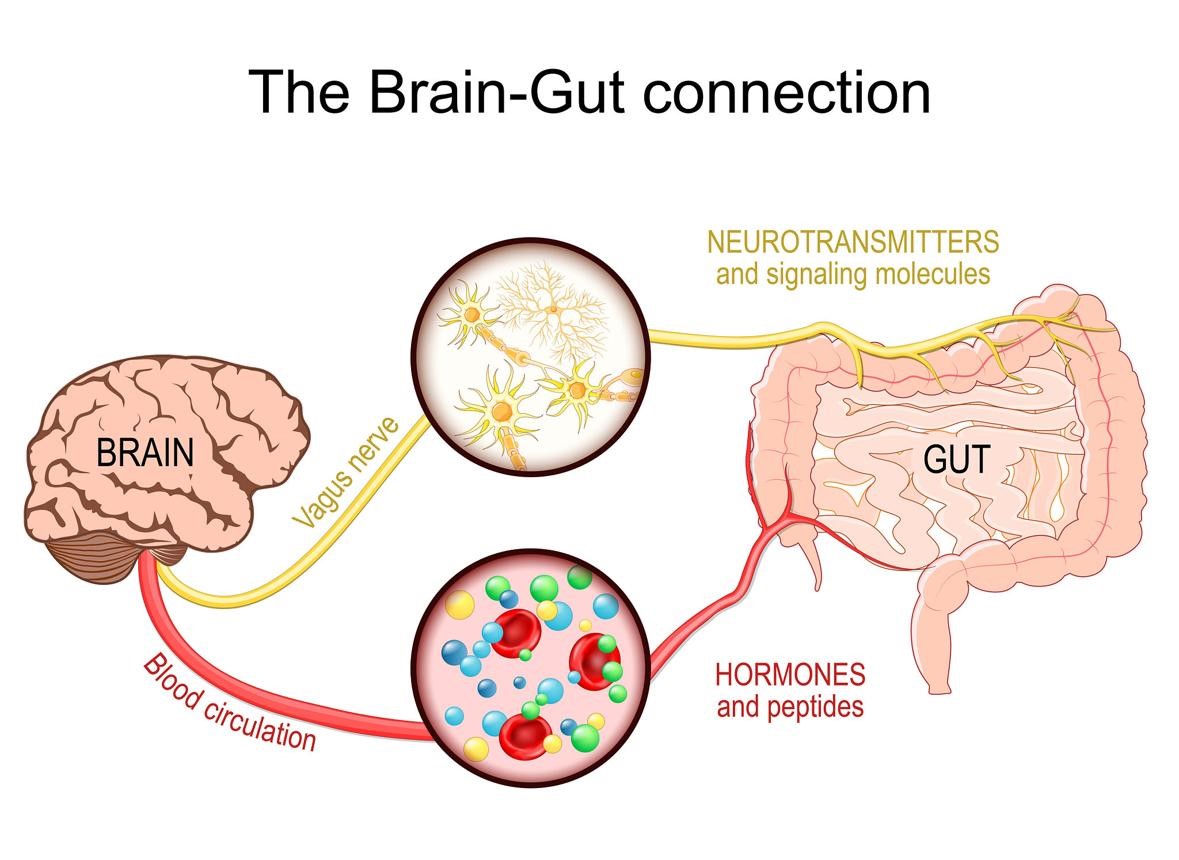
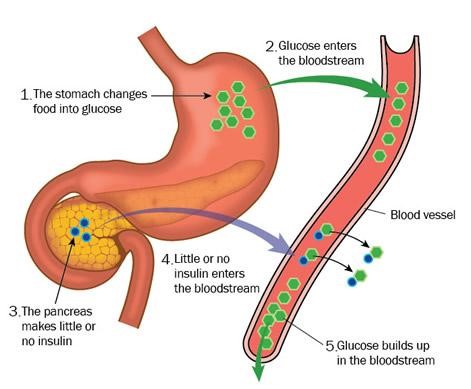
The gastrointestinal system relies on a complex interaction between:
- Nerves
- Muscles
- Hormones
- Microbiota
Diabetes interferes with all these components.
Persistent high blood sugar levels can damage nerves, alter gut bacteria, and impair muscle function.
This leads to abnormalities in digestion, absorption, and movement of food.
Diabetic Autonomic Neuropathy: The Core Problem
One of the primary mechanisms behind GI complications in diabetes is autonomic neuropathy.
This condition occurs when prolonged high blood sugar damages the nerves that control involuntary bodily functions.
In the GI tract, these nerves regulate:
- Swallowing
- Stomach contractions
- Intestinal movement
When damaged, the digestive system loses coordination.
Effects of Autonomic Neuropathy:
- Slowed or irregular digestion
- Poor muscle coordination
- Altered gut signaling
This is the foundation for many diabetes-related GI disorders.
2. Esophageal Dysfunction and Swallowing Issues
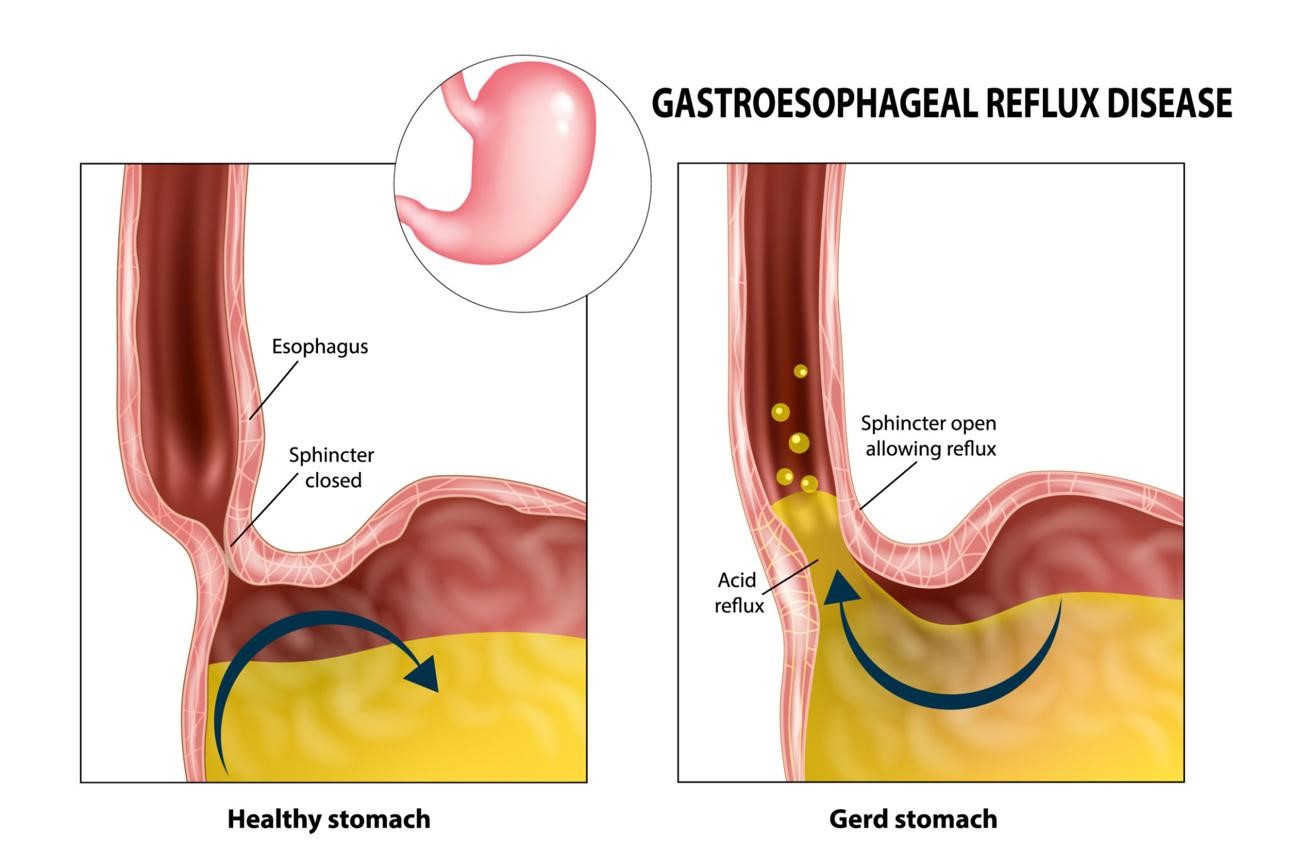
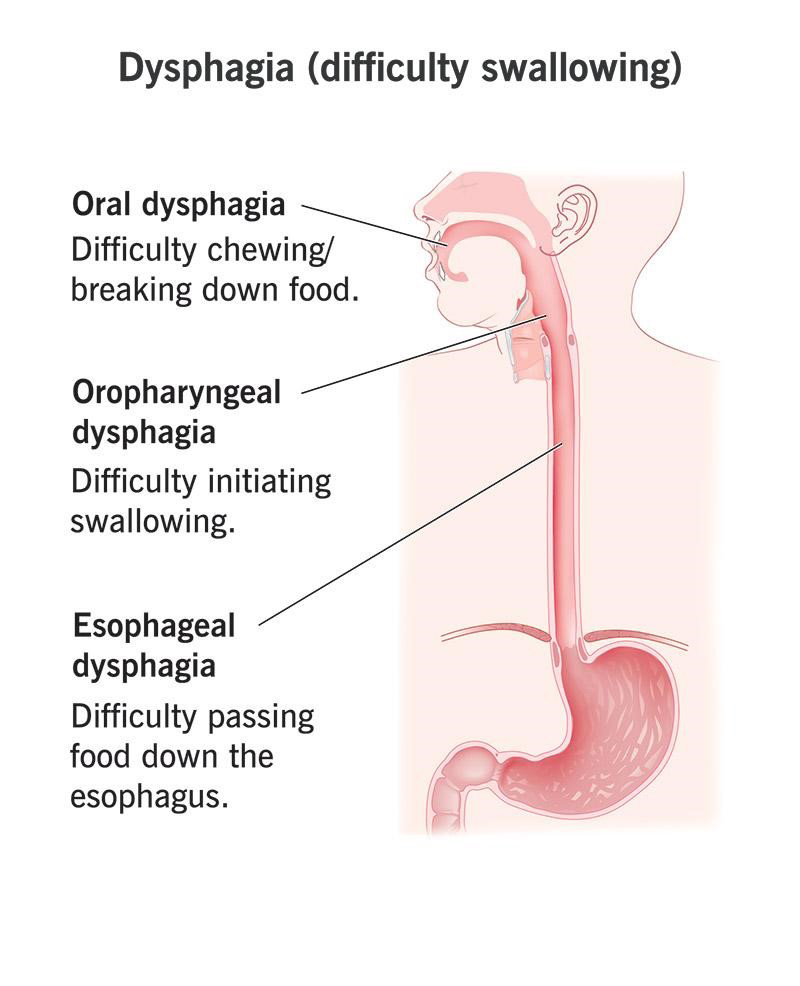
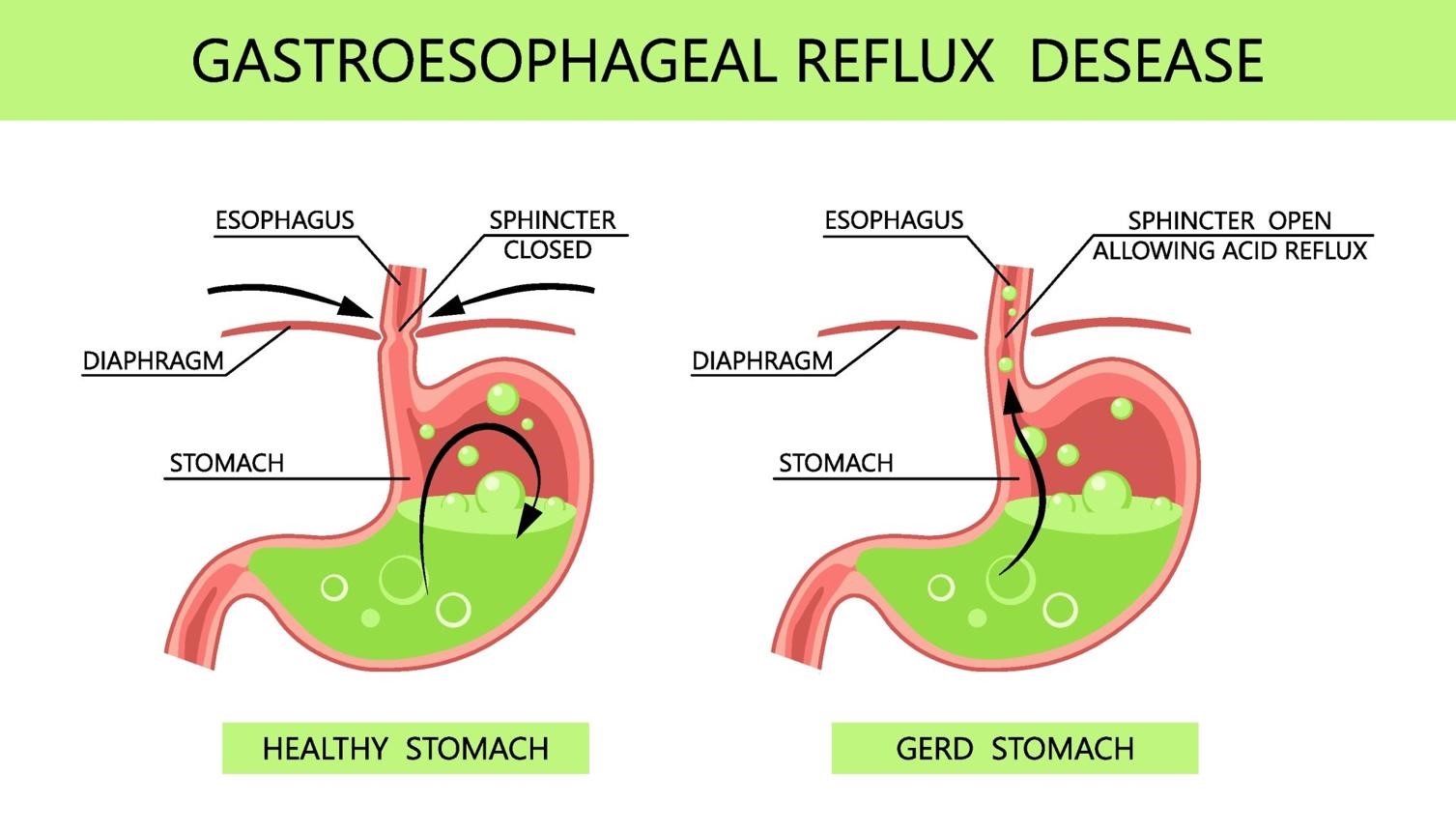
Diabetes can affect the esophagus in several ways.
Common Issues:
- Reduced esophageal motility
- Difficulty swallowing (dysphagia)
- Increased acid reflux
Damage to esophageal nerves weakens coordination.
This allows stomach acid to move upward more easily.
3. Gastroparesis: Delayed Stomach Emptying
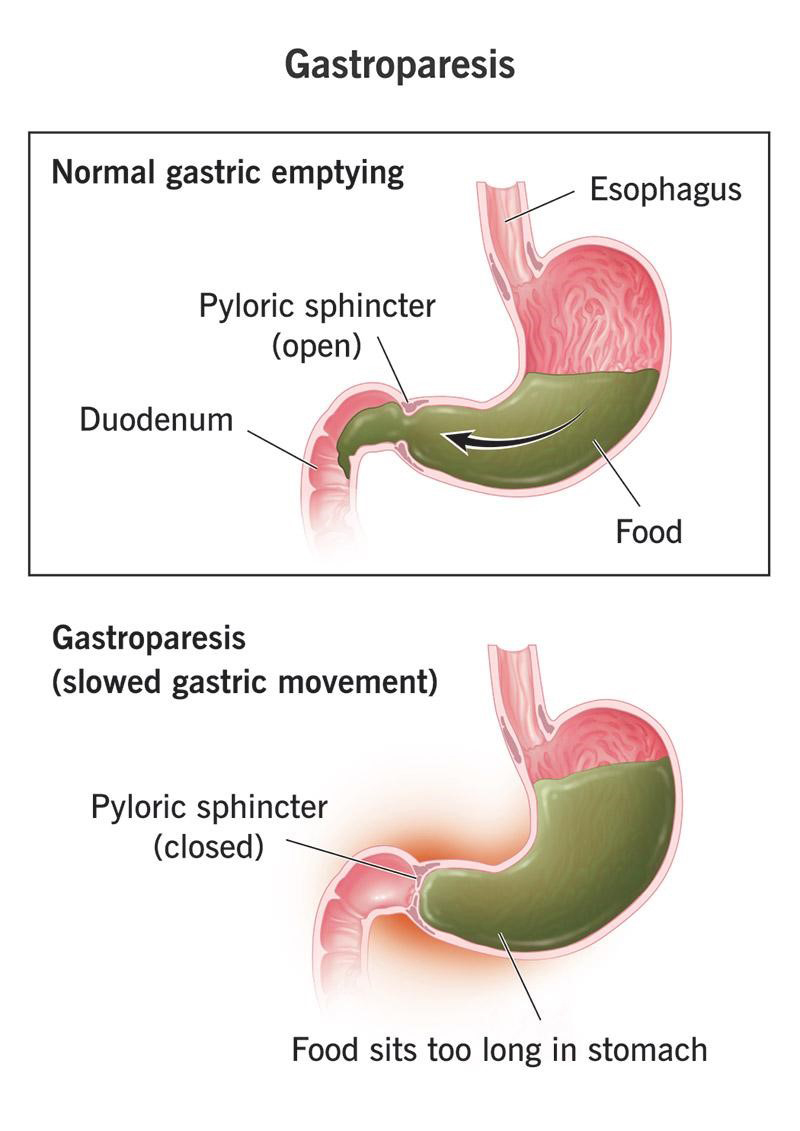
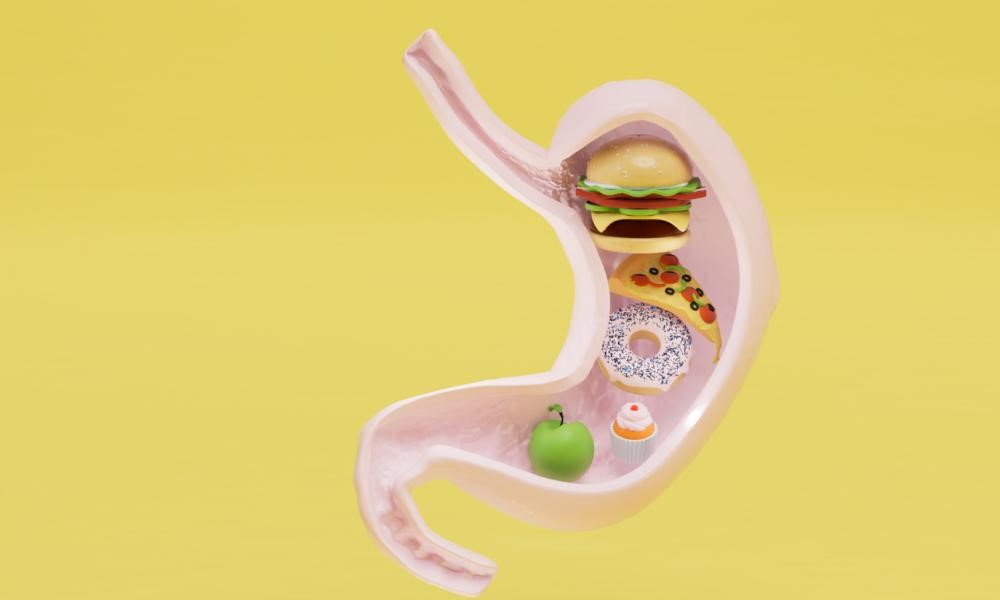
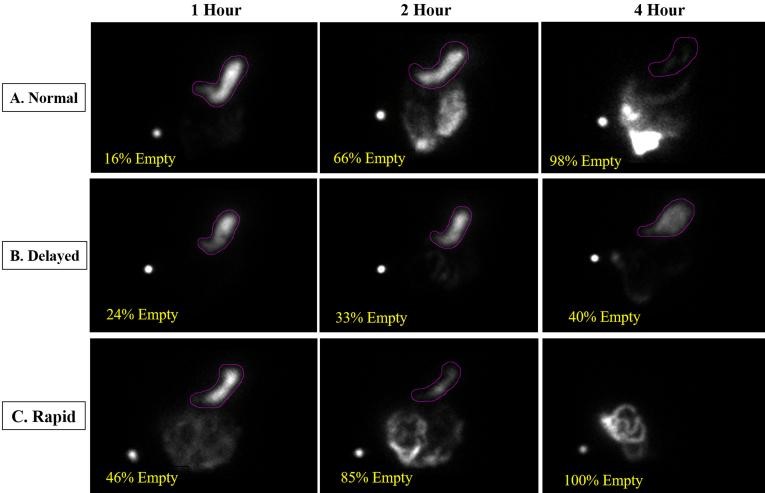
Gastroparesis is one of the most well-known GI complications of diabetes.
What Happens:
- The stomach empties food slowly
- Food remains in the stomach longer than normal
Symptoms:
- Nausea
- Vomiting
- Early fullness
- Bloating
- Loss of appetite
Impact on Blood Sugar:
Delayed digestion leads to unpredictable glucose levels.
Food absorption becomes inconsistent.
4. Intestinal Motility Disorders
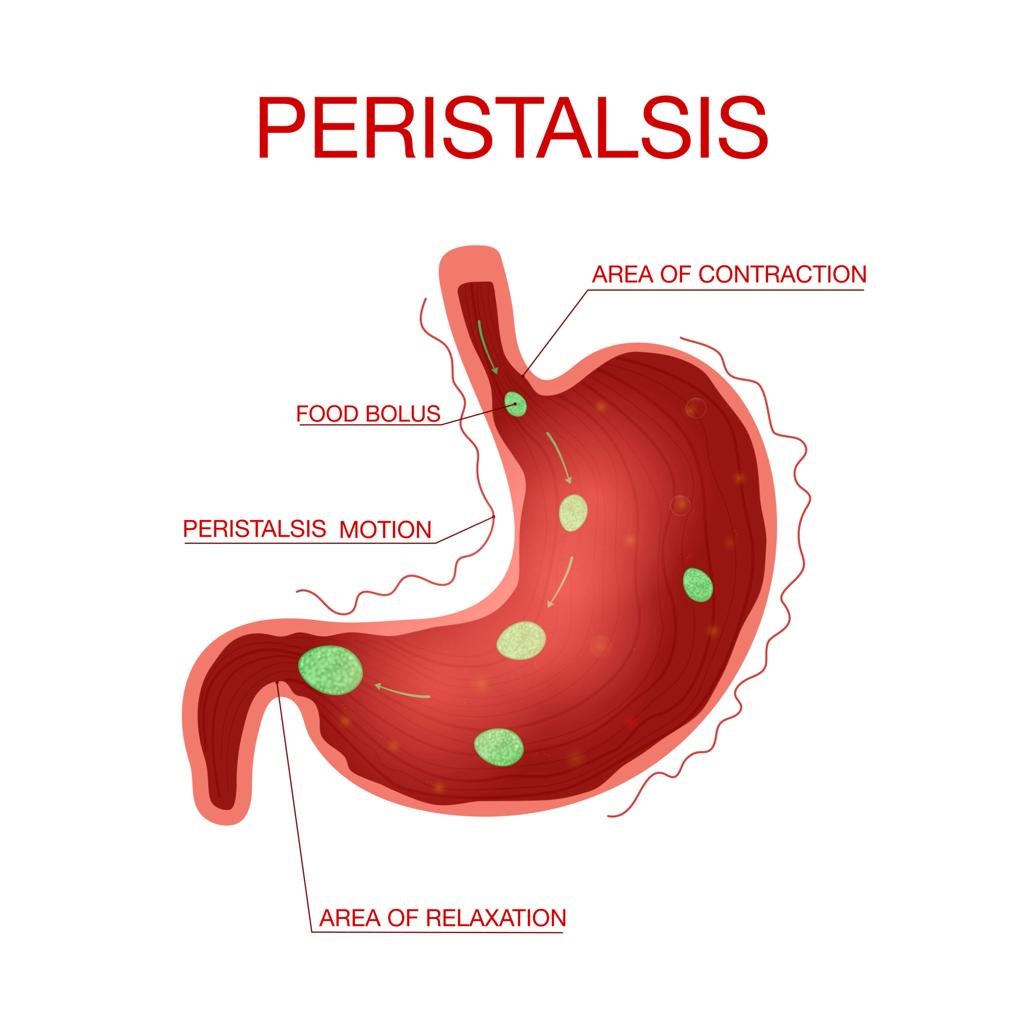
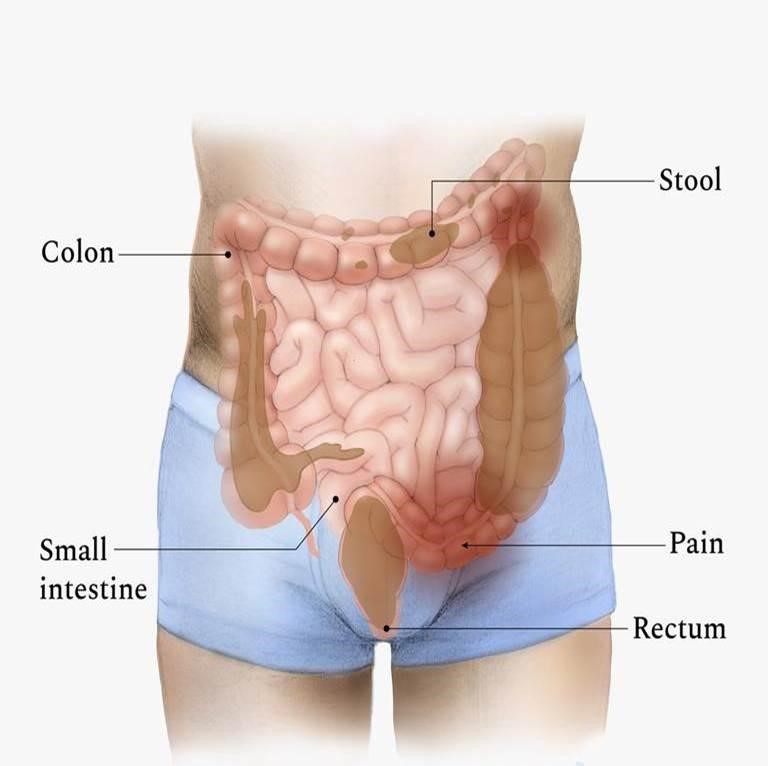
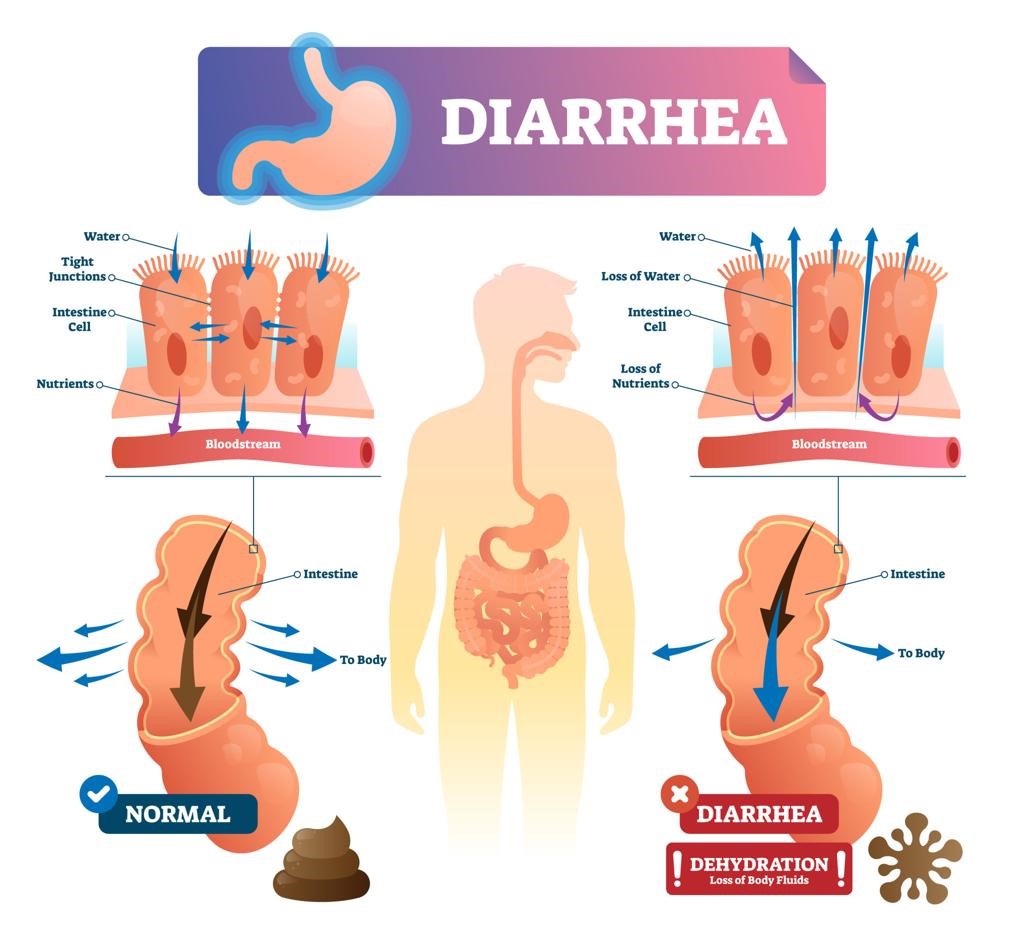
The intestines rely on coordinated muscle contractions.
Diabetes disrupts this process.
Outcomes:
- Constipation (slow movement)
- Diarrhea (fast or erratic movement)
- Alternating bowel habits
This condition is often referred to as diabetic enteropathy.
5. Small Intestinal Bacterial Overgrowth (SIBO)
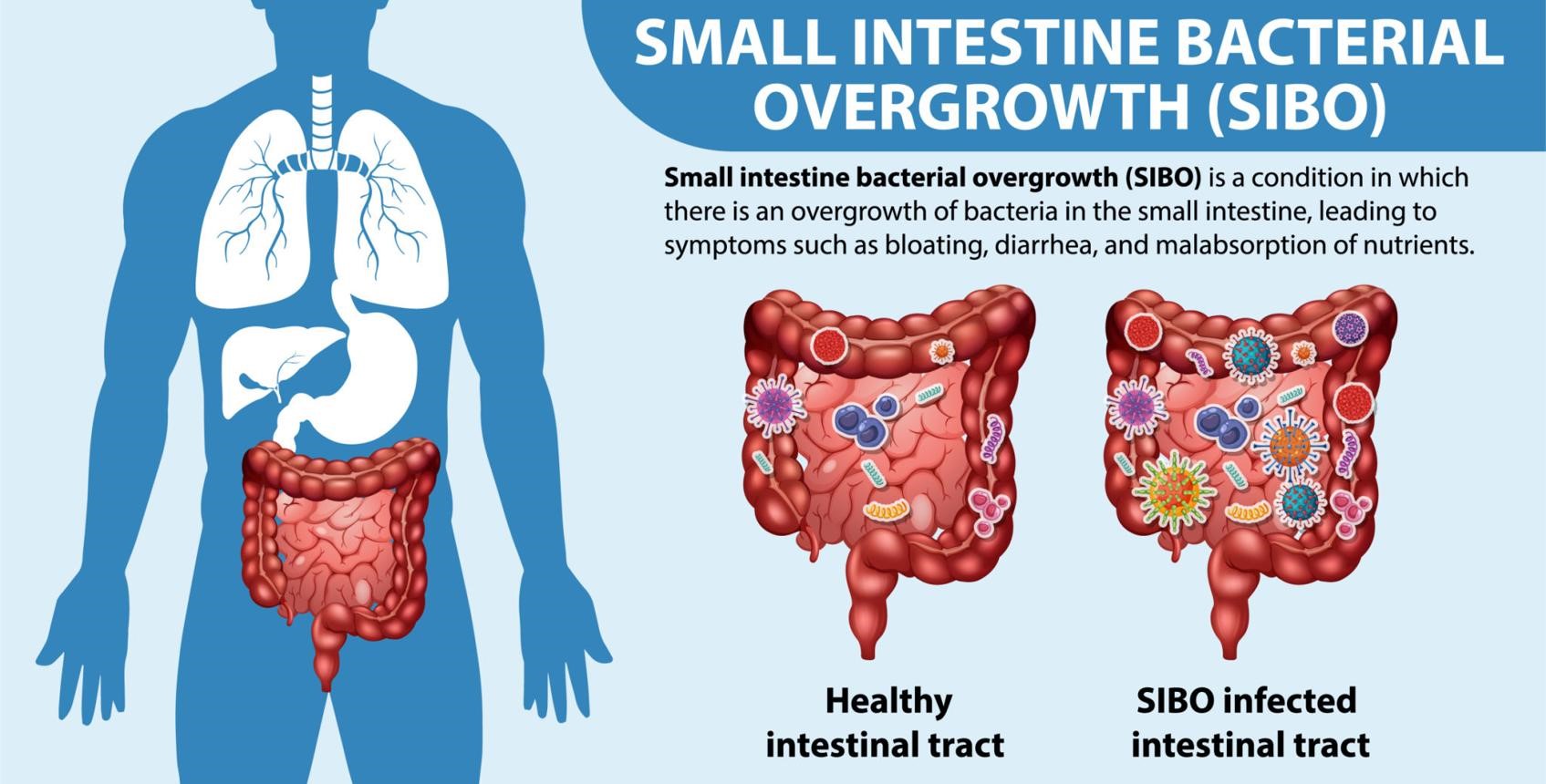

Slowed intestinal movement creates an environment where bacteria can accumulate.
This leads to SIBO.
Symptoms:
- Bloating
- Gas
- Abdominal discomfort
- Diarrhea
SIBO further worsens nutrient absorption and inflammation.
6. Gastroesophageal Reflux Disease (GERD)
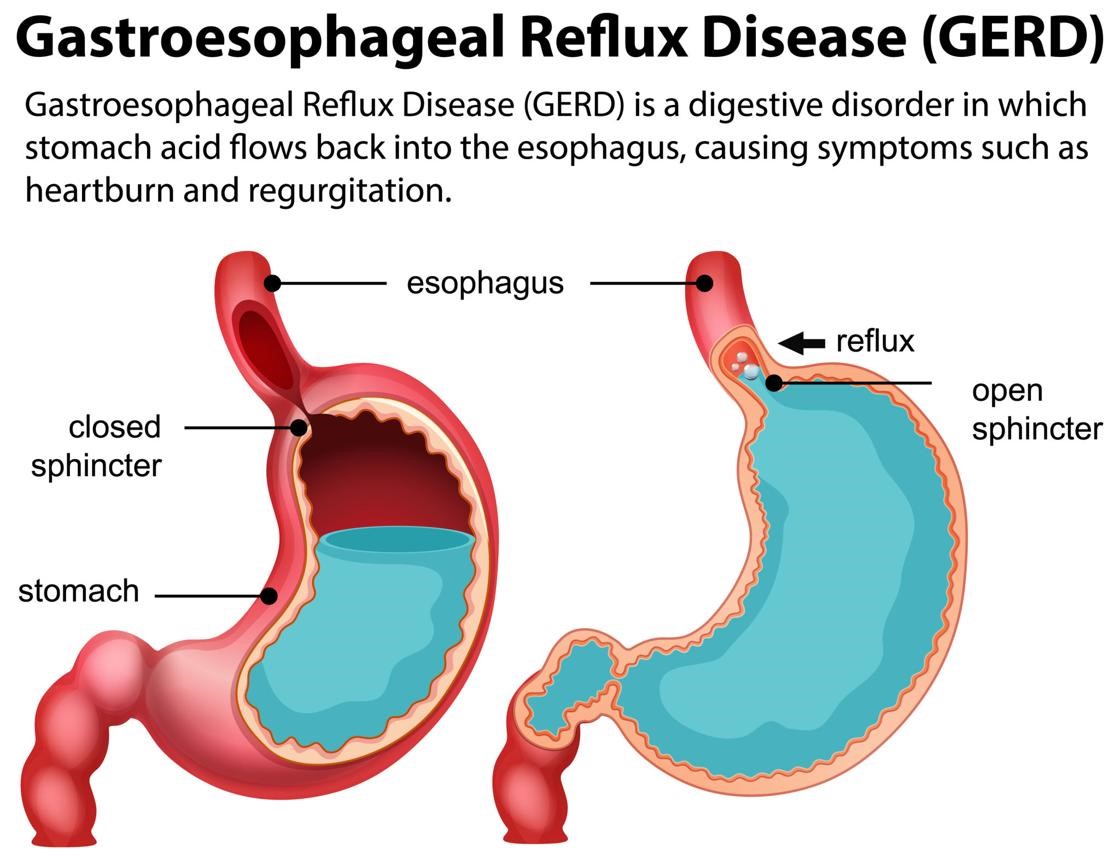
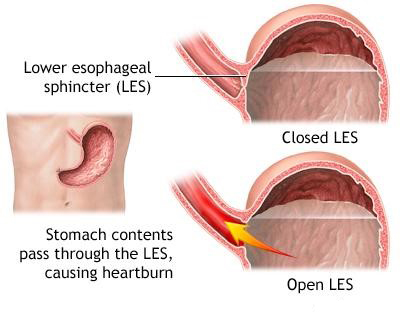
Diabetes increases the risk of GERD.
Why:
- Weakening of the lower esophageal sphincter (LES)
- Delayed stomach emptying
- Increased abdominal pressure
Symptoms:
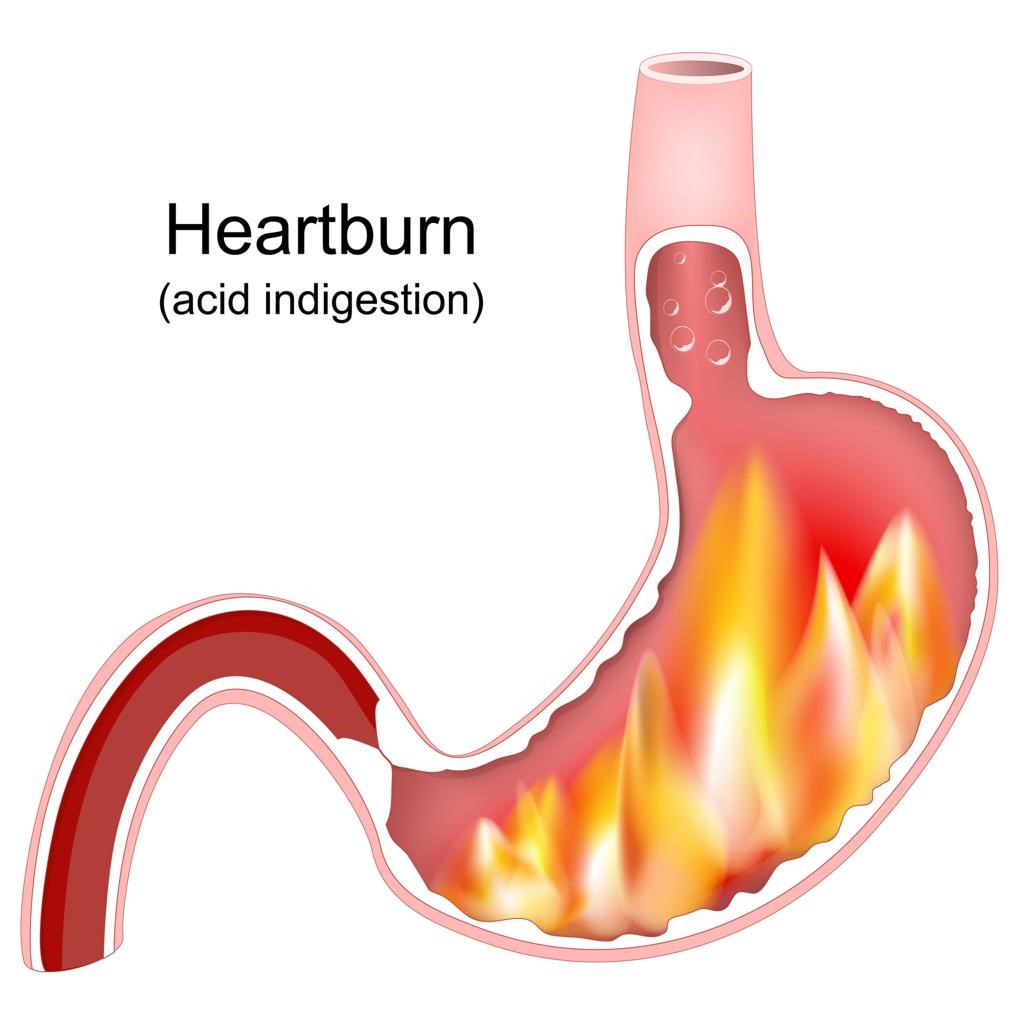
- Heartburn
- Acid regurgitation
- Chronic cough
7. Gut Microbiome Imbalance
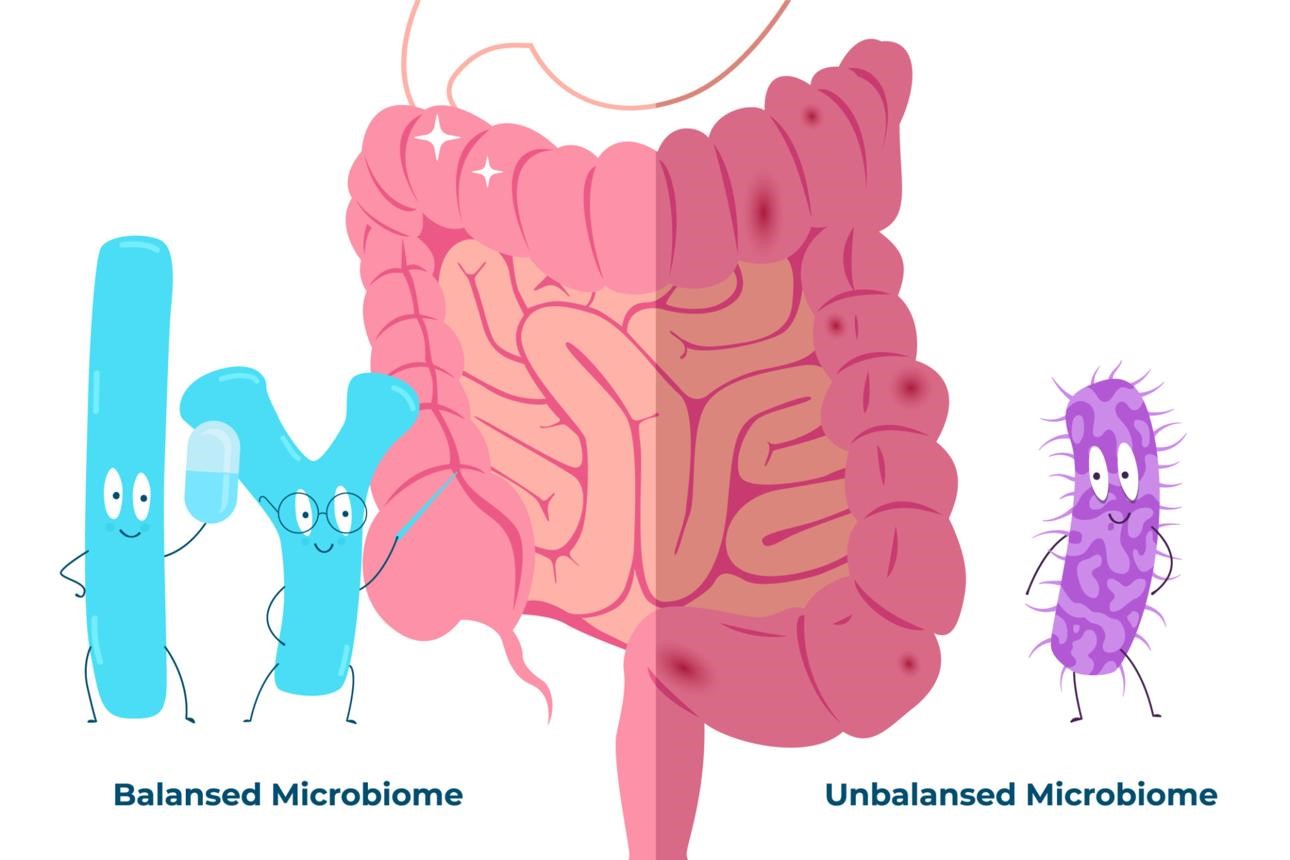
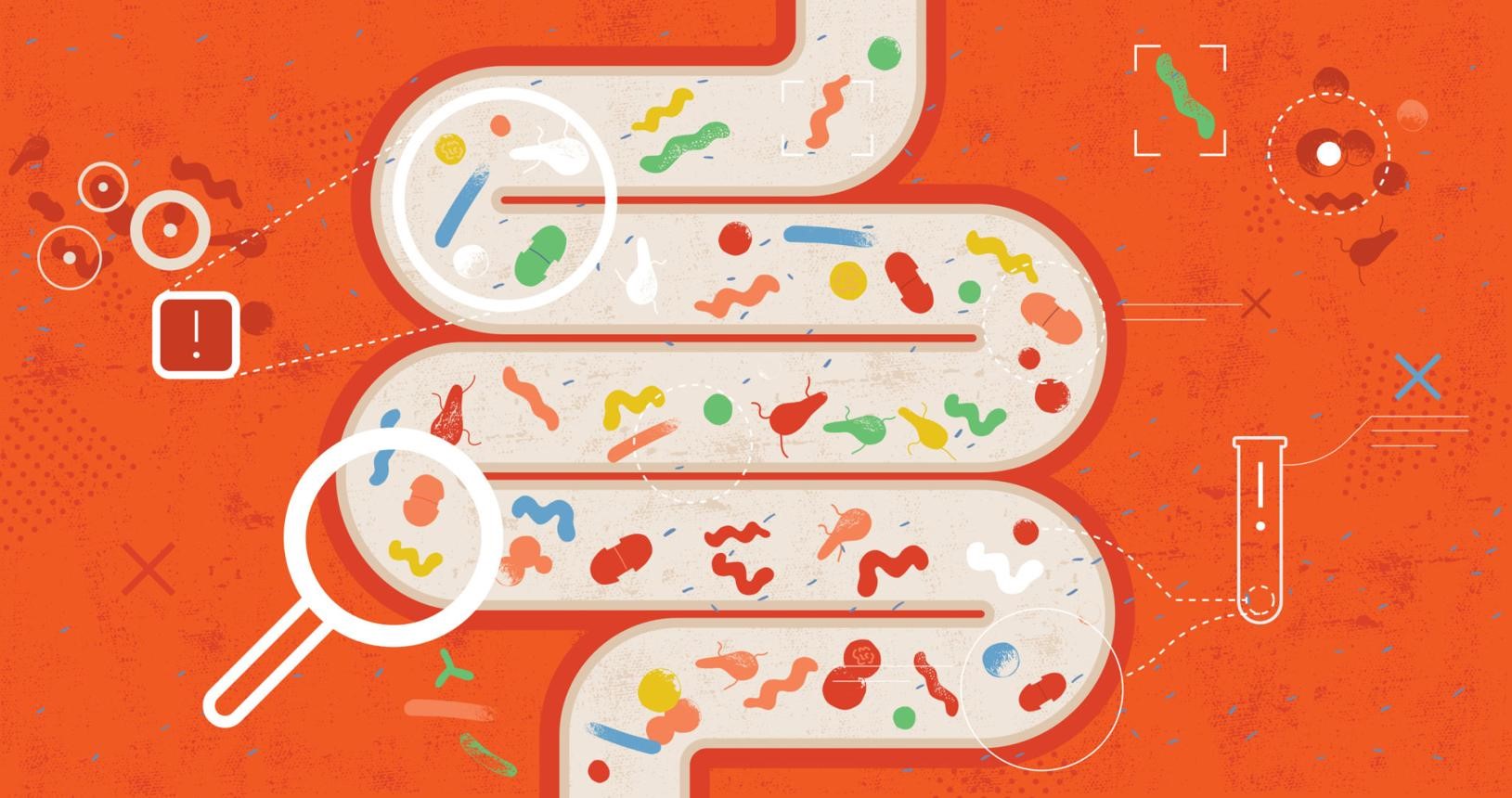
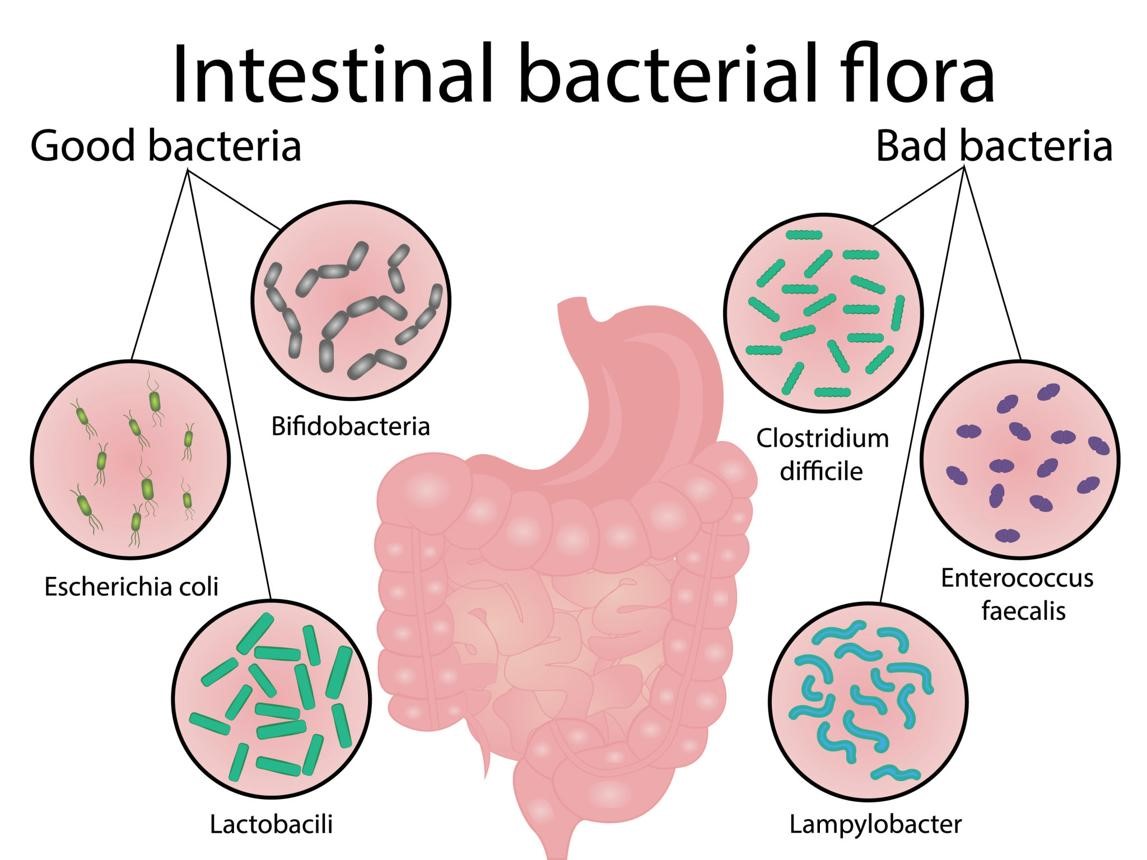
The gut microbiome plays a key role in digestion and metabolism.
Diabetes alters this balance.
Effects:
- Reduced beneficial bacteria
- Increased harmful bacteria
- Chronic inflammation
This imbalance contributes to insulin resistance and digestive symptoms.
8. Nutrient Malabsorption
Digestive dysfunction can impair nutrient absorption.
Consequences:
- Vitamin deficiencies
- Weakness
- Fatigue
- Poor overall health
Malabsorption is often linked to SIBO and intestinal damage.
9. Impact on the Liver and Pancreas
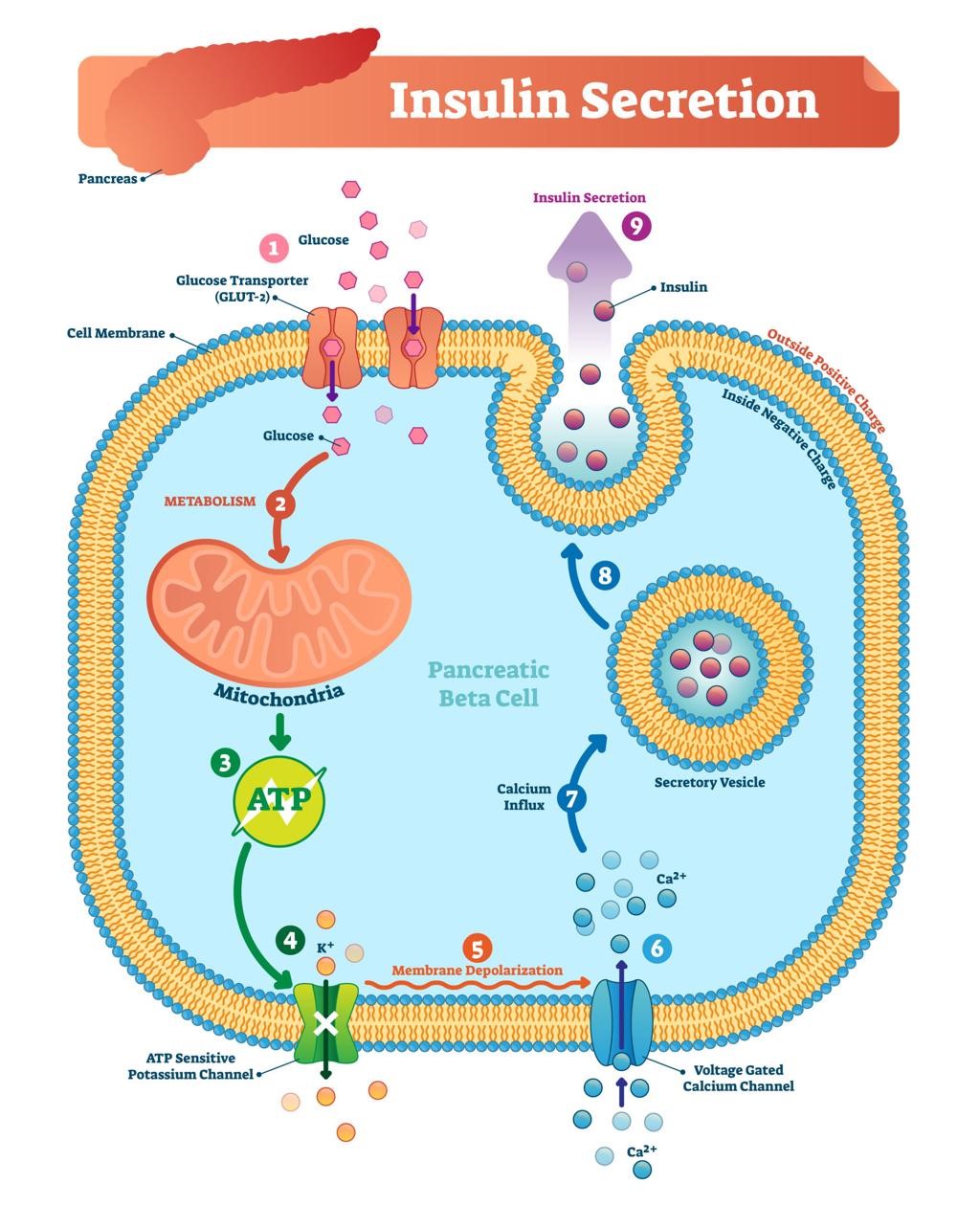
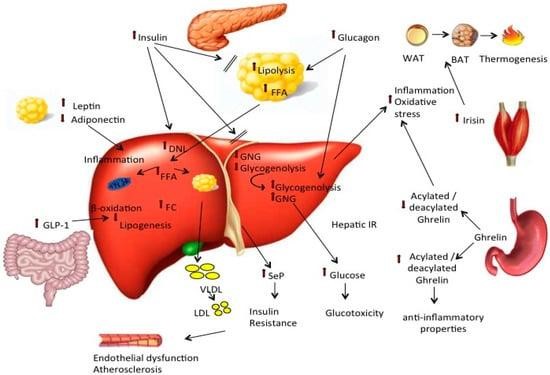
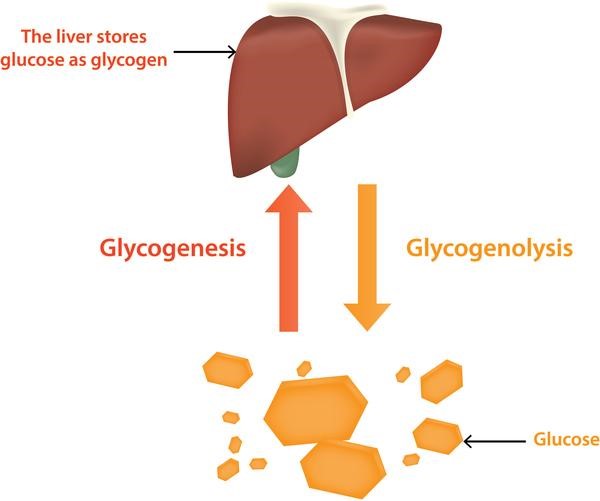
The GI system includes organs like the liver and pancreas.
Diabetes affects both.
Liver:
- Increased risk of fatty liver disease
- Inflammation and scarring
Pancreas:
- Impaired insulin production
- Progressive dysfunction
Common Gastrointestinal Symptoms in Diabetes
Patients may experience:
- Bloating
- Nausea
- Vomiting
- Constipation
- Diarrhea
- Abdominal pain
- Acid reflux
Symptoms may vary in severity and frequency.
Why These Symptoms Are Often Overlooked
Many GI symptoms are non-specific.
Patients may assume:
- Diet is the cause
- Symptoms are temporary
However, in diabetes, these symptoms often indicate underlying nerve or motility disorders.
When to See a Gastroenterologist
Seek medical care if you experience:
- Persistent digestive symptoms
- Frequent vomiting
- Difficulty swallowing
- Unexplained weight loss
- Blood in stool
- Severe abdominal pain
Early evaluation can prevent complications.
Diagnostic Tests for GI Complications
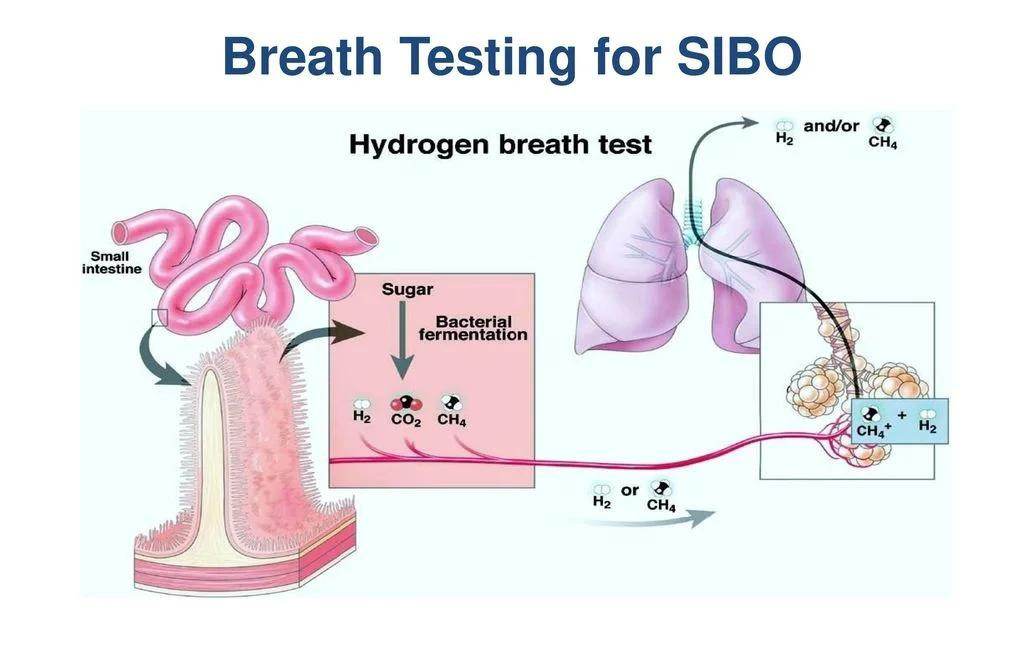
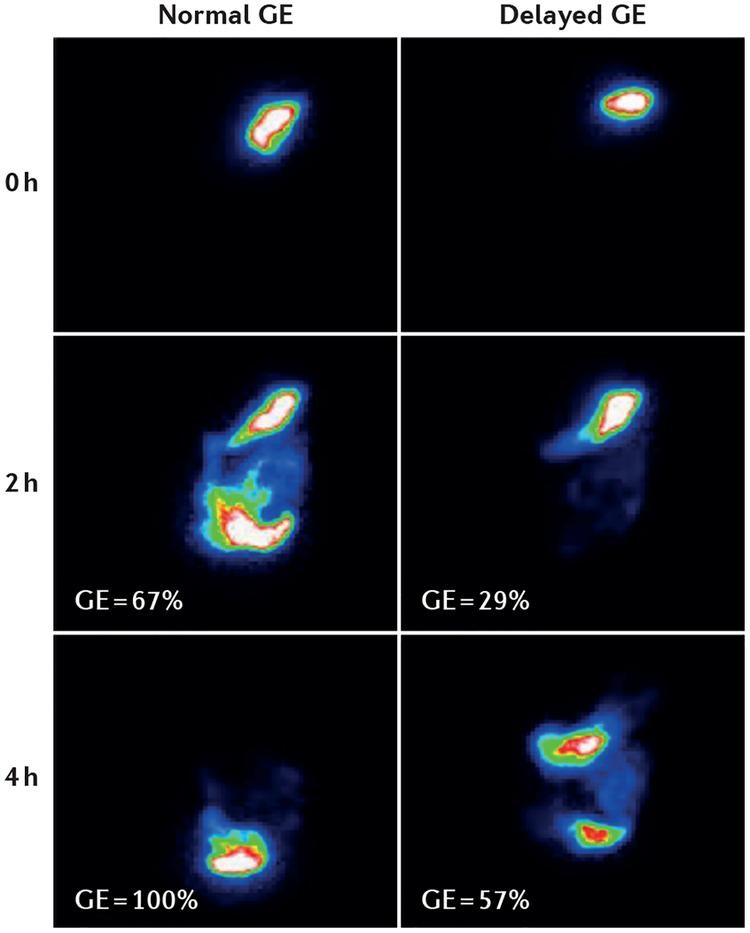
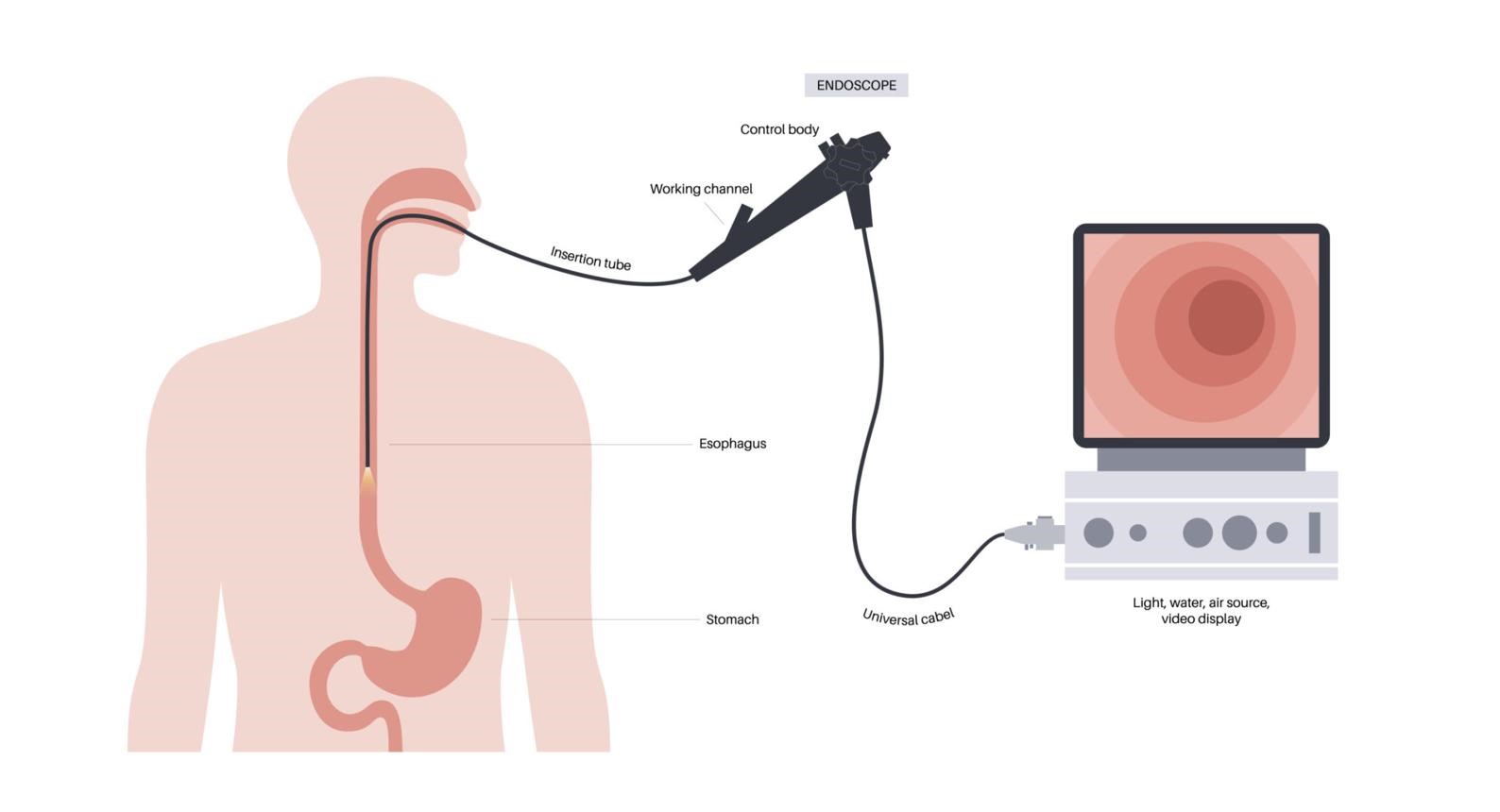
Doctors may recommend:
- Upper endoscopy (EGD)
- Colonoscopy
- Gastric emptying study
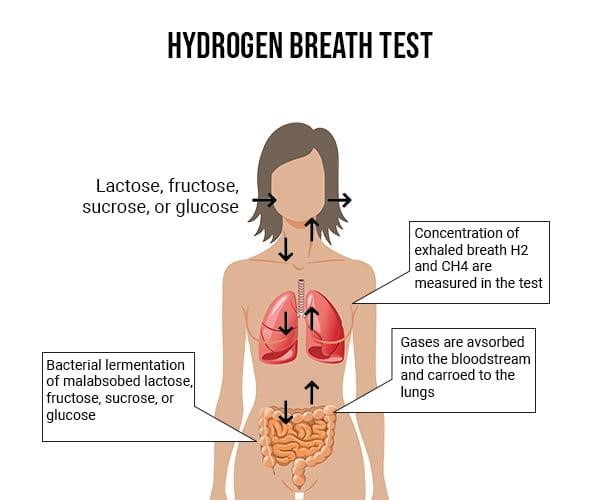
- Breath tests for SIBO
- Imaging studies
These tests help identify the underlying cause.
Management and Treatment Strategies
1. Blood Sugar Control
Maintaining stable glucose levels is essential.
2. Dietary Changes
- Smaller meals
- Low-fat diet
- High-fiber intake (when appropriate)
3. Medications
- Prokinetics
- Acid reducers
- Antibiotics (for SIBO)
- Laxatives or anti-diarrheal agents
4. Lifestyle Modifications
- Regular exercise
- Hydration
- Stress management
5. Advanced Interventions
In severe cases:
- Feeding support
- Surgical options
Preventing GI Complications in Diabetes
Key steps:
- Maintain healthy blood sugar levels
- Eat a balanced diet
- Stay active
- Avoid smoking and alcohol
- Schedule regular check-ups
Long-Term Complications if Untreated
Ignoring GI symptoms can lead to:
- Chronic malnutrition
- Severe digestive disorders
- Poor diabetes control
- Reduced quality of life
Early intervention is critical.
Key Takeaway
Diabetes significantly affects the gastrointestinal system through nerve damage, altered motility, and microbiome changes.
These disruptions can lead to conditions like gastroparesis, GERD, and SIBO.
Recognizing symptoms early and seeking appropriate care can prevent complications and improve overall health.