Why Gut Health Matters in Diabetes
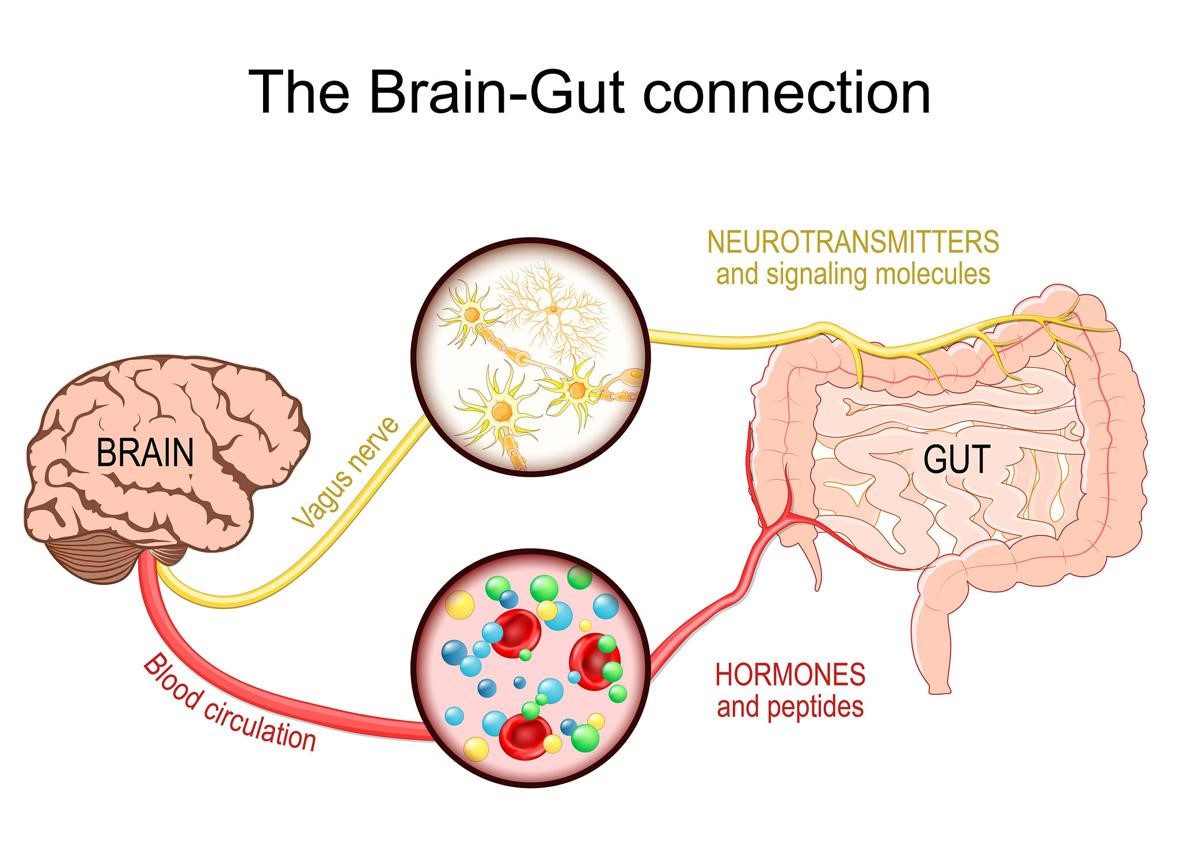

Gut health is no longer viewed as separate from metabolic health.
It plays a central role in how the body regulates glucose, inflammation, and immunity.
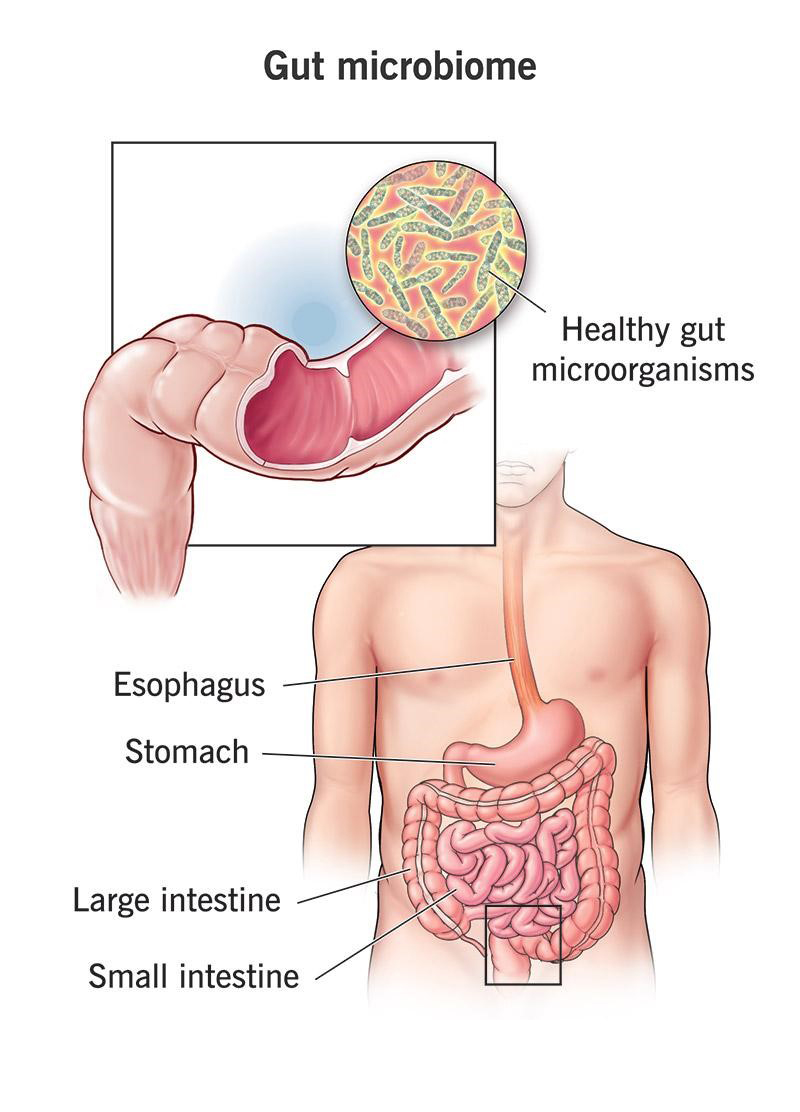
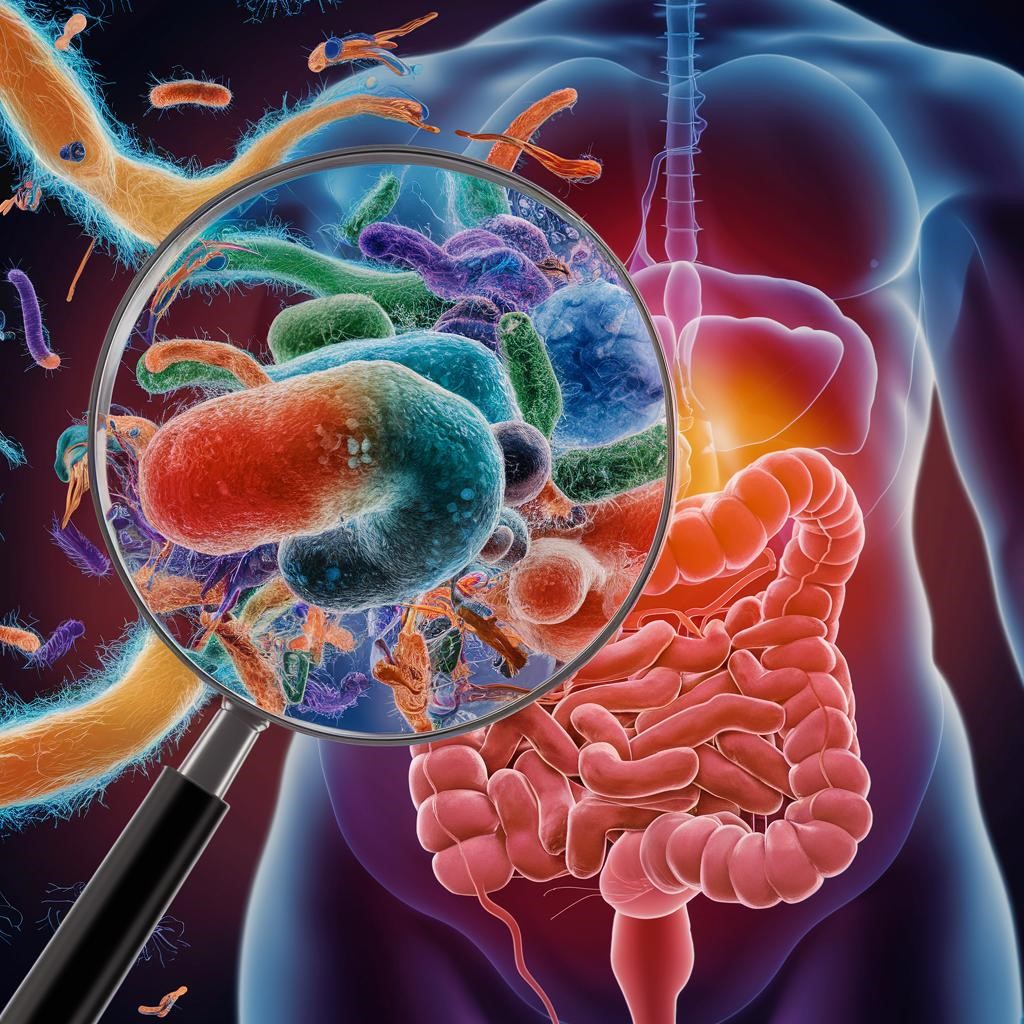
The gut contains trillions of microorganisms.
This ecosystem is known as the gut microbiome.
In diabetes, this balance is often disrupted.
This disruption does not just affect digestion.
It directly influences blood sugar control, inflammation, and overall metabolic function.
How Diabetes Alters the Gut
Diabetes creates a cascade of changes in the digestive system.
1. Microbiome Imbalance (Dysbiosis)
People with diabetes often have:
- Reduced beneficial bacteria
- Increased harmful bacteria
This imbalance leads to:
- Inflammation
- Poor glucose metabolism
- Digestive symptoms
2. Slowed Gut Motility
High blood sugar can damage nerves controlling the intestines.
This results in:
- Delayed movement of food
- Bloating and fullness
- Constipation
- In some cases, movement becomes irregular, causing diarrhea.
3. Increased Intestinal Permeability
Also called “leaky gut.”
The intestinal barrier becomes weaker.
This allows harmful substances to enter the bloodstream.
This triggers:
- Chronic inflammation
- Worsening insulin resistance
4. Reduced Digestive Efficiency
Enzyme activity and nutrient absorption may decline.
This can lead to:
- Malabsorption
- Nutrient deficiencies
- Fatigue
The Gut–Blood Sugar Connection
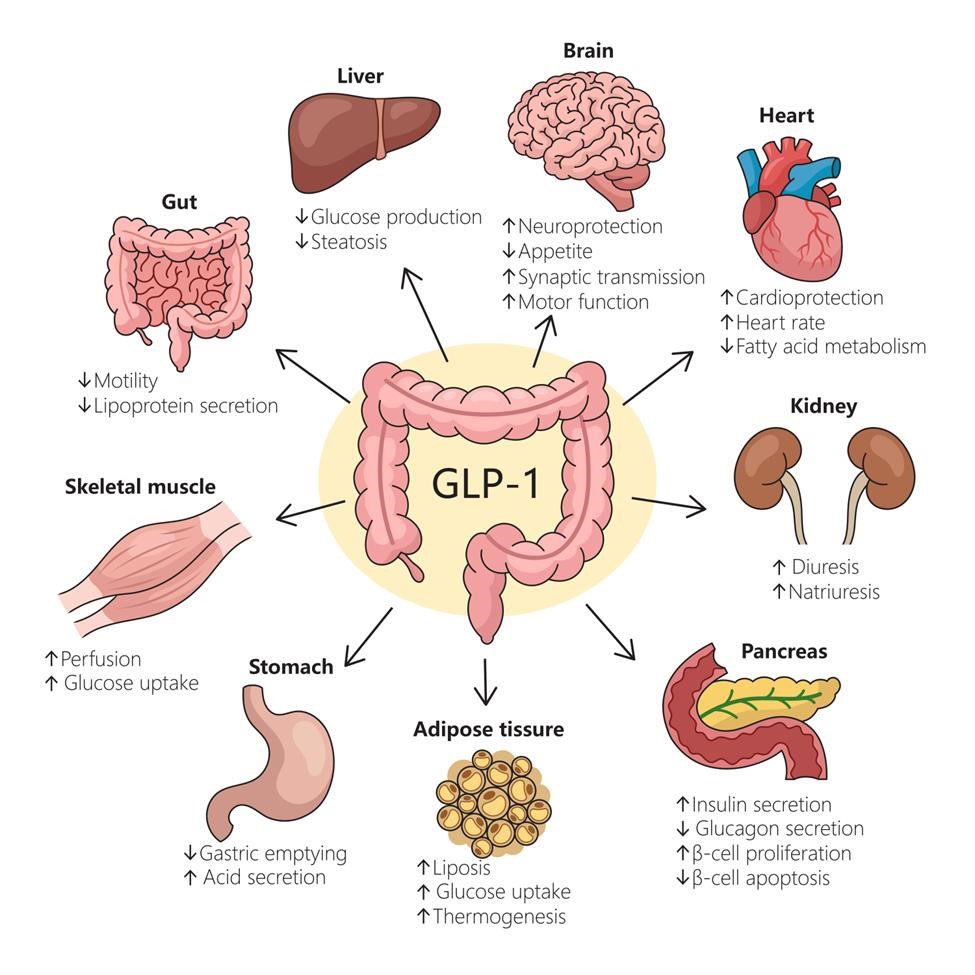


The gut directly influences blood sugar through:
Gut Hormones
Hormones like GLP-1 help regulate insulin release and appetite.
An unhealthy gut reduces their effectiveness.
Inflammation Pathways
Chronic gut inflammation increases insulin resistance.
This makes it harder to control blood sugar.
Short-Chain Fatty Acids (SCFAs)
Produced by beneficial bacteria.
They:
- Improve insulin sensitivity
- Reduce inflammation
- Support gut lining integrity
In diabetes, SCFA production is often reduced.
Common Gut Symptoms in Diabetes
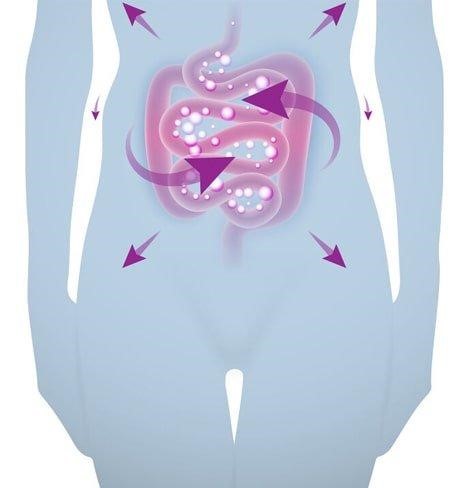
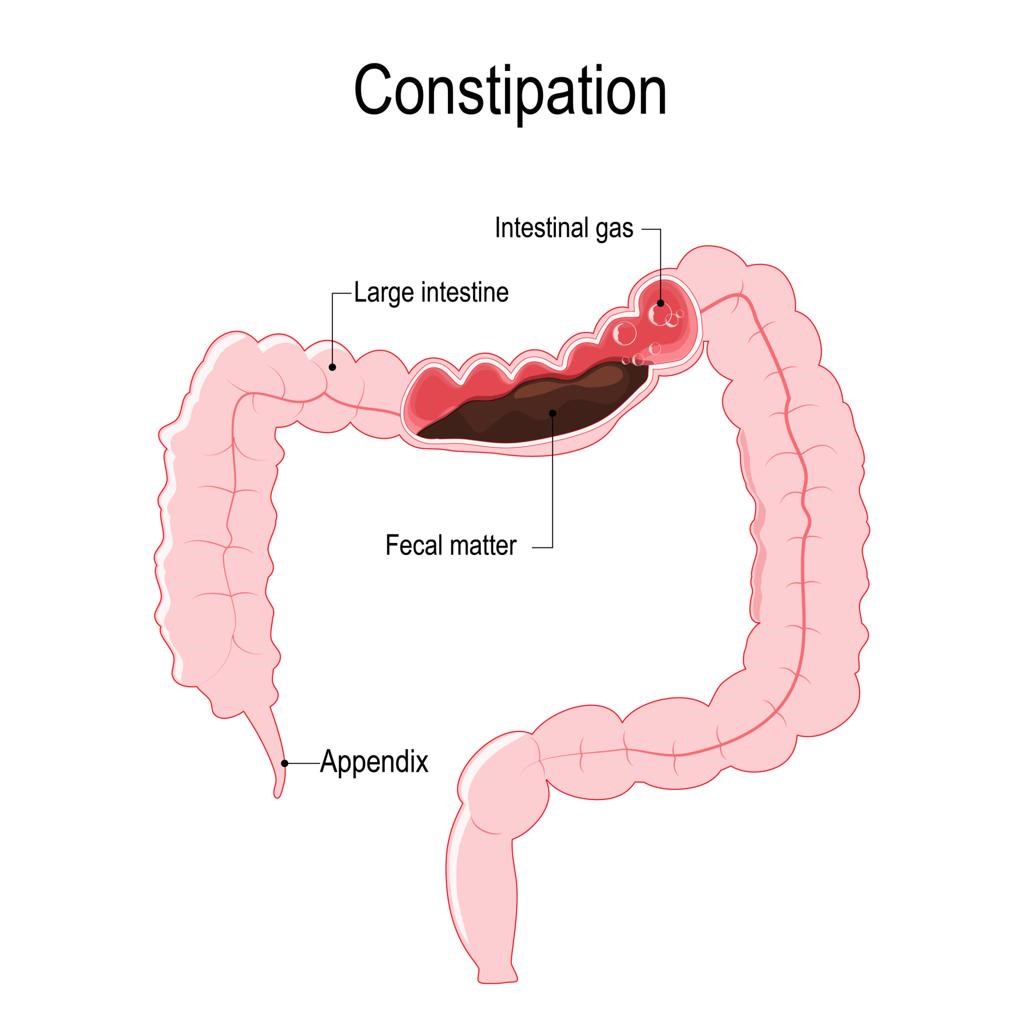
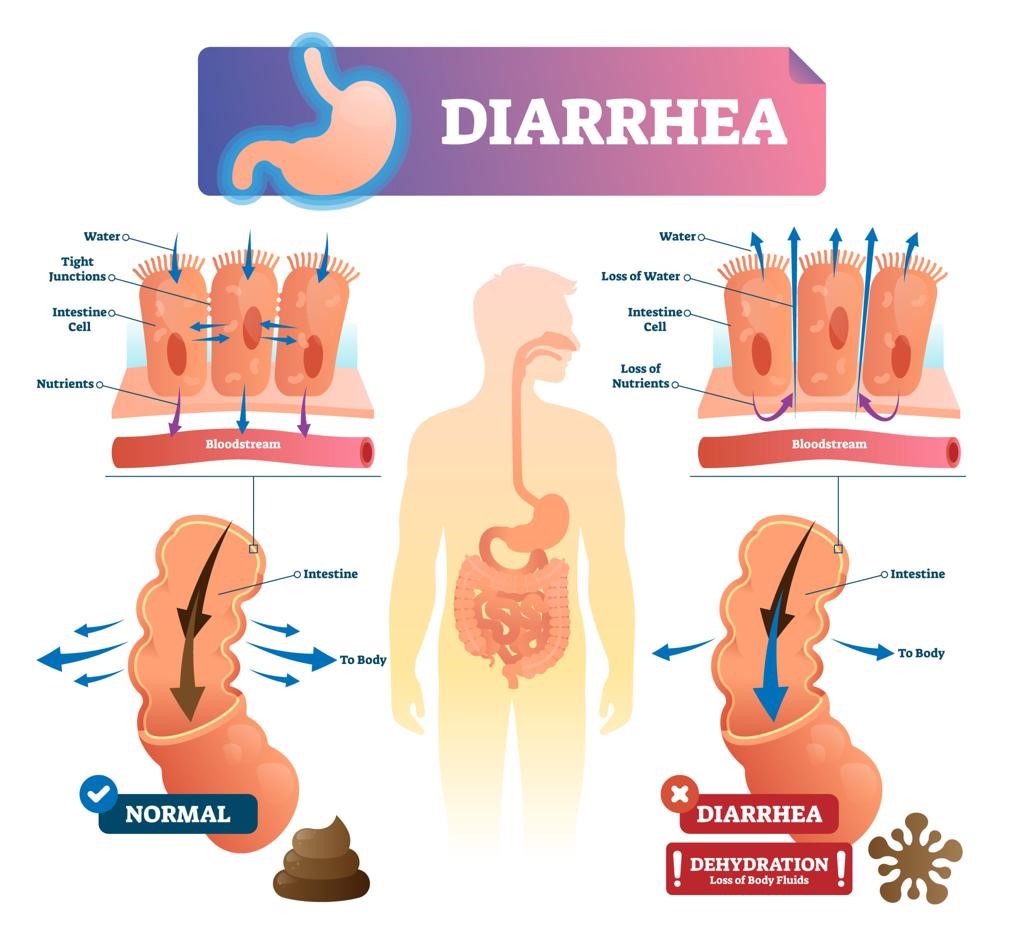
People with diabetes may experience:
- Persistent bloating
- Gas and discomfort
- Constipation
- Diarrhea
- Abdominal pain
- Irregular bowel habits
These symptoms are often overlooked.
But they may indicate underlying gut dysfunction.
Diabetes-Related Gut Conditions
1. Small Intestinal Bacterial Overgrowth (SIBO)
Slowed gut movement allows bacteria to grow excessively.
Symptoms:
- Bloating
- Gas
- Diarrhea
2. Diabetic Enteropathy
A condition affecting intestinal function.
Leads to:
- Alternating constipation and diarrhea
- Poor digestion
3. Gastroparesis
Delayed stomach emptying.
Although primarily a stomach issue, it impacts overall gut function.
4. Chronic Inflammation
Persistent low-grade inflammation damages the gut lining.
Why the Gut–Diabetes Link Is Often Missed
Many symptoms are non-specific.
Patients may attribute:
- Bloating to diet
- Constipation to lifestyle
- Diarrhea to infections
But in diabetes, these symptoms often have a deeper cause.
The gut–metabolic connection is complex.
It requires targeted evaluation.
How Improving Gut Health Helps Diabetes


Improving gut health can:
- Enhance insulin sensitivity
- Reduce inflammation
- Improve digestion
- Stabilize blood sugar levels
This makes gut health a critical part of diabetes management.
Strategies to Support Gut Health in Diabetes
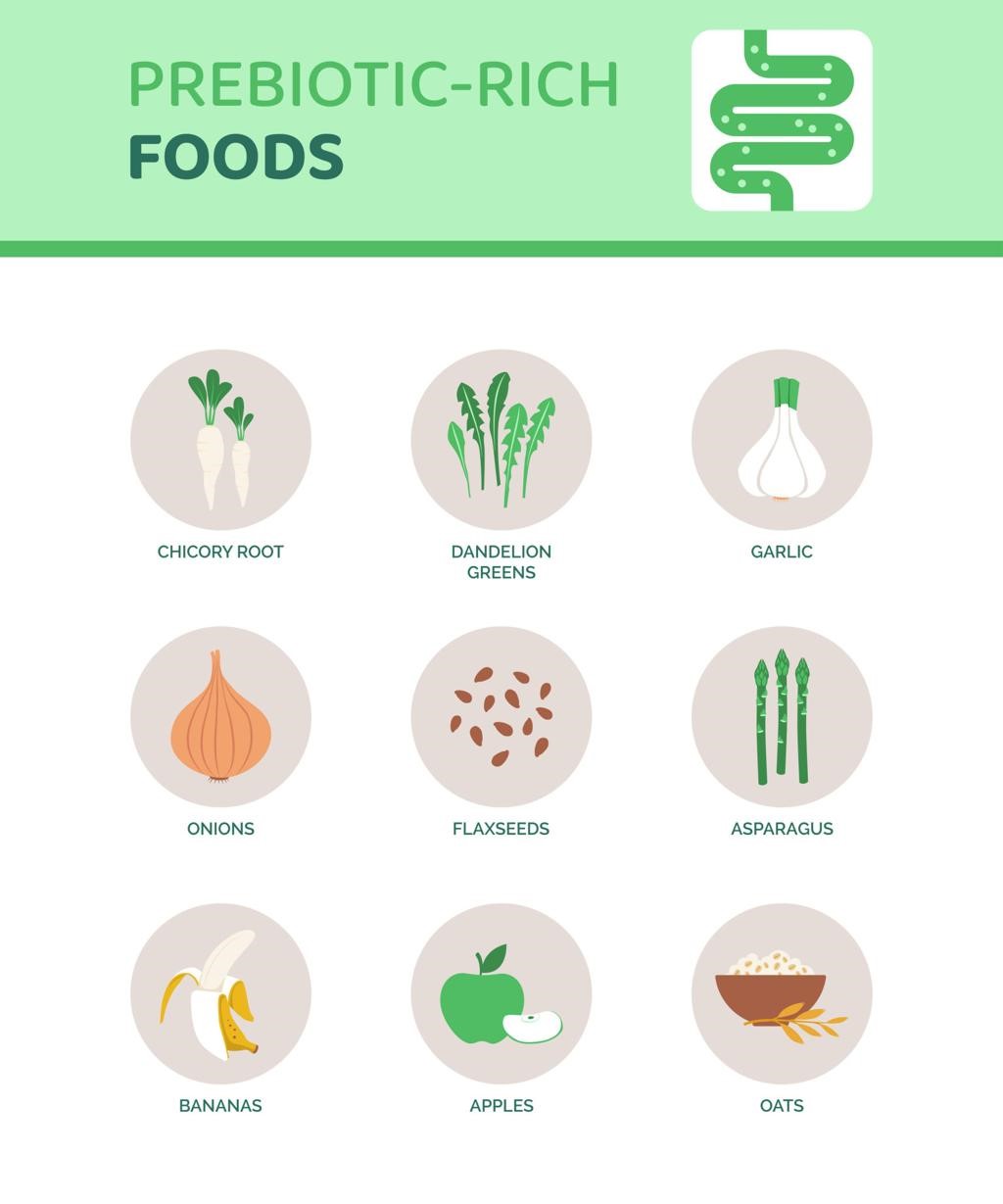
1. Increase Fiber Intake
Fiber feeds beneficial bacteria.
Sources:
- Vegetables
- Whole grains
- Legumes
2. Include Probiotics
Probiotics help restore microbiome balance.
Found in:
- Yogurt
- Fermented foods
3. Limit Processed Foods
Highly processed foods disrupt gut bacteria.
4. Maintain Stable Blood Sugar
Fluctuations worsen gut dysfunction.
5. Stay Physically Active
Exercise improves both gut health and insulin sensitivity.
6. Manage Stress
Stress affects the gut–brain axis, worsening symptoms.
When to See a Gastroenterologist
Seek medical care if you have diabetes and experience:
- Persistent bloating or gas
- Chronic constipation or diarrhea
- Unexplained abdominal pain
- Nutrient deficiencies
- Symptoms not improving with diet changes
These may indicate conditions like SIBO or diabetic enteropathy.
Diagnostic Approaches


A gastroenterologist may recommend:
- Breath tests for SIBO
- Endoscopy or colonoscopy
- Stool analysis
- Imaging studies
These tests help identify the root cause of gut symptoms.
Long-Term Impact of Ignoring Gut Health
Untreated gut dysfunction can lead to:
- Poor diabetes control
- Chronic inflammation
- Nutritional deficiencies
- Reduced quality of life
Addressing gut health early prevents complications.
Key Takeaway
Diabetes and gut health are deeply interconnected.
Changes in the microbiome, digestion, and inflammation create a cycle that worsens both gut symptoms and blood sugar control.
Recognizing and addressing gut issues early can significantly improve overall metabolic health.