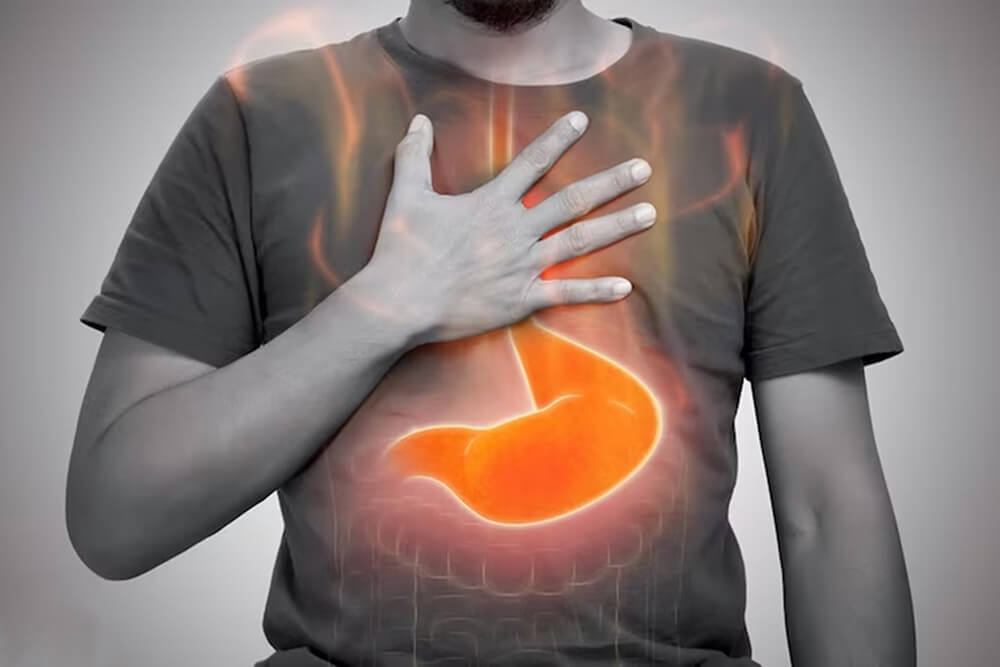
Understanding the Connection Between Diabetes and GERD
Diabetes mellitus is widely known for affecting blood sugar levels.
But its impact goes beyond glucose control.
One important yet often overlooked complication is its link to gastroesophageal reflux disease (GERD).
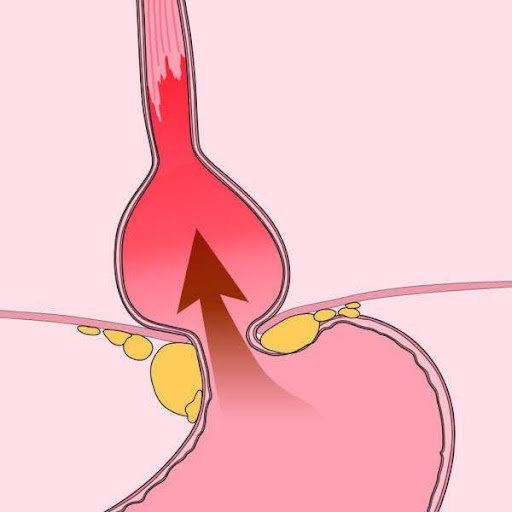
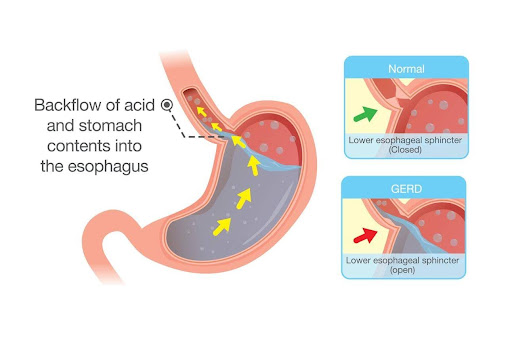
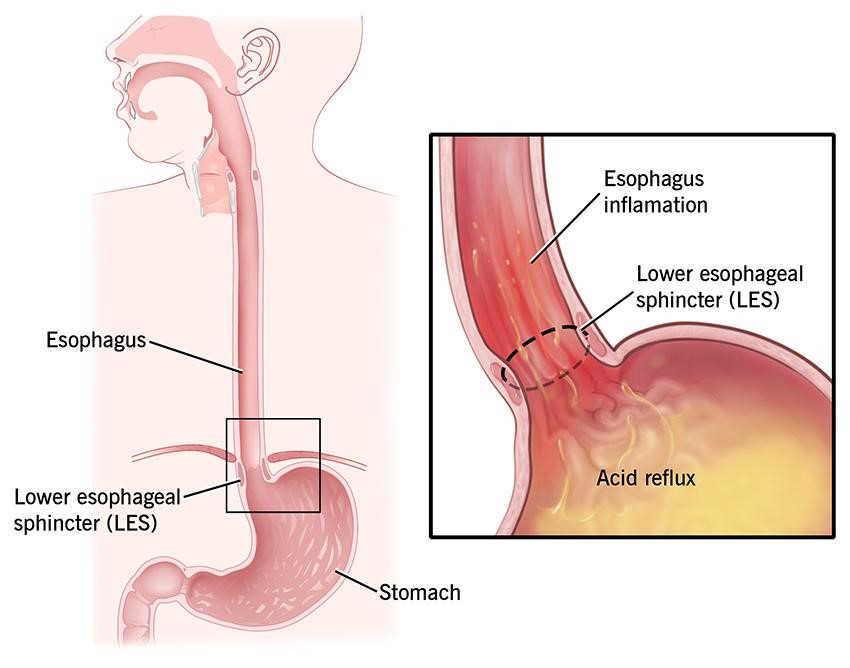
GERD is a chronic condition where stomach acid flows back into the esophagus.
This causes symptoms like heartburn, chest discomfort, and regurgitation.
People with diabetes are more likely to experience GERD.
The connection is not coincidental.
It is driven by physiological changes that affect digestion and esophageal function.
What is GERD?
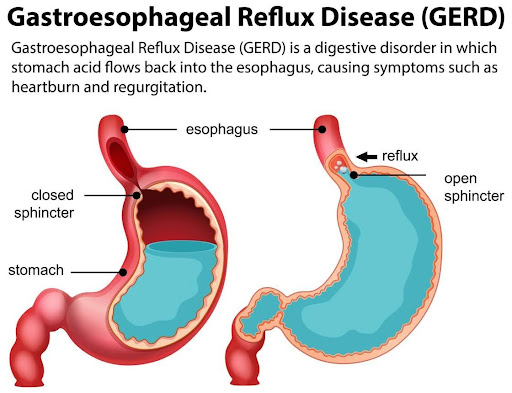
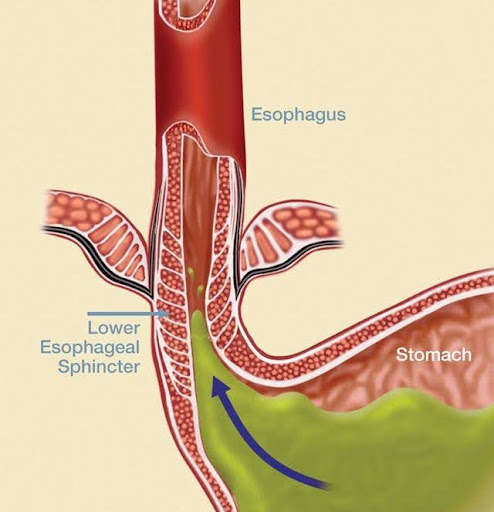
GERD occurs when the lower esophageal sphincter (LES) becomes weak or relaxes inappropriately.
This allows stomach acid to move upward into the esophagus.
Over time, repeated acid exposure can irritate the esophageal lining.
This leads to inflammation and complications if untreated.
Why Diabetes Increases the Risk of GERD
Several mechanisms explain the link between diabetes and GERD:
1. Diabetic Autonomic Neuropathy
High blood sugar can damage nerves that control the digestive system.
This affects:
- Esophageal movement
- LES function
- Stomach emptying
A weakened LES increases the risk of acid reflux.
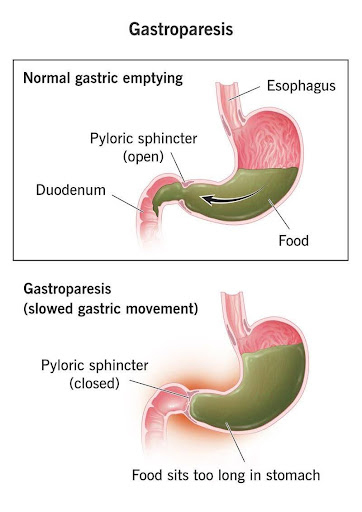
2. Gastroparesis (Delayed Stomach Emptying)
Diabetes can slow down how quickly the stomach empties.
When food stays in the stomach longer:
- Pressure builds up
- Acid is more likely to reflux into the esophagus
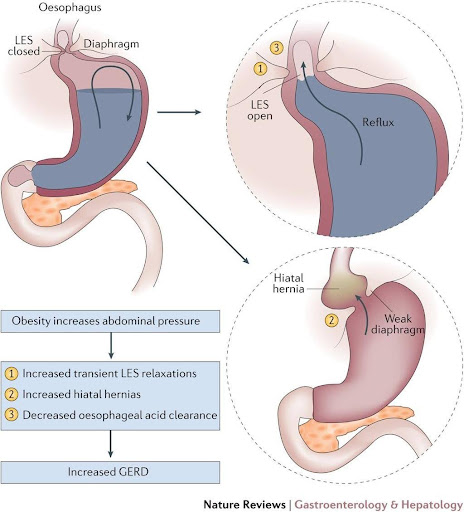
3. Obesity and Metabolic Syndrome
Many individuals with Type 2 diabetes also have obesity.
Excess abdominal pressure:
- Pushes stomach contents upward
- Worsens reflux symptoms
4. Increased Abdominal Pressure
High blood sugar fluctuations can affect digestion and gas formation.
This leads to bloating, which increases pressure on the stomach and LES.
5. Medication Effects
Certain diabetes medications may contribute to:
- Delayed gastric emptying
- Relaxation of the LES
This can worsen reflux symptoms.
Common Symptoms of GERD in People with Diabetes
Symptoms may include:
- Burning sensation in the chest (heartburn)
- Acid regurgitation
- Sour taste in the mouth
- Chronic cough
- Hoarseness
- Difficulty swallowing (dysphagia)
- Chest discomfort after meals
In some cases, symptoms may be atypical or mild.
How GERD Can Affect Diabetes Control
The relationship between diabetes and GERD is bidirectional.
GERD can also impact diabetes management.
1. Irregular Eating Patterns
Reflux symptoms may reduce appetite or alter meal timing. This affects blood sugar control.
2. Medication Absorption
Delayed gastric emptying can interfere with how medications are absorbed.
3. Sleep Disruption
Nighttime reflux can disturb sleep, which affects glucose metabolism.
When to See a Gastroenterologist
Do not ignore symptoms if you have diabetes and experience:
- Frequent heartburn (more than twice a week)
- Persistent nausea or bloating
- Difficulty swallowing
- Chronic cough or throat irritation
- Unexplained chest discomfort
- Symptoms not responding to over-the-counter medications
Early evaluation can prevent complications.
Complications of GERD in Diabetes
If untreated, GERD can lead to:
- Esophagitis (inflammation of the esophagus)
- Esophageal strictures (narrowing)
- Barrett’s esophagus (precancerous changes)
- Increased risk of esophageal cancer
Diabetes may increase the severity of these complications.
How GERD is Diagnosed
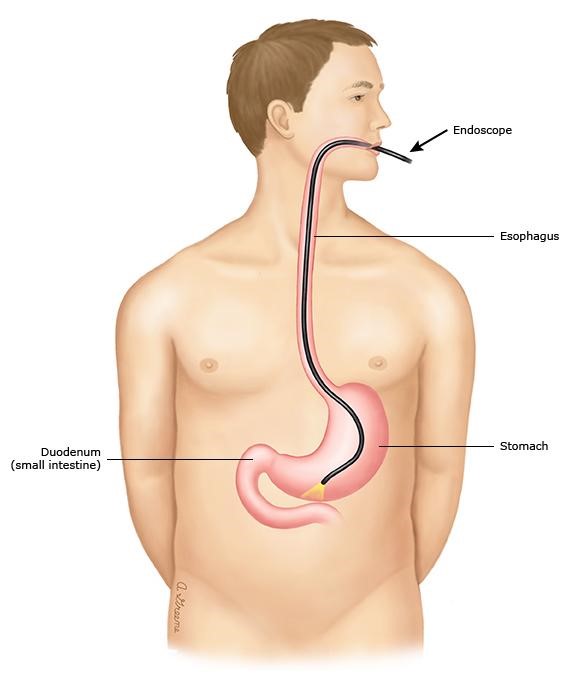
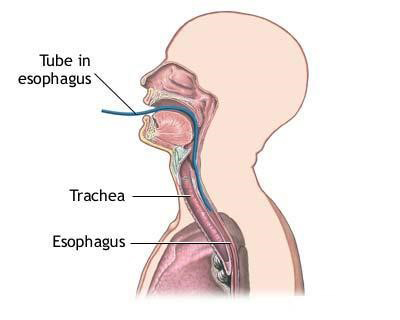
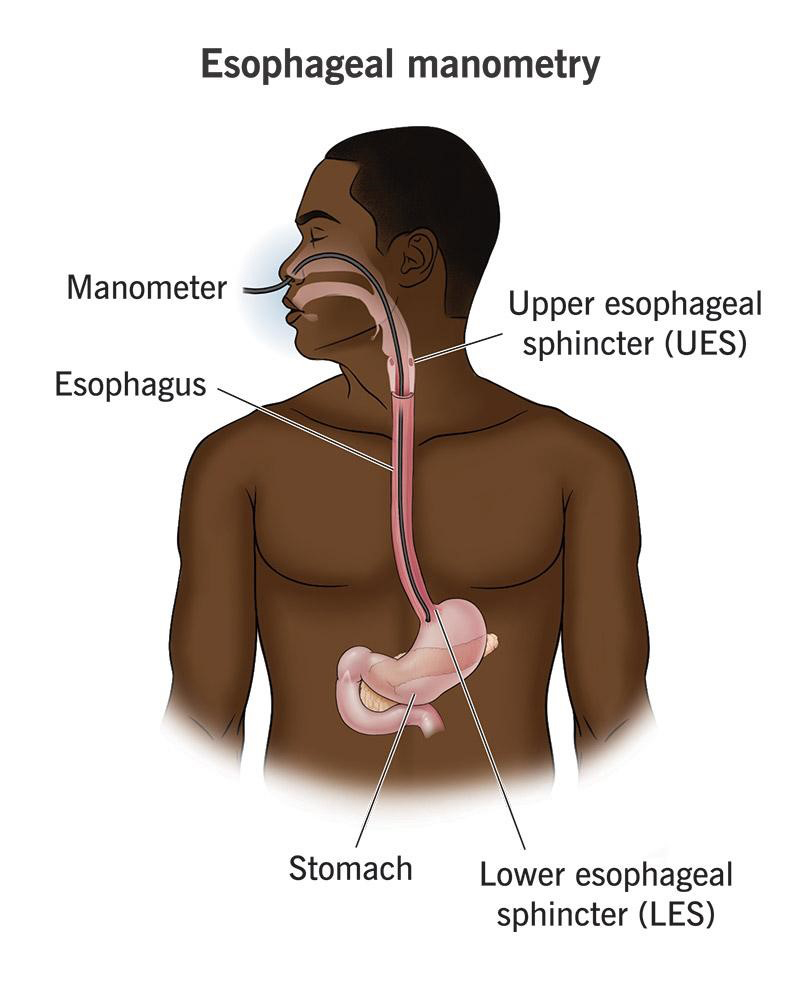
A gastroenterologist may recommend:
- Upper endoscopy (EGD)
- pH monitoring
- Esophageal manometry
- Imaging studies
These tests help confirm GERD and assess severity.
Treatment Strategies for Diabetes-Related GERD
1. Lifestyle Modifications
- Eat smaller, frequent meals
- Avoid late-night eating
- Elevate the head while sleeping
- Avoid trigger foods (spicy, fatty, caffeine)
2. Optimize Blood Sugar Control
Stable glucose levels improve digestive function.
3. Medications
- Proton pump inhibitors (PPIs)
- H2 blockers
- Prokinetic agents (for gastroparesis)
4. Weight Management
Reducing abdominal fat decreases reflux risk.
5. Advanced Treatments
In severe cases:
- Surgical procedures (e.g., fundoplication)
- Endoscopic therapies
Preventing GERD in Diabetes
Prevention focuses on both metabolic and digestive health.
Key steps:
- Maintain healthy body weight
- Monitor blood sugar regularly
- Follow a balanced diet
- Avoid smoking and alcohol
- Stay physically active
Key Takeaway
Diabetes and GERD are closely linked through nerve damage, delayed digestion, and metabolic factors.
Reflux symptoms in people with diabetes should not be ignored.
They may indicate deeper gastrointestinal dysfunction.
Early evaluation and targeted treatment can prevent complications and significantly improve quality of life.