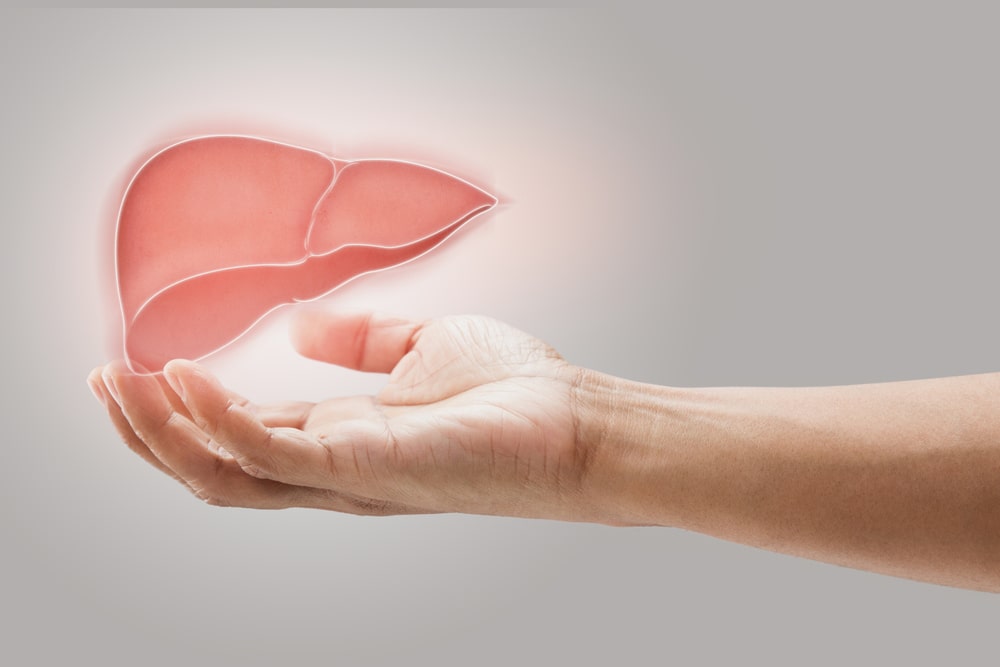
Understanding the Diabetes–Liver Connection
Diabetes mellitus does more than raise blood sugar levels.
It alters how the body processes fats, glucose, and energy.
The liver plays a central role in these processes.
It:
- Stores glucose
- Produces energy
- Regulates metabolism
When diabetes disrupts these functions, the liver becomes vulnerable.
The most common result is fat accumulation in the liver, known as fatty liver disease.
How Diabetes Affects the Liver
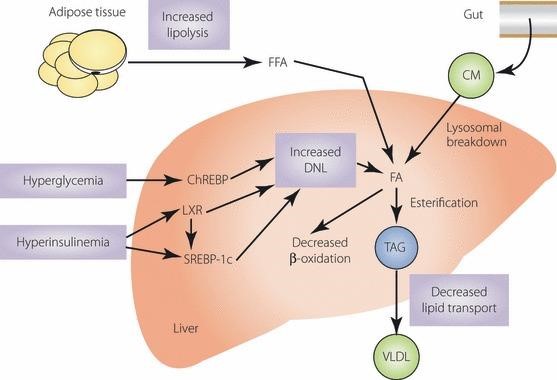
1. Insulin Resistance and Fat Build-Up
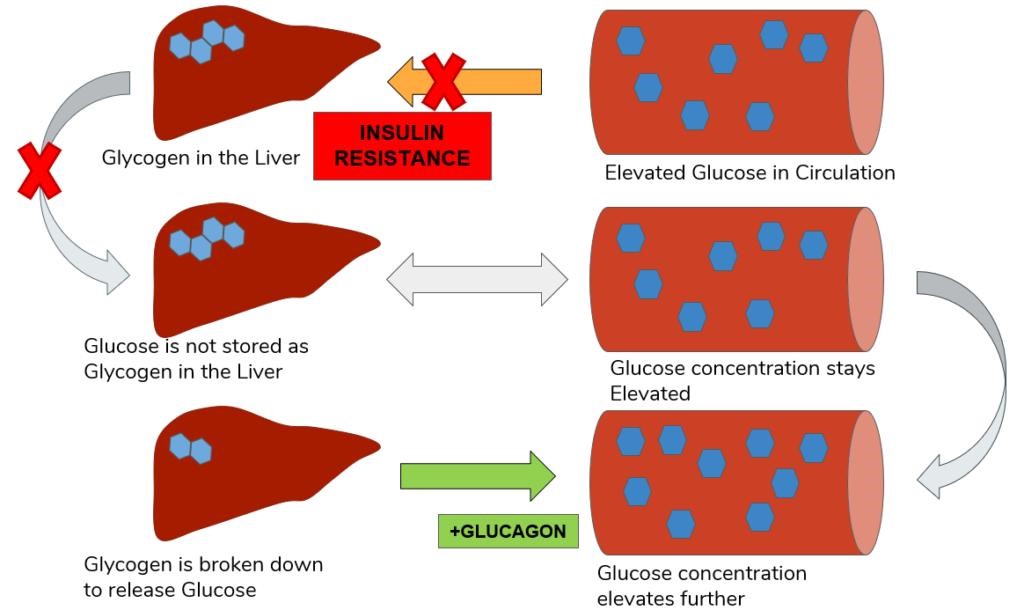
In Type 2 diabetes, the body becomes resistant to insulin.
This causes:
- Increased fat storage in liver cells
- Reduced ability to break down fat
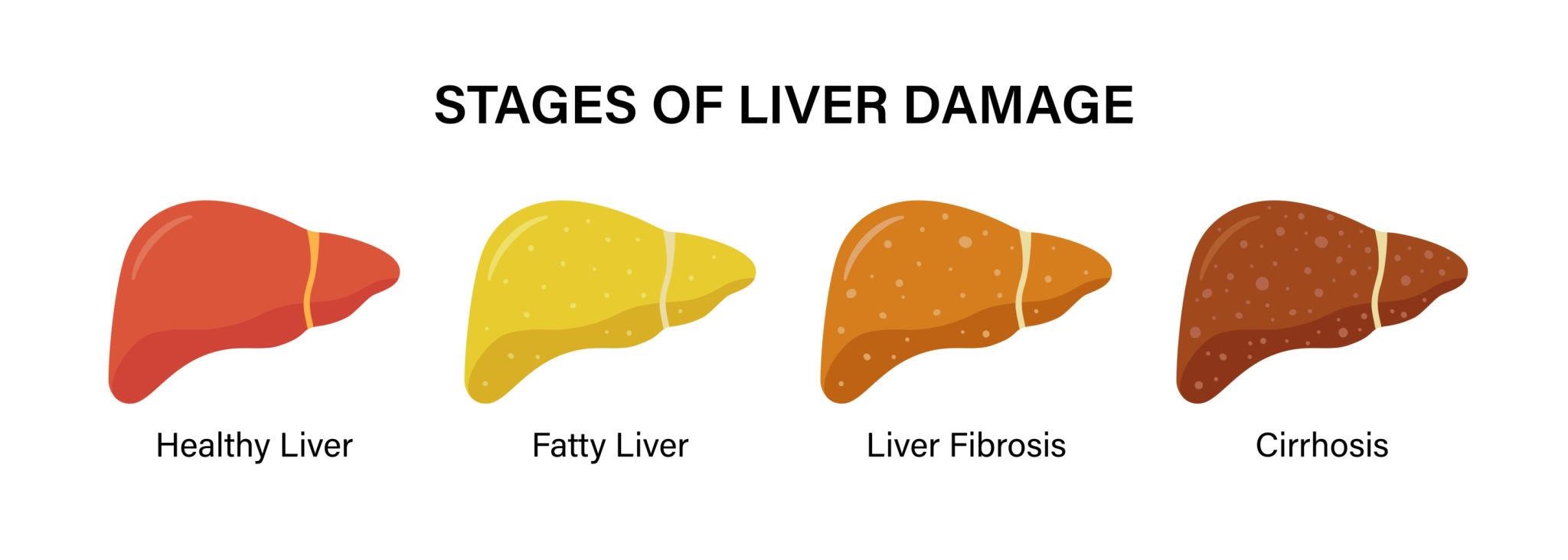
Over time, this leads to fatty liver disease.
2. Increased Glucose Production
The liver normally releases glucose when needed.
In diabetes:
- The liver produces excess glucose
- Blood sugar levels remain elevated
This creates a cycle that worsens both diabetes and liver function.
3. Inflammation and Liver Damage
Fat accumulation can trigger inflammation.
This condition is called:
- Nonalcoholic steatohepatitis (NASH)
If untreated, it may progress to:
- Fibrosis (scarring)
- Cirrhosis (advanced liver damage)
4. Altered Lipid Metabolism
Diabetes affects how fats are processed.
This leads to:
- High triglycerides
- Increased liver fat
- Greater risk of metabolic complications
Common Liver Conditions Linked to Diabetes
1. Nonalcoholic Fatty Liver Disease (NAFLD)
The most common liver condition in people with diabetes.
It occurs when excess fat builds up in the liver.
2. Nonalcoholic Steatohepatitis (NASH)
A more severe form of fatty liver disease.
It involves:
- Inflammation
- Liver cell damage
3. Liver Fibrosis and Cirrhosis
Chronic inflammation can cause scarring.
Advanced scarring leads to cirrhosis, which affects liver function.
4. Increased Risk of Liver Cancer
Long-term liver damage increases the risk of hepatocellular carcinoma.
Symptoms of Liver Problems in Diabetes
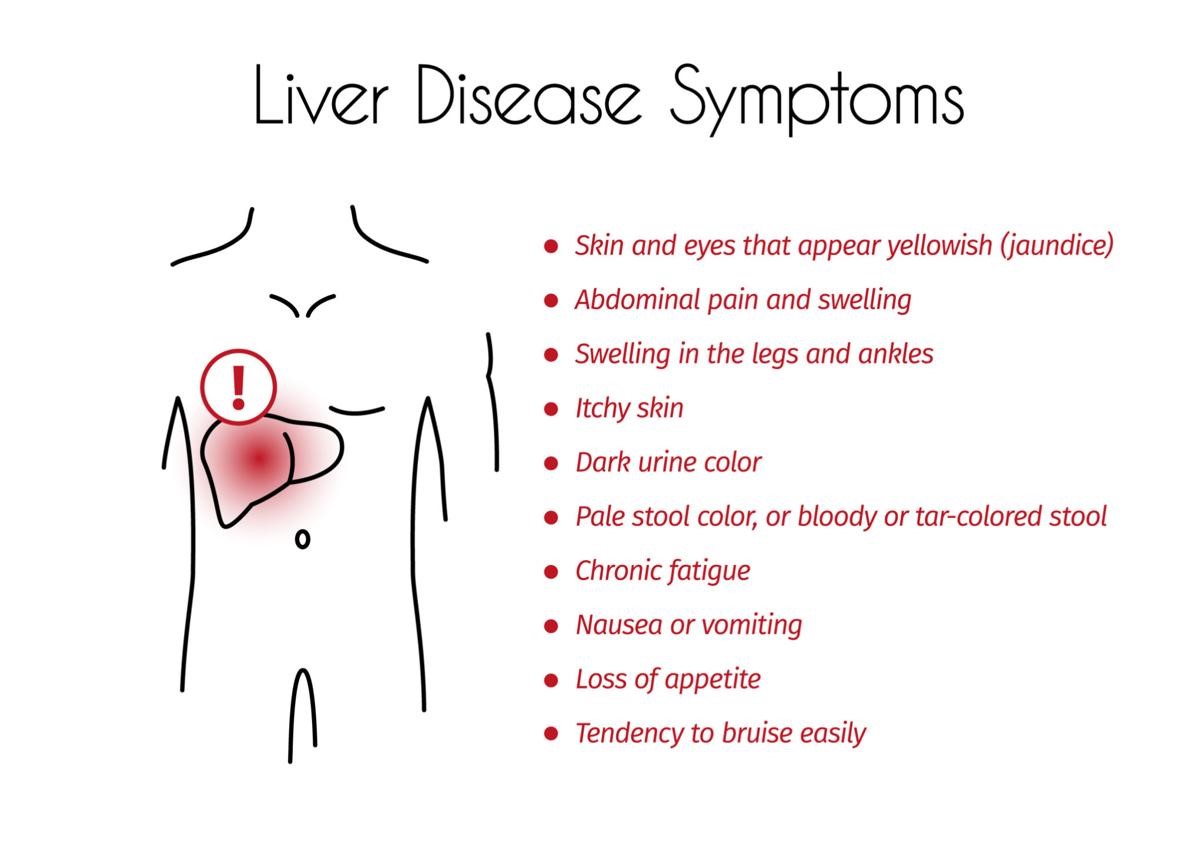
Early liver disease often has no symptoms.
Symptoms may include:
- Fatigue
- Unexplained weight loss
- Right upper abdominal discomfort
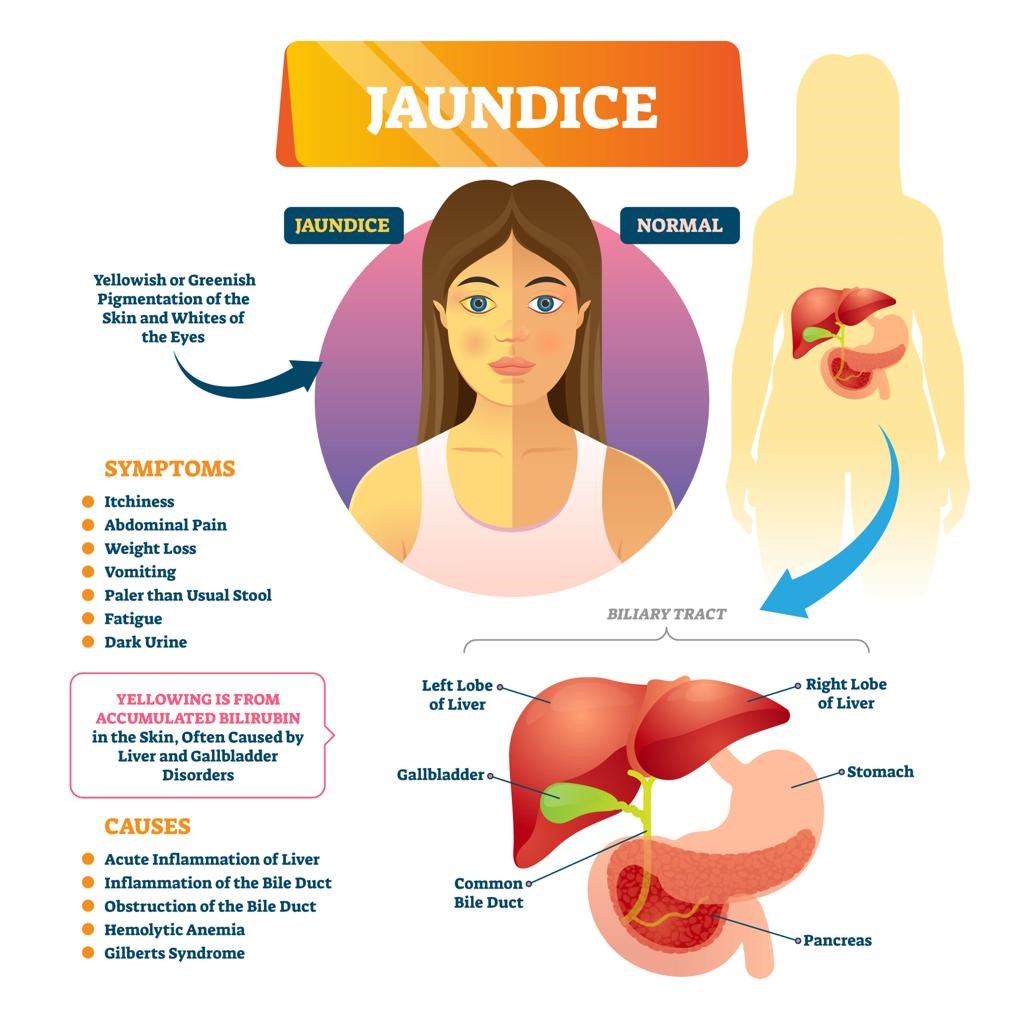
- Jaundice (yellowing of skin or eyes)
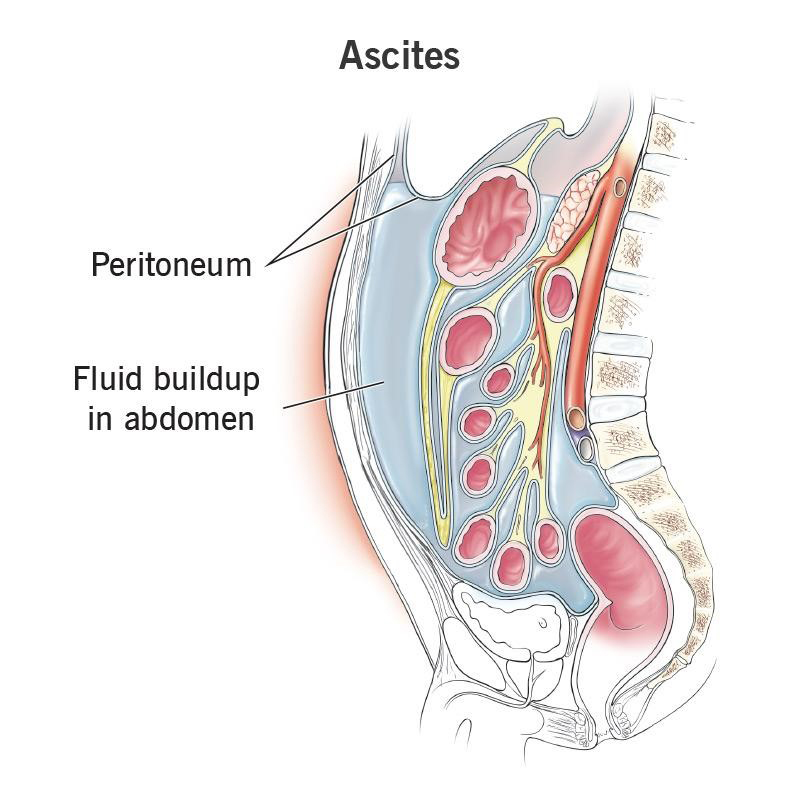
- Swelling in the abdomen (ascites)
- Weakness
Because symptoms appear late, screening is important.
Who Is at Higher Risk?
People with diabetes are at higher risk if they also have:
- Obesity
- High cholesterol or triglycerides
- High blood pressure
- Sedentary lifestyle
- Poor dietary habits
This cluster is often called metabolic syndrome.
How Liver Disease is Diagnosed
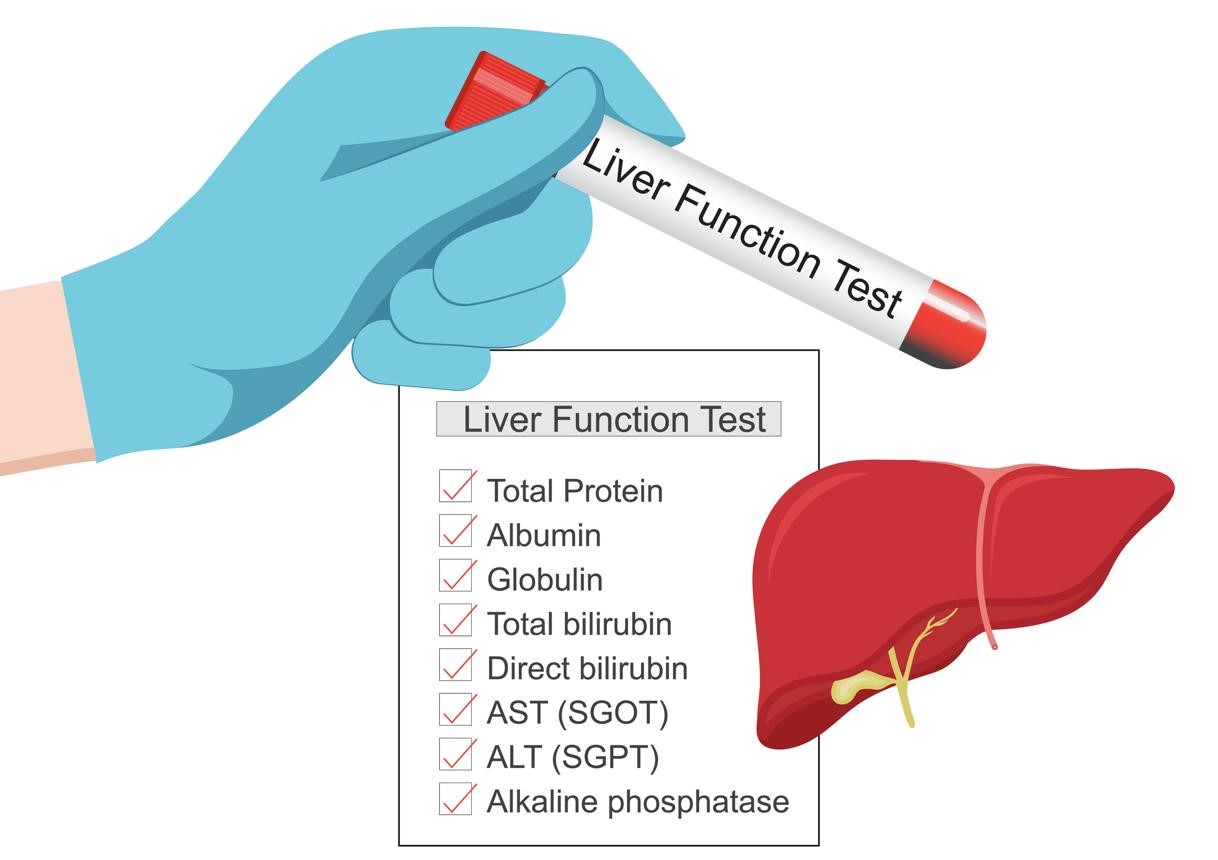
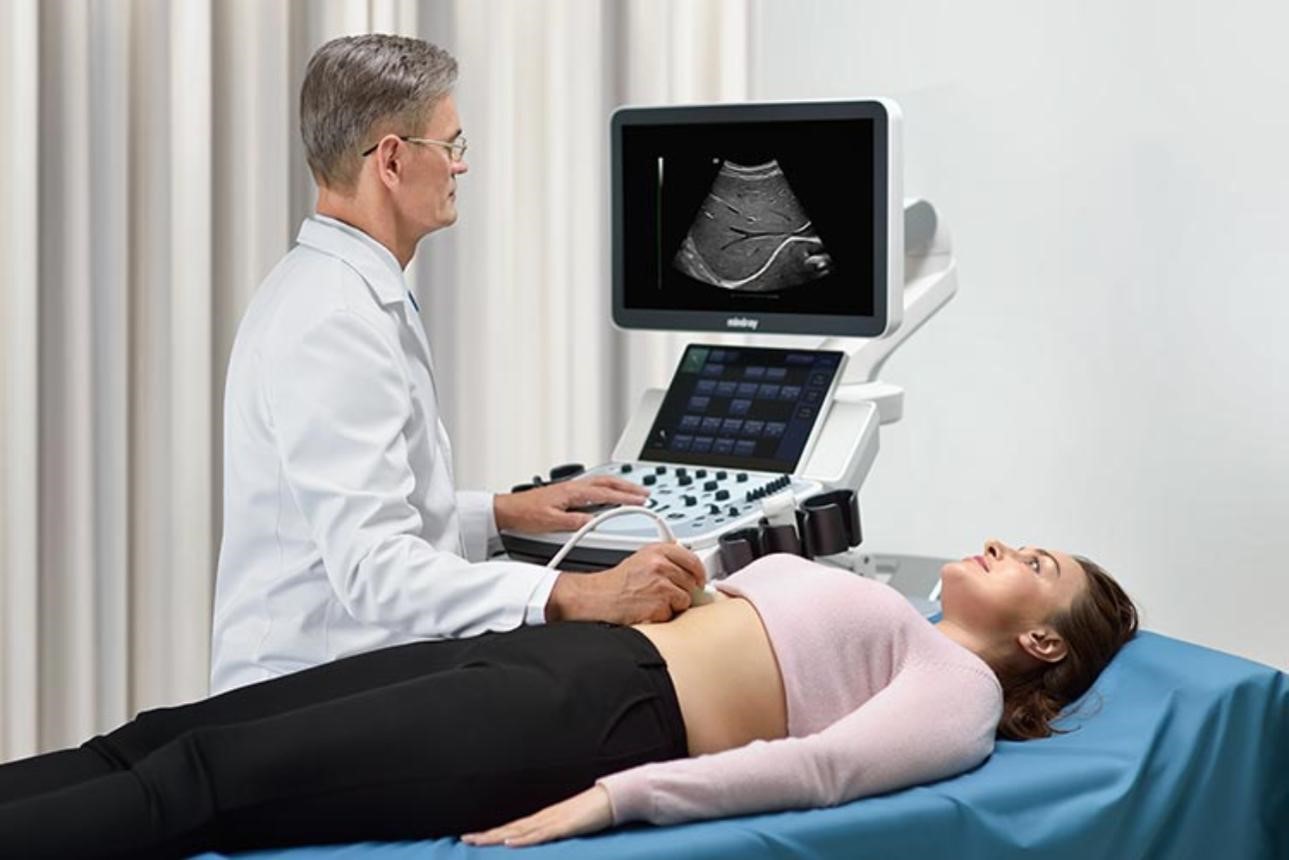
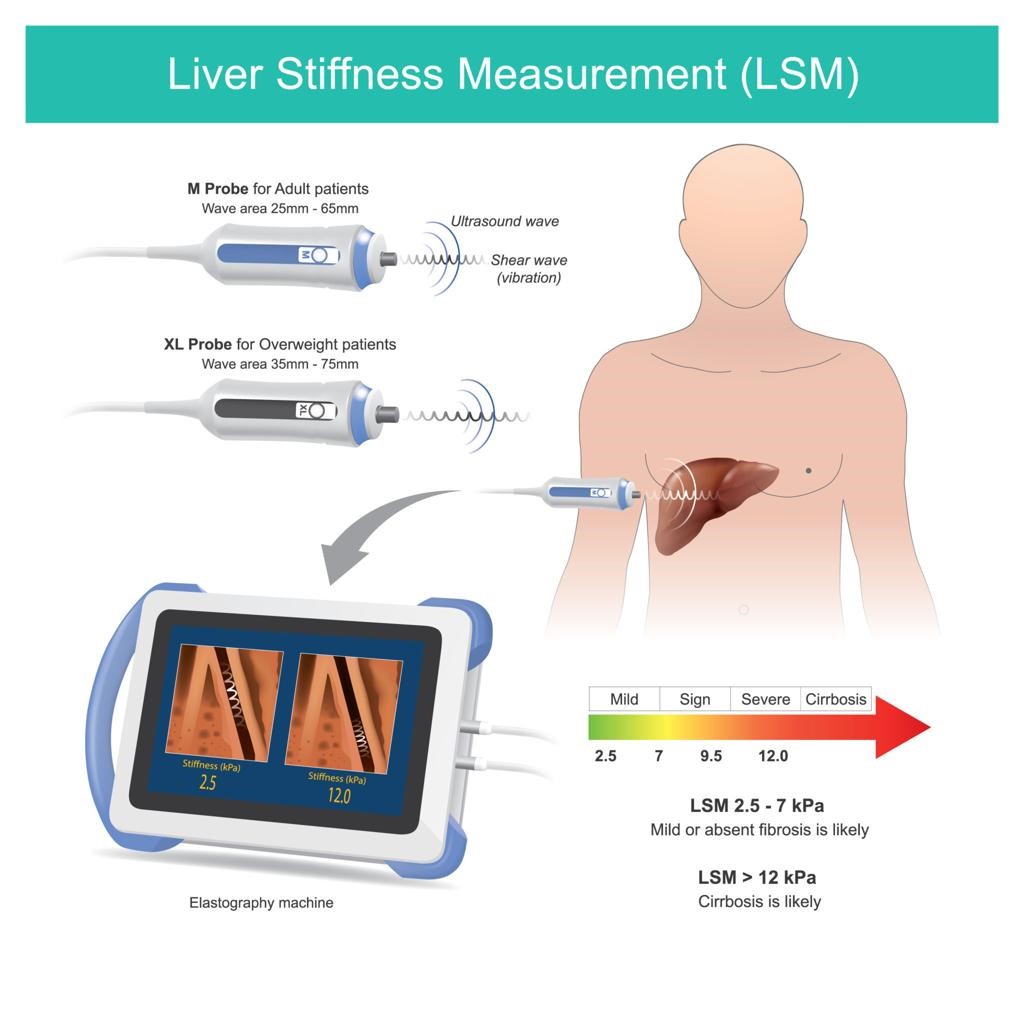
Doctors may recommend:
- Liver function tests (blood tests)
- Ultrasound imaging
- FibroScan (measures liver stiffness)
- CT or MRI scans
- Liver biopsy (in advanced cases)
Early diagnosis helps prevent progression.
Why Early Detection Matters
Liver disease progresses silently.
Without intervention, it can lead to:
- Permanent liver damage
- Liver failure
- Increased mortality risk
Early detection allows:
- Reversal of fatty liver
- Control of inflammation
- Prevention of complications
Can Diabetes-Related Liver Disease Be Reversed?
In early stages, yes.
Fatty liver disease can often be reversed with:
- Weight loss
- Improved blood sugar control
- Healthy diet
- Regular physical activity
However, advanced stages like cirrhosis are not reversible.
Treatment and Management
1. Blood Sugar Control
Maintaining stable glucose levels reduces liver stress.
2. Weight Management
Even a 5–10% weight loss can significantly improve liver health.
3. Dietary Changes
- Reduce processed foods
- Limit sugar and refined carbs
- Increase fiber intake
4. Medications
- Control diabetes
- Manage cholesterol
- Reduce inflammation
5. Regular Monitoring
Routine follow-ups help track liver health.
When to See a Gastroenterologist
Seek medical evaluation if you have diabetes and:
- Persistent fatigue
- Abdominal swelling or discomfort
- Elevated liver enzymes
- Unexplained weight changes
- Symptoms of jaundice
Early specialist care can prevent severe complications.
Preventing Liver Complications in Diabetes
Key strategies:
- Maintain healthy body weight
- Control blood sugar levels
- Exercise regularly
- Avoid alcohol or limit intake
- Monitor liver function periodically
Prevention is more effective than treatment.
Key Takeaway
Diabetes can significantly affect liver health.
It increases the risk of fatty liver disease, inflammation, and long-term liver damage.
Because liver disease often develops silently, early screening and proactive management are essential.
Addressing both diabetes and liver health together improves outcomes and reduces complications.