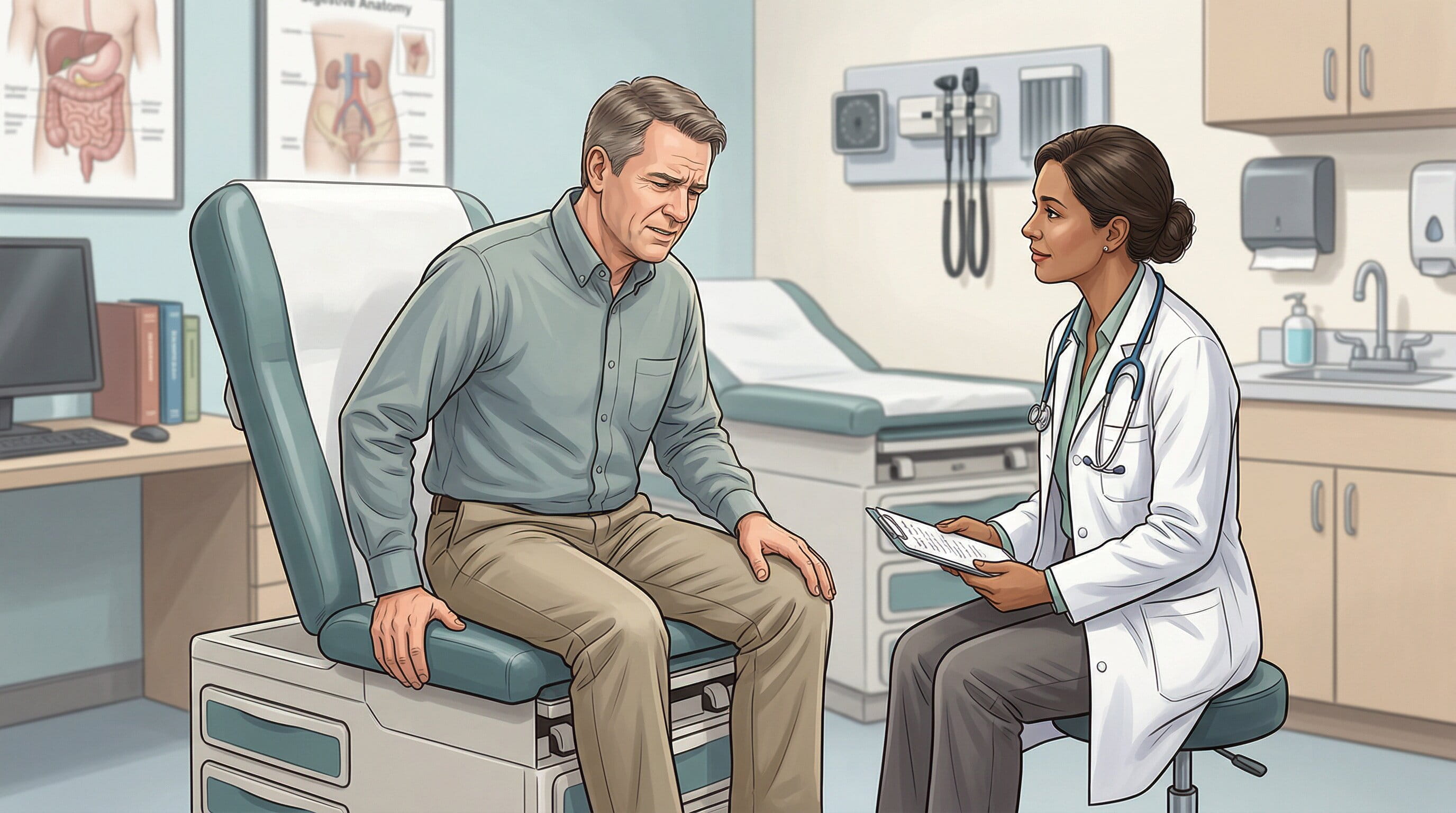
Not Every Hemorrhoid Needs Surgery—But Some Do
One of the biggest fears people have when dealing with hemorrhoids is this:
“Will I need surgery?”
And because of that fear, many people:
- Delay seeing a doctor
- Rely only on temporary fixes
- Or avoid treatment altogether
But here’s the truth:
- Most hemorrhoids do NOT require surgery.
- And when they do, options today are far more advanced and manageable than people expect.
The key is understanding:
- What stage you’re in
- What treatment options exist
- And what actually makes sense for your condition
This guide will walk you through both non-surgical and surgical treatments—in a way that’s simple, realistic, and easy to understand.
First, Why Treatment Depends on Severity
Hemorrhoids are not all the same.
Some are:
- Mild and occasional
- Others are persistent and painful
Doctors usually classify hemorrhoids into stages (especially internal ones):
- Grade 1: Mild, no prolapse
- Grade 2: Prolapse during bowel movement but goes back
- Grade 3: Needs manual pushing back
- Grade 4: Permanently prolapsed
Treatment depends heavily on this progression.

Understanding Non-Surgical Treatments (First Line of Care)
Let’s start with the good news.
If your hemorrhoids are:
- Early-stage
- Not severely painful
- Not constantly bleeding
Non-surgical treatments are usually enough.
1. Medications and Medical Management
This is often the first step.
Doctors may prescribe:
- Topical creams
- Anti-inflammatory medications
- Stool softeners
What this does:
- Reduces swelling
- Relieves discomfort
- Makes bowel movements easier
But here’s something important:
Medications don’t “remove” hemorrhoids—they manage symptoms and allow healing.
2. Rubber Band Ligation (One of the Most Common Procedures)
This is a widely used, minimally invasive treatment.
How it works:
- A small rubber band is placed around the hemorrhoid, cutting off its blood supply.
What happens next:
- The hemorrhoid shrinks
- It eventually falls off
Why it’s preferred:
- Quick procedure
- No major surgery
- Minimal downtime
Ideal for internal hemorrhoids (Grade 2–3)
3. Sclerotherapy
This involves injecting a solution into the hemorrhoid.
What it does:
- Shrinks the vein
- Reduces blood flow
Best for:
- Smaller hemorrhoids
- Early-stage cases
4. Infrared Coagulation
This uses heat to shrink hemorrhoidal tissue.
Why it works:
- Heat cuts off blood supply → hemorrhoid reduces over time
Benefits:
- Quick
- Less discomfort
- No major recovery time
So, When Do Non-Surgical Treatments Work Best?
They are most effective when:
- Symptoms are caught early
- There’s no severe prolapse
- Pain is manageable
- Lifestyle changes are followed
This is why early consultation matters.
Now Let’s Talk About Surgical Options (When Needed)
Surgery is usually considered when:
- Hemorrhoids are large
- Symptoms are severe
- Other treatments haven’t worked
And here’s where perception needs to change:
Surgery today is not what it used to be.
1. Hemorrhoidectomy (Traditional Surgery)
This is the complete removal of hemorrhoids.
When it’s used:
- Severe cases
- Large external hemorrhoids
- Persistent symptoms
What to expect:
- Done under anesthesia
- Requires recovery time
Reality:
It’s effective—but recovery can take longer compared to newer options.
2. Stapled Hemorrhoidopexy
A more advanced surgical method.
What it does:
- Repositions hemorrhoids
- Reduces blood supply
Benefits:
- Less pain compared to traditional surgery
- Faster recovery
3. Laser Treatment for Hemorrhoids (Modern Approach)
This is becoming increasingly popular.
How it works:
- Laser energy is used to shrink hemorrhoidal tissue.
Why patients prefer it:
- Minimal pain
- Faster recovery
- Less bleeding
Ideal for:
Moderate to severe cases
This is often seen as a balance between effectiveness and comfort.
Non-Surgical vs Surgical: The Real Difference
Instead of just comparing procedures, let’s simplify:
Non-Surgical Treatments:
- Less invasive
- Minimal recovery time
- Best for early to moderate stages
Surgical Treatments:
- More definitive solution
- Used for advanced cases
- May require recovery time
It’s not about “better vs worse”—it’s about what’s appropriate for your condition.

How Doctors Decide What’s Right for You
Treatment is not random.
Doctors consider:
- Severity of hemorrhoids
- Frequency of symptoms
- Pain level
- Your lifestyle and medical history
This is why self-treatment often falls short—you’re missing the full picture.
What Recovery Actually Looks Like
Let’s address another big concern.
Non-Surgical Recovery:
- Usually quick
- Resume normal activity within days
Surgical Recovery:
- May take a few days to weeks
- Depends on the procedure
But modern techniques have significantly reduced downtime.
Common Myths About Treatment
- “All hemorrhoids need surgery”
False—most don’t - “Surgery is extremely painful”
Outdated perception - “If treated, it won’t come back”
Lifestyle still matters
The Role of Lifestyle (Even After Treatment)
No matter the treatment:
If habits don’t change, symptoms can return.
Focus on:
- Diet
- Hydration
- Avoiding strain
Treatment solves the condition—lifestyle prevents recurrence.
When Should You Consider Moving Beyond Home Care?
If you’ve already:
- Tried diet changes
- Managed symptoms temporarily
But still experience:
- Recurring issues
- Increasing discomfort
It’s time to explore medical treatment options.
Final Thought
The goal isn’t to jump to surgery—or avoid it at all costs.
It’s to:
- Understand your condition
- Choose the right level of treatment
- And act at the right time
The earlier you act, the simpler the solution.
If you’ve been dealing with recurring or worsening symptoms, understanding the right treatment option for your condition can make all the difference. A proper evaluation can help you choose a solution that’s effective, comfortable, and suited to your needs.