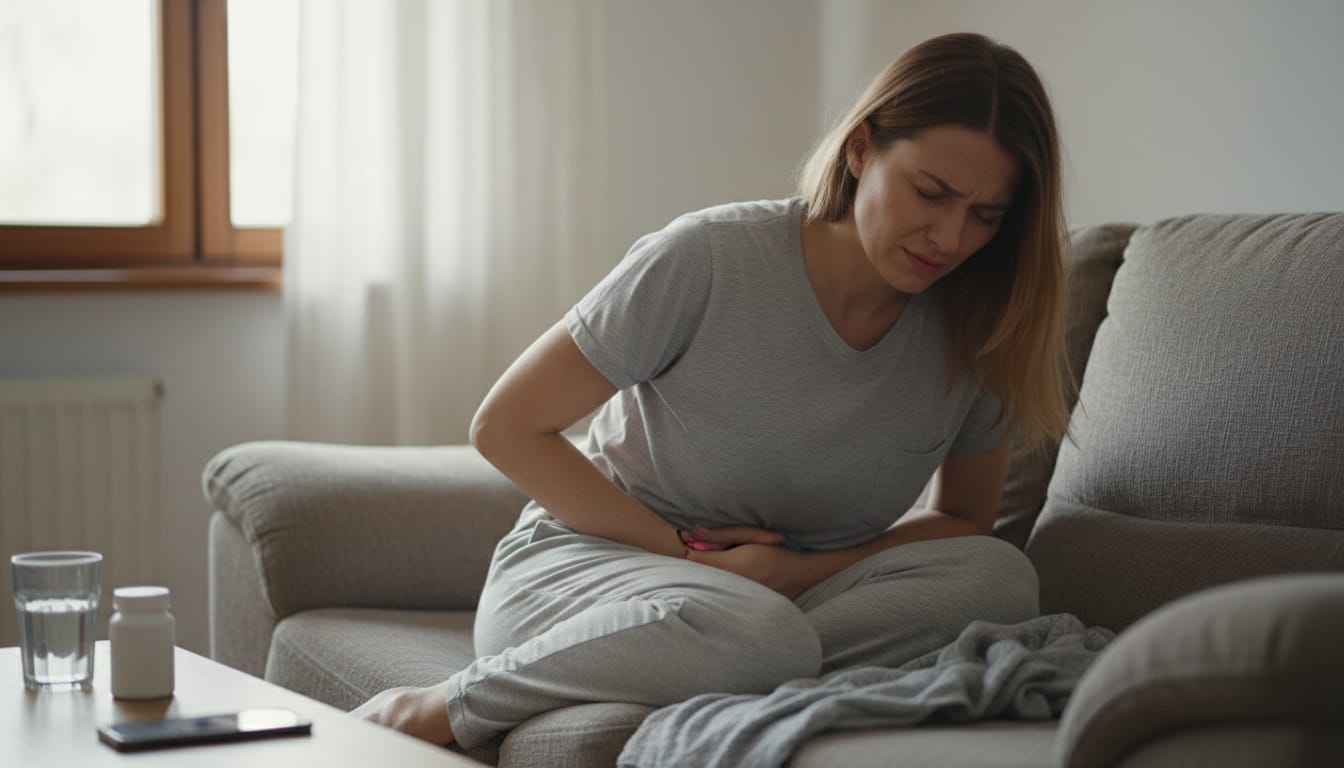








Gallbladder disease is a common cause of abdominal pain, especially pain in the upper right abdomen that may start after eating, especially after a heavy or fatty meal. The most common reason is gallstones, which can block the normal flow of bile and trigger a gallbladder attack. Some people also develop cholecystitis, which is inflammation of the gallbladder and can cause more severe pain, fever, nausea, and tenderness.
The gallbladder stores bile made by the liver and releases it into the small intestine to help digest fats. Gallstones form when the substances in bile, such as cholesterol or bilirubin, become imbalanced. Many gallstones stay silent, but when a stone blocks the bile ducts, it can cause sudden pain known as a gallbladder attack or biliary colic.
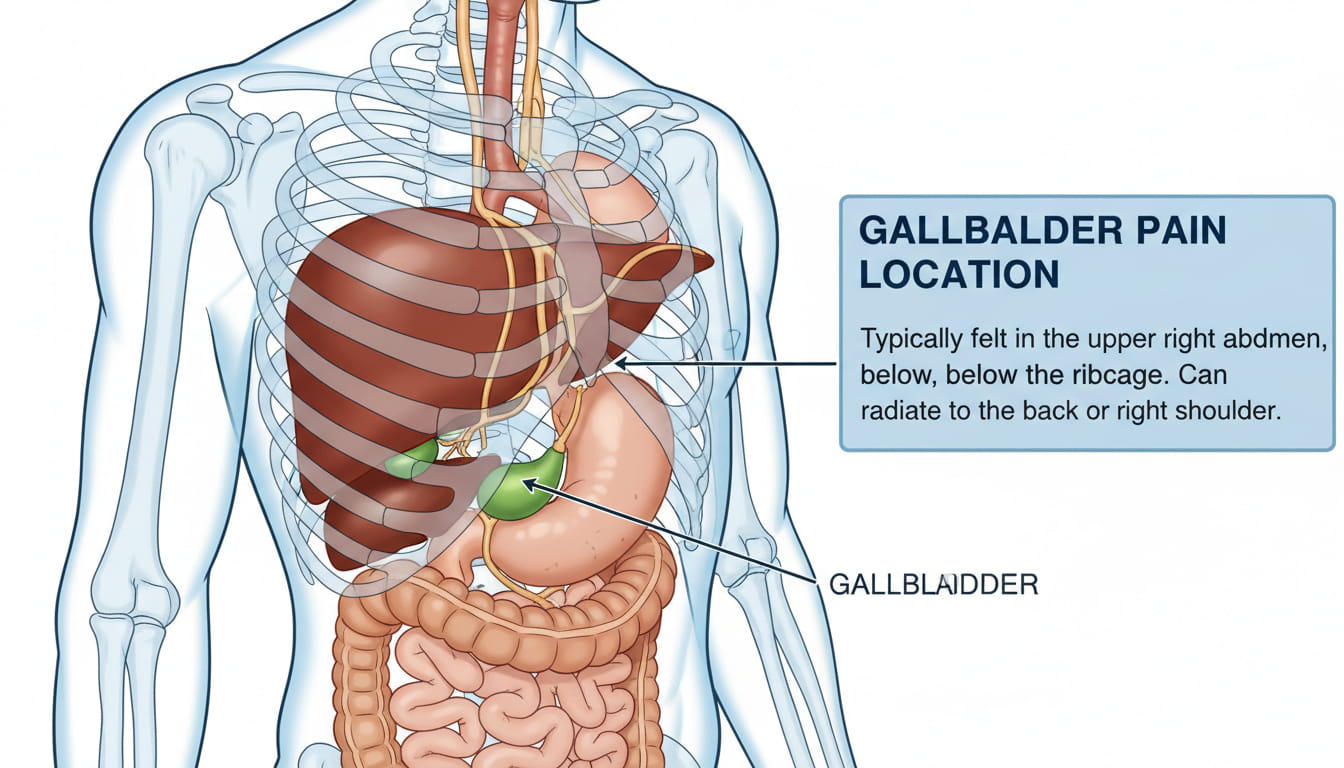
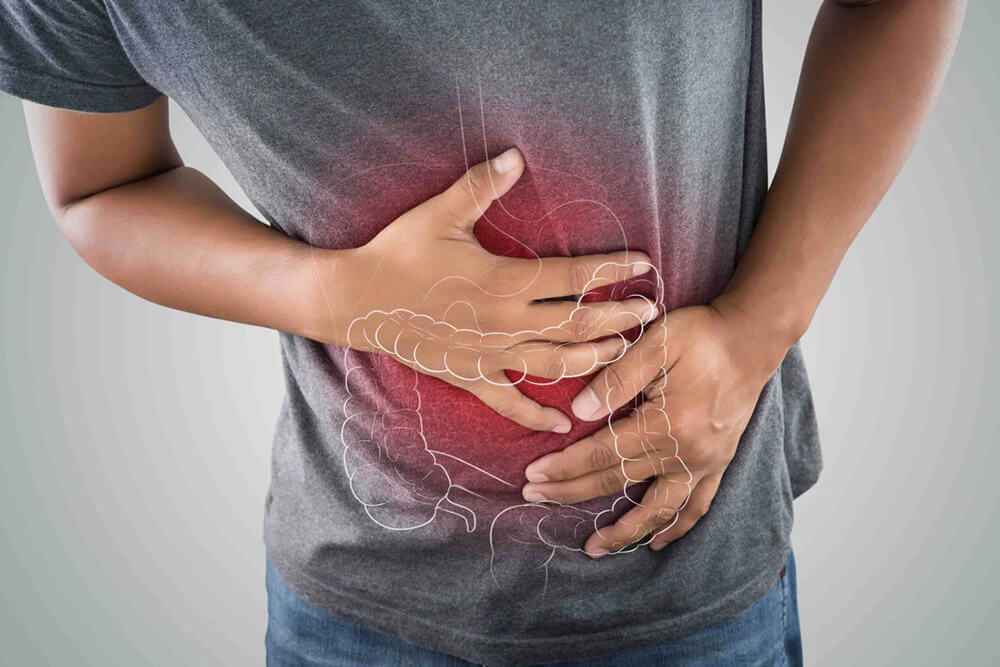
Gallbladder pain usually occurs in the upper right abdomen or sometimes in the center upper abdomen. It may build quickly, become intense, and last from minutes to hours. Some patients describe it as sharp, cramping, squeezing, or stabbing. The pain can also spread to the right shoulder blade or the back. It often appears after eating, especially after a large or fatty meal, and may happen in the evening or at night.
Gallbladder disease is broader than just gallstones. Cleveland Clinic notes that gallbladder disease can also cause digestive symptoms such as bloating, nausea, gas, and diarrhea after eating. If the gallbladder becomes inflamed, the condition is called cholecystitis, and symptoms may include severe abdominal pain, fever, vomiting, and tenderness when the abdomen is touched.
That symptom pattern is more useful than the word “bloating” alone, because many digestive problems can cause bloating, while gallbladder pain has a more recognizable location and timing pattern.
Gallbladder pain needs urgent medical evaluation if the abdominal pain is so severe that you cannot sit still or get comfortable, or if it occurs with jaundice, fever, or chills. Untreated gallstones can lead to serious complications such as gallbladder infection, bile duct obstruction, or pancreatitis. Persistent blockage can also increase the risk of infection in the bile ducts and other potentially serious biliary complications.
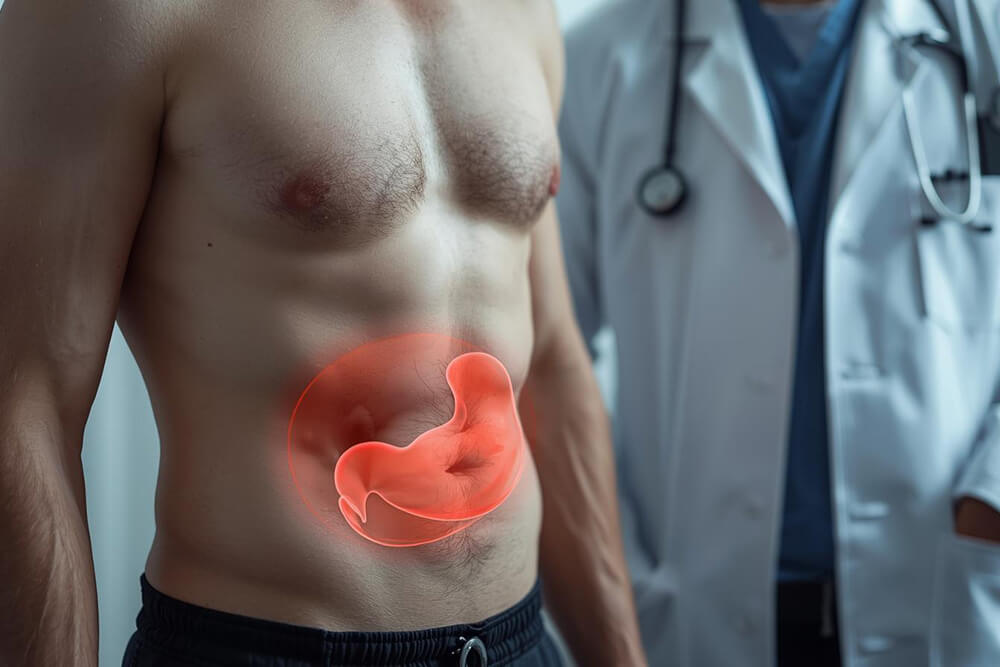
Diagnosis usually starts with a symptom history and a physical exam, especially looking for upper abdominal tenderness and attack patterns. NIDDK states that ultrasound is the best imaging test for finding gallstones. Depending on the case, clinicians may also use blood work, MRCP, CT, or ERCP to look for inflammation, blockage, or complications involving the bile ducts or pancreas.

Not every gallstone needs treatment. If gallstones are silent and not causing symptoms, they often do not need intervention. But when gallstones are causing attacks or complications, the usual treatment is surgery to remove the gallbladder, called cholecystectomy. NIDDK and ACG both note that symptomatic gallstones are commonly treated with gallbladder removal, while some selected cholesterol stones may be managed non-surgically in certain cases.
Gallbladder disease plays a major role in abdominal pain, especially when the pain is in the upper right abdomen, happens after meals, or radiates to the back or shoulder. The most common culprit is gallstones, but inflammation, blockage, and infection can make the condition more serious. For Cypress patients, recurring abdominal pain should not be brushed off as simple indigestion if the pattern fits gallbladder disease. Proper evaluation helps separate mild digestive discomfort from a condition that may need urgent treatment.
Gallbladder disease is often manageable, but it is easiest to address when the symptom pattern is recognized early. If abdominal pain keeps returning after meals, feels focused in the upper right abdomen, or spreads to the back or shoulder, it is worth getting checked rather than assuming it is only indigestion.
Dr. Bharat Pothuri is a Board-Certified Gastroenterologist and Hepatologist. With extensive experience in digestive health, he specializes in advanced endoscopic procedures, chronic GI disorder management, and preventive care. Dr. Pothuri is dedicated to providing expert, patient-focused insights to help improve gut health and overall well-being.
Gallbladder pain is usually felt in the upper right abdomen or upper middle abdomen. It may feel sharp, cramping, squeezing, or intense, and it can spread to the back or right shoulder. It often starts after a heavy or fatty meal.
Yes. Gallbladder attacks often happen after eating, especially after large or fatty meals, because the gallbladder contracts to release bile. If a gallstone blocks the bile flow, that contraction can trigger pain.
Most gallbladder pain is located in the upper right abdomen. Some people also feel it in the center upper abdomen, back, or right shoulder blade because gallbladder pain can radiate.
Yes. Gallstones and other gallbladder disorders can cause bloating, nausea, digestive discomfort, and sometimes vomiting, especially when symptoms flare after meals.
It should be treated urgently if the pain is severe, lasts, prevents you from getting comfortable, or comes with fever, chills, jaundice, or ongoing vomiting. These symptoms can suggest inflammation, infection, or bile duct blockage.
Gallstones are most often diagnosed with an abdominal ultrasound. Doctors may also use blood tests and, in some cases, MRCP, CT, or ERCP to check for complications or duct blockage.
No. Silent gallstones that do not cause symptoms often do not need treatment. But symptomatic gallstones usually need treatment, and the most common treatment is surgical removal of the gallbladder.
Cholecystitis is inflammation of the gallbladder. It often causes severe upper abdominal pain, nausea, vomiting, fever, and tenderness, and it may need urgent treatment.
Yes. Early gallbladder disease can overlap with bloating, indigestion, nausea, and post-meal discomfort. The location of the pain, the timing after meals, and radiation to the back or shoulder can help distinguish it from simple gas.
You should seek evaluation if you have repeated upper abdominal pain, meal-related attacks, nausea, bloating, or pain that spreads to your back or shoulder. GastroDoxs lists Cypress GI care led by board-certified Dr. Bharat Pothuri and local gallstone evaluation resources for patients in Cypress.