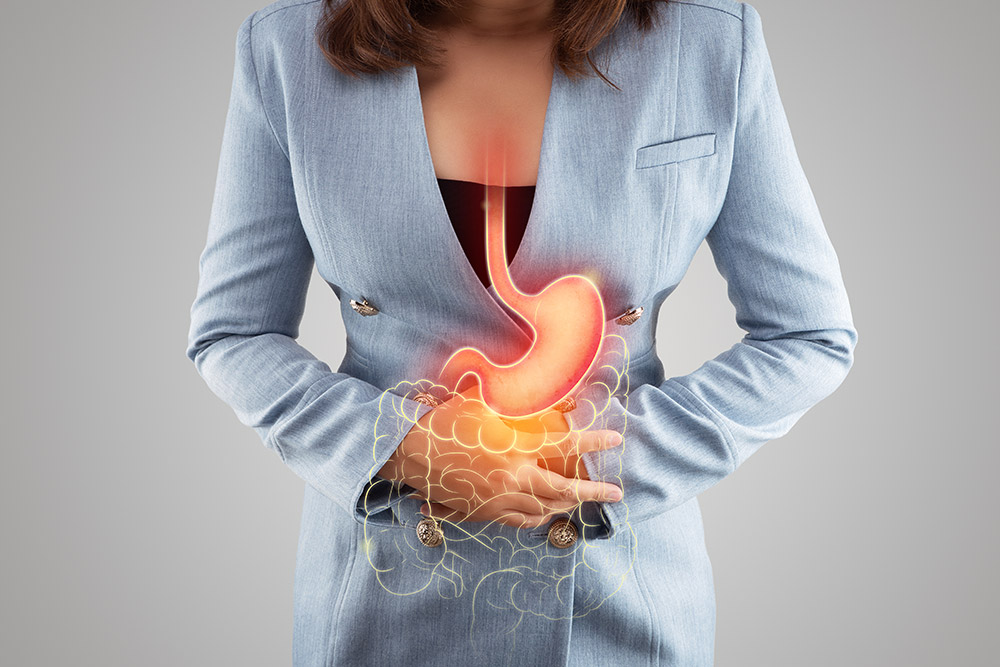
Colitis means inflammation in the colon, also called the large intestine. When the colon becomes inflamed, bowel habits can change. You may notice diarrhea, urgency, cramping, mucus, blood in the stool, fatigue, or a feeling that you still need to pass stool even after using the bathroom. Some cases are short-term and related to infection. Others may be chronic and need long-term care from a gastroenterologist.
The early signs of colitis can be easy to dismiss. Many people first think they ate something bad, caught a stomach bug, or are dealing with stress. While that can be true, symptoms that last, return, worsen, or include bleeding should not be ignored.
Colitis is not one single condition. It can happen for different reasons, including ulcerative colitis, infection, reduced blood flow to the colon, microscopic inflammation, medication effects, or other digestive conditions. Because the causes are different, the right treatment depends on the right diagnosis.
This guide explains the early signs of colitis, when symptoms may be urgent, how different types of colitis can appear, and when to book an evaluation with a gastroenterologist.
Quick Answer: What Are the Early Signs of Colitis?

Early signs of colitis may include:
- Diarrhea that does not quickly improve
- Loose stools with urgency
- Blood in the stool or rectal bleeding
- Mucus in the stool
- Abdominal cramps or lower belly pain
- A frequent need to use the bathroom
- Feeling unable to fully empty the bowel
- Fatigue or weakness
- Fever or chills, especially with infection
- Unexplained weight loss
- Symptoms that wake you up at night
Blood in the stool, severe abdominal pain, dehydration, fever, persistent diarrhea, or sudden worsening symptoms should be evaluated promptly. Ulcerative colitis often causes bloody diarrhea, urgency, and abdominal cramping, while infectious colitis may appear suddenly after contaminated food, travel, or exposure to illness.
Why Early Colitis Symptoms Matter
The colon plays an important role in absorbing water and forming stool. When the colon lining becomes inflamed, it may not absorb fluid normally. This can lead to diarrhea, urgency, cramping, and sometimes bleeding.
Early symptoms matter because colitis can progress. Mild inflammation may become more severe if the cause is not identified. In some cases, ongoing inflammation can increase the risk of dehydration, anemia, severe flare-ups, hospitalization, or long-term colon damage.
Not every episode of diarrhea is colitis. A short stomach upset can happen after a meal change, viral illness, or temporary infection. But diarrhea that keeps coming back, comes with blood, or causes ongoing pain needs medical attention.
1. Diarrhea That Persists or Keeps Returning
One of the most common early signs of colitis is diarrhea. This may mean loose, watery, or frequent stools. Some people go several times a day. Others feel that once they need to go, they cannot wait.
Diarrhea from colitis can be different from a simple stomach bug. It may last longer than expected, return after improving, or come with other symptoms such as cramping, blood, mucus, fever, fatigue, or weight loss.
In ulcerative colitis, diarrhea often occurs with urgency and rectal bleeding. In infectious colitis, diarrhea may begin suddenly. In microscopic colitis, chronic watery diarrhea may occur even when the colon looks normal during colonoscopy, because the inflammation is seen under a microscope.
When diarrhea should not be ignored
You should seek medical evaluation if diarrhea:
- Lasts more than a few days without improvement
- Keeps returning
- Contains blood or mucus
- Wakes you up at night
- Comes with fever
- Causes dizziness, weakness, or dehydration
- Happens with weight loss
- Occurs after recent antibiotics, travel, or possible food poisoning
2. Blood in the Stool or Rectal Bleeding
Blood in the stool is one of the most important warning signs of colitis. It may appear as bright red blood, darker red blood, blood mixed with diarrhea, or blood on toilet paper. Some people also notice mucus mixed with blood.
Blood can come from hemorrhoids, fissures, diverticular bleeding, infections, inflammatory bowel disease, polyps, or other colon conditions. Because there are many possible causes, it should not be self-diagnosed.
Ulcerative colitis commonly causes blood in the stool because inflammation and ulcers affect the lining of the colon and rectum. ACG patient information notes that mild to moderate ulcerative colitis symptoms may include blood in stool, diarrhea, abdominal cramps, urgency, and tenesmus.
Red flag
Do not ignore rectal bleeding, especially if it happens with diarrhea, abdominal pain, fatigue, fever, or weight loss.
3. Urgency to Use the Bathroom
Bowel urgency means you suddenly feel the need to pass stool and may have trouble holding it. This can be one of the earliest and most disruptive signs of colitis.
Urgency happens because inflammation can irritate the colon and rectum. Even a small amount of stool or gas may trigger the feeling that you need to go immediately.
People with colitis may start planning their day around bathroom access. They may avoid long drives, meetings, restaurants, travel, or social events because of fear of an accident.
Urgency is especially common when inflammation involves the rectum, which often happens in ulcerative colitis. Ulcerative colitis usually begins in the rectum and may extend upward into the colon.
4. A Feeling That the Bowel Is Not Empty
Some people with colitis feel like they still need to pass stool even after having a bowel movement. This is called tenesmus.
Tenesmus can feel like pressure, incomplete emptying, rectal discomfort, or repeated trips to the bathroom with little stool passing. It can be frustrating because the urge feels real, but the bowel may already be empty.
This symptom can happen when inflammation affects the rectum. It is commonly described in ulcerative colitis and other inflammatory conditions involving the lower colon or rectum.
5. Abdominal Cramping or Lower Belly Pain
Colitis can cause abdominal pain, often in the lower abdomen. The pain may feel like cramping, pressure, soreness, or waves of discomfort before a bowel movement.
Pain can happen because inflammation makes the colon more sensitive. Diarrhea, gas, spasms, and urgency can also contribute to discomfort.
The location and pattern of pain may offer clues, but symptoms alone cannot confirm the type of colitis. For example:
- Ulcerative colitis may cause cramping with diarrhea and bleeding.
- Infectious colitis may cause sudden cramps with fever or watery diarrhea.
- Ischemic colitis may cause sudden abdominal pain, often with bloody stool, especially in older adults or people with blood flow risk factors.
- Microscopic colitis often causes watery diarrhea, with or without cramping.
Severe or sudden abdominal pain should be evaluated urgently, especially if it comes with bleeding, fever, vomiting, fainting, or a rigid abdomen.
6. Mucus in the Stool
Mucus is a slippery substance normally produced by the colon. A small amount may be normal. But visible mucus, especially with diarrhea, urgency, blood, or pain, can be a sign of colon irritation or inflammation.
People with colitis may notice stringy, cloudy, white, yellowish, or blood-tinged mucus. It may appear mixed into stool or separately.
Mucus alone does not always mean a serious condition. However, mucus with persistent diarrhea or bleeding should be checked.

7. Fatigue, Weakness, or Low Energy
Colitis can affect more than bowel habits. Many people feel unusually tired during inflammation.
Fatigue may happen because of:
- Ongoing inflammation
- Poor sleep from nighttime bathroom trips
- Dehydration
- Reduced appetite
- Blood loss
- Anemia
- Nutrient deficiencies
- Infection
Fatigue with bloody diarrhea is especially important. Chronic bleeding can contribute to iron deficiency or anemia. If you feel weak, dizzy, short of breath, or unusually exhausted, medical evaluation is important.
8. Fever or Chills
Fever may happen when colitis is related to infection or when inflammation is more severe. A fever with diarrhea can occur after foodborne illness, contaminated water, recent travel, or exposure to someone with a stomach infection.
Fever can also occur during a significant inflammatory bowel disease flare.
You should not ignore diarrhea with fever, especially if symptoms are severe, bloody, or associated with dehydration.
9. Unexplained Weight Loss
Unexplained weight loss can be a warning sign when it happens with diarrhea, abdominal pain, appetite loss, or blood in the stool.
Weight loss may occur because eating triggers symptoms, appetite decreases, nutrients are not absorbed well, or inflammation increases the body’s energy demands.
Any unintentional weight loss should be evaluated, especially if it continues over several weeks or months.
10. Nighttime Diarrhea
Waking up from sleep to have diarrhea is more concerning than occasional daytime bowel changes. Functional digestive conditions can cause urgency, but nighttime diarrhea may suggest inflammation, infection, or another medical cause.
If diarrhea regularly wakes you up, it should not be dismissed as stress or diet alone.
Types of Colitis and How Early Symptoms May Differ
Colitis has several possible causes. Understanding the type helps guide testing and treatment.
Ulcerative Colitis
Ulcerative colitis is a chronic inflammatory bowel disease. It causes inflammation and ulcers in the lining of the colon and rectum. It often begins in the rectum and can extend into part or all of the colon. Common symptoms include diarrhea, bloody stools, abdominal cramping, urgency, and weight loss.
Early signs may include:
- Blood in stool
- Diarrhea
- Urgency
- Rectal pressure
- Cramping
- Feeling unable to fully empty
- Fatigue
Ulcerative colitis symptoms may come and go. People can have flare-ups followed by periods of remission.
Infectious Colitis
Infectious colitis happens when bacteria, viruses, or parasites infect the colon. Symptoms may start suddenly.
Early signs may include:
- Sudden diarrhea
- Abdominal cramps
- Nausea
- Fever
- Chills
- Blood or mucus in stool
- Symptoms after food poisoning, travel, or sick contact
Some infections improve on their own, but others require testing and treatment. Bloody diarrhea, high fever, dehydration, or symptoms after antibiotics should be checked.
Ischemic Colitis
Ischemic colitis happens when blood flow to part of the colon is reduced. This can irritate or injure the colon lining.
Early signs may include:
- Sudden abdominal pain
- Urgent need to pass stool
- Bloody stool or diarrhea
- Cramping, often on one side of the abdomen
- Nausea
This type can be more urgent, especially in older adults or people with vascular disease, heart disease, blood pressure problems, dehydration, or clotting risk factors.
Microscopic Colitis
Microscopic colitis causes inflammation that is usually not visible during a standard colonoscopy. Diagnosis requires tissue biopsies examined under a microscope. It is often linked with chronic watery diarrhea.
Early signs may include:
- Long-lasting watery diarrhea
- Frequent loose stools
- Urgency
- Nighttime diarrhea
- Abdominal cramping
- Fatigue from fluid loss
Unlike ulcerative colitis, microscopic colitis usually does not cause visible bleeding.
Colitis vs IBS: Why the Difference Matters
Colitis and irritable bowel syndrome can both cause abdominal pain, diarrhea, urgency, and bowel changes. But they are not the same.
IBS is a functional bowel disorder. It can cause real symptoms, but it does not cause visible inflammation, ulcers, or bleeding in the colon.
Colitis involves inflammation. Depending on the cause, it may lead to bleeding, fever, abnormal stool tests, biopsy findings, or colonoscopy changes.
Symptoms that point more toward colitis than IBS include:
- Blood in stool
- Fever
- Nighttime diarrhea
- Unexplained weight loss
- Anemia
- Persistent watery diarrhea
- Symptoms after infection or antibiotics
- Severe urgency with mucus or bleeding
- Family history of inflammatory bowel disease
If you have been told you may have IBS but now have bleeding, weight loss, fever, or nighttime diarrhea, you should be re-evaluated.
When Should You See a Gastroenterologist?
You should schedule a gastroenterology evaluation if you have:
- Diarrhea that lasts or keeps returning
- Blood in stool
- Mucus with bowel changes
- Abdominal pain with diarrhea
- Urgency that affects daily life
- Nighttime bowel movements
- Unexplained weight loss
- Ongoing fatigue
- Symptoms after antibiotics
- Recurrent “stomach bugs” that do not fully resolve
- A family history of inflammatory bowel disease or colon cancer
A gastroenterologist can help determine whether symptoms are caused by infection, inflammatory bowel disease, microscopic colitis, ischemic colitis, medication effects, food intolerance, or another digestive condition.
When Colitis Symptoms May Be Urgent
Seek urgent medical care if you have:
- Heavy rectal bleeding
- Black or tarry stool
- Severe abdominal pain
- High fever
- Signs of dehydration
- Dizziness or fainting
- Confusion
- Persistent vomiting
- Rapid heart rate
- Severe weakness
- Bloody diarrhea that is worsening
- A swollen or rigid abdomen
These symptoms may require prompt testing, fluids, imaging, or emergency treatment.
How a Gastroenterologist May Evaluate Early Signs of Colitis
A gastroenterologist begins with your symptom history. You may be asked when symptoms started, how often you have bowel movements, whether stool contains blood or mucus, whether symptoms wake you up at night, and whether you have fever, weight loss, pain, or recent travel.
Your doctor may also review medications, antibiotics, supplements, family history, diet changes, infections, and prior colonoscopy results.
Testing depends on your symptoms.
Stool Tests
Stool testing may check for infection, inflammation, parasites, or blood. This is especially useful when diarrhea starts suddenly or follows travel, antibiotics, or possible food poisoning.
Blood Tests
Blood work may check for anemia, infection, inflammation, dehydration, liver function, kidney function, and nutrition markers.
Colonoscopy
A colonoscopy allows the doctor to examine the colon lining. It can help detect inflammation, ulcers, bleeding, polyps, cancer, and other conditions. Biopsies may be taken to check for microscopic colitis or inflammatory bowel disease.
Imaging
CT scans or other imaging may be used if there is severe pain, suspected complications, ischemic colitis, or another urgent concern.
Can Early Colitis Go Away on Its Own?
Some types of colitis may improve when the cause resolves. For example, mild infectious colitis may get better with hydration and supportive care. However, other types need specific treatment.
Ulcerative colitis is chronic and usually requires ongoing management. Microscopic colitis may need medication or medication changes. Ischemic colitis may need urgent evaluation depending on severity.
Because the symptoms can overlap, it is not safe to assume colitis will go away on its own if symptoms include bleeding, fever, dehydration, weight loss, or persistent diarrhea.
What You Can Do While Waiting for an Appointment
While waiting for medical evaluation, focus on safety and symptom tracking.
You can:
- Drink fluids regularly
- Use oral rehydration solutions if diarrhea is frequent
- Avoid alcohol
- Avoid foods that clearly worsen symptoms
- Eat smaller, simpler meals
- Track stool frequency and bleeding
- Note fever, pain, weight changes, and triggers
- Bring a medication list to your appointment
Avoid starting anti-diarrhea medication without medical advice if you have fever, bloody diarrhea, or suspected infection.
Why Choose GastroDoxs for Colitis Symptoms?
At GastroDoxs, patients with persistent diarrhea, abdominal pain, bowel urgency, rectal bleeding, and suspected colitis can receive digestive evaluation from a gastroenterology team focused on accurate diagnosis and long-term care.
Colitis symptoms can be uncomfortable, disruptive, and stressful. The goal is to identify the cause, rule out serious conditions, and create a care plan based on your symptoms, test results, and health history.
If your bowel habits have changed or you are seeing blood, do not wait for symptoms to become severe.
Final Takeaway
The early signs of colitis can include diarrhea, urgency, blood in the stool, mucus, abdominal cramps, fatigue, fever, nighttime diarrhea, and unexplained weight loss.
Some symptoms may be mild at first, but they can signal inflammation in the colon. Because colitis has different causes, including ulcerative colitis, infectious colitis, ischemic colitis, and microscopic colitis, proper evaluation matters.
If symptoms persist, return, worsen, or include bleeding, schedule an appointment with a gastroenterologist.