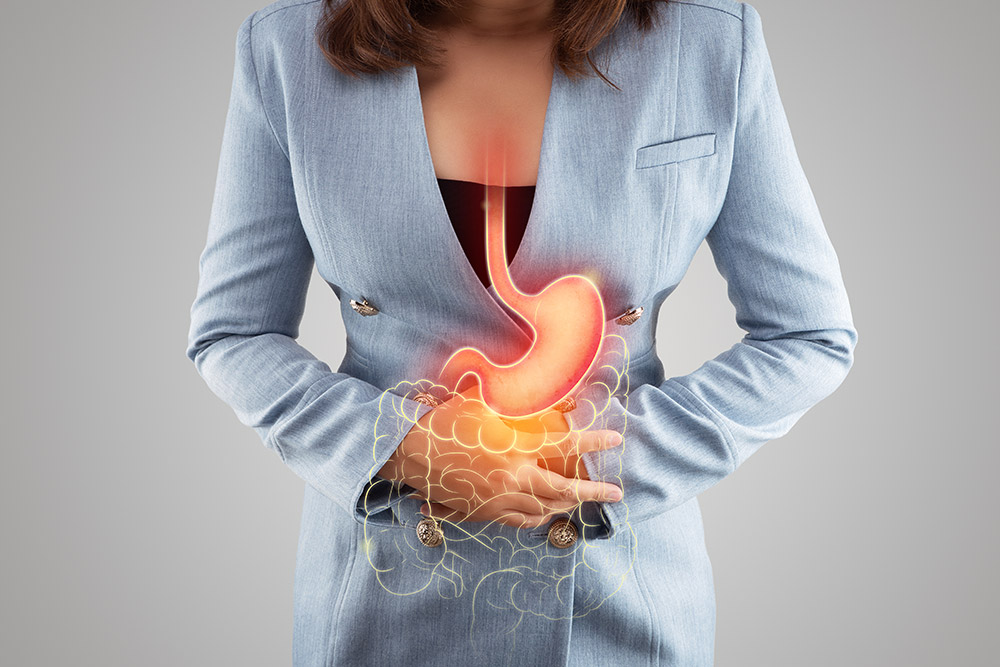
Ulcerative colitis (UC) is a chronic inflammatory bowel disease that primarily affects the colon and rectum. While it’s known for causing physical symptoms like abdominal pain, diarrhea, and fatigue, it can also have a significant impact on mental health and overall well-being. For residents of Katy, TX, understanding the mental health effects of ulcerative colitis is crucial for holistic management of the condition.
In this blog, we will explore how ulcerative colitis can affect your mental health, the connection between gut health and emotional well-being, and how to manage both aspects of your health.
The Gut-Brain Connection
Recent research has shown that the gut and brain are intricately connected through a complex network known as the gut-brain axis. This communication system links the central nervous system with the gastrointestinal system. For people living with ulcerative colitis in Katy, TX, this connection may explain why the disease not only affects your digestive system but can also lead to mental health challenges such as anxiety, depression, and stress.
Chronic inflammation in the gut, a hallmark of ulcerative colitis, can trigger changes in the brain that affect mood regulation. This can result in heightened feelings of anxiety and depression. Additionally, the constant physical discomfort of UC can lead to stress, further affecting mental well-being.
Mental Health Symptoms of Ulcerative Colitis
Living with ulcerative colitis in Katy, TX, means managing not only the physical symptoms but also the emotional and psychological toll that comes with the condition. Some common mental health challenges faced by individuals with UC include:

Anxiety
Dealing with unpredictable flare-ups of UC can lead to significant anxiety. The fear of experiencing a flare in public, at work, or during social gatherings can make it difficult to relax or enjoy everyday activities.
Depression
Living with chronic illness like UC can take a toll on mental health. Many individuals experience feelings of hopelessness, frustration, or sadness. In some cases, UC can lead to clinical depression, which may require professional treatment.
Stress
The constant physical discomfort, frequent doctor visits, and dietary restrictions associated with ulcerative colitis can lead to chronic stress. Stress can exacerbate UC symptoms, creating a vicious cycle that affects both physical and mental health.
Isolation
Due to the unpredictable nature of the disease, many people with ulcerative colitis in Katy, TX, may withdraw from social activities. The fear of having an accident or needing immediate access to a bathroom can lead to feelings of isolation and loneliness.
The Role of Diet and Lifestyle
For those living with ulcerative colitis in Katy, TX, managing mental health often goes hand in hand with managing the physical symptoms of UC. Diet and lifestyle changes can play a vital role in reducing both physical and mental strain:
- Stress Management Techniques: Practices such as mindfulness, yoga, and meditation can help reduce stress and improve mental clarity.
- Nutrition: A balanced diet tailored to your needs can help reduce inflammation and improve both physical and emotional well-being. Working with a dietitian familiar with UC can help ensure you’re consuming gut-friendly foods.
- Exercise: Light to moderate exercise can boost endorphins, helping to improve mood and reduce stress.
Support Systems in Katy, TX
For those living with ulcerative colitis in Katy, TX, it’s important to seek both medical and emotional support. This includes:
- Therapy: Speaking with a mental health professional experienced in chronic illness can help you cope with the emotional burden of living with UC. Cognitive behavioral therapy (CBT) has been shown to be effective for managing anxiety and depression in people with chronic illnesses.
- Support Groups: Connecting with others who are facing similar challenges can help you feel less isolated. Look for local support groups for ulcerative colitis in Katy, TX, where you can share experiences and coping strategies.
- Medical Support: Your gastroenterologist is crucial in helping you manage the physical symptoms of UC. However, they can also refer you to specialists who can help address mental health concerns, ensuring you receive comprehensive care.

When to Seek Help
If you notice a significant decline in your mental health while managing ulcerative colitis, it’s essential to seek help. Some signs that you may need professional assistance include:
- Persistent feelings of sadness or hopelessness
- Severe anxiety that impacts daily life
- Difficulty concentrating or carrying out daily tasks
- Withdrawal from social activities
- Feelings of worthlessness or guilt
Conclusion
Ulcerative colitis doesn’t just affect the body—it can take a toll on your mental health and emotional well-being. In Katy, TX, it’s important for patients to recognize the mind-body connection and take a holistic approach to managing both their physical and mental health.
If you are struggling with the mental health aspects of ulcerative colitis, it’s crucial to seek support. Whether through therapy, support groups, or managing lifestyle factors, there are resources available to help you lead a fulfilling life despite the challenges of UC.
At GastroDoxs in Katy, TX, our team of board-certified gastroenterologists understands the complexities of ulcerative colitis and is here to provide compassionate care for both your physical and mental health needs. Don’t let UC define your life-take the first step toward holistic well-being today.