
Understanding the Link Between Diabetes and Digestive Health
Diabetes mellitus is not limited to blood sugar control.
It affects multiple organ systems.
One of the most commonly overlooked areas is the digestive system.
Persistently high blood sugar levels can damage nerves that control the gastrointestinal (GI) tract.
This condition is called diabetic autonomic neuropathy.
When this happens, the normal movement of food through the digestive tract slows down or becomes irregular.
As a result, patients may develop a wide range of GI symptoms.
These symptoms are often dismissed as minor digestive issues.
But in many cases, they are early indicators of serious complications.
How Diabetes Affects the Gastrointestinal System
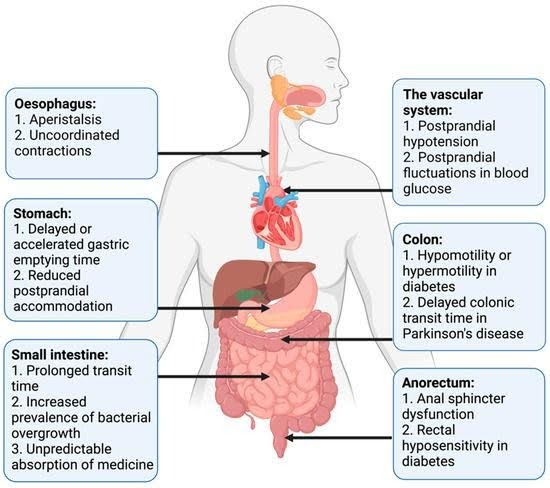
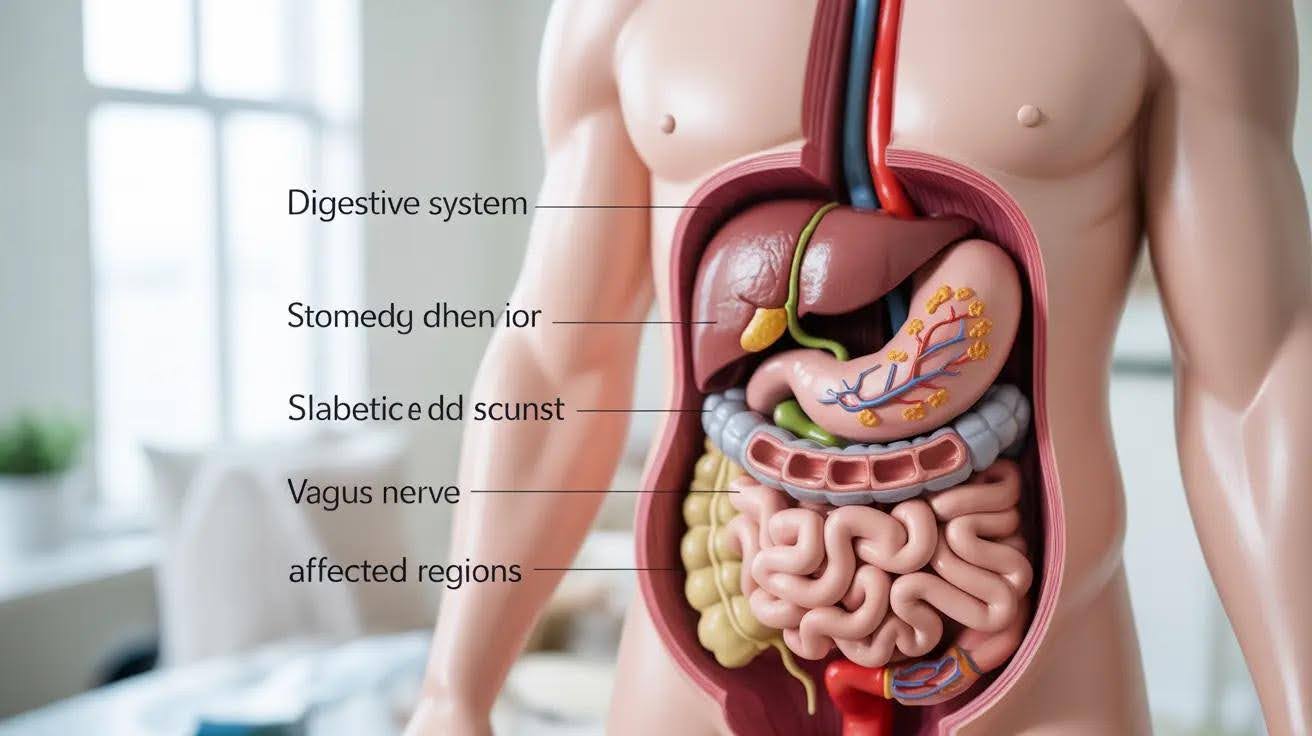
Diabetes can impact the GI system in several ways:
1. Nerve Damage (Autonomic Neuropathy)
High glucose levels damage nerves controlling the stomach and intestines. This disrupts digestion and gut motility.
2. Delayed Gastric Emptying (Gastroparesis)
Food stays in the stomach longer than normal. This leads to nausea, vomiting, and bloating.
3. Altered Gut Motility
The intestines may move too slowly or too quickly. This can cause constipation or diarrhea.
4. Increased Risk of Infections
Diabetes weakens immune response. This increases susceptibility to GI infections.
5. Microbiome Imbalance
Changes in gut bacteria can worsen inflammation and digestive symptoms.
Common GI Symptoms in Diabetes
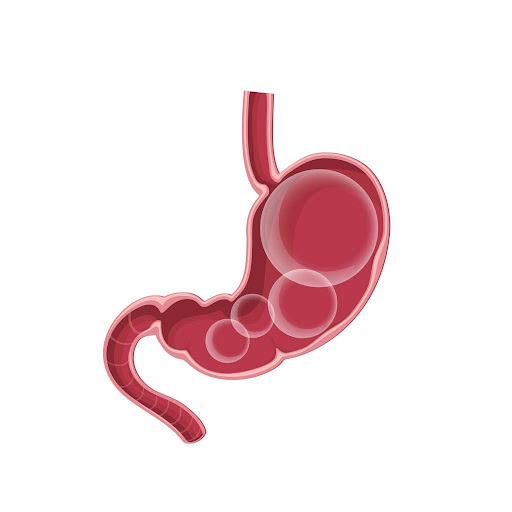
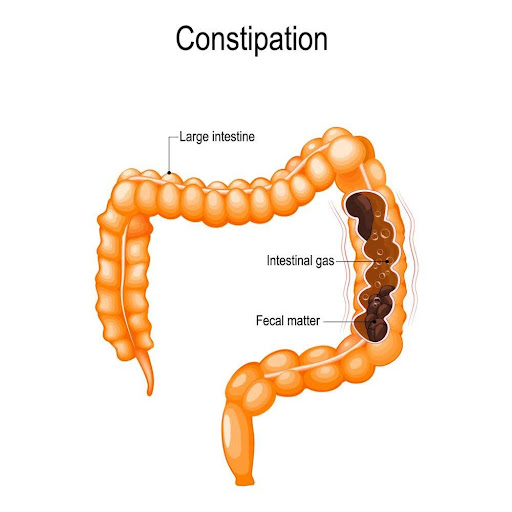

People with diabetes may experience:
- Persistent bloating
- Nausea or vomiting
- Early fullness after meals
- Chronic constipation
- Diarrhea (especially at night)
- Abdominal pain
- Acid reflux or heartburn
These symptoms may be mild initially.
But they can worsen over time if untreated.
When Should You See a Gastroenterologist?
Recognizing the right time to seek specialized care is critical.
Seek medical attention if you experience:
1. Persistent Symptoms
If symptoms last more than 1–2 weeks despite dietary changes.
2. Severe Bloating or Fullness
Feeling full after small meals may indicate gastroparesis.
3. Frequent Vomiting
This is not normal and requires immediate evaluation.
4. Unexplained Weight Loss
Can signal malabsorption or delayed gastric emptying.
5. Chronic Constipation or Diarrhea
Especially if symptoms alternate or disrupt daily life.
6. Difficulty Controlling Blood Sugar
Unpredictable glucose levels may be linked to delayed digestion.
7. Signs of GI Bleeding
Black stools
Blood in stool
Vomiting blood
This is a medical emergency.
8. Persistent Acid Reflux
Ongoing reflux may lead to complications like esophageal damage.
Diabetes-Related GI Conditions That Need Specialist Care
1. Gastroparesis
A common complication of diabetes. The stomach empties slowly, causing:
- Nausea
- Vomiting
- Erratic blood sugar levels
2. Gastroesophageal Reflux Disease (GERD)
Diabetes increases the risk of acid reflux due to nerve dysfunction.
3. Diabetic Diarrhea
Often occurs at night. Linked to nerve damage and gut motility issues.
4. Chronic Constipation
Caused by slowed intestinal movement.
5. Small Intestinal Bacterial Overgrowth (SIBO)
Slowed gut movement allows bacteria to overgrow.
6. Nonalcoholic Fatty Liver Disease (NAFLD)
Closely associated with Type 2 diabetes.
Why Early Evaluation Matters
Ignoring GI symptoms can lead to complications.
Early diagnosis helps:
- Prevent disease progression
- Improve blood sugar control
- Reduce symptom severity
- Enhance quality of life
A gastroenterologist can identify the root cause, not just treat symptoms.
How Gastroenterologists Diagnose Diabetes-Related GI Issues
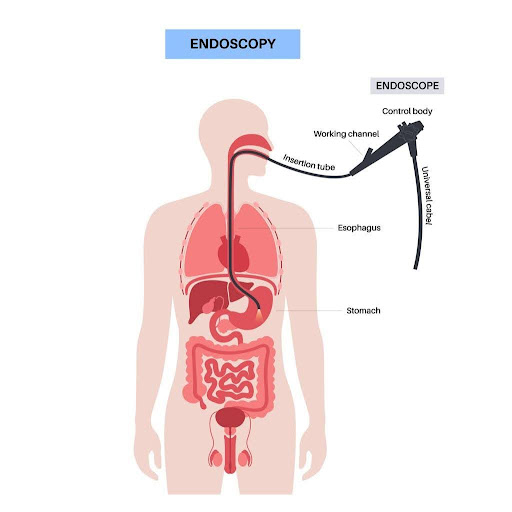
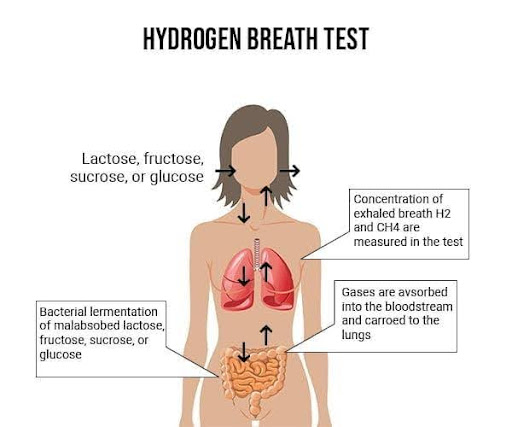
Common diagnostic tests include:
- Upper endoscopy (EGD)
- Colonoscopy
- Gastric emptying study
- Breath tests for SIBO
- Imaging studies (CT, ultrasound)
These tests help pinpoint abnormalities in digestion and gut function.
Treatment Options for Diabetes-Related GI Issues
Treatment depends on the condition.
Lifestyle Modifications
- Smaller, frequent meals
- Low-fat, low-fiber diet (for gastroparesis)
- Adequate hydration
Medications
- Prokinetics (improve stomach movement)
- Antacids or acid reducers
- Antibiotics (for SIBO)
- Laxatives or anti-diarrheal agents
Blood Sugar Control
- Better glucose control improves GI symptoms.
Advanced Interventions
- In severe cases:
- Feeding tubes
- Gastric electrical stimulation
The Role of a Gastroenterologist in Diabetes Care
A gastroenterologist plays a key role in:
- Diagnosing underlying GI conditions
- Managing complex digestive symptoms
- Coordinating care with endocrinologists
- Preventing long-term complications
This multidisciplinary approach is essential.
When Symptoms Should Not Be Ignored
Do not delay care if you have:
- Vomiting that prevents eating
- Severe abdominal pain
- Sudden changes in bowel habits
- Blood in stool
- Rapid weight loss
These signs require urgent evaluation.
Preventing Diabetes-Related Digestive Complications
Prevention is possible with proactive care.
Key strategies:
- Maintain stable blood sugar levels
- Follow a balanced diet
- Stay physically active
- Avoid smoking and alcohol
- Schedule regular medical check-ups
Early intervention reduces long-term risks.
Key Takeaway
Diabetes can silently affect your digestive system.
Symptoms like bloating, nausea, or irregular bowel habits are not always minor.
They may signal underlying GI complications.
Seeing a gastroenterologist at the right time can prevent serious outcomes, improve symptom control, and enhance overall health.