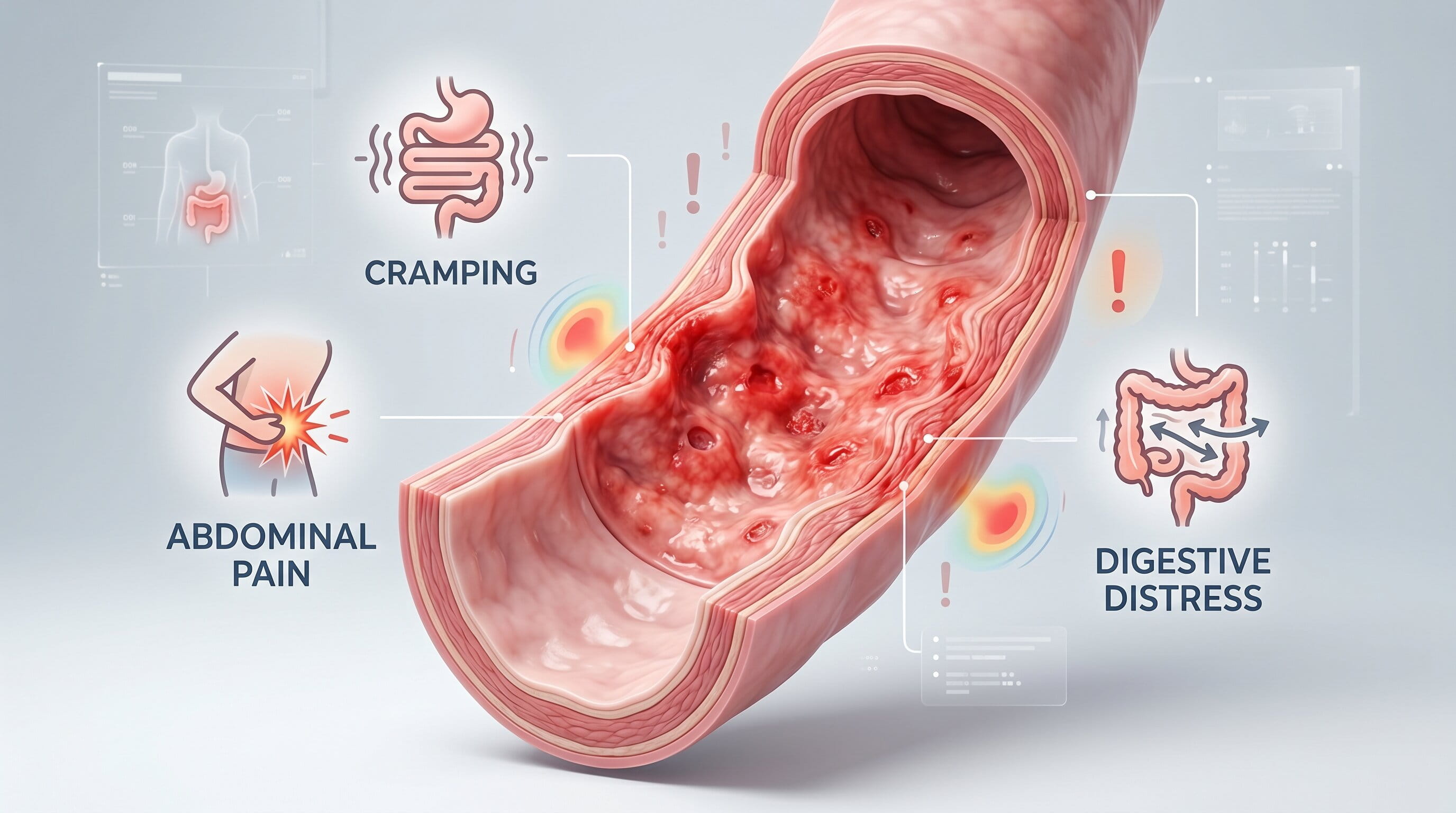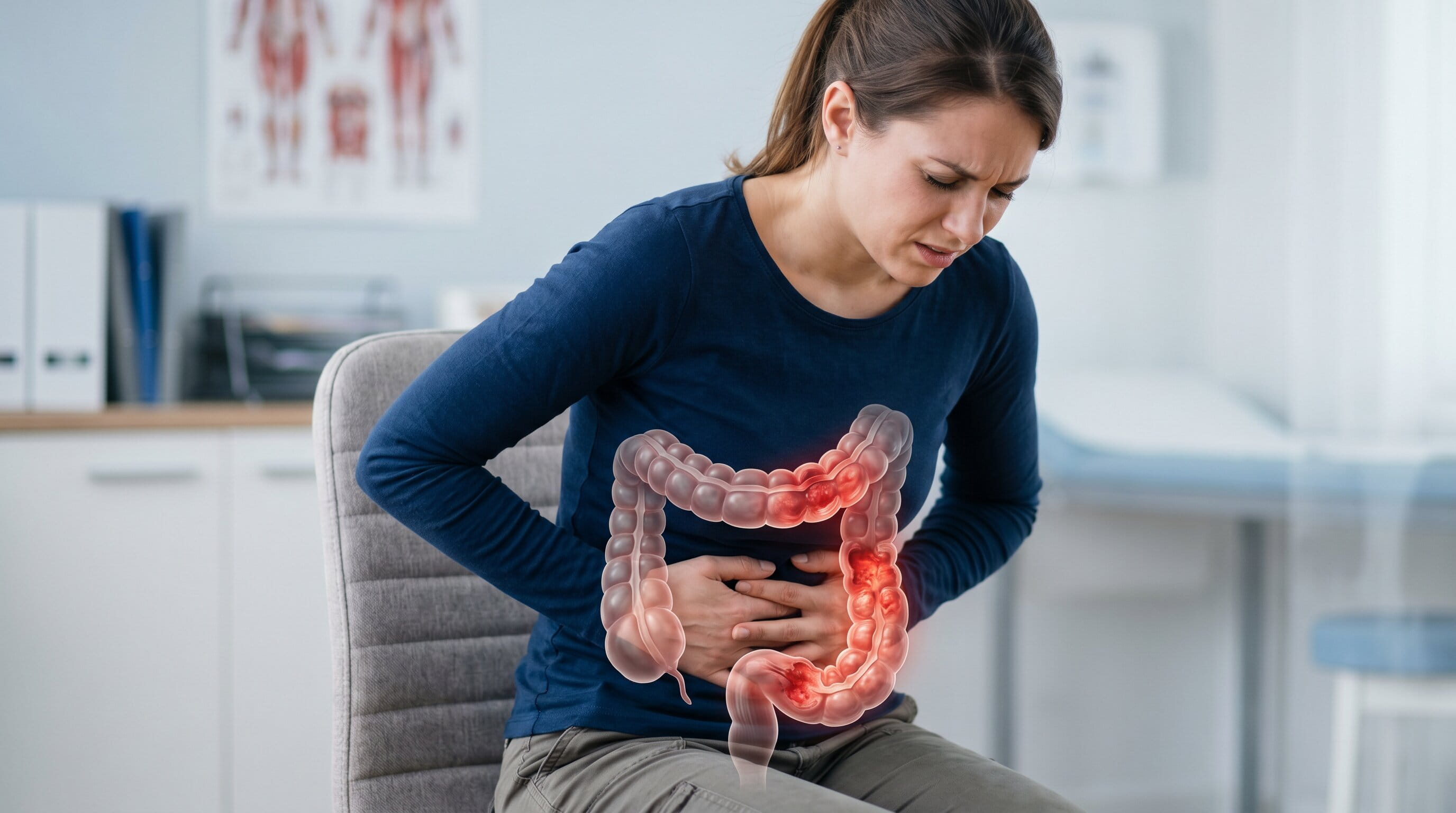
Colitis and IBS can both cause abdominal pain, diarrhea, urgency, bloating, and unpredictable bowel habits, but they are not the same condition. IBS affects how the bowel functions. Colitis means the colon is inflamed. That difference matters because colitis may require stool testing, blood work, colonoscopy, biopsies, infection treatment, inflammation control, or long-term monitoring.
The most important clues that symptoms may be more than IBS include blood in the stool, fever, nighttime diarrhea, unexplained weight loss, anemia, dehydration, persistent watery diarrhea, mucus with worsening symptoms, or abdominal pain that is severe or new.
This patient-facing article is written for people who want a clear answer before they schedule care. It does not replace a diagnosis. Symptoms such as rectal bleeding, severe pain, dehydration, fever, or ongoing diarrhea should be discussed with a qualified clinician. GastroDoxs can help patients with persistent bowel changes understand whether symptoms may be related to colon inflammation, infection, inflammatory bowel disease, hemorrhoids, medication effects, or another digestive condition.
Why This Difference Matters
Many patients describe their symptoms as “IBS” because the term is familiar. It is common to use IBS as a shorthand for stomach cramps, loose stools, constipation, bloating, or bathroom urgency. But IBS is a specific diagnosis. It is usually made after a clinician reviews the symptom pattern and decides there are no warning signs suggesting infection, inflammation, cancer, celiac disease, inflammatory bowel disease, medication injury, or another medical cause.
Colitis is different. In colitis, the colon lining is inflamed. That inflammation can make stool loose, urgent, painful, bloody, or mixed with mucus. The cause may be temporary, such as an infection, or chronic, such as ulcerative colitis or microscopic colitis. Some types of colitis can become serious if they are not recognized early.
For patient safety, the practical answer is simple: IBS is not supposed to cause bleeding, fever, anemia, or unintentional weight loss. When those symptoms appear, the conversation should move from “managing IBS” to “checking for a medical cause.”
What Is IBS?
Irritable bowel syndrome is a disorder of gut-brain interaction. The bowel may be more sensitive, the nerves may send stronger pain signals, and the movement of stool through the intestine may be too fast, too slow, or irregular. IBS can cause real symptoms and real life disruption even when routine tests do not show inflammation.
IBS is commonly grouped into IBS with diarrhea, IBS with constipation, mixed IBS, or unclassified IBS. People may feel cramping that improves after a bowel movement, bloating after meals, stool changes during stress, or urgency during certain routines. These symptoms can be frustrating, but IBS does not create ulcers in the colon lining.
Because IBS does not cause visible colon inflammation, it is generally not expected to cause blood in stool, pus, high fever, ongoing nighttime diarrhea, or progressive weight loss. When those features are present, the diagnosis should be reconsidered.
What Is Colitis?
Colitis means inflammation of the colon. The colon is the large intestine, where water is absorbed and stool is formed. When the lining is irritated or inflamed, the colon may not absorb water normally. This can cause diarrhea, urgency, cramps, and mucus. If inflammation damages the lining, bleeding may occur.
Colitis is an umbrella term, not one single diagnosis. Ulcerative colitis is a chronic inflammatory bowel disease. Infectious colitis can happen after bacteria, viruses, or parasites. Ischemic colitis can happen when blood flow to the colon is reduced. Microscopic colitis can cause chronic watery diarrhea and may require biopsies to diagnose because the colon may look normal during colonoscopy.
That is why a patient with “colitis symptoms” needs a cause-based evaluation. The right treatment for an infection is not the same as the right treatment for ulcerative colitis or microscopic colitis.
Symptoms That Overlap
IBS and colitis overlap enough that patients can confuse them. Both may cause cramping, diarrhea, bloating, urgency, and an unpredictable bathroom schedule. Both can be worse during stress or after certain foods. Both can affect work, travel, sleep, and quality of life.
Because of this overlap, symptom labels are not enough. The key is to look for the pattern. IBS symptoms often fluctuate with meals, bowel movements, stress, and routine changes. Colitis symptoms are more concerning when they include objective inflammation clues such as bleeding, fever, abnormal labs, dehydration, or persistent nighttime diarrhea.
- Shared symptoms may include abdominal pain or cramping.
- Both can cause diarrhea or bowel urgency.
- Both may cause bloating and discomfort.
- Both can be triggered or worsened by stress.
- Both may reduce confidence with travel or social plans.
Symptoms That Point More Toward Colitis
Blood in stool is the clearest warning sign. IBS should not cause rectal bleeding. Blood may come from hemorrhoids, fissures, infection, inflammatory bowel disease, polyps, diverticular disease, or other colon conditions. Because the cause is not obvious from appearance alone, bleeding deserves evaluation.
Fever with diarrhea suggests infection or significant inflammation. Nighttime diarrhea that wakes you from sleep is also more concerning than daytime symptoms alone. Unexplained weight loss, weakness, or anemia may mean the body is losing blood, absorbing nutrients poorly, or dealing with ongoing inflammation.
Persistent watery diarrhea may suggest microscopic colitis, infection, bile acid diarrhea, medication side effects, or other conditions. If diarrhea continues despite diet changes or typical IBS steps, testing becomes important.

- Blood mixed with stool or diarrhea.
- Black or tarry stool.
- Fever or chills.
- Nighttime bowel movements.
- Unexplained weight loss.
- Anemia or iron deficiency.
- Severe dehydration.
- New symptoms after age 45 or 50.
- Family history of inflammatory bowel disease or colon cancer.
How Bathroom Urgency Differs
Urgency can happen in both IBS and colitis, but the reason may differ. In IBS, urgency may reflect altered bowel movement speed and nerve sensitivity. In colitis, urgency may come from inflammation in the colon or rectum. Rectal inflammation can create a repeated “need to go” feeling even when very little stool is present.
Patients with ulcerative colitis often describe urgency with rectal pressure, mucus, bleeding, or a feeling that they cannot fully empty. That feeling is sometimes called tenesmus. It can lead to repeated bathroom trips and can be socially limiting.
Urgency that is new, worsening, bloody, or associated with accidents should be discussed with a gastroenterologist rather than handled as routine IBS.
How Testing Helps
A gastroenterologist may start with a detailed history. The timeline matters. Sudden diarrhea after a meal, travel, or exposure to illness may suggest infection. Months of watery diarrhea may suggest microscopic colitis or another chronic cause.
Blood and urgency may suggest ulcerative colitis, especially when symptoms are recurrent.
Stool tests may check for infection, parasites, inflammation markers, or hidden blood. Blood tests may check anemia, inflammation, hydration, kidney function, and nutrition. Colonoscopy may be recommended when bleeding, chronic diarrhea, abnormal tests, weight loss, or age-appropriate screening concerns are present.
Biopsies can be important even when the colon looks normal, because microscopic colitis is diagnosed under the microscope. This is one reason persistent diarrhea should not be dismissed after a normal-looking exam unless biopsies and the full clinical picture have been considered.
Treatment Differences
IBS treatment often focuses on diet patterns, fiber, hydration, stress management, gut-directed medication, bowel habit regulation, and identifying triggers. The goal is symptom control and quality of life.
Colitis treatment depends on cause. Infectious colitis may need supportive care or targeted therapy. Ulcerative colitis may require anti-inflammatory medicines, immune-modifying therapy, biologics, or other long-term treatment. Microscopic colitis may require medication review and therapy to control watery diarrhea. Ischemic colitis may require urgent care depending on severity.
This is why the diagnosis matters. Treating colitis as IBS can delay the care needed to control inflammation. Treating IBS as colitis can lead to unnecessary worry or testing. The right path is a careful evaluation.
When to Book an Evaluation
Book an appointment with GastroDoxs if bowel symptoms are persistent, recurring, disruptive, or associated with warning signs. You should not have to plan your life around bathroom access without knowing why symptoms are happening.
Seek urgent care for heavy bleeding, severe abdominal pain, fainting, high fever, confusion, severe dehydration, or a swollen rigid abdomen. Those symptoms need prompt medical attention.
For ongoing IBS-like symptoms without emergency features, a gastroenterology visit can help determine whether this is IBS, colitis, infection, medication-related diarrhea, celiac disease, bile acid diarrhea, hemorrhoids, or another condition.
Patient Takeaway
The easiest way to remember the difference is this: IBS changes bowel function; colitis involves colon inflammation. If symptoms are painful but stable and there are no red flags, IBS may be possible. If symptoms include blood, fever, nighttime diarrhea, weight loss, dehydration, or abnormal labs, colitis or another medical condition must be considered.
Do not ignore a change in your stool pattern when it keeps returning or affects daily life. A proper diagnosis can reduce fear, guide treatment, and help protect long-term colon health.
Additional Patient Guidance for Better Decision-Making
A helpful way to prepare for a gastroenterology visit is to write down your normal bowel pattern and then compare it with what is happening now. Include the number of bowel movements per day, stool appearance, bleeding, urgency, nighttime symptoms, fever, pain level, weight changes, recent travel, recent antibiotics, and any medication or supplement changes. This information helps separate short-term irritation from a pattern that may suggest inflammation or infection.
Patients often focus on one symptom, but clinicians look for combinations. Diarrhea alone has many causes. Diarrhea plus blood, fever, nighttime symptoms, or weight loss is more concerning. Abdominal pain alone may be common, but pain plus severe tenderness, vomiting, dehydration, or a rigid abdomen can change the level of urgency. The full pattern matters more than one isolated symptom.
Do not rely only on diet changes when warning signs are present. Food can influence symptoms, but food is not the only explanation for colon inflammation. Infection, inflammatory bowel disease, medication effects, ischemia, microscopic inflammation, hemorrhoids, fissures, polyps, and other conditions may require different care. A correct diagnosis helps prevent both overtreatment and undertreatment.
At GastroDoxs, the patient goal is clarity. The right evaluation can explain whether symptoms are likely functional, inflammatory, infectious, medication-related, vascular, or structural. Once the cause is clearer, care can be built around symptom relief, inflammation control, prevention of complications, and a practical plan for what to do if symptoms return.
Another practical step is to avoid self-labeling the condition before testing. Many colon problems share the same surface symptoms. A patient may say “colitis,” “IBS,” “flare,” or “food poisoning,” but the treatment path changes when stool tests, blood work, colonoscopy findings, biopsies, medication history, or imaging reveal the real cause. Accurate naming is part of safe care.
Patients should also think about duration. A one-day bowel change after a rich meal is different from two weeks of diarrhea. One small spot of blood after straining is different from repeated blood mixed with stool. A symptom that disappears quickly may still be worth mentioning, but a symptom that repeats or escalates should move higher on the priority list.