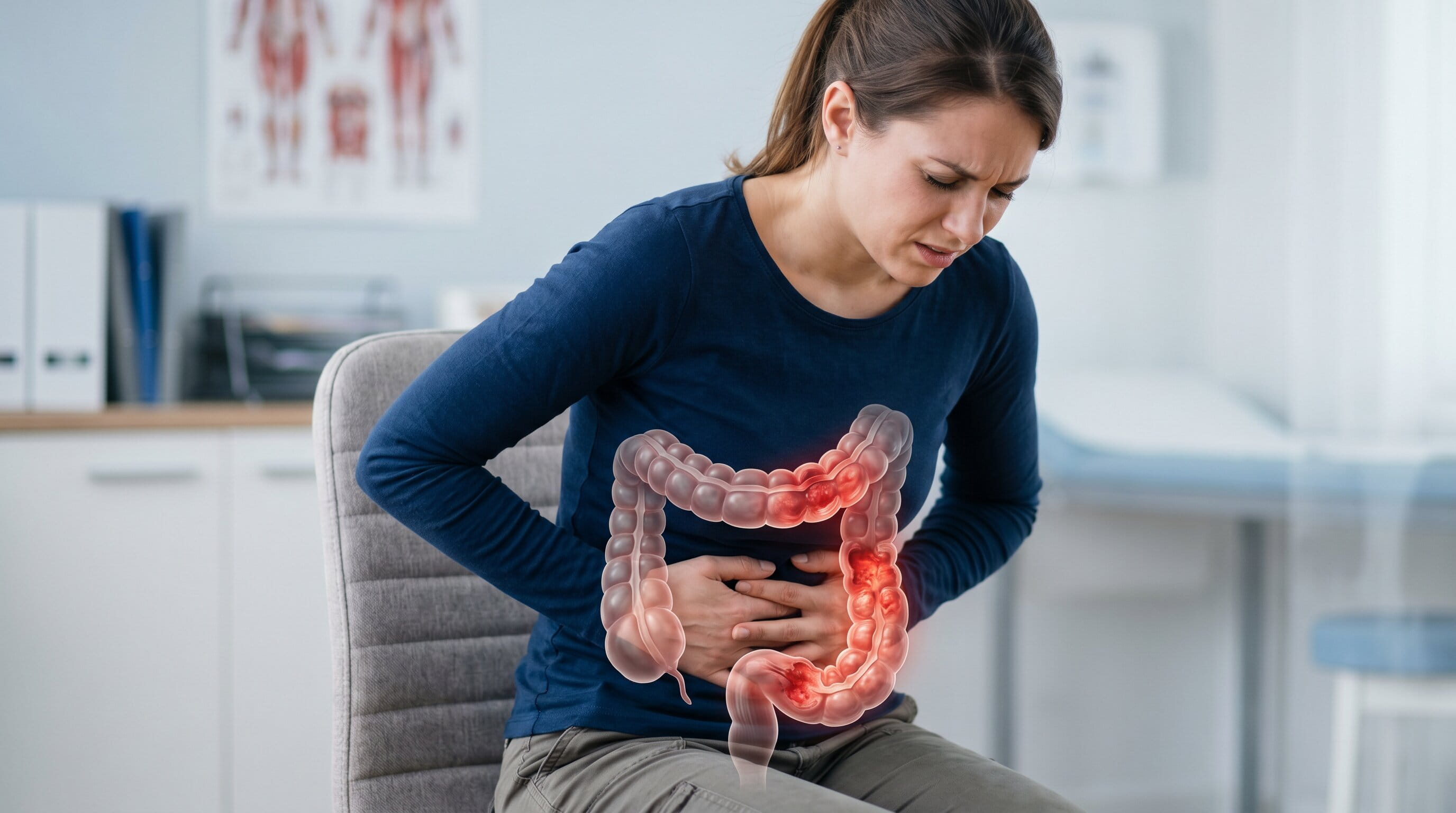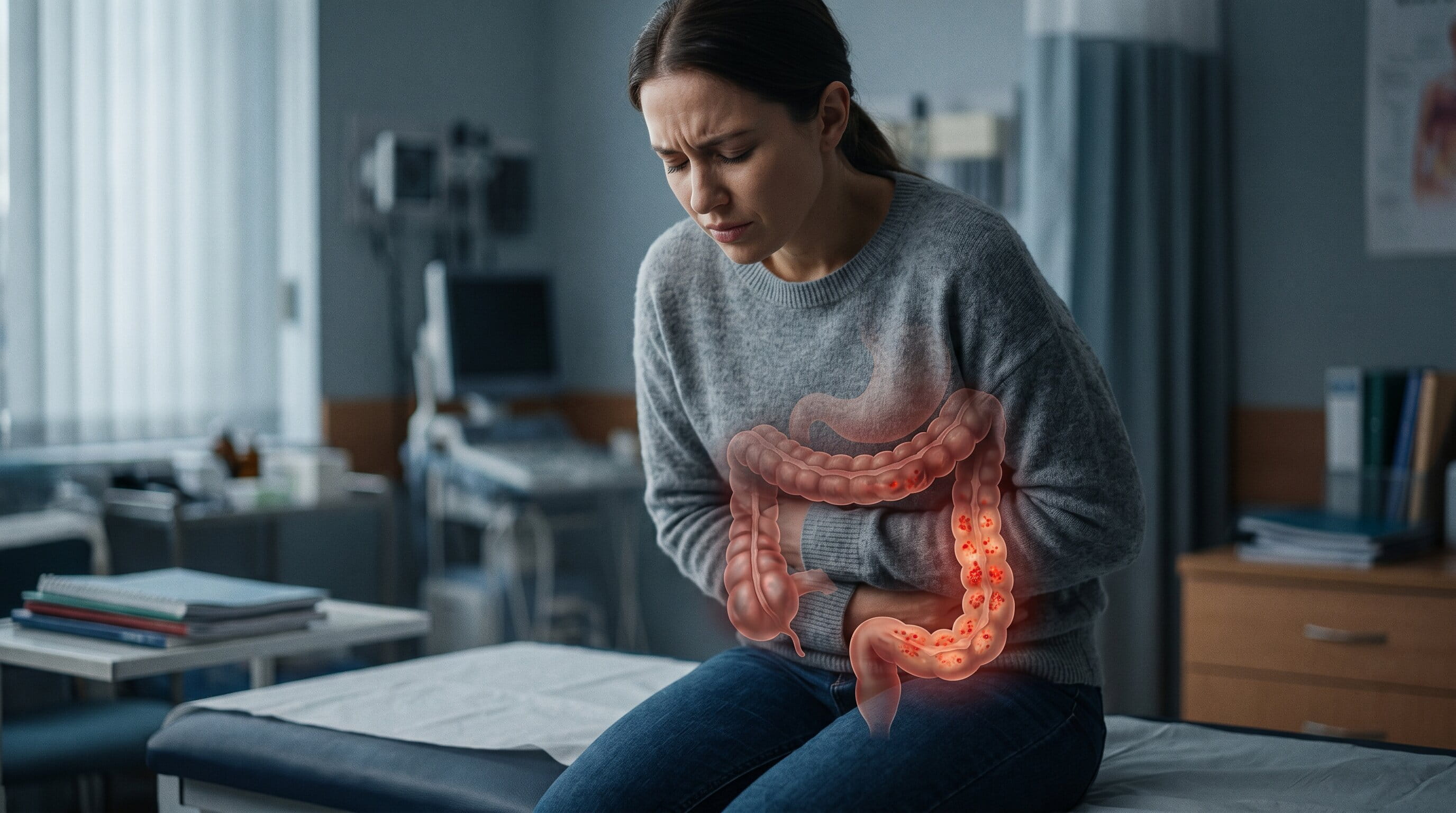
A colitis flare-up means symptoms become more active or worsen compared with your usual baseline. Common flare symptoms include diarrhea, urgent bowel movements, abdominal cramps, blood or mucus in stool, fatigue, nighttime diarrhea, reduced appetite, fever, and a feeling that you cannot fully empty the bowel.
A flare should be taken seriously if symptoms are bloody, frequent, painful, persistent, associated with fever or dehydration, waking you from sleep, or causing weight loss or weakness.
This patient-facing article is written for people who want a clear answer before they schedule care. It does not replace a diagnosis. Symptoms such as rectal bleeding, severe pain, dehydration, fever, or ongoing diarrhea should be discussed with a qualified clinician. GastroDoxs can help patients with persistent bowel changes understand whether symptoms may be related to colon inflammation, infection, inflammatory bowel disease, hemorrhoids, medication effects, or another digestive condition.
What Is a Colitis Flare-Up?
A flare-up is a period when colitis symptoms become active or worse. For someone with chronic ulcerative colitis, a flare may mean inflammation has returned after a period of remission. For someone with another form of colitis, flare-like symptoms may reflect infection, medication irritation, ischemia, microscopic inflammation, or another trigger.
The word flare is often used by patients to describe any worsening of bowel symptoms. Clinically, the cause matters. A flare from chronic inflammatory bowel disease may need anti-inflammatory treatment. Diarrhea from infection needs a different approach. Symptoms from IBS or food intolerance may overlap but do not represent colon inflammation in the same way.
The safest approach is to compare symptoms with your baseline and call your clinician when symptoms are new, severe, bloody, or persistent.
Early Flare Symptoms
The first sign may be subtle. You may go from one or two bowel movements a day to several. Stool may become looser. Urgency may increase. You may notice mucus, mild cramping, lower belly pressure, fatigue, or a reduced appetite.
Some people notice that symptoms start before bleeding appears. Others first notice blood, rectal pressure, or nighttime bathroom trips. A flare pattern can be different from patient to patient, and it can change over time.
- More frequent bowel movements than usual.
- Looser stools or watery diarrhea.
- New or stronger urgency.
- Mucus in stool.
- Lower abdominal cramps.
- Fatigue or low energy.
- Reduced appetite.
- Rectal pressure or incomplete emptying.
Diarrhea During a Flare
Diarrhea is one of the most common flare symptoms. Inflammation can reduce the colon’s ability to absorb water, which makes stool loose or watery. Inflammation can also make the colon move stool more urgently.
A flare may cause multiple bowel movements in a short period, morning clustering, or urgent trips after meals. Nighttime diarrhea is especially important because it may indicate active inflammation rather than routine food sensitivity.
Diarrhea that causes dizziness, dry mouth, low urination, rapid heartbeat, or severe weakness may mean dehydration. That needs prompt attention.
Blood or Mucus During a Flare
Blood or mucus can occur when inflammation affects the colon or rectum lining. Ulcerative colitis often causes bloody diarrhea, urgency, and mucus. Crohn’s colitis and some infections may also cause bleeding.
Bleeding should not be ignored. Even if you have a known colitis diagnosis, new or increased bleeding deserves medical guidance. It may mean inflammation is worsening, infection is present, or another source of bleeding exists.
Heavy bleeding, black tarry stool, fainting, severe weakness, or shortness of breath should be treated as urgent.
Pain and Cramping
Colitis flare pain often feels like lower abdominal cramping, pressure, or waves of discomfort before bowel movements. Pain may improve after passing stool, or it may persist if inflammation is active.
Severe pain is not a routine flare symptom to manage at home. Sudden intense pain, pain with fever, pain with a swollen abdomen, or pain with vomiting can indicate a complication or another urgent condition.
Patients should also note whether pain is new, localized, worsening, or different from prior flares.

Fatigue, Appetite Loss, and Whole-Body Symptoms
A flare can make the whole body feel unwell. Inflammation, poor sleep, diarrhea, dehydration, reduced intake, and blood loss can all contribute to fatigue. Some patients feel weak before they notice major bowel changes.
Appetite loss can happen because eating triggers cramps or urgency. Over time, reduced intake can contribute to weight loss. Fever or chills may suggest infection or a more significant inflammatory episode.
If fatigue is severe or paired with dizziness, bleeding, shortness of breath, or rapid heartbeat, blood work may be needed to check anemia, dehydration, or inflammation.
Common Flare Triggers and Look-Alikes
Patients often search for triggers because they want control. Triggers may include missed medications, infections, antibiotics, nonsteroidal anti-inflammatory drugs, stress, sleep disruption, travel, and dietary changes. However, not every flare has an obvious trigger.
Flare look-alikes are also important. Food poisoning, C. difficile infection, hemorrhoids, IBS, bile acid diarrhea, medication side effects, and viral illness can mimic colitis symptoms. Treating every episode as a flare can miss an infection. Treating every episode as a stomach bug can miss inflammation.
This is why stool testing or blood work may be recommended when symptoms are new, severe, or different from your usual pattern.
What to Track During a Flare
Symptom tracking helps your gastroenterologist understand severity and choose next steps. Track stool frequency, blood, mucus, urgency, nighttime bowel movements, pain level, temperature, appetite, weight, hydration, and any medication changes.
Bring a clear timeline. When did symptoms start? What changed before they started? Did you travel, take antibiotics, miss medication, eat a risky food, or have sick exposure? Are symptoms improving or worsening?
- Number of bowel movements per day.
- Blood amount and appearance.
- Mucus presence.
- Nighttime diarrhea.
- Fever or chills.
- Pain location and severity.
- Weight changes.
- Fluids and urination.
- Medication changes.
- Possible infection exposure.
What You Can Do While Waiting for Care
Hydration is the first priority. Frequent diarrhea can cause fluid and electrolyte loss. Oral rehydration solutions may help when diarrhea is ongoing. Small, simple meals may be easier during active symptoms.
Avoid alcohol and foods that clearly worsen symptoms. Some patients temporarily reduce greasy, very high-fiber, spicy, or large meals during active diarrhea, but diet should not replace medical care.
Do not start anti-diarrhea medication without medical advice if you have fever, bloody diarrhea, severe pain, or suspected infection. Do not stop prescribed colitis medications without guidance.
When to Call GastroDoxs
Call GastroDoxs when flare symptoms are new, worsening, recurrent, or interfering with daily life. You should especially call if you notice bleeding, persistent diarrhea, nighttime symptoms, dehydration, fever, weight loss, or symptoms that are different from prior episodes.
A GI team may recommend stool testing, blood work, medication review, colonoscopy, imaging, or adjustment of treatment based on your diagnosis. The goal is to identify whether this is active inflammation, infection, or another cause.
Early communication can prevent a mild flare from becoming a severe episode.
When a Flare Is an Emergency
Seek urgent care for heavy rectal bleeding, severe abdominal pain, high fever, fainting, confusion, signs of dehydration, persistent vomiting, black tarry stool, rapid heartbeat, or a swollen rigid abdomen.
These symptoms may suggest severe inflammation, dehydration, bleeding, infection, obstruction, perforation, or another urgent condition. They should not wait for a routine appointment.
For non-emergency flare symptoms, prompt GI follow-up can still be important because inflammation can worsen if left untreated.
Patient Takeaway
Colitis flare-up symptoms can start with subtle changes such as looser stool, urgency, cramps, mucus, fatigue, or appetite loss. More concerning flares include blood, fever, dehydration, nighttime diarrhea, weight loss, or severe pain.
The best flare strategy is not guessing. Track symptoms, stay hydrated, avoid risky self-treatment, and contact a gastroenterologist when symptoms are persistent, bloody, worsening, or different from your baseline.
Additional Patient Guidance for Better Decision-Making
A helpful way to prepare for a gastroenterology visit is to write down your normal bowel pattern and then compare it with what is happening now. Include the number of bowel movements per day, stool appearance, bleeding, urgency, nighttime symptoms, fever, pain level, weight changes, recent travel, recent antibiotics, and any medication or supplement changes. This information helps separate short-term irritation from a pattern that may suggest inflammation or infection.
Patients often focus on one symptom, but clinicians look for combinations. Diarrhea alone has many causes. Diarrhea plus blood, fever, nighttime symptoms, or weight loss is more concerning. Abdominal pain alone may be common, but pain plus severe tenderness, vomiting, dehydration, or a rigid abdomen can change the level of urgency. The full pattern matters more than one isolated symptom.
Do not rely only on diet changes when warning signs are present. Food can influence symptoms, but food is not the only explanation for colon inflammation. Infection, inflammatory bowel disease, medication effects, ischemia, microscopic inflammation, hemorrhoids, fissures, polyps, and other conditions may require different care. A correct diagnosis helps prevent both overtreatment and undertreatment.
At GastroDoxs, the patient goal is clarity. The right evaluation can explain whether symptoms are likely functional, inflammatory, infectious, medication-related, vascular, or structural. Once the cause is clearer, care can be built around symptom relief, inflammation control, prevention of complications, and a practical plan for what to do if symptoms return.
Another practical step is to avoid self-labeling the condition before testing. Many colon problems share the same surface symptoms. A patient may say “colitis,” “IBS,” “flare,” or “food poisoning,” but the treatment path changes when stool tests, blood work, colonoscopy findings, biopsies, medication history, or imaging reveal the real cause. Accurate naming is part of safe care.
Patients should also think about duration. A one-day bowel change after a rich meal is different from two weeks of diarrhea. One small spot of blood after straining is different from repeated blood mixed with stool. A symptom that disappears quickly may still be worth mentioning, but a symptom that repeats or escalates should move higher on the priority list.