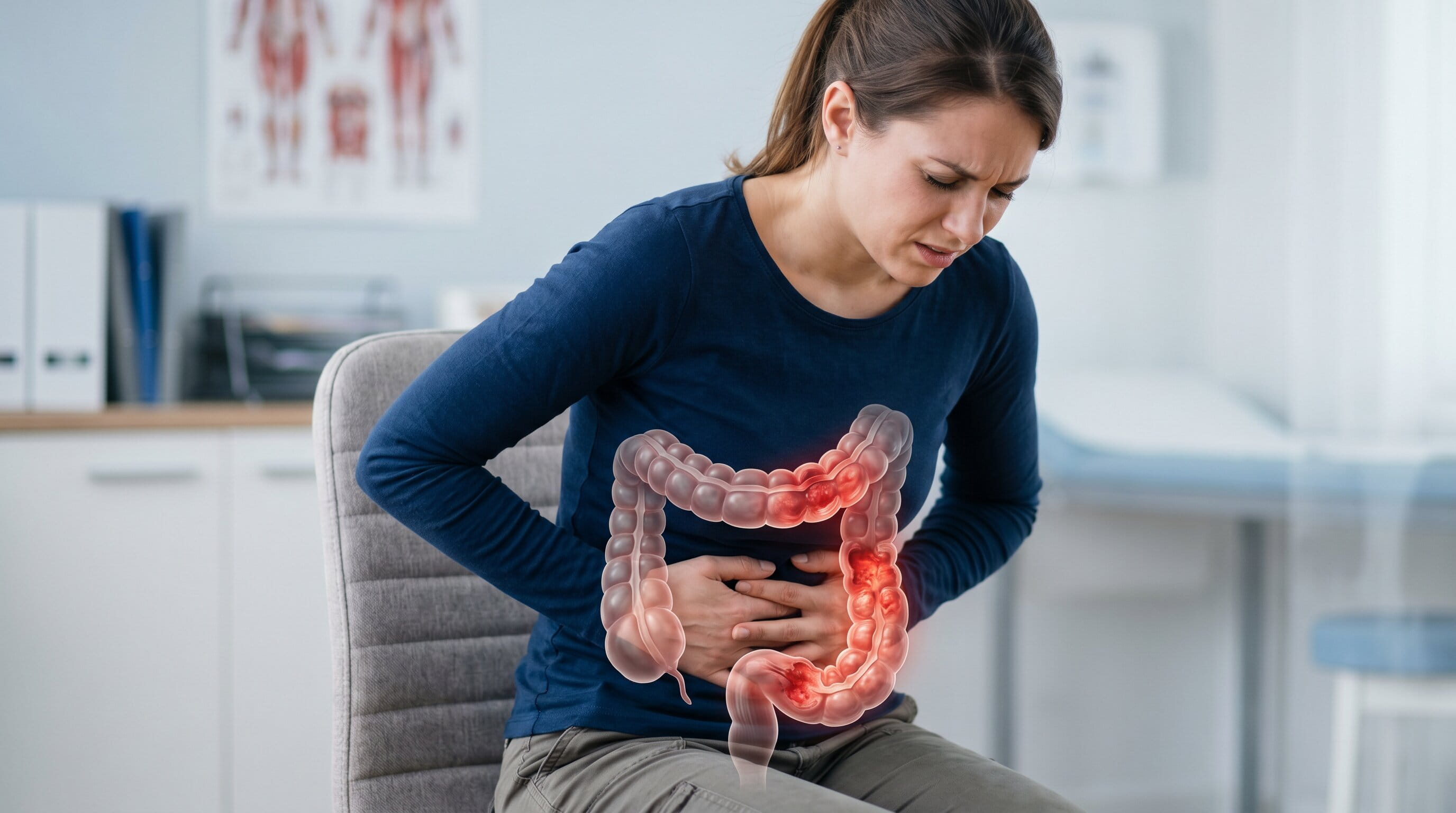
Blood in the stool can happen with colitis, but it should never be automatically assumed to be “just colitis” or “just hemorrhoids.” Colitis-related bleeding may occur when inflammation irritates the colon lining, causes ulcers, or makes the rectum bleed during bowel movements. Ulcerative colitis commonly causes bloody diarrhea, urgency, and cramps, but infection, ischemic colitis, Crohn’s colitis, hemorrhoids, fissures, polyps, diverticular disease, and other conditions can also cause bleeding.
Blood in stool should be evaluated promptly if it is heavy, recurrent, mixed with diarrhea, associated with fever, severe pain, dizziness, fainting, weight loss, anemia, or dehydration.
This patient-facing article is written for people who want a clear answer before they schedule care. It does not replace a diagnosis. Symptoms such as rectal bleeding, severe pain, dehydration, fever, or ongoing diarrhea should be discussed with a qualified clinician. GastroDoxs can help patients with persistent bowel changes understand whether symptoms may be related to colon inflammation, infection, inflammatory bowel disease, hemorrhoids, medication effects, or another digestive condition.
Why Blood in Stool Gets Dismissed
Many people delay care because they assume rectal bleeding is from hemorrhoids. Hemorrhoids are common, and they can cause bright red blood on toilet paper or in the toilet bowl. But the problem is that appearance alone is not enough to confirm the source. A patient can have hemorrhoids and another colon condition at the same time.
Another reason bleeding gets dismissed is embarrassment. Patients may not want to describe stool color, urgency, accidents, mucus, or bleeding. Gastroenterology teams discuss these symptoms every day. Clear details help your doctor choose the right tests and avoid missing a serious cause.
The market-dominant patient message is simple: blood in stool deserves an explanation. It may be minor, but it should not be ignored when it keeps happening or comes with bowel changes.
How Colitis Can Cause Bleeding
In colitis, the colon lining becomes inflamed. Inflammation can make the lining fragile. Ulcers or irritated tissue may bleed, especially when stool passes through or when diarrhea repeatedly stimulates the rectum.
Ulcerative colitis often begins in the rectum, which is why urgency, rectal pressure, mucus, and bleeding are common. In Crohn’s disease involving the colon, bleeding may also occur. Infectious colitis may cause bloody diarrhea if the infection injures the colon lining. Ischemic colitis may cause sudden pain and bleeding when blood flow to a segment of colon is reduced.
Microscopic colitis is different. It usually causes chronic watery diarrhea, and visible bleeding is not typical. If a patient with watery diarrhea sees blood, another cause should be considered.
What Blood May Look Like
Patients may describe blood in different ways. Bright red blood may appear on toilet paper, on the surface of stool, or in the toilet water. Dark red blood may be mixed with stool. Black, tarry stool can suggest bleeding from higher in the digestive tract, although iron and certain foods can also darken stool.
Mucus with blood may be seen in inflammatory conditions involving the rectum or colon. Bloody diarrhea is especially important because it suggests the bleeding is occurring with active bowel inflammation or infection.
- Bright red blood on toilet paper.
- Blood dripping into the toilet.
- Blood mixed with loose stool.
- Dark red stool.
- Black or tarry stool.
- Mucus mixed with blood.
- Bloody diarrhea with cramps or fever.
Warning Signs That Need Prompt Care
Some bleeding patterns are more urgent than others. Heavy bleeding, fainting, dizziness, shortness of breath, rapid heartbeat, severe weakness, or black tarry stool should be treated as urgent. Severe abdominal pain with bleeding also needs prompt evaluation.
Bloody diarrhea with fever can suggest infection or a significant inflammatory flare. Bloody diarrhea with dehydration can become dangerous quickly, especially if the patient cannot keep fluids down.
Even low-volume bleeding deserves medical attention if it is recurrent, unexplained, or associated with weight loss, anemia, bowel habit changes, or a family history of colon cancer or inflammatory bowel disease.
Colitis Types and Bleeding Patterns
Ulcerative colitis commonly causes blood in stool because inflammation affects the colon and rectum lining. Patients may also report urgency, stool frequency, mucus, tenesmus, fatigue, and abdominal cramping.
Crohn’s colitis can cause bleeding when Crohn’s disease involves the colon. Crohn’s may also cause deeper inflammation, strictures, fistulas, and perianal symptoms. Infectious colitis may cause sudden bloody diarrhea after contaminated food, travel, sick exposure, or certain infections.
Ischemic colitis may cause sudden cramping and bloody stool, often in older adults or people with vascular risk factors. Microscopic colitis usually causes watery diarrhea without visible blood. These distinctions help guide testing, but they do not replace medical evaluation.
Other Causes of Blood in Stool
Blood in stool is not specific to colitis. Hemorrhoids, anal fissures, diverticular bleeding, colon polyps, colorectal cancer, radiation injury, medication effects, and infections can all cause bleeding. Some of these conditions are minor. Others require urgent or long-term care.
A key mistake is assuming the cause based only on color. Bright red blood often comes from the lower digestive tract, but that still includes multiple possible causes. Darker blood or black stool may be more concerning, but the safest step is a clinician-guided evaluation.
Patients taking blood thinners, aspirin, nonsteroidal anti-inflammatory drugs, or certain supplements should tell their doctor because these can influence bleeding risk or symptom interpretation.

How a Gastroenterologist Evaluates Bleeding
Evaluation begins with questions. How long has bleeding occurred? Is it mixed with stool or only on paper? Is there diarrhea, constipation, pain, fever, mucus, weight loss, or urgency? Are symptoms new or recurrent? Are medications involved? Is there a family history of IBD or colon cancer?
Blood work may check anemia and inflammation. Stool testing may check infection or inflammatory markers. Colonoscopy may be recommended to view the colon, identify inflammation, ulcers, polyps, bleeding sources, and obtain biopsies. If symptoms suggest a higher digestive source, other testing may be considered.
The goal is not only to stop bleeding. The goal is to identify the reason it happened and prevent complications.
What Not to Do
Do not repeatedly treat bleeding as hemorrhoids without evaluation if it continues, returns, or appears with bowel changes. Do not use anti-diarrhea medication without medical advice if you have fever or bloody diarrhea. Do not stop prescribed blood thinners without clinician guidance, but do report bleeding promptly.
Do not wait for severe symptoms if blood is accompanied by weight loss, fatigue, worsening diarrhea, or nighttime bowel movements. Delays can allow inflammation, infection, anemia, or other conditions to worsen.
A short delay may feel easier, but a clear diagnosis often reduces worry and leads to more effective treatment.
When to Contact GastroDoxs
Contact GastroDoxs for rectal bleeding that is persistent, recurrent, unexplained, or associated with diarrhea, urgency, mucus, abdominal pain, fatigue, or weight loss. Patients often need a structured evaluation rather than guesswork.
Emergency symptoms such as heavy bleeding, fainting, severe pain, high fever, confusion, or dehydration should be handled urgently. For non-emergency bleeding, a GI evaluation can help identify whether the cause is colitis, hemorrhoids, infection, inflammation, polyps, or another digestive issue.
Blood in stool is a symptom, not a diagnosis. The right next step is finding the source.
Additional Patient Guidance for Better Decision-Making
A helpful way to prepare for a gastroenterology visit is to write down your normal bowel pattern and then compare it with what is happening now. Include the number of bowel movements per day, stool appearance, bleeding, urgency, nighttime symptoms, fever, pain level, weight changes, recent travel, recent antibiotics, and any medication or supplement changes. This information helps separate short-term irritation from a pattern that may suggest inflammation or infection.
Patients often focus on one symptom, but clinicians look for combinations. Diarrhea alone has many causes. Diarrhea plus blood, fever, nighttime symptoms, or weight loss is more concerning. Abdominal pain alone may be common, but pain plus severe tenderness, vomiting, dehydration, or a rigid abdomen can change the level of urgency. The full pattern matters more than one isolated symptom.
Do not rely only on diet changes when warning signs are present. Food can influence symptoms, but food is not the only explanation for colon inflammation. Infection, inflammatory bowel disease, medication effects, ischemia, microscopic inflammation, hemorrhoids, fissures, polyps, and other conditions may require different care. A correct diagnosis prevents both overtreatment and undertreatment.
At GastroDoxs, the patient goal is clarity. The right evaluation can explain whether symptoms are likely functional, inflammatory, infectious, medication-related, vascular, or structural. Once the cause is clearer, care can be built around symptom relief, inflammation control, prevention of complications, and a practical plan for what to do if symptoms return.
Another practical step is to avoid self-labeling the condition before testing. Many colon problems share the same surface symptoms. A patient may say “colitis,” “IBS,” “flare,” or “food poisoning,” but the treatment path changes when stool tests, blood work, colonoscopy findings, biopsies, medication history, or imaging reveal the real cause. Accurate naming is part of safe care.
Patients should also think about duration. A one-day bowel change after a rich meal is different from two weeks of diarrhea. One small spot of blood after straining is different from repeated blood mixed with stool. A symptom that disappears quickly may still be worth mentioning, but a symptom that repeats or escalates should move higher on the priority list.