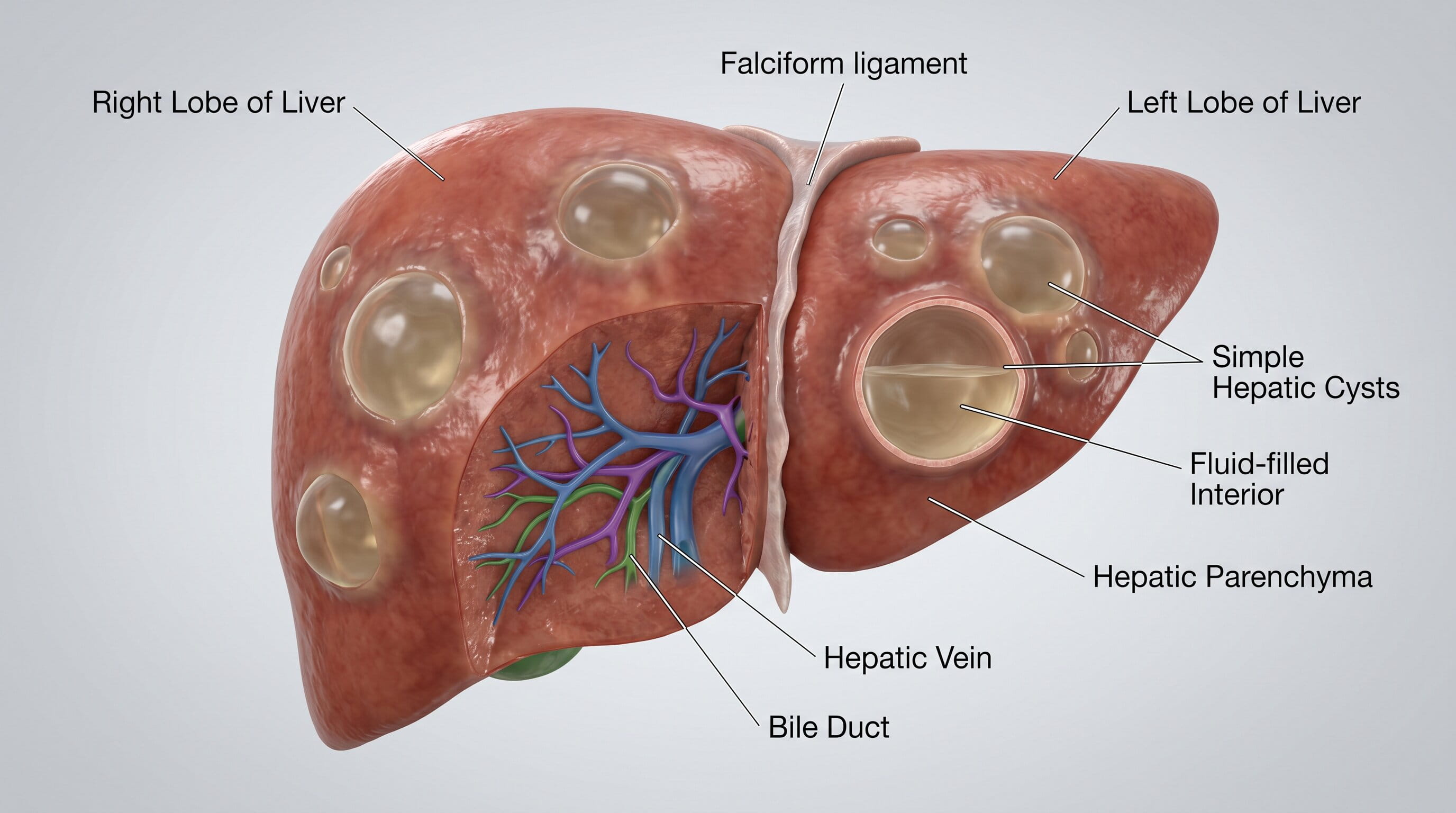
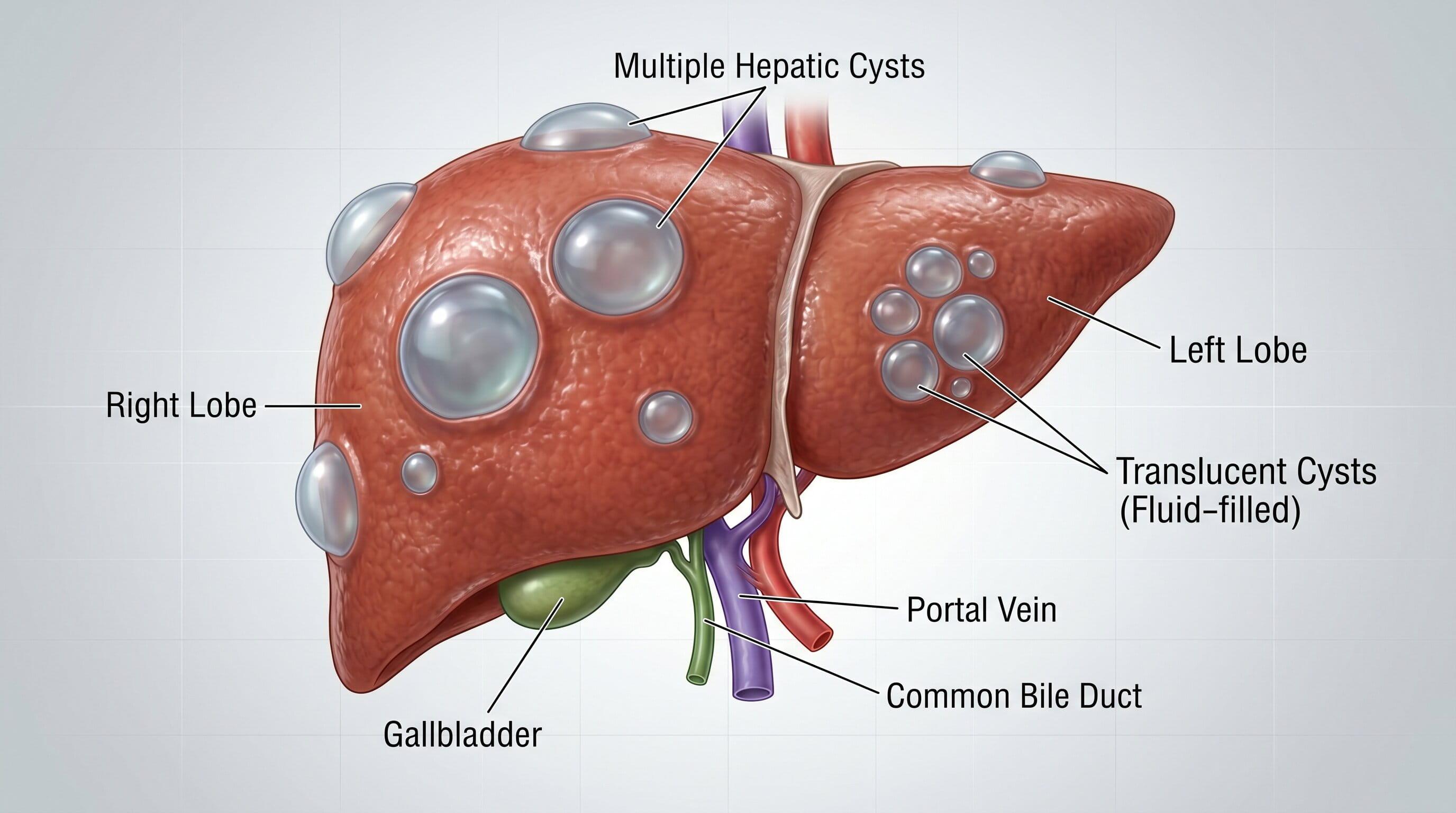
Liver cysts are typically fluid-filled sacs that form in the liver. While many liver cysts are benign (non-cancerous) and do not cause major health issues, patients may wonder if these cysts can recur after treatment. In this article, we will explore whether liver cysts can come back after treatment, the factors that contribute to recurrence, and what steps you can take to manage and monitor liver cysts effectively.
Understanding Liver Cyst Recurrence
Liver cysts can occur in different forms, most commonly as simple cysts or as part of polycystic liver disease (PLD). Simple cysts are usually harmless and often do not cause symptoms, while PLD involves multiple cysts that may grow over time and affect liver size.
Recurrence of liver cysts is possible and depends on factors such as the type of cyst, the treatment approach used, and any underlying conditions contributing to cyst formation. Understanding these factors helps guide long-term monitoring and management.
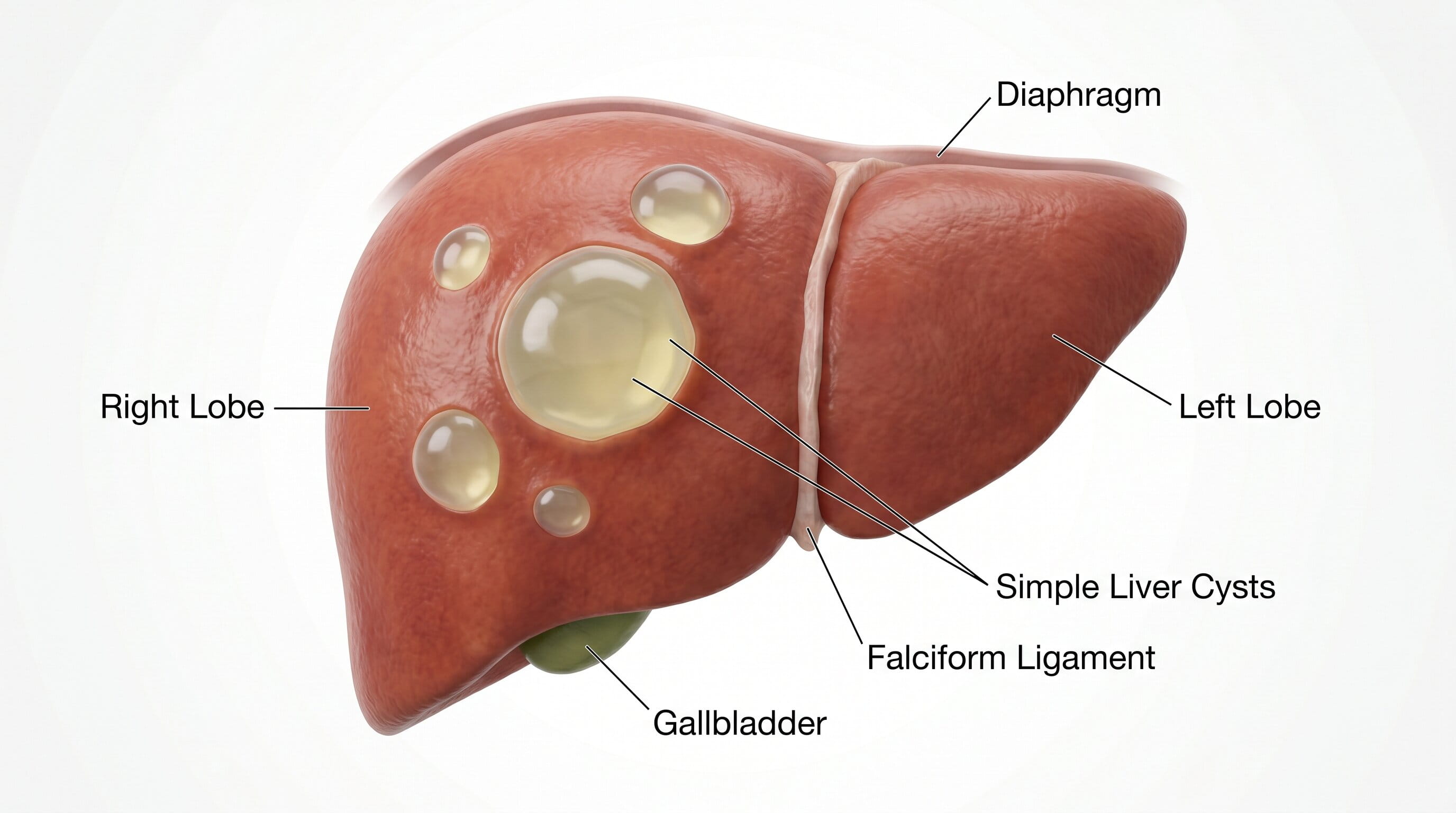
1. Simple Liver Cysts and Their Recurrence
Simple liver cysts are the most common type and are typically benign. These fluid-filled cysts usually have a smooth appearance and often do not cause symptoms. In many cases, they do not require treatment unless they become large or cause discomfort.
When symptoms occur, treatment options such as drainage or surgical removal may be considered to relieve pressure and improve comfort.
Recurrence in Simple Liver Cysts
- Low Risk of Recurrence: In most cases, once a simple liver cyst is properly treated, it does not come back. Complete removal or effective drainage reduces the chance of recurrence.
- Possible Recurrence After Drainage: Rarely, cysts may return if the cyst wall is not fully removed or if drainage is incomplete. This is more common in larger cysts.
- Regular Monitoring: Doctors may recommend follow-up imaging, such as ultrasounds or MRIs, to ensure the cyst has not returned and to monitor for new cyst development.
2. Polycystic Liver Disease (PLD) and Recurrence
Polycystic liver disease (PLD) is a genetic condition characterized by the development of multiple cysts in the liver. Unlike simple cysts, PLD can lead to liver enlargement and may cause complications over time. It is typically a progressive condition, meaning cysts can continue to form as the disease advances.
Recurrence in PLD
- High Likelihood of Recurrence: Cysts are more likely to recur after treatment due to the progressive nature of PLD. New cysts can form even after existing ones are removed or treated.
- Continuous Growth: The liver may continue to develop multiple cysts over time, leading to gradual enlargement. Treatments may relieve symptoms temporarily, but do not stop new cyst formation.
- Long-Term Management: Ongoing monitoring is essential to track liver size and cyst development. In severe cases, when liver function is significantly affected, advanced treatments such as liver transplantation may be considered.
3. Complex Liver Cysts and Their Recurrence
Complex liver cysts differ from simple cysts because they may contain both fluid and solid components. These cysts are less common and can sometimes be associated with infections or, rarely, malignancy. Treatment often depends on their structure and may include surgical removal or targeted interventions.
Recurrence in Complex Liver Cysts
- Moderate Risk of Recurrence: Complex cysts have a higher chance of coming back compared to simple cysts, especially if they are not completely removed or involve surrounding tissue.
- Infection or Malignancy: If a complex cyst is linked to infection or a tumor, recurrence may suggest that the underlying issue was not fully treated and requires further evaluation.
What Increases the Risk of Liver Cyst Recurrence?
While recurrence is generally uncommon in simple liver cysts, several factors can increase the risk of cysts returning after treatment.
1. Incomplete Treatment or Removal
If a liver cyst is not fully removed or properly drained, it may return. This risk is higher with larger cysts or those that are difficult to access.
2. Polycystic Liver Disease
Patients with polycystic liver disease (PLD) have a higher risk of recurrence due to the genetic nature of the condition. New cysts can continue to form over time, even after treatment.
3. Underlying Liver Conditions
Conditions such as cirrhosis, fatty liver disease, or hepatitis can increase the likelihood of cyst recurrence or the development of new cysts.
4. Hormonal Changes
Hormonal imbalances, including those during pregnancy or with hormone replacement therapy, may contribute to cyst formation and increase the chances of recurrence if not properly managed.
How to Manage Liver Cyst Recurrence
If you have experienced liver cyst recurrence, certain steps can help manage the condition effectively and reduce the risk of complications.

1. Regular Monitoring and Check-ups
- Routine Imaging: Follow your doctor’s recommendations for ultrasounds or MRIs to monitor for new cysts or changes in existing ones.
- Liver Function Tests: Periodic blood tests may be advised to assess liver health, especially if you have polycystic liver disease (PLD) or other liver conditions.
2. Managing Underlying Conditions
- Control Liver Diseases: Managing conditions like cirrhosis or fatty liver disease can help reduce recurrence risk.
- Medical Management: Take prescribed medications and limit alcohol intake to support liver health.
3. Lifestyle Modifications
- Healthy Diet: A balanced, liver-friendly diet supports overall liver function.
- Regular Exercise: Physical activity helps maintain a healthy weight and reduces liver strain.
- Avoid Alcohol and Toxins: Limiting alcohol and avoiding harmful substances can prevent further liver damage.
4. Surgical or Medical Treatment Options
- Procedural Treatment: Drainage or surgical removal may be needed if cysts cause symptoms or recur frequently.
- Advanced Care: In severe cases, particularly with PLD, options like liver transplantation may be considered if liver function is significantly affected.