Stomach pain is a common complaint.
But when it occurs in people with diabetes, it may have deeper implications.
Diabetes does not just affect blood sugar.
It can impact the entire digestive system.
From nerve damage to gut dysfunction, multiple mechanisms can lead to abdominal discomfort.
Understanding these causes is essential for timely diagnosis and proper treatment.
How Diabetes Can Lead to Stomach Pain
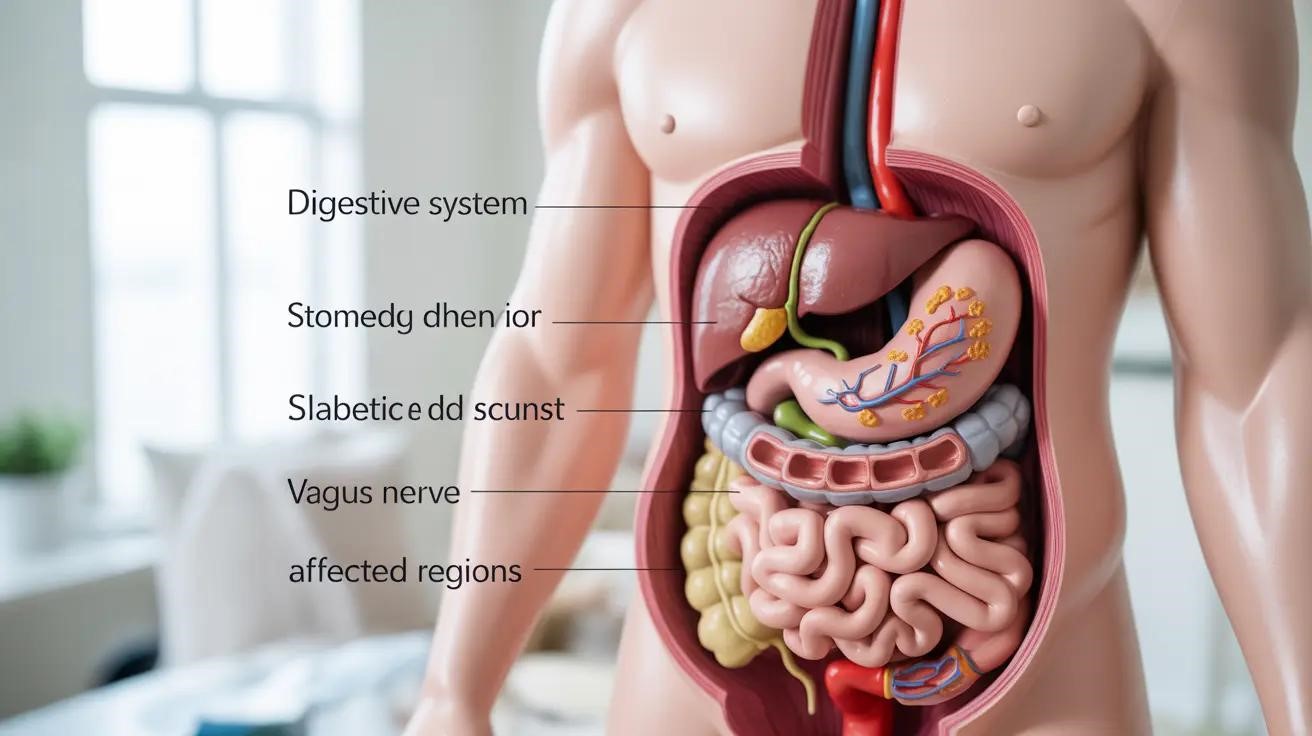
Diabetes-related stomach pain is usually not caused by a single factor.
It is often the result of multiple overlapping issues.
1. Nerve Damage (Diabetic Neuropathy)
High blood sugar can damage nerves controlling digestion.
This leads to:
- Poor coordination of stomach muscles
- Slowed or irregular digestion
Pain may occur due to:
- Gas buildup
- Delayed food movement
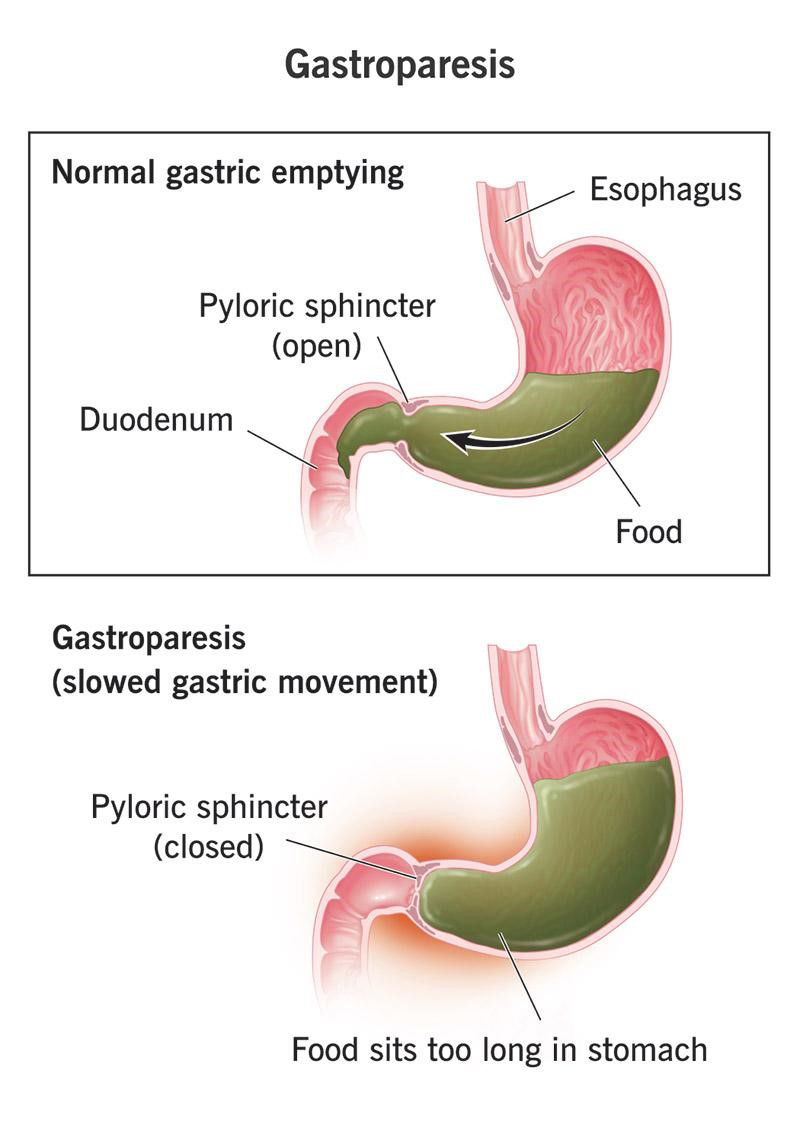
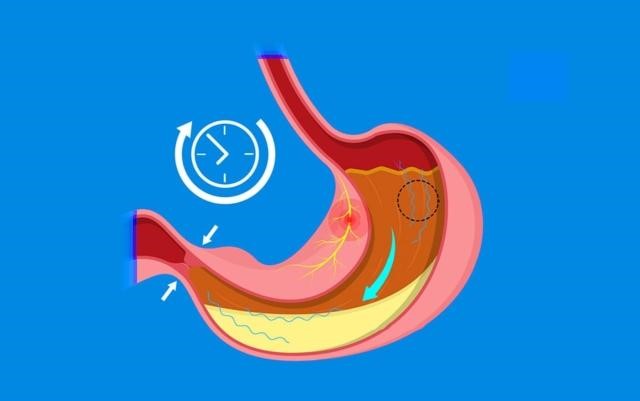
2. Gastroparesis (Delayed Stomach Emptying)
One of the most common causes of stomach pain in diabetes.
Food stays in the stomach longer than normal.
Symptoms:
- Upper abdominal pain
- Nausea
- Vomiting
- Bloating
- Early fullness
Pain often worsens after eating.
3. Acid Reflux (GERD)
Diabetes increases the risk of acid reflux.
Stomach acid moves into the esophagus, causing irritation.
Symptoms:
- Burning pain in the upper abdomen or chest
- Sour taste
- Discomfort after meals
4. Intestinal Motility Disorders
The intestines may move too slowly or irregularly.
This can cause:
- Cramping
- Constipation-related pain
- Diarrhea-related discomfort
5. Small Intestinal Bacterial Overgrowth (SIBO)
Slowed digestion allows bacteria to grow excessively.
Symptoms:
- Bloating
- Gas
- Abdominal pain
- Diarrhea
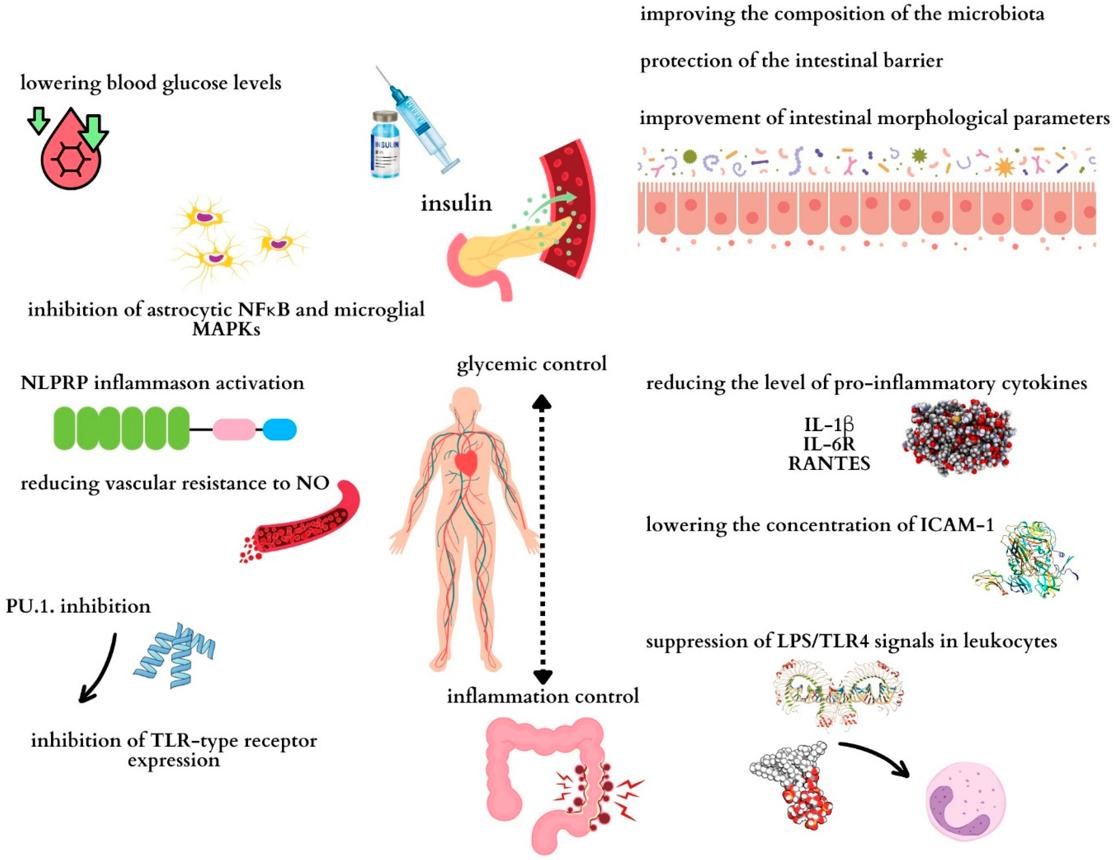
6. Gut Inflammation and Microbiome Imbalance
Diabetes can disrupt gut bacteria.
This leads to:
- Chronic inflammation
- Increased sensitivity in the gut
- Ongoing abdominal discomfort
7. Pancreatic and Liver Involvement
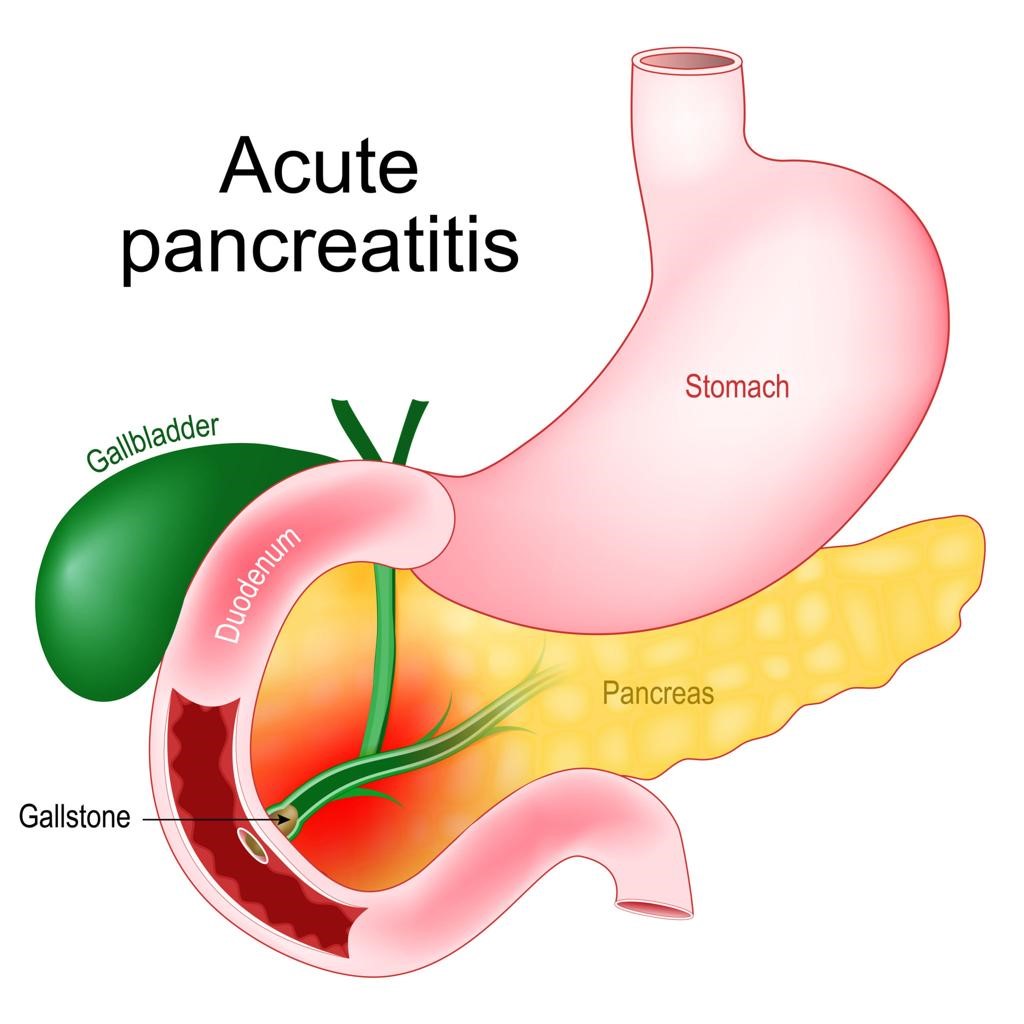
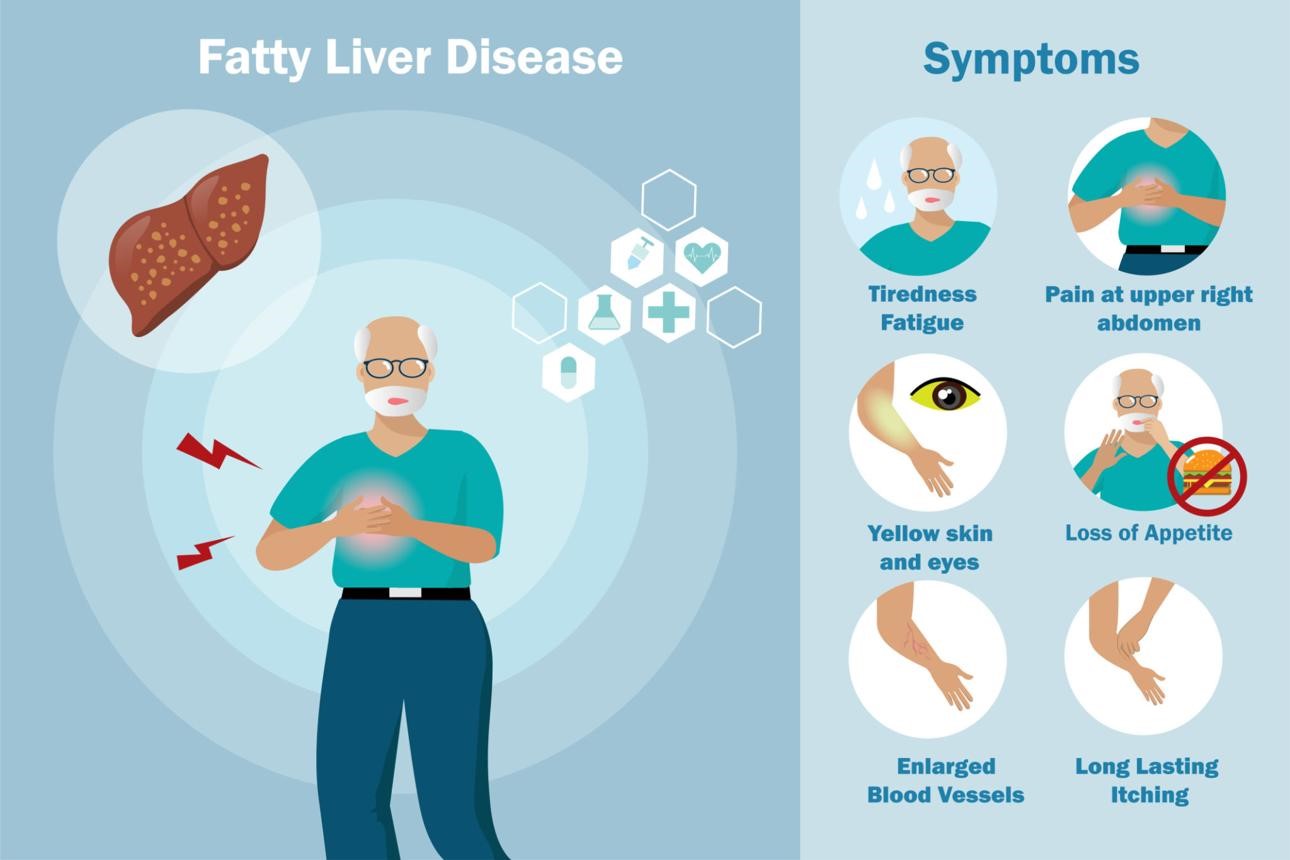
Diabetes is associated with conditions affecting nearby organs.
Pancreas:
- Inflammation (pancreatitis) can cause severe abdominal pain
Liver:
- Fatty liver disease may cause discomfort in the upper abdomen
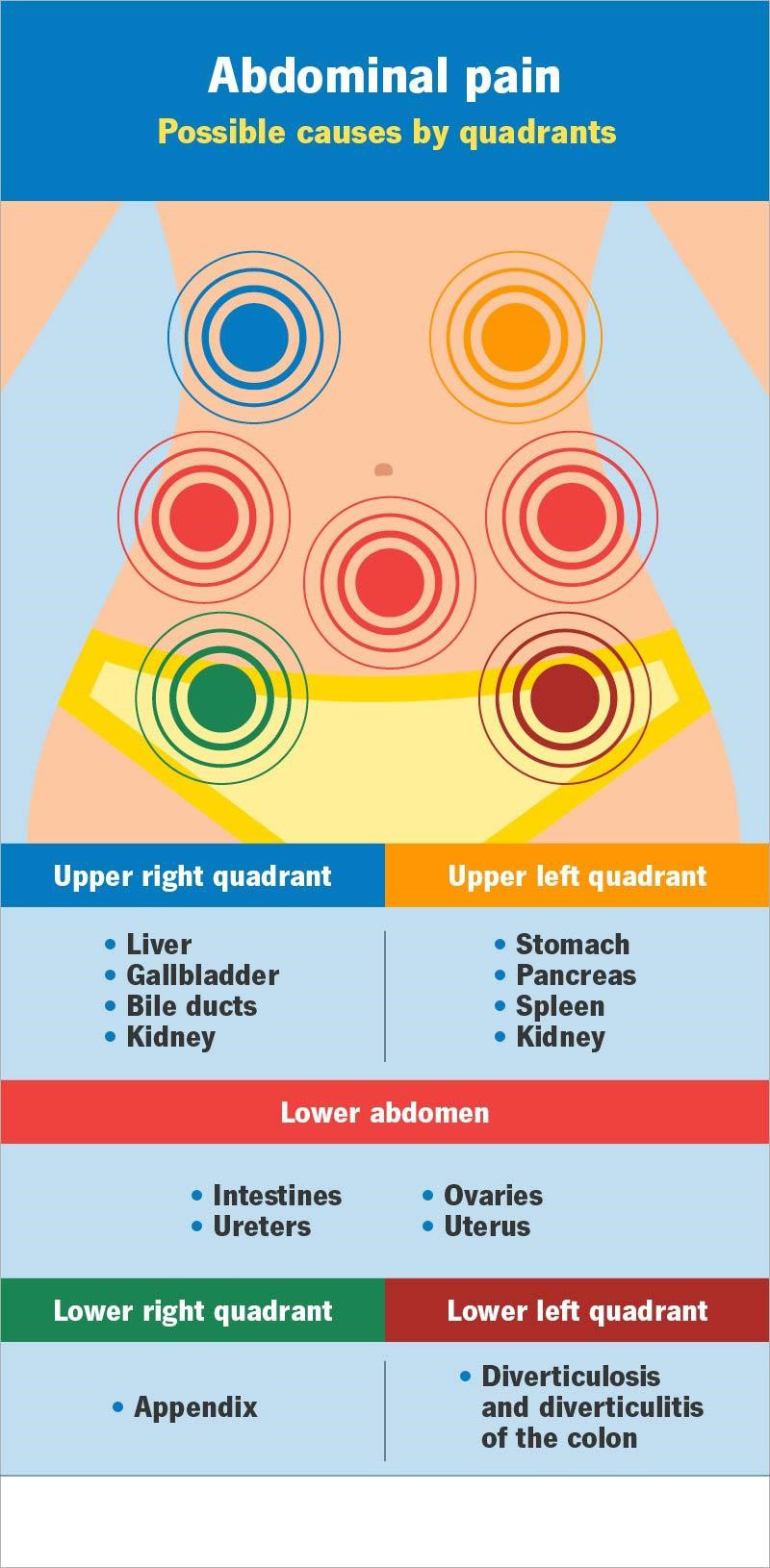
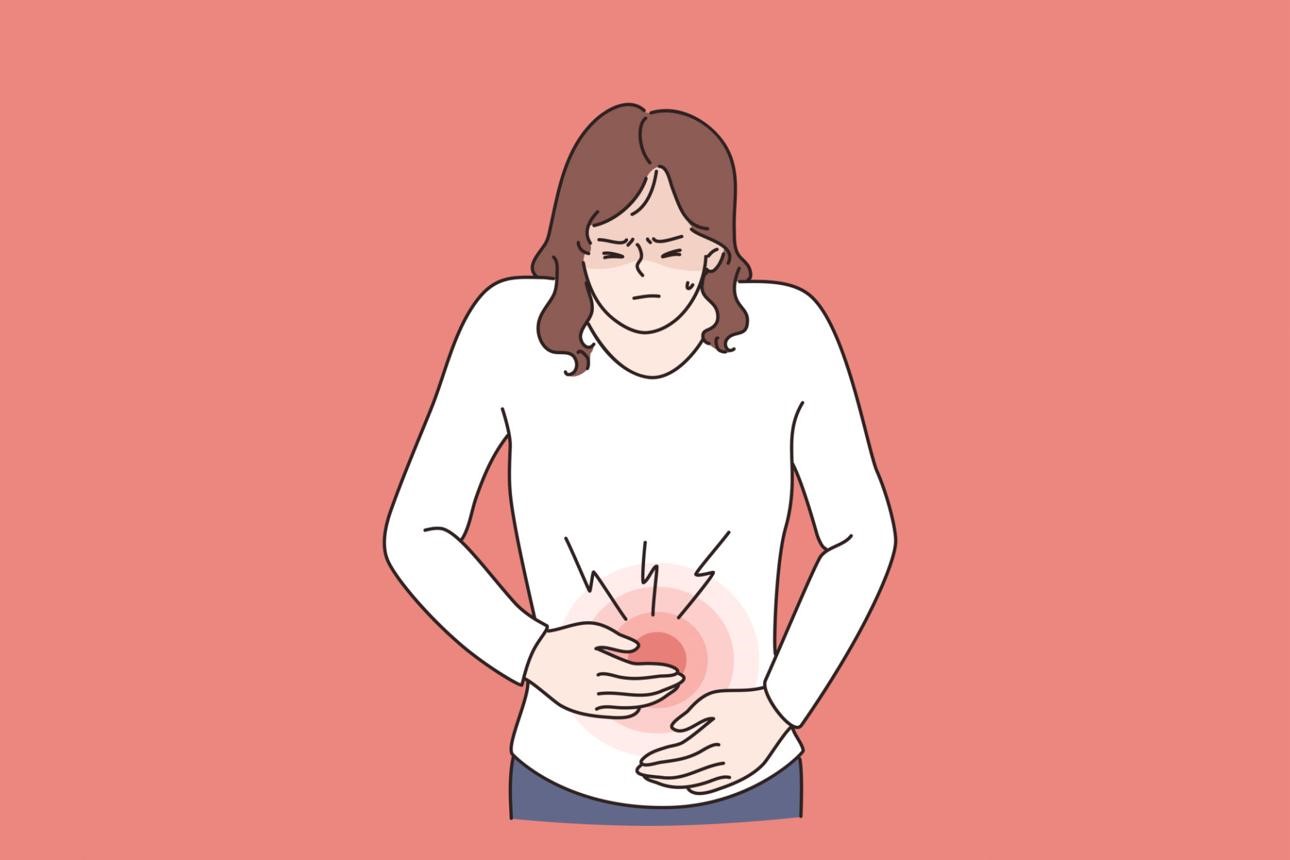
Where Does the Pain Occur?
Location of pain can provide clues:
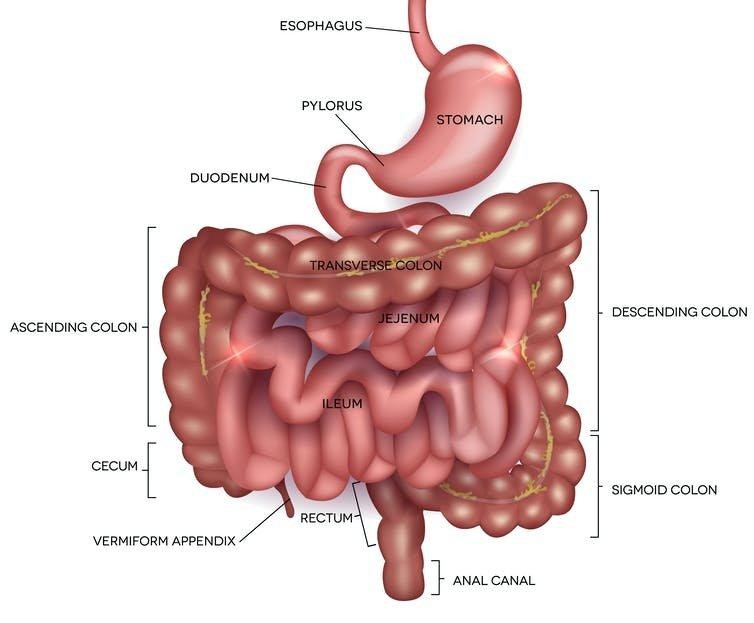
- Upper abdomen - gastroparesis or reflux
- Central abdomen - bloating or SIBO
- Lower abdomen - constipation or diarrhea
Pain may be:
- Dull and persistent
- Cramping or sharp
- Worse after meals
Common Symptoms Along with Stomach Pain

Stomach pain in diabetes often occurs with:
- Bloating
- Nausea
- Vomiting
- Constipation
- Diarrhea
- Loss of appetite
These symptoms help identify the underlying cause.
Why Stomach Pain in Diabetes Should Not Be Ignored
Many people assume stomach pain is minor.
However, in diabetes, it may indicate:
- Nerve damage
- Digestive disorders
- Infection or inflammation
Ignoring symptoms can lead to:
- Worsening complications
- Poor blood sugar control
- Reduced quality of life
When to See a Gastroenterologist
Seek medical attention if you experience:
- Persistent stomach pain
- Frequent vomiting
- Severe bloating
- Unexplained weight loss
- Blood in stool
- Pain that worsens over time
These may indicate serious underlying conditions.
How Doctors Diagnose the Cause
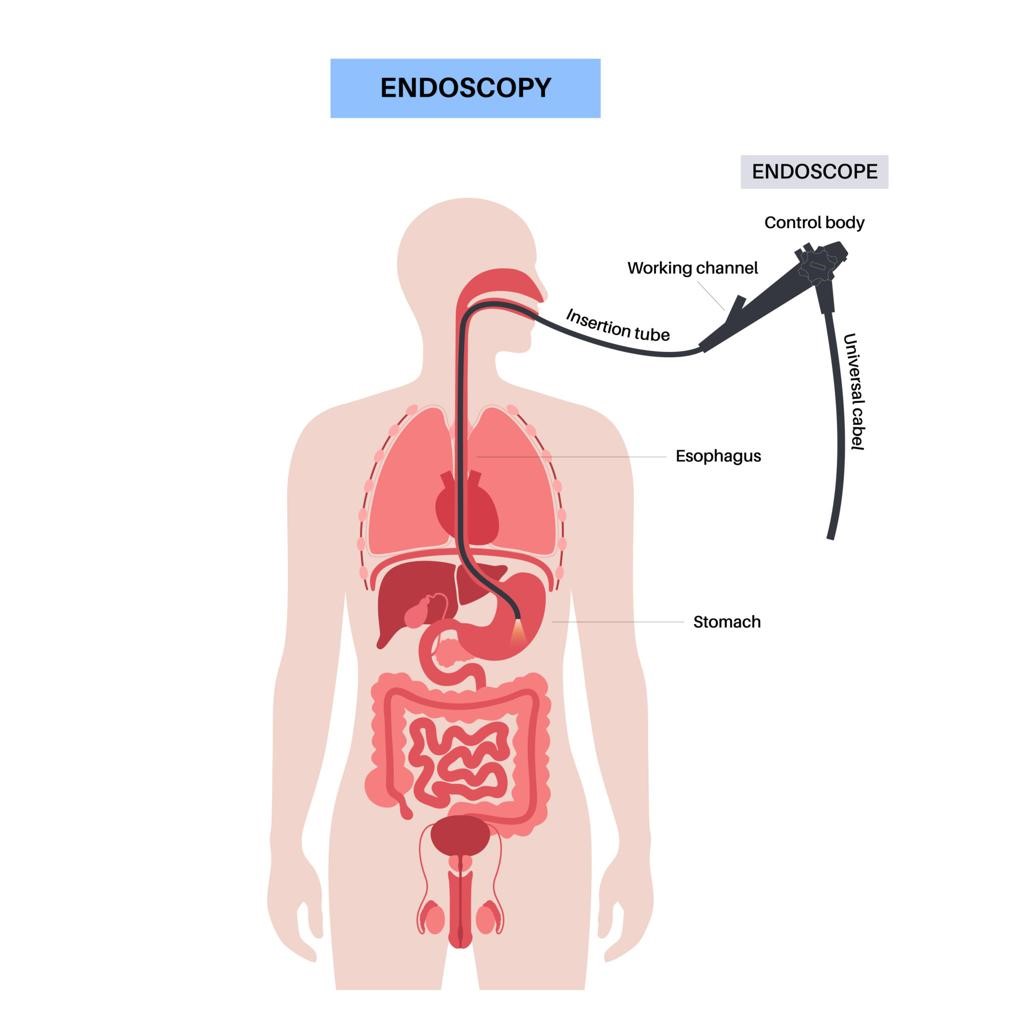
Diagnostic tests may include:
- Upper endoscopy (EGD)
- Colonoscopy
- Gastric emptying study
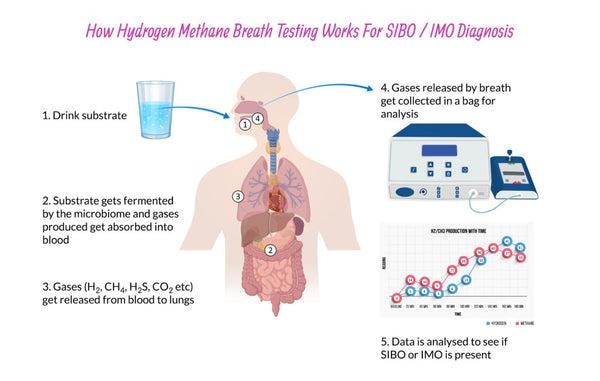
- Breath tests for SIBO
- Imaging (CT or ultrasound)
These help identify the exact cause of pain.
Treatment Options
Treatment depends on the underlying cause.
1. Blood Sugar Control
Stable glucose levels reduce nerve damage and improve digestion.
2. Dietary Changes
- Smaller, frequent meals
- Avoid high-fat foods
- Reduce processed foods
3. Medications
- Prokinetics for gastroparesis
- Acid reducers for GERD
- Antibiotics for SIBO
- Pain management medications
4. Lifestyle Modifications
- Regular exercise
- Hydration
- Stress reduction
5. Advanced Treatments
In severe cases:
- Nutritional support
- Specialized therapies
Preventing Stomach Pain in Diabetes
Key strategies:
- Maintain healthy blood sugar levels
- Follow a balanced diet
- Stay physically active
- Avoid smoking and alcohol
- Monitor digestive symptoms early
Prevention is critical for long-term health.
Long-Term Complications if Untreated
Untreated stomach pain can lead to:
- Chronic digestive disorders
- Malnutrition
- Severe infections
- Poor diabetes control
Early intervention improves outcomes.
Key Takeaway
Yes, diabetes can cause stomach pain.
It is often linked to nerve damage, delayed digestion, and gut dysfunction.
Understanding the underlying causes helps guide treatment and prevent complications.
Persistent symptoms should always be evaluated by a specialist.