How do you test for HSV?
There are several ways of diagnosing HSV using swabbed fluid from an active blister or through a blood test to detect HSV-1 or HSV-2 antibodies.
When should I get tested for HSV?
For optimal results, test during an active outbreak or 4-6 weeks after suspected exposure to allow the development of antibodies.
Will HSV prevent me from donating blood?
Yes. You can donate blood only when you are not experiencing an outbreak, have no symptoms, and otherwise meet standard blood donation requirements.
What is the duration of HSV outbreaks?
The first HSV outbreak typically lasts 2-3 weeks. Recurrent outbreaks are usually milder and can be managed with treatment within 5-7 days.
What triggers HSV flare-ups?
Common triggers include physical and emotional stress, illness, fatigue, sun exposure, and hormonal cycles such as menstruation.
Are there HSV over-the-counter (OTC) remedies?
Pain and itching may be alleviated by some topical creams and ointments, though prescription antiviral agents (acyclovir, valacyclovir) are more effective at reducing the severity and frequency of outbreaks.
Can HSV be transmitted without visible sores?
Yes. Asymptomatic viral shedding allows HSV to be transmitted even when no visible sores are present, so precautions should always be taken.
What are the symptoms of HSV in babies?
Infant HSV symptoms may include fever, irritability, poor feeding, lethargy, seizures, or skin lesions. Immediate medical attention is crucial if HSV is suspected in a newborn.
Are there other health problems associated with HSV?
Rarely, HSV may cause complications such as eye infections (herpetic keratitis), neurological disorders including meningitis or encephalitis, and secondary bacterial infections.
Where can I find an HSV specialist near Katy?
GastroDoxs in Katy offers specialized HSV care. Schedule an appointment with our experienced gastroenterologist for diagnosis, treatment, and ongoing management.

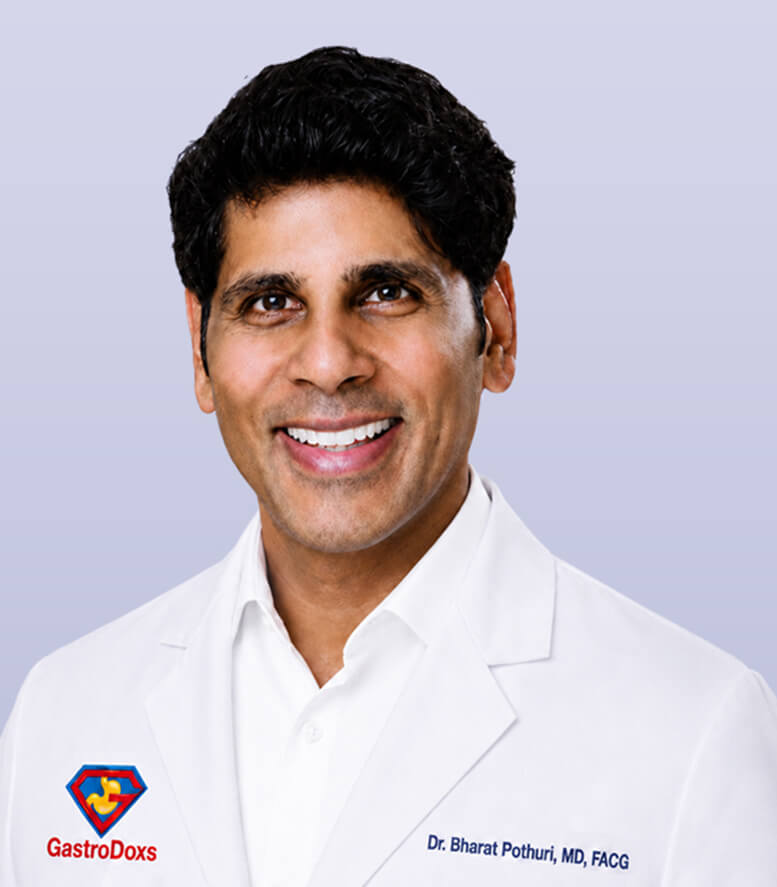 Medically Reviewed by
Dr. Bharat Pothuri, MD, FACG
| Updated 03-17-2026
Medically Reviewed by
Dr. Bharat Pothuri, MD, FACG
| Updated 03-17-2026