1.9K Reviews | 4.7 Star Rating | 20+ years of experience | 72k+ Patients Treated
Duodenitis Without Bleeding Doctor
Explore the cause, symptoms and the contemporary therapy of duodenitis without blood at the GastroDoxs in Houston. Our customized and tailored treatment under the guidance of Dr. Scott involves combined advanced tests, lifestyle changes and specific therapies that alleviate pain, facilitate recovery and inhibit a new episode of the duodenal inflammatory process.
Dr. Scott Liu, MD, is a board-certified gastroenterologist with over six years of experience and a background in military medicine. He earned his medical degree from the University of Maryland, Baltimore, completed his Internal Medicine residency at Naval Medical Center Portsmouth, and finished his Gastroenterology fellowship through the National Capital Consortium. Dr. Liu provides comprehensive care for a broad range of digestive conditions, including abdominal pain, acid reflux, liver disease, chronic diarrhea, and colon cancer screening. He is a member of the American College of Gastroenterology and is known for his disciplined, patient-focused approach and clear communication.
What Is Duodenitis Without Bleeding?
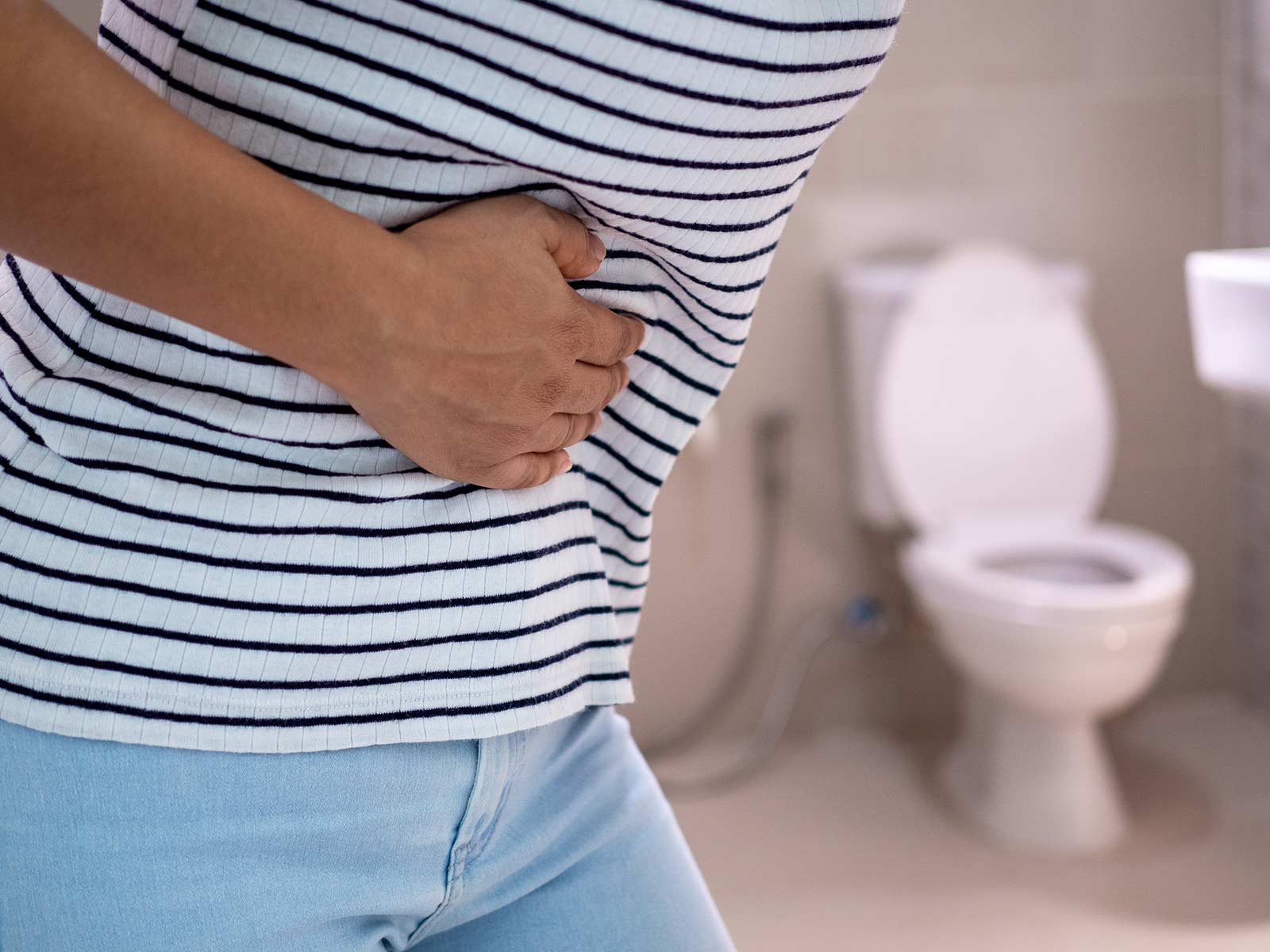
Ogive Duodenitis without bleeding Cases of duodenitis (inflammation of the lining of the duodenum, the first section of the small intestine) have no visible blood in stool or vomit. The pain may be unpleasant or even painful, yet no active bleeding is observed.
Common Causes and Risk Factors
Helicobacter pylori infection
Long-term use of NSAIDs (e.g., ibuprofen, naproxen)
Excessive stomach acid production
Smoking, alcohol use, or chronic stress
Underlying conditions such as Crohn's disease
Signs and Symptoms
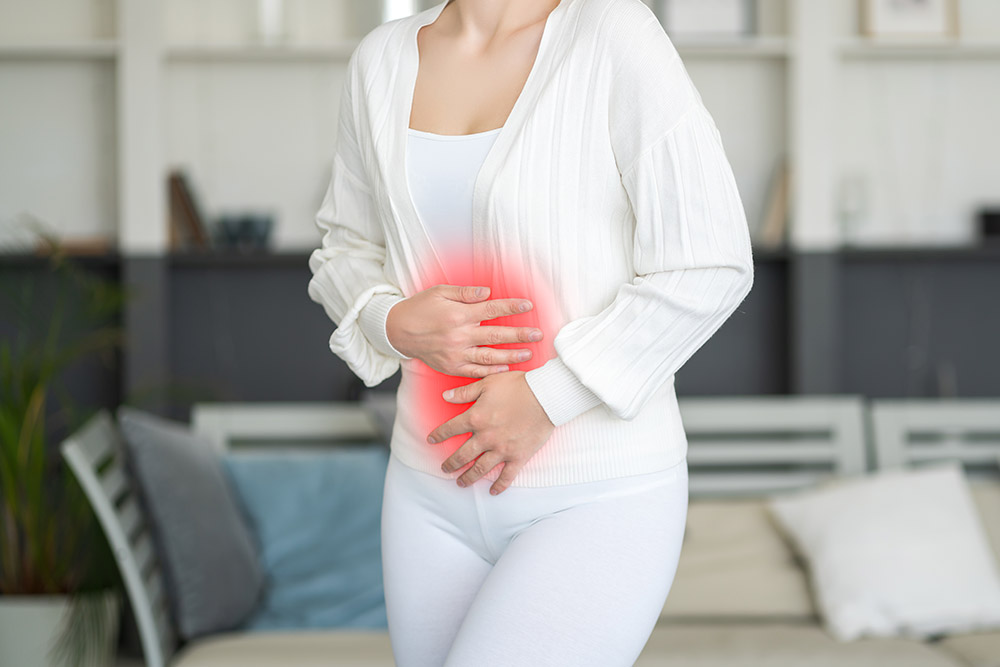
Burning or aching pain in the upper abdomen
Bloating or feeling full soon after eating
Nausea or mild indigestion
Reduced appetite or slight, unintentional weight loss
How Dr. Scott Diagnoses Duodenitis Without Bleeding?
Dr. Scott uses a step-by-step approach:
Medical History and Physical Exam
He examines your symptoms (pain in the epigastric area, bloating, nausea), usage of NSAIDs or alcohol, smoking history, level of stress and history of other GI diseases.
H. pylori Testing
Breath, blood or stool tests which are non-invasive to identify the presence of Helicobacter pylori infection.
Laboratory Studies
Complete blood count (CBC) to check for anemia.
Stool antigen testing to confirm eradication if you've been treated before.
Imaging and Ultrasound
Abdominal ultrasound to rule out gallbladder disease, pancreatitis or other abdominal causes of pain.
Upper Endoscopy (EGD)
Direct visualization of your duodenum to assess the mucosal lining.
Targeted biopsies to identify inflammation, rule out bleeding or test for H. pylori.
Advanced Testing (if needed)
Persistent or atypical cases may involve further research to include gastric pH monitoring, or motility tests.
Treatment
Our Team offers a full range of care for duodenitis without bleeding.
1. Diet and Lifestyle Tips
Frequent eating of smaller meals to relieve duodenal stress.
All greasy, spicy or acidic food should be avoided as it will inflame the lining.
Reduce alcohol and caffeine.
Give up smoking and learn to reduce stress.
2. Medications
PPIs to minimize stomach acid.
further acid control with H 2 blockers.
In case of H. pylori infection, antibiotics are employed in case of testing.
3. Minimum Intrusion or High-End Operation.
Endoscopic therapies done on our clinic in Houston because of chronic symptoms.
Endoscopy (EGD) of the upper endoscopy in case of additional examination is required.
Figure 2: Endoscopic monitoring to confirm mending and to avoid reoccurrence.
Dr. Scott Liu, MD, is a board-certified gastroenterologist with over six years of experience and a background in military medicine. He earned his medical degree from the University of Maryland, Baltimore, completed his Internal Medicine residency at Naval Medical Center Portsmouth, and finished his Gastroenterology fellowship through the National Capital Consortium. Dr. Liu provides comprehensive care for a broad range of digestive conditions, including abdominal pain, acid reflux, liver disease, chronic diarrhea, and colon cancer screening. He is a member of the American College of Gastroenterology and is known for his disciplined, patient-focused approach and clear communication.
Frequently Asked Questions
What do duodenitis lacks? bleeding.
Duodenitis or duodenal inflammation is inflammation of the duodenum lining, which initially has no visible blood loss. You are likely to complain about upper abdomen pains or discomfort without seeing blood in your stool or vomit.
What is the ICD-10 code of non bleeding duodenal erosions?
The code used to describe it in ICD-10 is K29.5 - chronic duodenitis without bleeding.
Is the possibility of a duodenal ulcer without bleeding that is caused by stress?
Yes. Stress may elevate the level of stomach acid which can irritate the duodenal lining and can cause an ulcer formation without bleeding.
Do I need an endoscopy?
Majority of patients are beneficiaries of an upper endoscopy (EGD). The process allows Dr. Scott to see the duodenum directly and biopsy it in small samples should I require it to verify my diagnosis.
How long does recovery take?
Most patients improve their health considerably in 4-6 weeks with the help of proper medication, change in diets and lifestyle.
Is H. pylori always the cause?
No. Although belonging to the common culprits is the H. pylori infection, other factors such as persistent use of NSAIDs, excessive acid secretion, smoking, alcohol, or underlying (e.g., Crohn’s) conditions can result in duodenitis.
Can the condition return?
Yes, it can recur. Nevertheless, the risk of the relapse can be significantly minimized by following the feeding habits, shunning irritants (NSAIDs, alcohol, tobacco) and making regular follow-up visits.
Related Blogs
The Difference Between a Bellyache and Abdominal Pain