
We offer a full-scale diagnosis and a treatment of squamous cell carcinoma that offers healthier and longer lasting skin.
Read More








We offer a full-scale diagnosis and a treatment of squamous cell carcinoma that offers healthier and longer lasting skin.
Read More
Our services are that of prompt diagnosis, sympathetic care and customized care to severe cases of stercoral colitis induced colon inflammation.
Read More
Thrush the house on demand service- This is a House service business where people are called to carry out online repairs.
Read More
Our group detects and removes tubular adenomas at early stages and helps to prevent colorectal cancer, and wellness.
Read More
Our clinic offers detection and minimal invasive resection of tubulovillous adenomas in the prevention of colorectal cancer.
Read More
Our intestinal ulcer service refers to the delivering of comprehensive assessment, advanced attention and care of the digestive relief.
Read More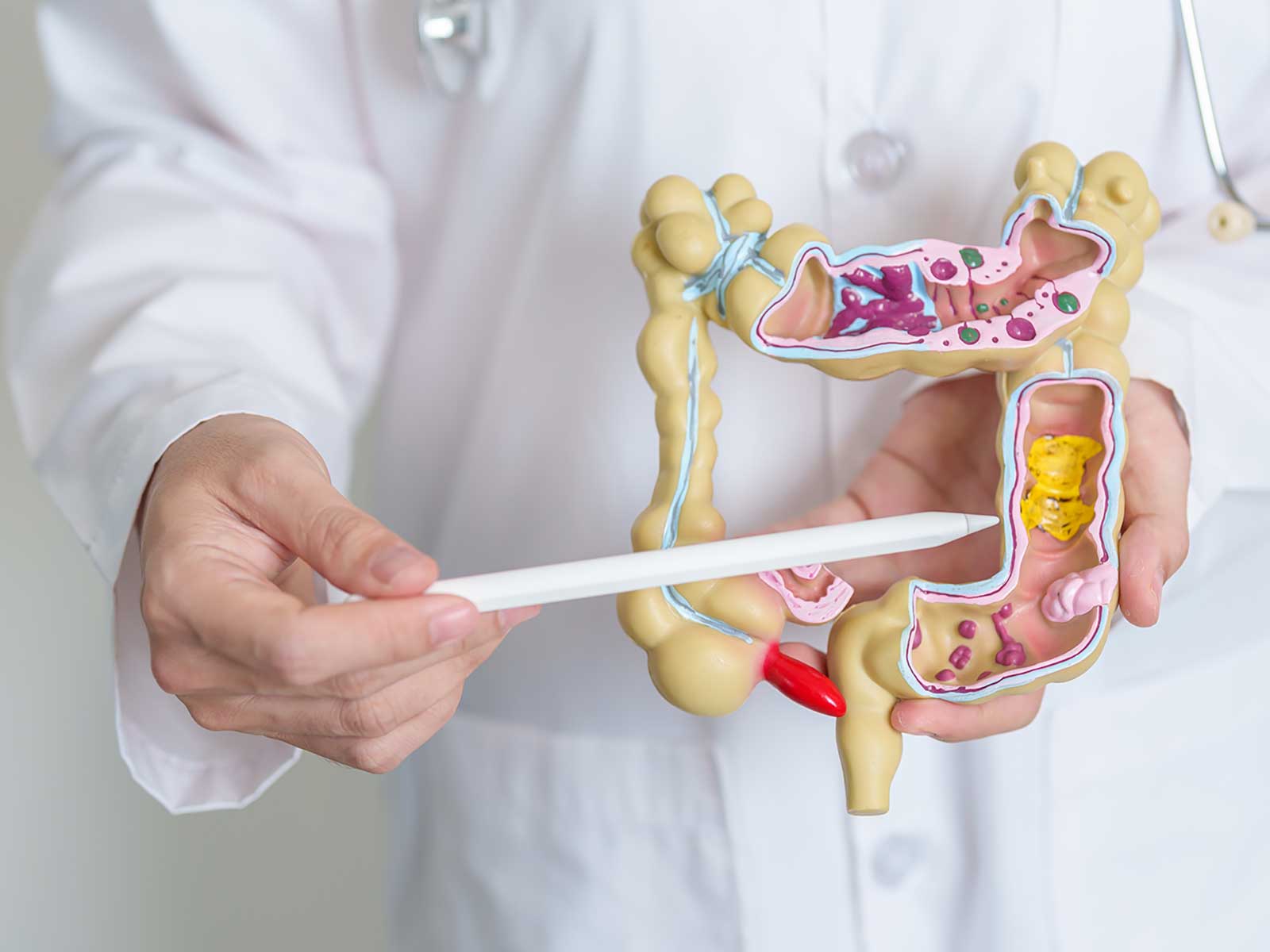
The conditions that we provide in our group are specialized care of ulcerative colitis, personal treatment plan, professional management of symptoms and patient care.
Read More
Individual treatment and special assessment programs in order to be able to properly cope with the symptoms of ulcerative proctitis and improve quality.
Read More
Sufficient assessment of ulcers, and development of individual care plans, which involve ardent relief, healing care, and continuous care.
Read More
Our clinic can be of assistance in the evaluation and diagnosis, as well as provision of patients with unspecified jaundice with a specific treatment.
Read More
Receive individualized assistance, lifetime practices and mentoring on how to your weight loss goals in a safe and secure manner.
Read More
The care of the Wilson Disease, such as genetic, copper, individualized therapy, and assistance to the patient is prescribed.
Read MoreCommon digestive conditions treated by gastroenterologists include Crohn's disease, ulcerative colitis, colon cancer, irritable bowel syndrome (IBS), and gastroesophageal reflux disease (GERD). Treatment typically involves medications, lifestyle changes, and in some cases, surgical intervention.
At GastroDoxs, treatment and intervention vary based on the condition. We provide medications, dietary guidance, and surgical options when necessary, along with long-term management strategies, ensuring that your treatment plan is personalized and effective.
Risk factors for Crohn’s disease and ulcerative colitis include a family history of IBD, age (most commonly diagnosed in people under 30), and environmental factors like diet and stress. Smoking is also a significant risk factor for Crohn’s disease.
Preventing gastrointestinal diseases involves maintaining a healthy diet, regular exercise, and avoiding risk factors like smoking and excessive alcohol consumption. Regular screenings, especially for colon cancer, are crucial for early detection and prevention.
Diagnostic tests for digestive diseases include endoscopy, colonoscopy, imaging tests like CT scans or MRIs, and blood tests to check for signs of infection or inflammation. These tests help gastroenterologists determine the cause of your symptoms and guide treatment decisions.
Medications for digestive disorders vary based on the condition. GERD may be treated with PPIs or H2 blockers, while IBS may require antispasmodics, laxatives, or antidiarrheal medications. For more severe conditions like ulcerative colitis, immunosuppressants and biologics may be prescribed.
Diet and nutrition play a critical role in managing digestive diseases. For IBD and GERD, avoiding trigger foods such as spicy dishes, caffeine, and alcohol can help manage symptoms. Working with a dietitian can help create a personalized nutrition plan that reduces inflammation and improves overall gut health.
Making lifestyle and behavioral changes, such as managing stress, improving sleep, avoiding smoking, and exercising regularly, can help reduce symptoms of digestive diseases. For example, practicing relaxation techniques can be beneficial for managing stress-related conditions like IBS.
Pediatric gastrointestinal care focuses on conditions such as pediatric IBS, celiac disease, and gastroesophageal reflux disease (GERD) in children. Treatment is tailored to a child’s age, nutritional needs, and overall health, ensuring the child receives the appropriate interventions and support.
Geriatric gastrointestinal care takes into account the specific needs of older adults, including the management of chronic conditions like constipation, IBD, and gallstones. Treatment plans are adjusted for aging patients to minimize side effects and ensure optimal health outcomes.
Surgical procedures for digestive diseases include colon resection for cancer, laparoscopic surgery for Crohn’s disease, and bariatric surgery for severe obesity. Our team of gastroenterologists and surgeons at GastroDoxs in Texas is skilled in performing these procedures to help improve patients' quality of life.