
Ulcerative Colitis and Its Impact on Your Quality of Life in Cypress, TX
Ulcerative colitis can affect life beyond bowel symptoms. Treatment should address inflammation, fatigue, nutrition, emotional well-being, and the activities that matter to you.
Key Takeaways
- Ulcerative colitis can affect life beyond bowel symptoms.
- Unpredictable bowel movements can interrupt commuting, meetings, exercise, and social plans.
- Avoiding too many foods can reduce intake. A dietitian can help preserve nutrition around tolerated foods.
- Continue prescribed UC treatment and agree on a way to assess inflammation and response.
- Heavy bleeding, fainting, severe abdominal pain, fever with worsening illness, or inability to stay hydrated needs urgent or emergency assessment.
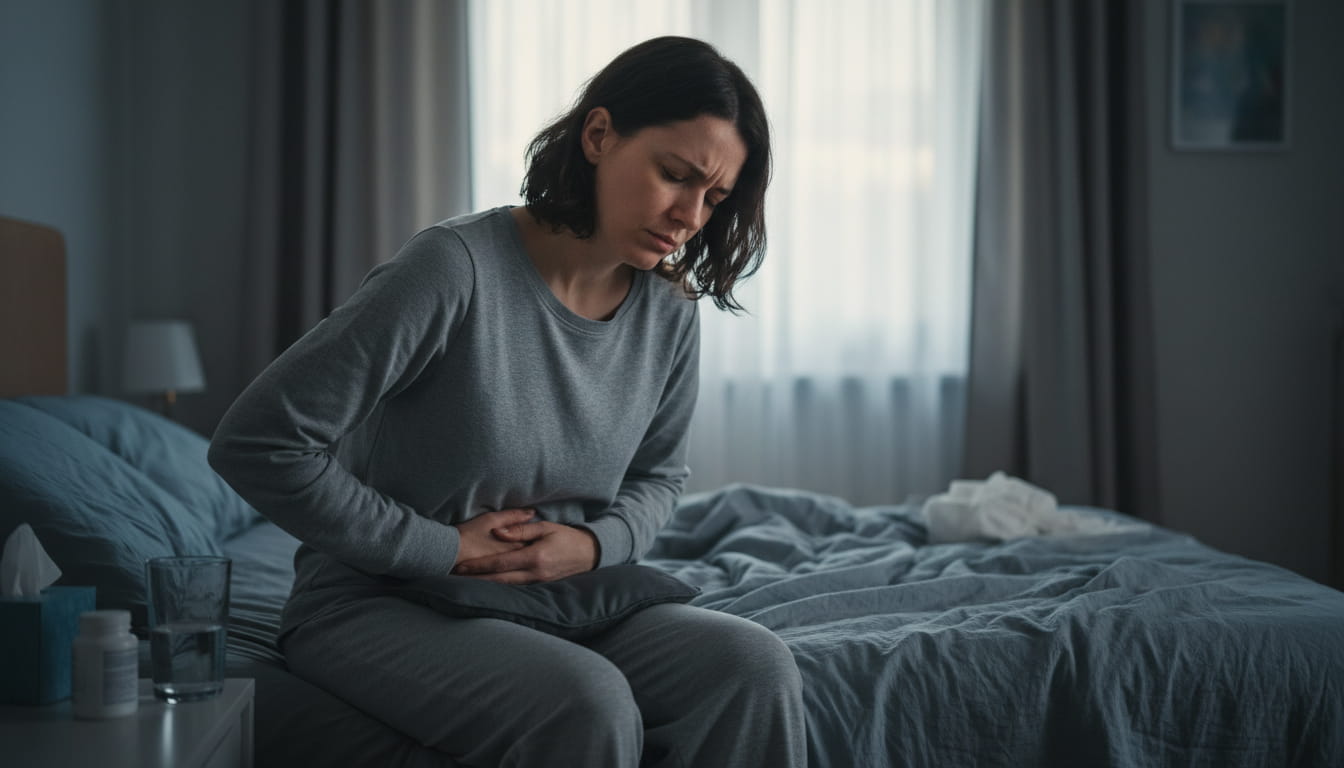

Identify the parts of daily life that need support
A person with UC may plan each trip around bathrooms or miss activities because of urgency and exhaustion. For Cypress patients, a useful care review asks what the disease prevents you from doing, not only how many stools you pass.
Use the ulcerative colitis overview alongside your symptom history. Ulcerative colitis can affect life beyond bowel symptoms. Treatment should address inflammation, fatigue, nutrition, emotional well-being, and the activities that matter to you.
Eight points to put the symptoms in context
Urgency
Unpredictable bowel movements can interrupt commuting, meetings, exercise, and social plans.
Energy
Fatigue may involve inflammation, anemia, poor sleep, nutrition, medicines, or several causes together.
Sleep
Nighttime bowel movements and worry can disturb rest and make daytime coping harder.
Food choices
Avoiding too many foods can reduce intake. A dietitian can help preserve nutrition around tolerated foods.
Work and routines
Bathroom access, rest breaks, and flexible scheduling may make treatment and daily tasks more manageable.
Relationships
Embarrassment, body-image concerns, or symptoms can affect intimacy and communication with people close to you.
Emotional health
Anxiety or low mood deserves assessment during a flare and in remission.
Treatment goals
Goals should include disease control and a measurable activity you want to regain.
What medical guidance can establish
UC care aims to control bowel inflammation and maintain remission. Quality of life can remain affected even when symptoms improve, so fatigue, nutrition, and emotional concerns need their own assessment.
Sources for the clinical discussion: NIDDK: Treatment for ulcerative colitis, Crohn's & Colitis Foundation: Causes of fatigue in IBD, Consensus statement: Managing anxiety and depression in IBD.
How the clinical evaluation is chosen
Describe bowel frequency, bleeding, urgency, nighttime symptoms, and changes in weight. Explain which daily activities you avoid and whether this is a recent change.
Your clinician may assess disease activity, anemia, nutrition, medicine effects, and sleep. Persistent fatigue should not automatically be labeled a flare or a mood problem.
Match the next step to the situation
If symptoms change after the first assessment, report the new features and their timing. A previous reassuring result should be interpreted alongside the current pattern.
Stable symptoms
If bowel symptoms are stable, discuss remaining fatigue, anxiety, and activity restrictions at a planned review.
Persistent or changing symptoms
Increasing urgency, disrupted sleep, missed work, or declining food intake deserves an earlier care-team conversation.
Urgent warning signs
Heavy bleeding, fainting, severe abdominal pain, fever with worsening illness, or inability to stay hydrated needs urgent or emergency assessment.
Treatment and a clear follow-up plan
Continue prescribed UC treatment and agree on a way to assess inflammation and response. Do not substitute a restrictive diet or supplement for maintenance medicines.
Choose one practical goal, such as sleeping through more nights or attending a planned activity. Ask about nutrition support, emotional health screening, and a written flare plan.
When to seek care sooner
Heavy bleeding, fainting, severe abdominal pain, fever with worsening illness, or inability to stay hydrated needs urgent or emergency assessment.
- Heavy bleeding or fainting
- Severe pain, swelling, or worsening fever
- Dehydration or rapidly worsening function
Prepare for your next appointment
- Track bowel symptoms alongside sleep and energy.
- Name two activities that UC has limited.
- Bring medicines, recent results, and diet concerns.
- Ask who will follow up on the medical and daily-life goals.
Frequently Asked Questions
Can UC affect quality of life during remission?
Yes. Fatigue, anxiety, treatment burden, or altered routines may persist. Assessment should consider these problems even when inflammation appears controlled.
Why am I exhausted when my bowel symptoms are better?
Inflammation is only one possible cause. Anemia, poor sleep, nutritional issues, medicines, and mood can contribute and may need separate assessment.
Should I avoid social activities to prevent a flare?
Avoidance does not reliably prevent inflammation. A bathroom plan, treatment plan, and support for anxiety may help you participate more comfortably.
Can a special diet replace UC treatment?
No diet reliably replaces prescribed inflammation treatment. Nutrition advice should support adequate intake and symptom tolerance without unnecessary restrictions.
Is it appropriate to discuss intimacy with my GI clinician?
Yes. Symptoms, fatigue, body-image concerns, and treatment effects can affect relationships. These concerns are part of quality-of-life care.
What is a useful daily-life treatment goal?
Choose a specific activity or function you want to improve, alongside medical goals. Examples include fewer nighttime awakenings or greater confidence leaving home.
When should emotional symptoms with UC be assessed?
Persistent worry, low mood, or reduced daily function deserves assessment. Severe distress or immediate safety concerns needs urgent professional help.
What should I bring to a UC quality-of-life review?
Bring a symptom and energy log, medicines, nutrition concerns, and examples of activities affected. Ask for a coordinated follow-up plan.
Medical References
- NIDDK: Treatment for ulcerative colitis
- Crohn's & Colitis Foundation: Causes of fatigue in IBD
- Consensus statement: Managing anxiety and depression in IBD
This article provides general education for readers in Cypress, TX. It does not replace an individual diagnosis or treatment plan. GastroDoxs sees patients ages 18 and older. In the United States, call 911 for a medical emergency.

Discuss UC and daily life in Cypress With GastroDoxs
Bring a dated symptom history, your medicine list, and any previous test reports. Ask who will follow up on the medical and daily-life goals.