Introduction: Gallstones and their influence on the digestive wellbeing
Gallstones are small and hard materials that develop in the gallbladder, which is a small organ found below the liver and holds the bile. Even though a majority of the individuals with gallstones do not show any signs, they can cause severe gastro-intestinal issues as they may block biliary tracts or scratch the gallbladder. The issue of gallstones on the digestive system should be learned by the citizens of Katy, TX to be able to observe it at an initial stage and avoid it to make an informed health decision.
The impact of gallstones on the health of the digestive system, the impact of these on the formation of the bile and the digestion, and the symptoms that one should watch to take active measures to prevent the health of his or her digestive system, will be discussed in this blog.
What Are Gallstones?
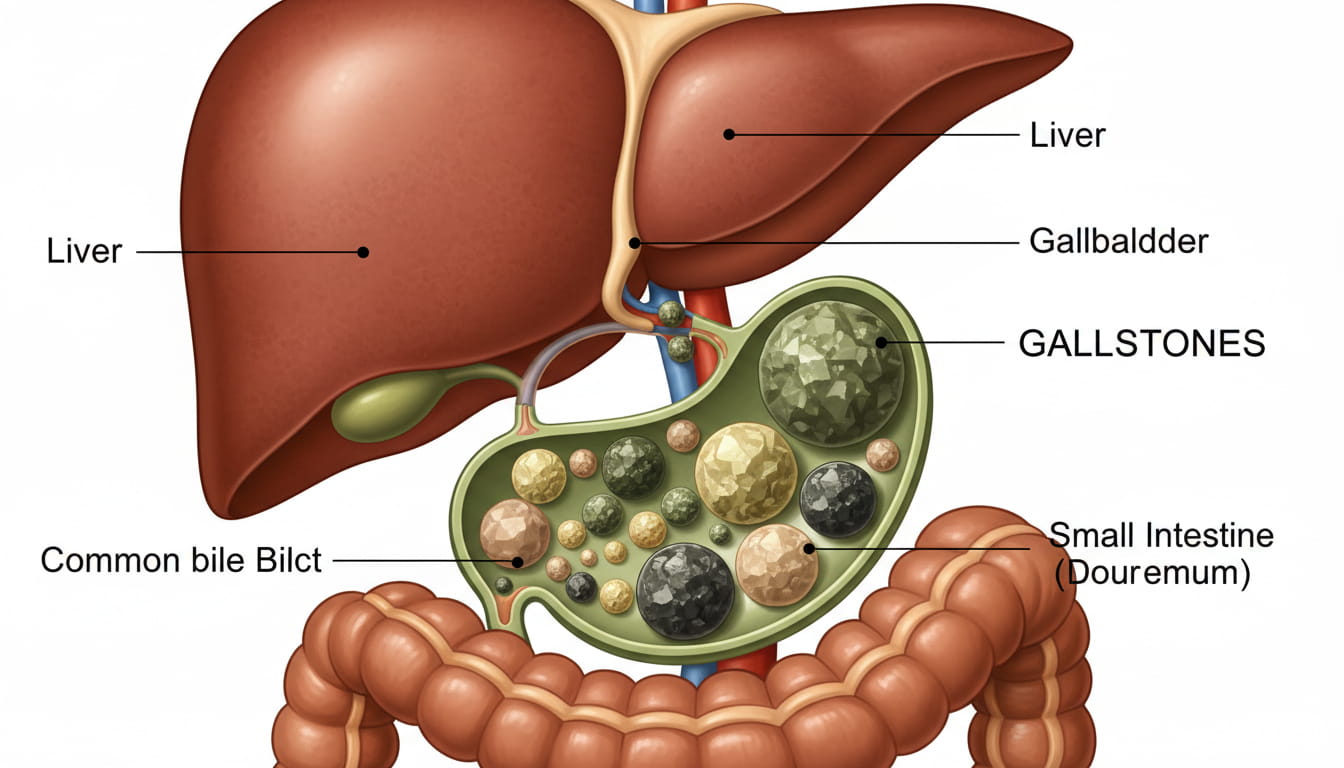
The gallstones are pebbly sized materials that form in the gallbladder. The primary role of the gallbladder is to store the bile, a digestive liquid secreted by the liver. The shift of the proportion of substances in the bile can result in the emergence of the gallstones. Gallstones may exist in two forms:
- Cholesterol Gallstones - Form due to the surplus cholesterol in the bile.
- Pigment Gallstones - These are the stones that are developed due to the overproduction of bilirubin, which is the product of red blood cell breakdown.
The gallstones can be of various sizes, small and grain-like, and bigger stones. Though there is no symptom for a share of people with gallstones, those who are symptomatic complain of severe pain in the abdomen and digestion.
The Role of Gallstones in Digestive Health
Gallstones can disrupt the normal functioning of the digestive system in several ways, causing discomfort, pain, and digestive disturbances. Here’s a closer look at the role of gallstones in digestive health:
1. Blockage of the Bile Ducts
The gallbladder releases bile into the small intestine to aid in the digestion of fats. When gallstones block the bile ducts, bile cannot flow freely from the liver to the small intestine. This blockage can lead to:
- Pain: A blockage can trigger a gallstone attack, causing intense pain, especially after eating fatty meals.
- Jaundice: When bile backs up in the liver, it can lead to a yellowing of the skin and eyes, known as jaundice.
- Digestive Disturbances: Without bile, fat digestion becomes impaired, resulting in bloating, nausea, and difficulty digesting high-fat foods.
2. Inflammation of the Gallbladder (Cholecystitis)
Gallstones can cause the gallbladder to become inflamed, a condition known as cholecystitis. This inflammation can cause severe abdominal pain, fever, and digestive discomfort. If left untreated, it can lead to complications like infection.
3. Impact on Fat Absorption
The gallbladder stores and releases bile, which is crucial for digesting fats. When gallstones block the flow of bile, it can affect the body’s ability to break down and absorb fats properly. This can lead to:
- Fatty food intolerance: Difficulty digesting fatty foods, leading to bloating, nausea, and discomfort.
- Malabsorption of nutrients: Over time, this can affect the absorption of fat-soluble vitamins (A, D, E, and K), leading to deficiencies.
Risk Factors for Gallstones in Katy, TX
Certain factors increase the likelihood of developing gallstones. In Katy, TX, where lifestyle habits such as diet and physical activity can influence health, it’s important to be aware of these risk factors:

1. Obesity and Overweight
Obesity increases cholesterol levels in bile, contributing to gallstone formation. In Katy, where fast food and sedentary lifestyles are common, the risk of obesity—and therefore gallstones—can be significant. Maintaining a healthy weight through diet and exercise is one of the most effective ways to reduce your risk.
2. Gender and Age
Women, particularly those over the age of 40, are more likely to develop gallstones due to hormonal changes. Estrogen, often elevated during pregnancy or birth control use, can increase cholesterol levels in bile. Katy’s demographic makeup, with a significant population of women in this age group, means that awareness is especially important for this group.
3. Diabetes and High Cholesterol
People with diabetes or high cholesterol levels are at a greater risk of developing gallstones. The high levels of insulin associated with diabetes increase the liver's production of cholesterol, which can lead to gallstone formation. In Katy, where lifestyle-related diseases are prevalent, managing cholesterol and blood sugar is crucial.
4. Family History
A family history of gallstones increases the likelihood of developing the condition. If you have relatives who have experienced gallstones, your risk may be higher. It’s important to discuss your family history with a healthcare provider to assess your risk.
Symptoms of Gallstones: How to Recognize the Warning Signs
Gallstones can be asymptomatic for many people, but they can cause significant pain and discomfort when symptoms do appear. Symptoms to look out for include:
- Severe abdominal pain: Often felt in the upper right part of the abdomen, this pain can be sharp and sudden.
- Nausea or vomiting: Gallstones can cause nausea and vomiting, particularly after eating fatty meals.
- Jaundice: A yellowing of the skin and eyes, often a sign of bile duct blockage.
- Indigestion and bloating: Difficulty digesting fatty foods can lead to bloating, indigestion, and discomfort.
If you experience any of these symptoms, it’s important to consult a healthcare provider for evaluation and proper care.
How Gallstones Affect Fat Digestion
Gallstones can severely affect the digestion of fats. The gallbladder plays a key role in digesting fats by releasing bile into the small intestine. If gallstones block the flow of bile, the body struggles to break down and absorb fats. This can lead to:
- Fatty food intolerance: People with gallstones may feel bloated, gassy, or nauseous after eating fatty foods.
- Diarrhea: Inadequate bile flow can also cause diarrhea due to improper digestion of fats.
- Nutrient deficiencies: Over time, poor fat digestion can lead to deficiencies in fat-soluble vitamins (A, D, E, and K).
Prevention of Gallstones: Healthy Habits for Katy, TX Residents
Preventing gallstones involves making healthy lifestyle choices, particularly around diet, exercise, and weight management. Here are some key strategies:
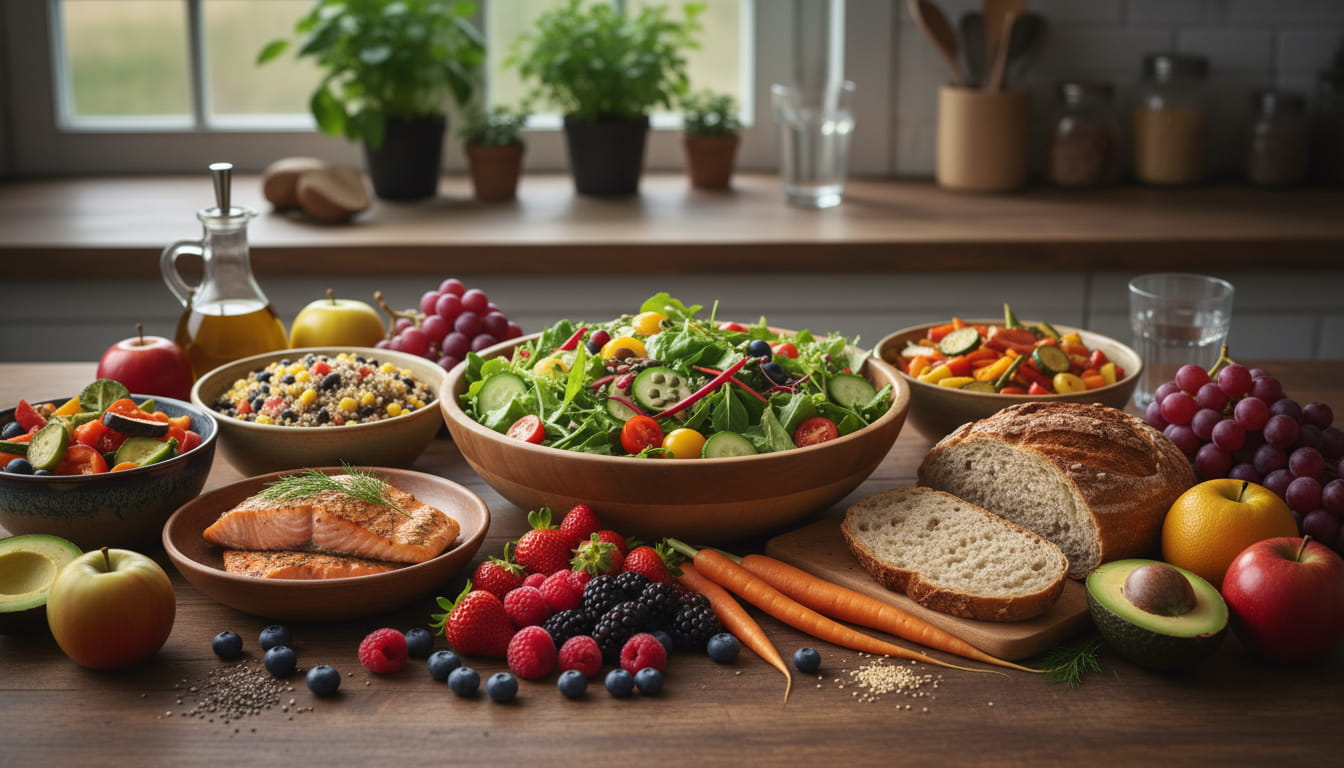
- Eat a balanced diet: Focus on a diet high in fiber and low in unhealthy fats. This includes plenty of fruits, vegetables, and whole grains while limiting red meats and processed foods.
- Maintain a healthy weight: Losing weight gradually through a balanced diet and regular exercise can significantly reduce the risk of gallstones.
- Exercise regularly: Staying active helps control weight and supports healthy cholesterol levels, both of which reduce the risk of gallstones.
- Avoid rapid weight loss: Rapid weight loss from extreme dieting can increase the risk of gallstones, so aim for slow and steady weight loss.
For Katy residents looking to improve their digestive health, these lifestyle changes can make a significant difference in preventing gallstones.
Conclusion: Protecting Your Digestive Health in Katy, TX
Gallstones can significantly impact your digestive health, but with the right lifestyle choices, you can reduce your risk. If you're experiencing symptoms or are concerned about gallstones, it’s important to consult with a healthcare provider for a proper evaluation. For expert digestive care in Katy, TX, contact GastroDoxs today.