
Mucus vs. Blood in Stool: How to Tell the Difference in Ulcerative Colitis in Katy, TX
Mucus often looks slippery or jelly-like; blood may appear as red streaks, mixed-in red material, or darker stool. They can appear together, and a visual check cannot identify the cause.
Key Takeaways
- Mucus and blood are different findings, but they can occur together in UC.
- Food, iron, and some medicines can alter stool color without explaining every dark or red stool.
- New rectal bleeding should not automatically be attributed to a known UC diagnosis or hemorrhoids.
- Blood counts, stool studies, and selected endoscopy can clarify the cause.
- Heavy bleeding, fainting, or black tarry stool with weakness requires emergency assessment.
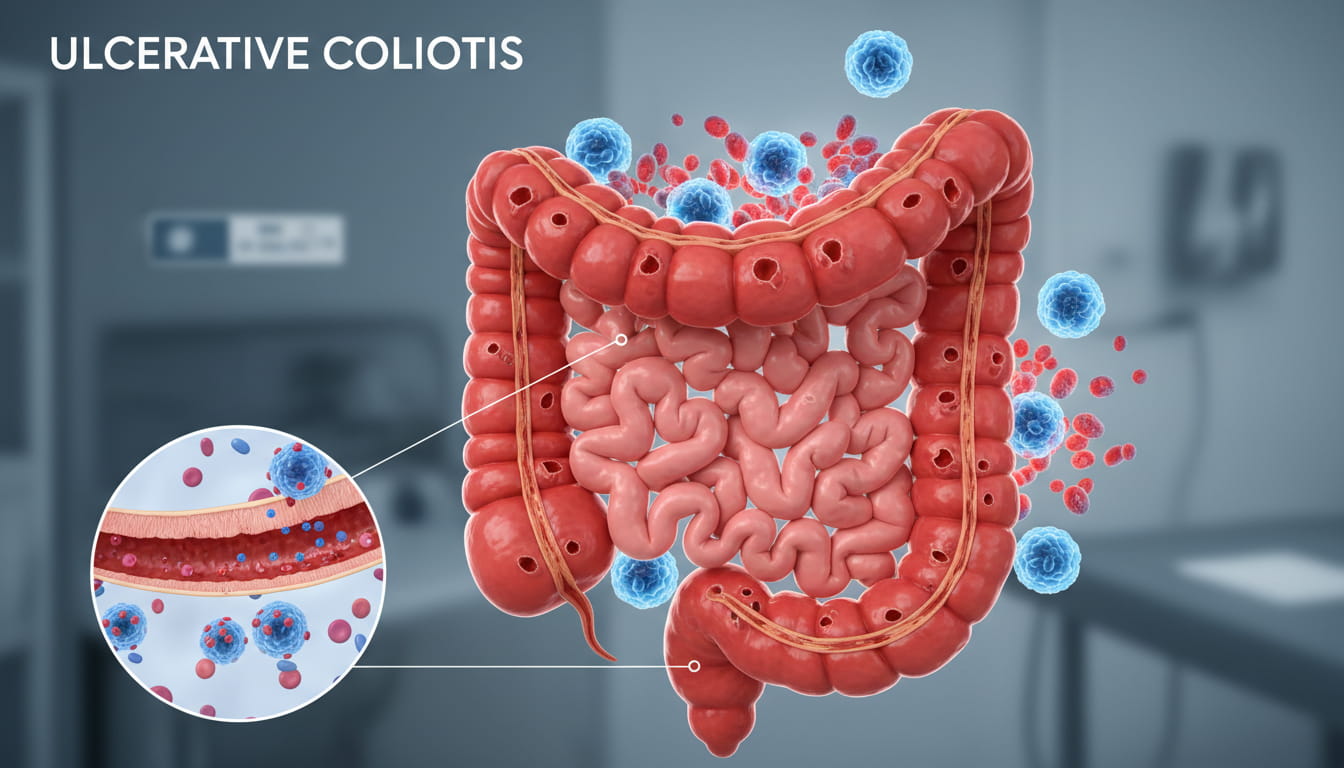

How mucus and blood may look
Mucus is a slippery secretion made by the bowel. It may look clear, white, or yellowish and may coat stool or appear separately. Blood may leave bright red marks on tissue, streak the stool surface, or mix with stool and mucus. These descriptions help a clinician, but none is diagnostic.
For a Katy resident with UC, a new red or dark stool deserves attention even if previous episodes were caused by colitis. Hemorrhoids, fissures, infection, and other conditions can also bleed. Start with your UC care information and describe the complete symptom pattern.
Eight observations to report
Texture
Mucus tends to look slippery, stringy, or gelatinous. Blood can stain mucus pink or red, making the two findings overlap.
Location
Blood only on tissue, blood coating stool, and blood mixed into diarrhea are useful distinctions, but none proves the source.
Bright red material
Fresh-looking blood may come from the rectum or colon. A small visible amount still warrants discussion when it is new or recurring.
Maroon stool
Darker red stool can represent gastrointestinal bleeding. Color cannot safely determine the location or amount of blood loss.
Black, tarry stool
Sticky, tar-like black stool can indicate bleeding higher in the digestive tract and needs prompt assessment.
Color-changing exposures
Beets, red dyes, iron, and bismuth can change appearance. Tell the clinician about them without assuming they explain suspected bleeding.
Associated symptoms
Urgency, diarrhea, cramps, fever, and nighttime stools help assess inflammation or infection. Dizziness and breathlessness may suggest significant blood loss.
Amount and trend
Report repeated episodes, clots, or toilet water turning red. It is difficult to estimate blood volume accurately from the toilet bowl.
Why a stool photo cannot diagnose the cause
NIDDK: Symptoms and causes of ulcerative colitis identifies both rectal bleeding and mucus as possible UC findings. Seeing both can fit colitis, but does not rule out another cause.
The NIDDK diagnostic guide explains why symptom history, laboratory testing, and biopsies may be needed. Photographs can support a discussion but cannot replace clinical assessment.
Tests that may clarify bleeding and inflammation
A clinician may examine the abdomen and rectal area and review constipation, painful bowel movements, recent infections, and medications that affect bleeding. Do not stop a prescribed blood thinner without medical advice.
A blood count can check for anemia. Stool tests may assess infection and inflammation. The choice of colonoscopy or flexible sigmoidoscopy depends on severity, prior results, and whether the findings will change treatment.
If you have a photo you are comfortable sharing, use the clinic's approved private channel. Also provide a written timeline; lighting and camera settings can distort stool color.
How to respond to common stool patterns
Do not use a home color chart or a negative screening stool test to dismiss visible bleeding. A test designed for routine colorectal screening is not a complete assessment of symptomatic bleeding.
Mucus without suspected blood
Record persistence and other symptoms. A change in frequency or urgency may still justify a UC review.
Small recurrent red streaks
Arrange prompt clinical advice, particularly with UC. Pain or constipation may suggest an anal cause, but examination may be needed.
Heavy blood or systemic symptoms
Go to emergency care for significant bleeding with faintness, rapid deterioration, severe pain, or marked weakness.
What treatment depends on
Treating active UC can reduce inflammatory bleeding and mucus. Treatment for a fissure, hemorrhoid, or infection follows a different plan, so identifying the cause matters before changing medicines.
Continue your existing plan while seeking guidance unless you have been told otherwise. Avoid starting steroids or anti-diarrheal medicines for bloody diarrhea without clinician advice. The UC treatment resource explains why therapy is individualized.
Bleeding symptoms that need urgent care
Do not wait for a routine appointment if bleeding is heavy or accompanied by fainting, confusion, or severe weakness. Emergency assessment may be needed even when pain is mild.
Black tarry stool, vomiting blood, or worsening abdominal pain also requires prompt assessment. Iron can darken stool, but it does not make concerning symptoms safe to ignore.
- Large amounts of blood or repeated clots
- Fainting, shortness of breath, or rapid worsening
- Black tarry stool or blood in vomit
A practical record for your GI visit
- Record whether blood appears on tissue, coats stool, or mixes with diarrhea.
- List iron, bismuth, blood thinners, NSAIDs, and recent food colorings.
- Track stool count, urgency, pain, fever, and nighttime symptoms.
- Ask which changes need an immediate call and how test results will be shared.
Frequently Asked Questions
Can mucus look pink if it contains blood?
Yes. Blood can mix with mucus and make it pink or red. Report the finding, especially with diarrhea, urgency, or a new change in UC symptoms.
Does bright red blood always mean hemorrhoids?
No. Hemorrhoids are one possibility, but fissures, colitis, infection, and other conditions can cause red bleeding. Recurrent bleeding needs clinical assessment.
Can UC cause mucus without visible blood?
Yes. Mucus may occur without visible bleeding. Its significance depends on your baseline, bowel frequency, urgency, and selected tests.
Is blood mixed into stool more serious than blood on tissue?
The pattern helps guide evaluation but cannot reliably grade seriousness. Amount, recurrence, pain, dizziness, and other symptoms determine urgency.
Can iron tablets make stool black?
Yes, iron can darken stool. Black sticky or tarry stool, especially with weakness or dizziness, still needs prompt assessment for possible bleeding.
Can I tell a UC flare from an infection by looking at stool?
No. Both may cause blood, mucus, and diarrhea. Your clinician may order stool studies before adjusting inflammation treatment.
Should I use a screening stool test for visible blood?
Visible bleeding requires a clinical evaluation. A routine screening test does not determine the cause or replace diagnostic testing when symptoms are present.
When should stool bleeding lead to emergency care?
Seek emergency care for heavy bleeding, fainting, severe weakness, severe abdominal pain, or black tarry stool with signs of blood loss.
Medical References
- NIDDK: Symptoms and causes of ulcerative colitis
- NIDDK: Diagnosis of ulcerative colitis
- NIDDK: Treatment for ulcerative colitis
This article provides general education for readers in Katy, TX. It does not replace an individual diagnosis or treatment plan. GastroDoxs sees patients ages 18 and older. In the United States, call 911 for a medical emergency.

Get a Clear Plan for Stool Changes in Katy
Bring a symptom timeline and medicine list to GastroDoxs. We can review suspected blood or mucus and discuss the appropriate diagnostic next step.