
Ways to Lower Gallstone Risk in Jersey Village, TX
Maintaining a healthy weight, regular activity, more fiber and avoiding crash diets may lower gallstone risk. Diet cannot reliably dissolve existing symptomatic stones. Slow, sustainable weight loss may support health; crash dieting can increase gallstone formation risk.
Key Takeaways
- Maintaining a healthy weight, regular activity, more fiber and avoiding crash diets may lower gallstone risk. Diet cannot reliably dissolve existing symptomatic stones.
- Slow, sustainable weight loss may support health; crash dieting can increase gallstone formation risk.
- Reducing highly refined starches and excess sugar may support the overall dietary plan recommended for risk reduction.
- Fever, jaundice or hours of upper abdominal pain calls for evaluation despite preventive habits.
- Persistent upper-right abdominal pain with fever or jaundice, or repeated vomiting, needs urgent assessment.
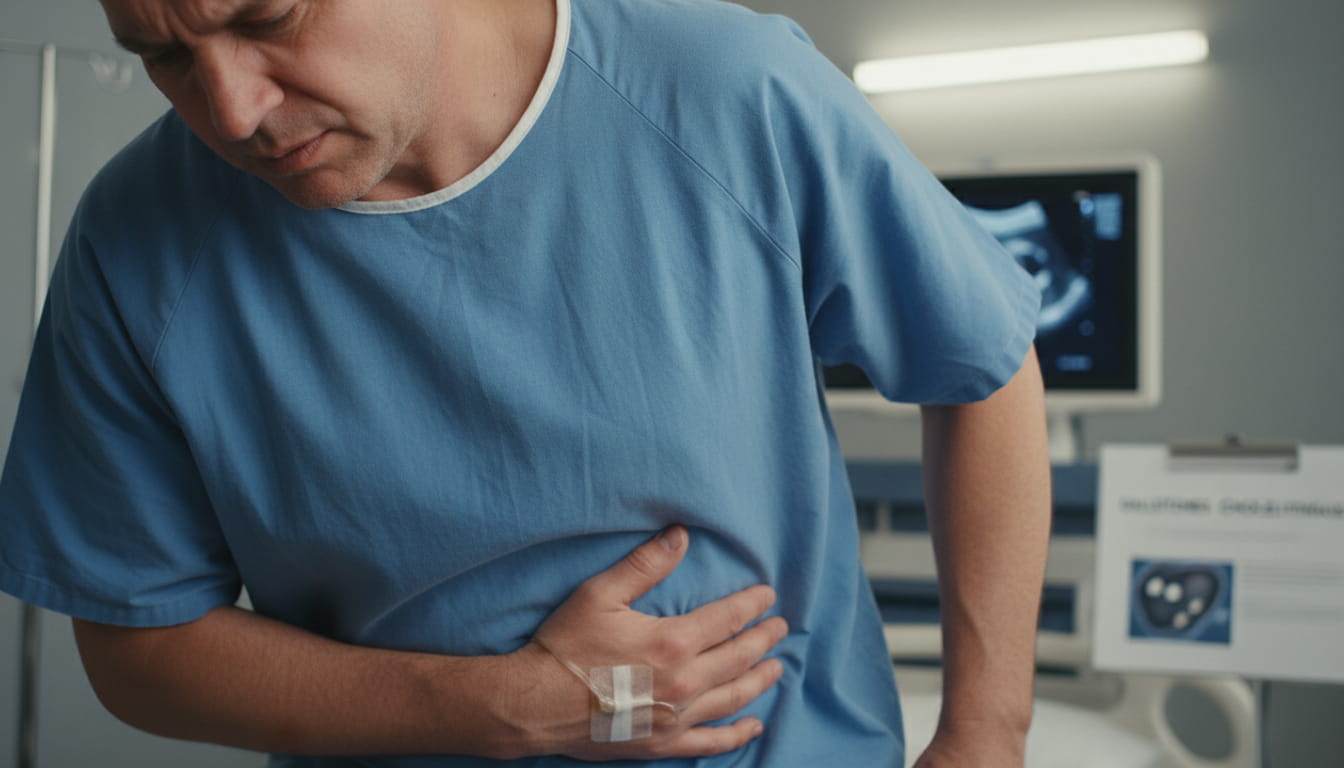

Use habits to support a cause-specific plan
A balanced eating pattern and gradual weight change can lower risk, but no routine “flush” reliably prevents or removes stones. Maintaining a healthy weight, regular activity, more fiber and avoiding crash diets may lower gallstone risk. Diet cannot reliably dissolve existing symptomatic stones.
A balanced eating pattern and gradual weight change can lower risk, but no routine “flush” reliably prevents or removes stones. Review the gallstones overview and gallstones diagnosis before deciding what this finding means for you.
Ways to Lower Gallstone Risk in Jersey Village, TX
Gradual weight change
Slow, sustainable weight loss may support health; crash dieting can increase gallstone formation risk.
Regular movement
Physical activity is part of a healthy weight plan and may help reduce gallstone risk without guaranteeing prevention.
Fiber-rich foods
Fruit, vegetables, legumes and whole grains can support a healthier eating pattern when tolerated.
Healthy fats in context
Olive oil and other unsaturated fats can fit a balanced diet; a very-low-fat diet is not a universal prevention plan.
Refined carbohydrates
Reducing highly refined starches and excess sugar may support the overall dietary plan recommended for risk reduction.
Keep portions realistic
A repeatable eating pattern is more useful than short-lived cleanses or very-low-calorie diets.
Existing stone limitation
Lifestyle choices cannot reliably remove a symptomatic stone; recurring biliary attacks need medical assessment.
Know when to escalate
Fever, jaundice or hours of upper abdominal pain calls for evaluation despite preventive habits.
What the evidence can and cannot establish
Maintaining a healthy weight, regular activity, more fiber and avoiding crash diets may lower gallstone risk. Diet cannot reliably dissolve existing symptomatic stones. NIDDK — gallstone diet explains the core evidence. Physical activity is part of a healthy weight plan and may help reduce gallstone risk without guaranteeing prevention.
NIDDK — rapid weight loss and gallstones and NIDDK — gallstone treatment add testing or care context. Reducing highly refined starches and excess sugar may support the overall dietary plan recommended for risk reduction.
Turn the observation into a clinical decision
Ask whether you are managing future risk or already have symptomatic stones; those goals need different plans.
Review weight-loss pace, diet pattern, prior symptoms and any stones found incidentally; distinguish risk reduction from treatment of a gallbladder attack.
Fever, jaundice or hours of upper abdominal pain calls for evaluation despite preventive habits. Persistent upper-right abdominal pain with fever or jaundice, or repeated vomiting, needs urgent assessment.
Match the next step to the situation
Aim for sustainable changes with a clinician, and seek evaluation for recurrent biliary pain or known stones with symptoms. The biliary ercp overview provides a related path.
Reducing highly refined starches and excess sugar may support the overall dietary plan recommended for risk reduction. Confirm which finding would change the next decision.
Stable question
Slow, sustainable weight loss may support health; crash dieting can increase gallstone formation risk.
Persistent or unclear
Review weight-loss pace, diet pattern, prior symptoms and any stones found incidentally; distinguish risk reduction from treatment of a gallbladder attack.
Urgent change
Persistent upper-right abdominal pain with fever or jaundice, or repeated vomiting, needs urgent assessment.
Treatment and a measurable follow-up
Follow a sustainable diet and activity plan, and obtain care for recurring upper abdominal pain rather than waiting for diet to dissolve a stone.
Aim for sustainable changes with a clinician, and seek evaluation for recurrent biliary pain or known stones with symptoms.
The jersey village office can help arrange a planned review; confirm who communicates results.
When to seek care sooner
Persistent upper-right abdominal pain with fever or jaundice, or repeated vomiting, needs urgent assessment.
For new severe symptoms, do not wait for a routine portal response or a food trial; give the care team the onset and associated signs.
- Avoid very rapid weight loss
- Fiber and healthy dietary fat in context
- Urgent symptoms despite a prevention plan
A short plan to take away
- Choose a sustainable weight and activity plan.
- Avoid very-low-calorie crash diets without clinical guidance.
- Build fiber-rich foods and healthy fats into a tolerated diet.
- Have recurring biliary pain evaluated instead of relying on a cleanse.
Frequently Asked Questions
Can rapid weight loss make gallstones more likely?
Slow, sustainable weight loss may support health; crash dieting can increase gallstone formation risk.
Does exercise prevent gallstones in Jersey Village?
Physical activity is part of a healthy weight plan and may help reduce gallstone risk without guaranteeing prevention.
Should I eat more fiber to lower gallstone risk?
Fruit, vegetables, legumes and whole grains can support a healthier eating pattern when tolerated.
Do I need to avoid every type of fat to prevent gallstones?
Olive oil and other unsaturated fats can fit a balanced diet; a very-low-fat diet is not a universal prevention plan.
Does cutting sugar guarantee I will not get gallstones?
Reducing highly refined starches and excess sugar may support the overall dietary plan recommended for risk reduction.
Are gallbladder cleanses an evidence-based prevention method?
A repeatable eating pattern is more useful than short-lived cleanses or very-low-calorie diets.
Can diet dissolve gallstones that already cause pain?
Lifestyle choices cannot reliably remove a symptomatic stone; recurring biliary attacks need medical assessment.
When should I seek care for gallbladder pain?
Fever, jaundice or hours of upper abdominal pain calls for evaluation despite preventive habits.
Medical References
This article provides general education about lowering gallstone risk in Jersey Village; it is not an individual diagnosis or treatment plan. In the United States, call 911 for a medical emergency.

Make a Clear Care Plan
Bring the original report, a dated symptom timeline, and a medicine list. Confirm who communicates the next result and when.