Introduction: The Role of Nutrition in Pancreatic Cancer Treatment and Recovery
Being forced to deal with pancreatic cancer can be a terrifying experience to the population of Katy, TX. It is a highly aggressive illness that in most instances can require rigorous treatment procedures, which entail surgery, chemotherapy and radiation. Unless medical treatment is administered, nutrition plays a very crucial role in improving the health, energy and quality of life of pancreatic cancer patients.
Nutrition can be adopted to manage symptoms as well as reduce the treatment side effects and others such as helping in recovering after an operation or other procedures. The right diet maintains the weight in a healthy state, gives enough energy and contributes to the healing process as opposed to the wrong foods where the treatment process is complicated, recovery process is tougher and physical and physiological symptoms. Further the correlation of nutrition and diet with the impact these factors have on the patients with the pancreatic cancer will be addressed in this blog with tips being given on how to eat and what to avoid so as to give out the best outcome in Katy, TX.
So what is the role of nutrition to pancreatic cancer patients?
Pancreatic cancer is a cancer that develops in the pancreas, which is an organ of the body that manufactures hormones in the body and also the digestive enzymes that aid in regulating the level of sugar in the blood. The interference of these functions by pancreatic cancer can be an enormous issue to the digestive system since nausea, vomiting, loss of appetite, and weight loss are some of the issues that can emanate.
Such symptoms can be controlled through the application of the right diet, reducing side effects of the treatment and raising the level of energy. The issue that may arise may be the eating problem of the inhabitants of Katy, TX, who have pancreatic cancer, but the balanced diet may turn out to be one of the primary concerns of guaranteeing the recovery and enhancing the effectiveness of the treatment.
The Challenges of Eating During Pancreatic Cancer Treatment
Patients undergoing pancreatic cancer treatment face several challenges related to eating and digestion. These challenges include:
- Nausea and vomiting caused by chemotherapy and radiation therapy
- Loss of appetite, which is common in cancer patients
- Digestive issues, such as indigestion and malabsorption
- Fatigue, making it harder to prepare meals and maintain nutritional intake
- Changes in taste, which can make food seem less appealing
These challenges can affect the ability of pancreatic cancer patients to consume the right nutrients, leading to malnutrition, weakness, and weight loss. That’s why working with healthcare providers in Katy, TX, including dietitians and oncologists, is essential to develop a personalized nutrition plan that addresses these concerns.
What to Eat: Nutrition for Pancreatic Cancer Patients in Katy, TX
Nutrition for pancreatic cancer patients should focus on foods that are easy to digest, provide necessary calories, and offer essential vitamins and minerals. Here are some dietary recommendations for pancreatic cancer patients in Katy, TX:
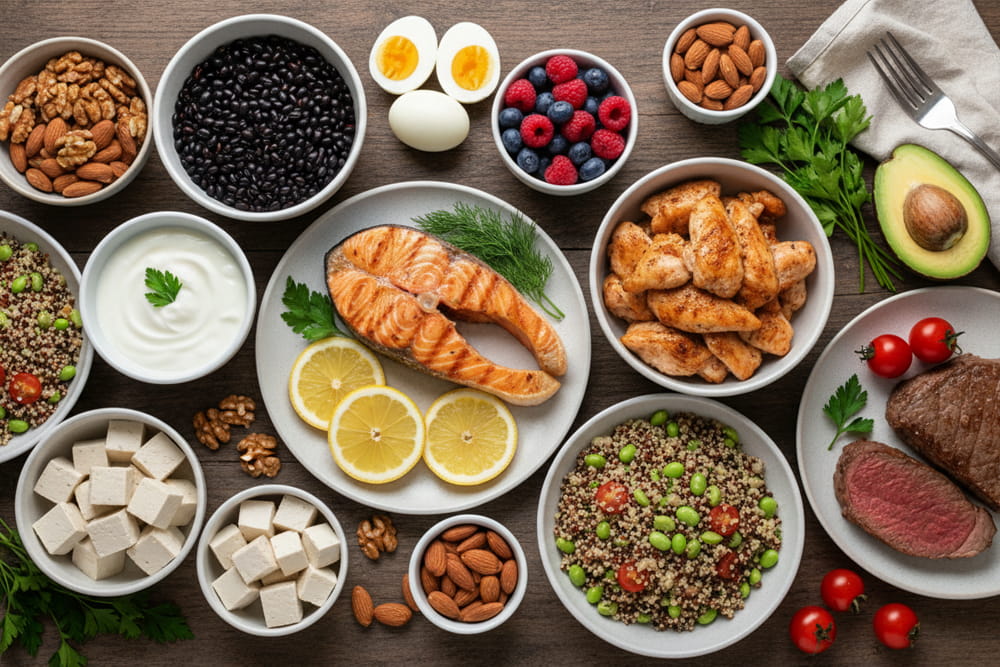
1. Protein-Rich Foods to Support Healing and Muscle Mass
Protein is essential for rebuilding tissue, boosting the immune system, and maintaining muscle mass, especially for cancer patients who are at risk of muscle wasting or cachexia.
- Lean meats: Chicken, turkey, and lean cuts of beef and pork
- Fish: Salmon, tuna, and other fatty fish that are high in omega-3 fatty acids
- Eggs: A great source of high-quality protein and easy to prepare
- Tofu and tempeh: Plant-based protein sources that are rich in amino acids
- Greek yogurt: Provides protein and probiotics for gut health
Actionable Tip: Katy residents should try incorporating protein shakes or protein bars if they have trouble eating solid foods. These can provide essential nutrients without requiring much chewing or digestion.
2. Healthy Fats to Provide Energy
During pancreatic cancer treatment, patients may need to consume more calories to maintain weight and combat fatigue. Healthy fats can provide a high-calorie option that is easy on the digestive system. Choose unsaturated fats and avoid trans fats and fried foods.
- Avocados: High in healthy fats and easy to incorporate into meals or smoothies
- Olive oil: A great source of monounsaturated fats, ideal for cooking or drizzling over vegetables
- Nuts and seeds: Walnuts, almonds, chia seeds, and flaxseeds are nutrient-dense options
- Nut butters: Smooth peanut butter, almond butter, and other nut butters can add healthy fats to smoothies or snacks
Actionable Tip: Katy residents should aim to use olive oil for cooking and incorporate avocados into salads or as a side dish to boost calorie intake without irritating the digestive system.
3. High-Calorie, Easy-to-Digest Carbohydrates
Carbohydrates provide essential energy and are often the most easily digested food group for pancreatic cancer patients. However, it’s important to focus on complex carbohydrates and low glycemic index foods to maintain blood sugar levels while avoiding processed sugars.
- Whole grains: Brown rice, quinoa, oatmeal, and whole wheat pasta
- Sweet potatoes: Rich in vitamins and fiber, easy to prepare and digest
- Low-fiber fruits: Bananas, melons, applesauce, and pears (peeled)
- Cooked vegetables: Zucchini, carrots, and squash are easier to digest when cooked
Actionable Tip: When managing pancreatic cancer symptoms in Katy, TX, patients should aim for small, frequent meals to ensure they are getting enough calories without overwhelming their digestive system.
4. Hydration: Staying Well-Hydrated Is Key
Hydration is crucial for cancer patients. Many treatments, especially chemotherapy, can cause dehydration due to vomiting, diarrhea, or poor appetite. Maintaining adequate fluid intake helps pancreatic cancer patients stay hydrated, manage fatigue, and prevent complications like kidney issues.
- Water: The most important fluid to drink throughout the day
- Electrolyte drinks: Coconut water or drinks with added electrolytes to replenish lost fluids
- Herbal teas: Peppermint, ginger, and chamomile teas can help soothe the stomach
- Soups and broths: These not only hydrate but also provide essential nutrients
Actionable Tip: Katy residents should aim for 8–10 cups of fluids per day, and if nausea is an issue, sipping fluids throughout the day can be easier than consuming large amounts at once.
What to Avoid: Foods That Can Worsen Symptoms
While focusing on nutritious foods, pancreatic cancer patients should also avoid certain foods that can aggravate symptoms or make digestion more difficult. Here’s a list of foods to limit or avoid:

1. Processed Foods and Sugary Snacks
Processed foods, such as packaged snacks, fast food, and sugary treats, provide empty calories and can contribute to weight loss and blood sugar issues. These foods are often hard to digest and can exacerbate symptoms like nausea, vomiting, and gastric discomfort.
2. Fatty, Fried Foods
High-fat, fried foods like potato chips, fried chicken, and greasy take-out are tough on the pancreas and can contribute to fatigue and digestive distress. These foods should be minimized or avoided entirely.
3. High-Fiber Foods That Are Hard to Digest
While fiber is essential for a healthy diet, some high-fiber foods can be difficult to digest during pancreatic cancer treatment. Foods like raw vegetables, whole grains, and legumes may cause discomfort or blockages.
Actionable Tip: For those in Katy, it’s best to steam or puree vegetables and limit raw foods during cancer treatment.
4. Spicy and Acidic Foods
Spicy foods and foods high in acidity (such as citrus fruits, tomatoes, and vinegar-based dressings) can irritate the esophagus and stomach, worsening nausea, heartburn, and gastric upset.
Conclusion: A Balanced Diet for Pancreatic Cancer Patients in Katy, TX
Nutrition plays a crucial role in supporting pancreatic cancer patients throughout their treatment and recovery journey. By focusing on easy-to-digest, nutrient-rich foods and avoiding irritants like fatty, spicy, or processed foods, Katy, TX residents can significantly improve their quality of life and better manage symptoms. Regular consultations with a healthcare team, including oncologists and dietitians, can help patients develop a personalized nutrition plan that supports their unique needs.