Cirrhosis is an enduring liver disorder that entails scaring and liver tissue damage most often due to underlying long-term risk factors like alcohol-induced liver disease, liver viral hepatitis or non-alcoholic fatty liver disease (NAFLD). The effects of cirrhosis extend far beyond the liver, though this is primarily a liver disease. Cirrhosis may bring significant complications to other organs and systems in the long run, and hence it is a multi-organ problem, and thus, requires multifaceted treatment.
It is imperative to understand that cirrhosis can have an impact on the rest of your body as the population of Jersey Village, TX lives. Timely treatment and the services of specialists can help avoid serious complications and treat the disease. In this paper, the systemic effect of cirrhosis on various body organs and its ability to lead to complications, which affect the quality of life and health overall, will be discussed.
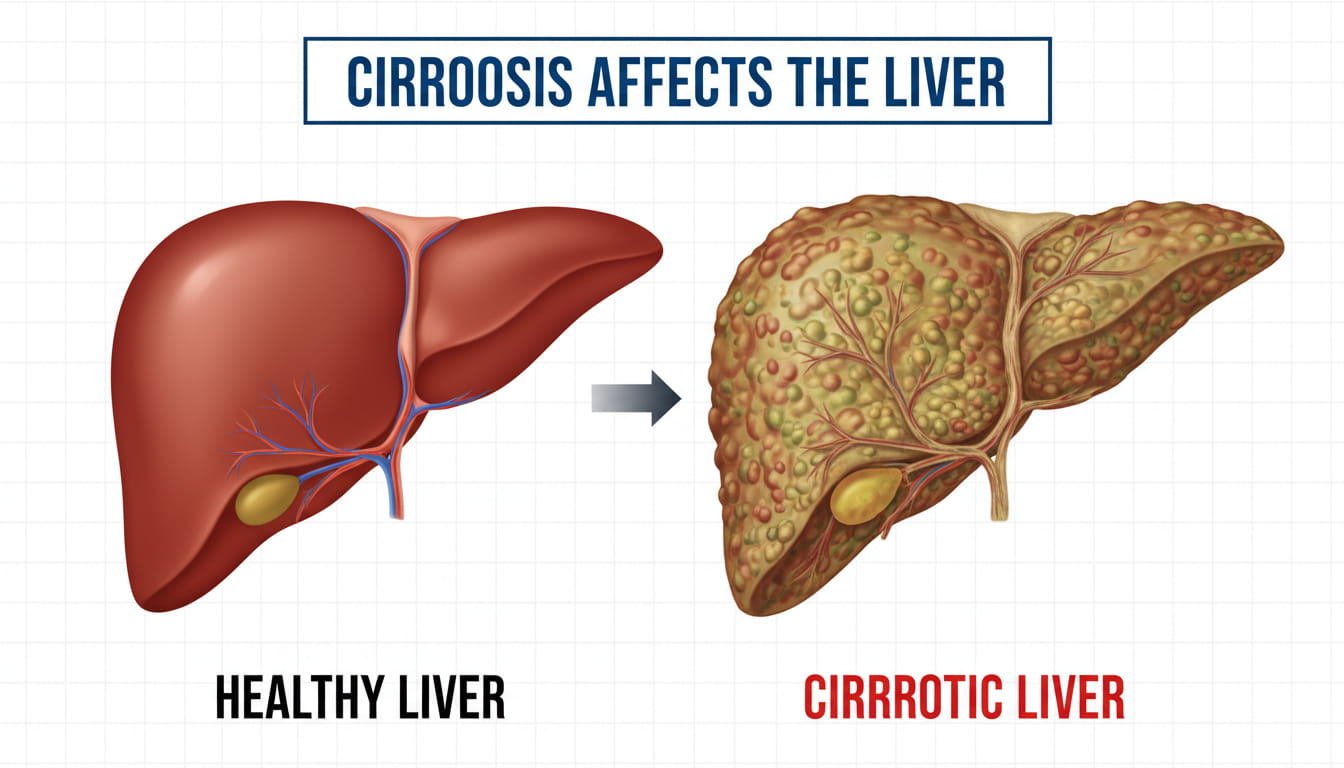
The Effect of Cirrhosis on the Liver and More
The liver is also required in most body functions like detoxification, digestion, metabolism, and protein synthesis. When cirrhosis develops, the liver begins to fail in its ability to perform these processes. The consequences of liver dysfunction tend to extend into other organs, some of which may be life-threatening. We can divide the effects of cirrhosis across different organs and systems:
1. The Cardiovascular System
Cirrhosis can cause portal hypertension, which increases pressure in the blood vessels leading to the liver. A sufficient increase in pressure can cause blood to flow retrograde (into the abdominal veins), leading to effects such as varices (swollen veins in the esophagus) or ascites (fluid in the abdomen). This also exerts greater strain on the heart as it has to work harder to pump blood through the system.
- Heart Failure: Portal hypertension and fluid retention can cause strain on the heart, potentially leading to heart failure and arrhythmias.
2. The Kidneys
Liver failure can significantly impair kidney function, which leads to hepatorenal syndrome (HRS). When the liver is unable to detoxify the blood, the kidneys bear the extra load, which can lead to kidney failure. Hepatorenal syndrome is fatal without a liver transplant.
3. The Lungs
Cirrhosis can extend to the lungs, resulting in hepatic hydrothorax, where fluid accumulates in the lungs and causes difficulty breathing. This condition is related to the same pressure buildup seen in portal hypertension and the leakage of fluid from the abdomen into the chest cavity.
4. The Brain
Hepatic encephalopathy is a disorder that results from the build-up of toxins in the blood, which should have been removed by the liver. These toxins can affect brain activity, leading to confusion, altered mental states, and, in extreme cases, coma. Cirrhotic patients are particularly vulnerable to hepatic encephalopathy, especially when liver function is severely compromised.
5. The Immune System
Cirrhosis can compromise the immune system, leaving the body less capable of fighting infections. Cirrhotic patients are often immunosuppressed, increasing their risk of infections like pneumonia, urinary tract infections (UTIs), and blood-borne bacterial infections (sepsis).
How Cirrhosis Affects Your Digestive System
The liver plays a key role in digestion by producing bile, which helps break down fats. When cirrhosis interferes with bile production, digestion can become impaired. Additionally, portal hypertension can lead to complications such as:
- Varices: Swollen veins in the esophagus that can bleed, leading to life-threatening situations.
- Ascites: Fluid buildup in the abdomen that may cause pain and discomfort, and increases the risk of infection (spontaneous bacterial peritonitis or SBP).
- Malnutrition: Due to impaired digestion and absorption of nutrients, individuals with cirrhosis often suffer from malnutrition, leading to weight loss, muscle wasting, and a weakened immune system.
Cirrhosis and Its Effect on the Skin and Bones
Cirrhosis also has visible effects on the skin and bones:
- Jaundice: The accumulation of bilirubin (a waste product) in the bloodstream can cause yellowing of the skin and eyes.
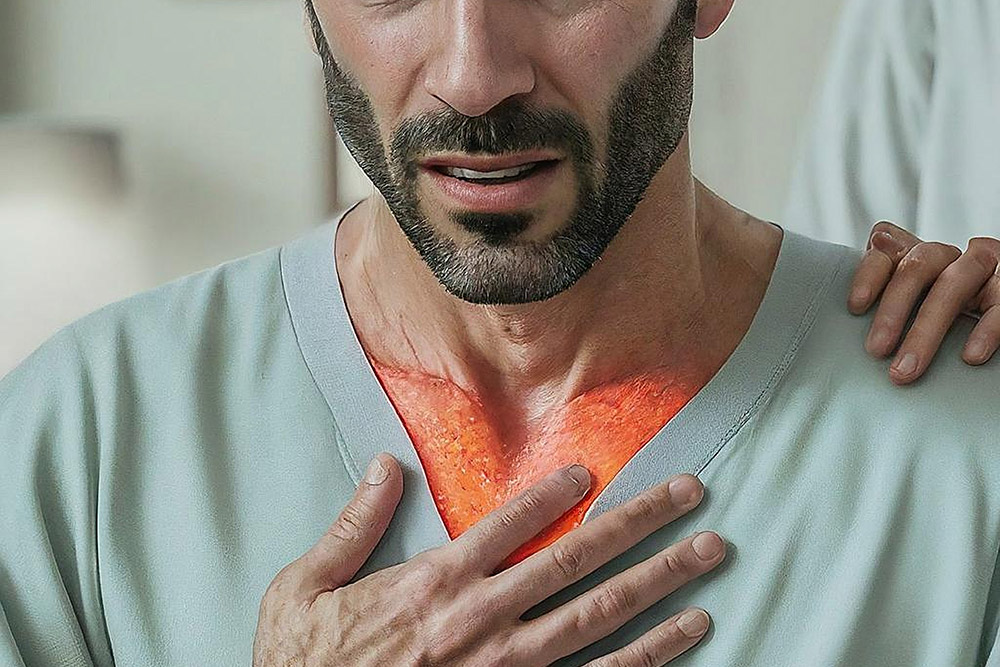
- Spider Angiomas: Small, spider-like blood vessels may appear on the skin, particularly on the face, neck, and chest.
- Osteoporosis: Cirrhosis can weaken the bones, leading to osteoporosis and an increased risk of fractures.

When Should You Seek Treatment in Jersey Village, TX?
If you are experiencing any of the above symptoms or have been diagnosed with cirrhosis, it is crucial to consult a healthcare provider. Early intervention can prevent complications and improve your quality of life. Residents of Jersey Village, TX, should seek care from specialized liver disease centers for regular monitoring, lifestyle recommendations, and treatment options.
Treatment Options for Cirrhosis and Its Complications
- Medications: To manage complications such as portal hypertension, ascites, and infections.
- Dietary Changes: Low-sodium diet for ascites and malnutrition management.
- Liver Transplant: The only option for patients with end-stage cirrhosis or liver cancer.
- Management of Portal Hypertension: Using beta-blockers to reduce bleeding risks from varices.
Conclusion: Proactive Care for Cirrhosis in Jersey Village, TX
If you or a loved one are living with cirrhosis in Jersey Village, TX, understanding the broader impact on the body is crucial for effective management. Early intervention, regular monitoring, and lifestyle changes can help prevent severe complications and improve quality of life. Consult a gastroenterologist to discuss your liver health and explore treatment options tailored to your needs.