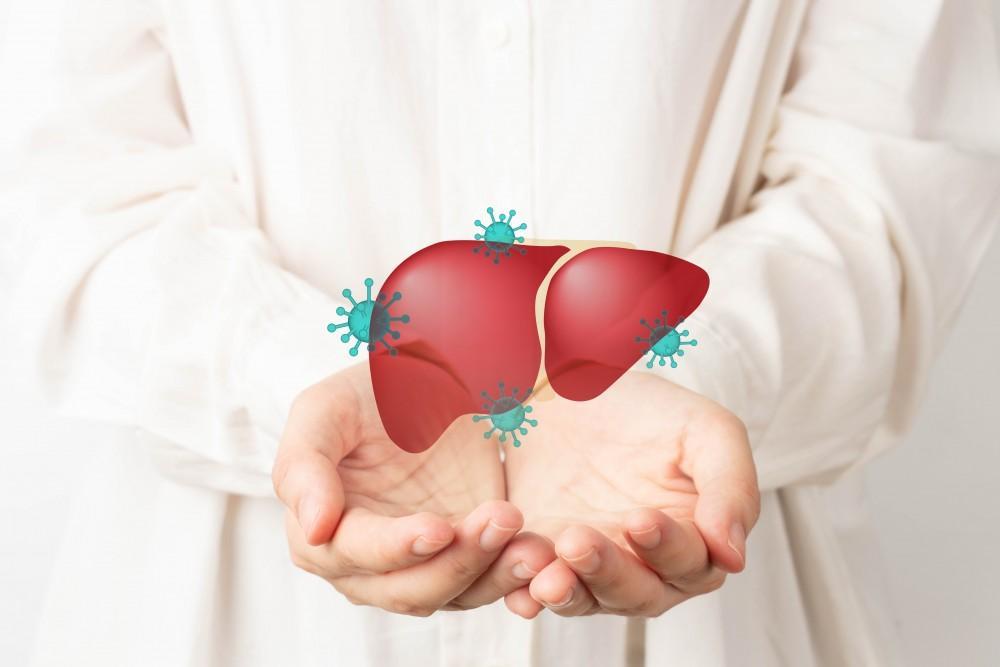
Feeling full after only a small meal can happen for many reasons. But when that early fullness comes with a visibly swollen, tight, or enlarging belly, it may be more than ordinary bloating. In some cases, it can point to ascites, which is a buildup of fluid inside the abdomen. Ascites is most commonly linked to cirrhosis, but it can also occur with heart failure, kidney failure, some infections, and certain cancers.
For patients in Katy, TX, this symptom pattern deserves attention. A belly that keeps getting larger, combined with poor appetite or pressure after a few bites, may reflect fluid buildup rather than gas. That difference matters because ascites is usually a sign of an underlying medical condition that needs evaluation.
Could feeling full quickly with a bloated belly be ascites?
Yes. Feeling full quickly with a swollen or tight belly can be a sign of ascites. Ascites is fluid buildup in the abdomen that can create pressure, reduce appetite, and make people feel full sooner than normal. Cirrhosis is the most common cause, but other heart, kidney, infection, and cancer-related conditions can also lead to ascites.

What Is Ascites?
Ascites means fluid has collected in the abdomen. It is different from routine bloating caused by gas or indigestion. Small amounts of ascitic fluid may not cause symptoms, but moderate or large amounts can increase abdominal girth, create pressure, and in some people lead to breathing difficulty.
In liver disease, ascites often develops because cirrhosis causes portal hypertension, which is increased pressure in the portal venous system. NIDDK lists ascites as a major complication of cirrhosis and portal hypertension.
Why Ascites Can Make You Feel Full Quickly
When fluid builds up in the abdomen, it puts pressure on the stomach and nearby organs. That pressure can lead to early satiety, which means feeling full sooner than usual. NHS patient information on ascites notes that abdominal swelling from fluid can cause reduced appetite, nausea, and even vomiting because of the pressure inside the abdomen.
This is one reason ascites can be confused with simple bloating. Both can make the stomach feel tight or uncomfortable. But with ascites, the swelling is often more persistent, the waistline may keep increasing, and fullness may happen even when a person has eaten very little.
What Does an Ascites Belly Feel Like?
People often describe ascites as a tight, swollen, heavy, or stretched belly. Some also notice pressure, discomfort while sitting, reduced appetite, nausea, or shortness of breath if the abdominal swelling becomes more pronounced. Moderate ascites can increase abdominal girth, while larger-volume ascites can push upward and affect breathing.
Is It Ascites or Just Bloating?
Routine bloating is often tied to digestion, gas, stress, constipation, or food triggers. Cleveland Clinic notes that bloating usually feels like fullness or tightness and is commonly digestive in origin. Ascites, by contrast, is fluid accumulation and tends to cause more persistent swelling rather than a symptom that comes and goes with meals.
A few signs that make ascites more concerning include a belly that keeps enlarging over days or weeks, ongoing early fullness, reduced appetite, and shortness of breath when the abdomen feels tight.
What Causes Ascites?
The most common cause of ascites is cirrhosis. Other causes include heart failure, kidney failure, infections, and cancers involving the abdomen or pelvis. Because the range of causes is broad, new abdominal swelling should not be self-diagnosed.
For local readers in Katy, TX, this means that an enlarged belly with early fullness should not automatically be blamed on overeating or gas. If the swelling is progressive or paired with appetite loss, it is reasonable to seek a digestive or liver evaluation.
What Other Symptoms Can Happen With Ascites?
Ascites may occur with more than belly swelling. Common associated symptoms include reduced appetite, nausea, indigestion, weight gain from retained fluid, difficulty walking comfortably, and shortness of breath. If ascites is related to liver disease, people may also notice jaundice, fatigue, ankle swelling, dark urine, or pale stool.
These symptom clusters are important because they help separate a harmless digestive complaint from a possible liver-related problem.
When Is Belly Swelling a Red Flag?
Belly swelling becomes more concerning when it is persistent, progressive, or paired with warning signs such as yellowing of the eyes, leg swelling, fatigue, dark urine, pale stool, or shortness of breath. It is also more urgent if abdominal pain becomes severe or if fever develops, because ascites can lead to complications including peritonitis.
NIDDK specifically notes that ascites can lead to a serious infection called peritonitis. NHS guidance on peritonitis lists symptoms such as severe abdominal pain, fever, chills, rapid heartbeat, vomiting, and reduced urine output.

How Doctors Check for Ascites
When someone develops new abdominal swelling, clinicians usually begin with a symptom review and physical exam. Cleveland Clinic physician guidance notes that the initial evaluation commonly includes laboratory testing and abdominal ultrasound to confirm whether fluid is present and help identify the cause.
That matters because early fullness can also happen with other conditions, including gastroparesis and certain stomach disorders. The right diagnosis depends on identifying whether the swelling is from gas, delayed stomach emptying, enlarged organs, or fluid.
Key Takeaways
Feeling full quickly with a bloated belly can be a sign of ascites. Ascites is fluid buildup in the abdomen, and cirrhosis is the most common cause. It can also occur with heart failure, kidney failure, infections, and some cancers. Pressure from the fluid can reduce appetite, cause nausea, increase abdominal size, and sometimes lead to breathing difficulty. Persistent or worsening symptoms deserve medical evaluation.