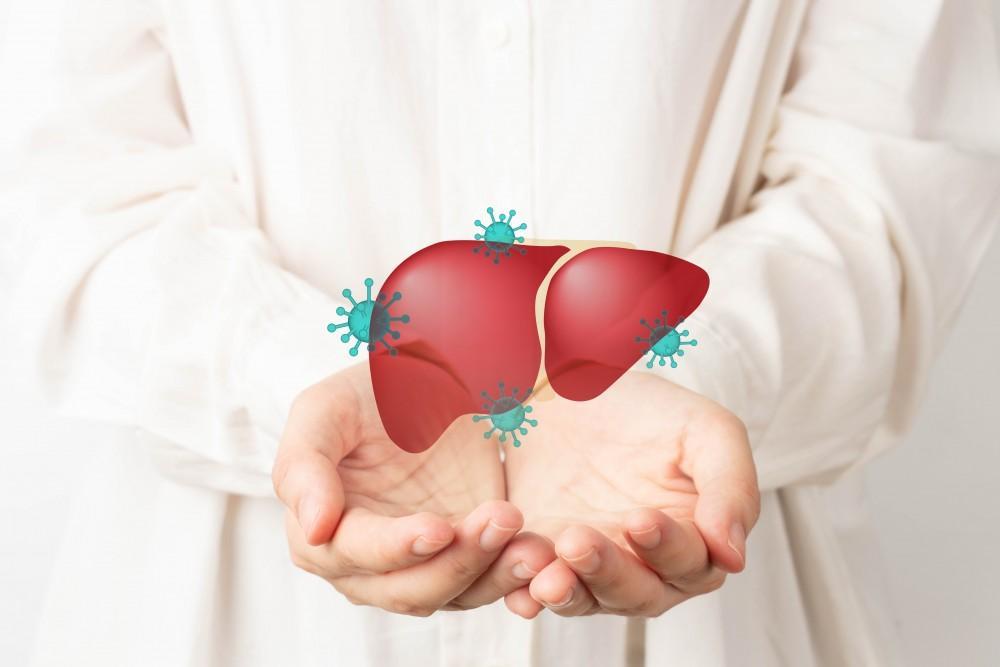
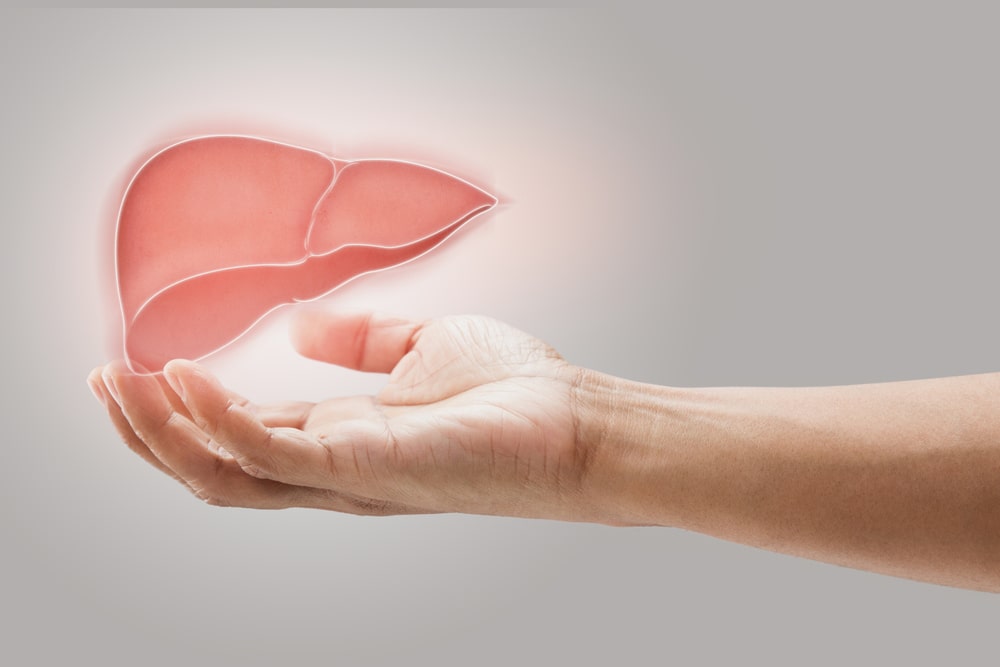
When dealing with liver cysts, many patients wonder if their diet can play a role in managing or preventing the condition. While diet alone cannot cure liver cysts, it can certainly support liver health and help prevent further complications. A healthy liver plays a crucial role in detoxifying the body, processing nutrients, and supporting overall bodily functions. In this article, we will explore how diet can help manage liver cysts, what foods to focus on, and which ones to avoid.
Understanding the Role of Diet in Liver Health
The liver plays a vital role in detoxifying the body, filtering toxins, producing bile for digestion, and storing essential nutrients. When liver cysts develop, especially in conditions like polycystic liver disease (PLD) or underlying liver dysfunction, maintaining liver health becomes increasingly important.
Although dietary changes cannot remove or shrink liver cysts, a balanced and liver-friendly diet can help reduce stress on the liver, support its natural regenerative processes, and lower the risk of complications or further cyst development.
How Diet Can Affect Liver Cysts
A well-balanced, liver-friendly diet can support liver health and may help reduce the risk of complications associated with liver cysts.
- Reducing Inflammation: Certain foods can help lower inflammation in the liver, which may reduce the risk of cyst-related complications.
- Supporting Detoxification: A healthy diet helps the liver efficiently process and eliminate toxins from the body.
- Preventing Liver Diseases: Good nutrition can lower the risk of conditions such as fatty liver disease or cirrhosis, which may contribute to cyst development.
- Enhancing Liver Regeneration: Nutrient-rich foods support the liver’s ability to repair and regenerate, promoting overall liver function.
Foods That Support Liver Health
While specific foods cannot cure liver cysts, they can support liver function, reduce inflammation, and help protect the liver from further damage.
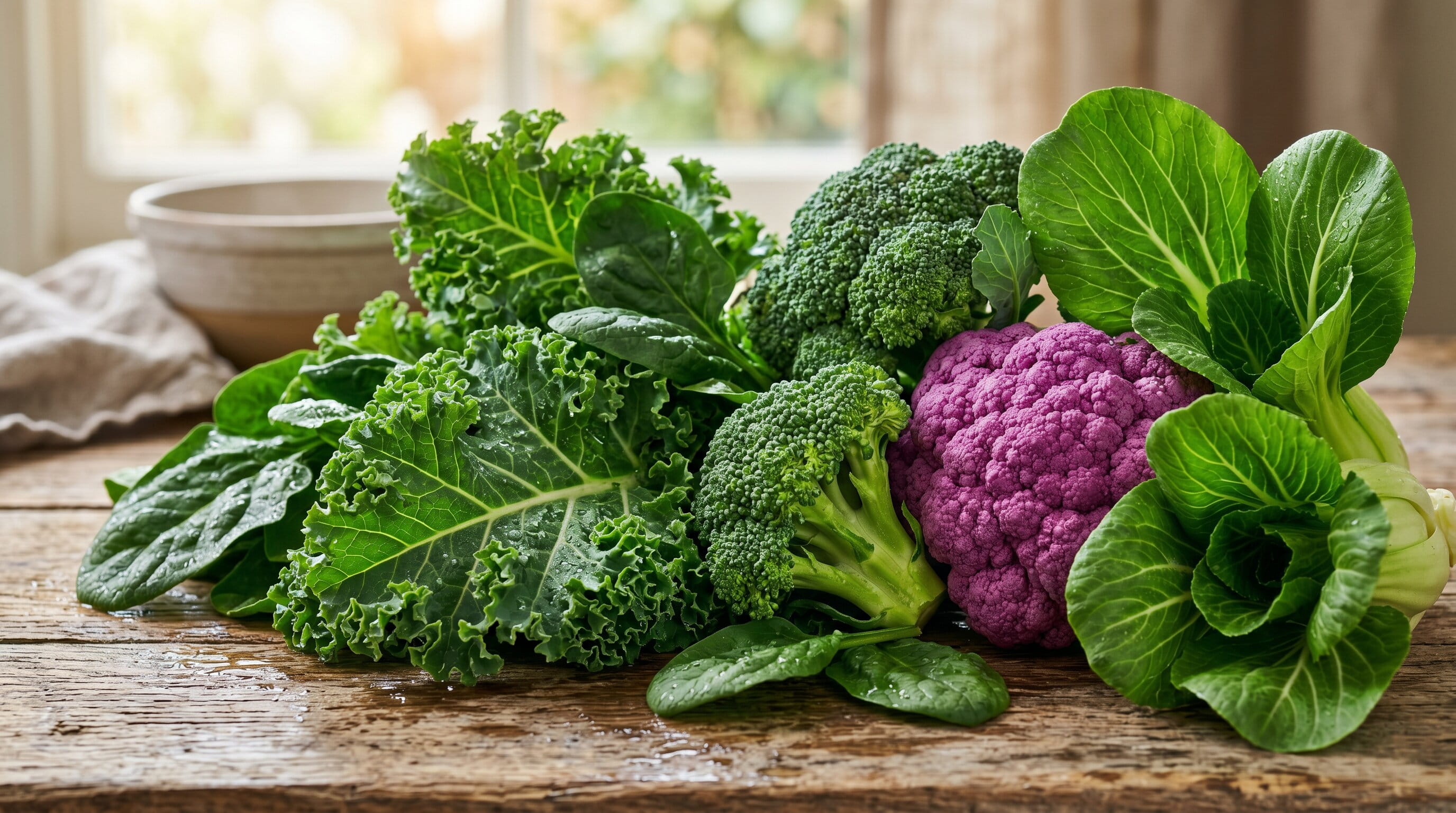
1. Leafy Greens and Cruciferous Vegetables
- Examples: Spinach, kale, broccoli, Brussels sprouts, cabbage.
- Why they help: Rich in antioxidants and sulfur compounds, these vegetables support detoxification and help liver enzymes process harmful substances.
2. Berries
- Examples: Blueberries, strawberries, raspberries.
- Why they help: High in flavonoids and antioxidants, berries help reduce inflammation, protect liver cells, and support regeneration.
3. Garlic
- Why it helps: Garlic activates liver enzymes that help eliminate toxins and may support cholesterol control, reducing strain on the liver.
4. Turmeric
- Why it helps: Contains curcumin, which has strong anti-inflammatory and antioxidant properties that support detoxification and reduce liver damage.
5. Green Tea
- Why it helps: Rich in catechins, green tea may improve liver function and protect against toxin-related damage.
6. Healthy Fats
- Examples: Avocados, olive oil, nuts, seeds.
- Why they help: Healthy fats, especially omega-3 fatty acids, help reduce liver inflammation and support overall liver health.
7. High-Quality Protein
- Examples: Fish (salmon, mackerel), lean poultry, tofu, legumes.
- Why it helps: Protein supports liver cell repair and regeneration and helps maintain muscle mass, especially in liver-related conditions.
Foods to Avoid with Liver Cysts
Certain foods can strain the liver and may worsen underlying liver conditions or increase the risk of complications. Limiting these foods can help support overall liver health.
1. Alcohol
- Why to avoid: Alcohol is processed by the liver and excessive intake can lead to liver damage, fatty liver disease, and cirrhosis. It may also increase inflammation and stress on the liver.
2. Refined Carbohydrates and Sugary Foods
- Examples: White bread, pastries, sodas, candy.
- Why to avoid: These foods can raise blood sugar levels and contribute to fatty liver disease and insulin resistance, placing extra strain on the liver.
3. Fried and Processed Foods
- Examples: French fries, fast food, packaged snacks.
- Why to avoid: High in unhealthy fats, these foods promote liver inflammation and increase the risk of obesity and fatty liver disease.
4. Red and Processed Meats
- Examples: Beef, sausages, bacon, hot dogs.
- Why to avoid: These meats are rich in saturated fats and may contribute to fat buildup in the liver and increased inflammation.
5. Excess Salt
- Why to avoid: High salt intake can lead to fluid retention and increased blood pressure, which may worsen liver-related conditions and overall health.
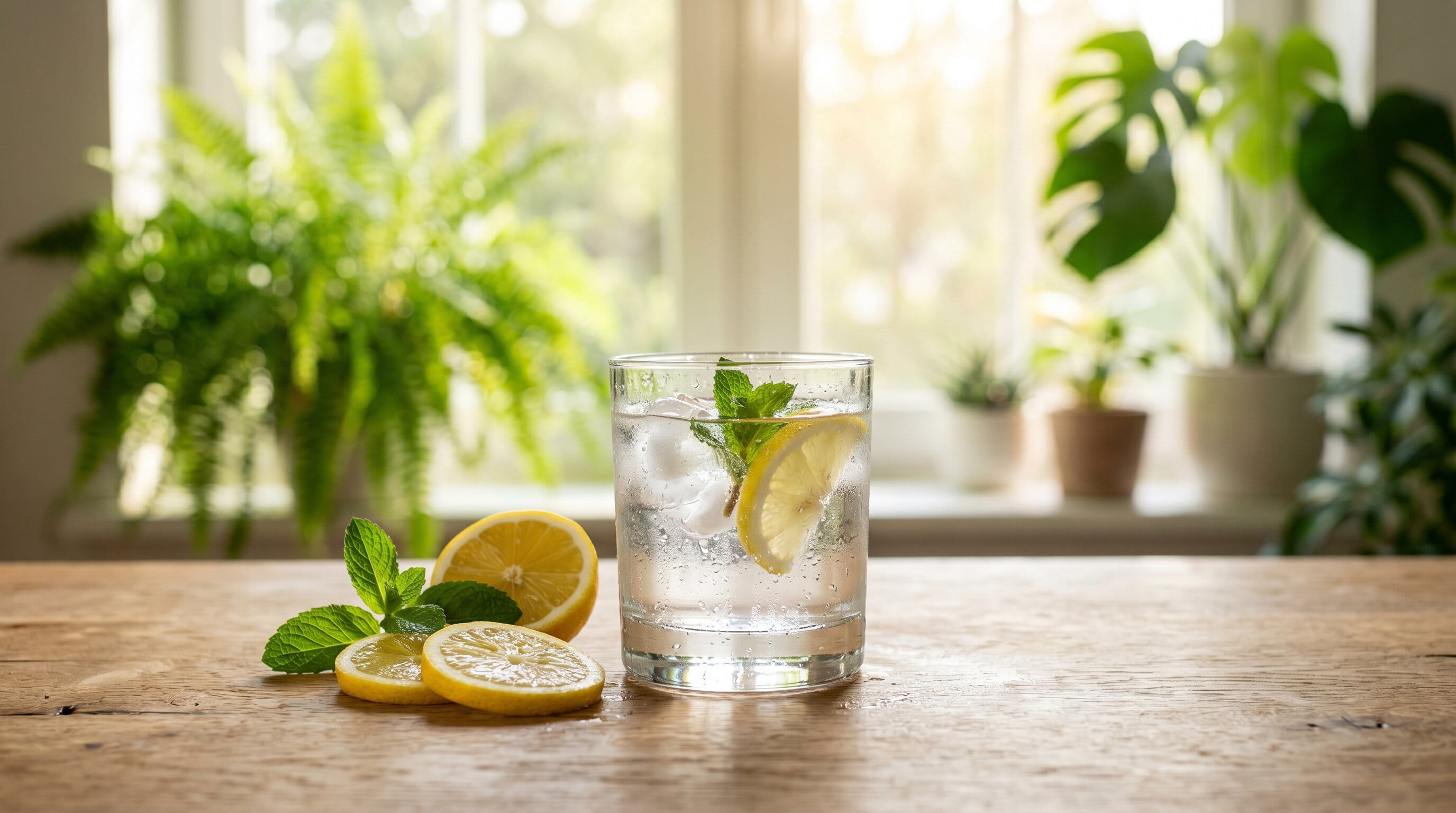
Hydration: The Importance of Drinking Water
Staying well-hydrated is essential for liver health, as water helps flush toxins from the body and supports the liver’s natural detoxification processes. Drinking adequate water allows the liver to function efficiently and maintain overall balance. Aim for at least 8 glasses of water daily. Herbal teas such as dandelion or milk thistle may also support liver health when included as part of a balanced routine.
Conclusion
While diet alone cannot cure liver cysts, it plays an important role in supporting liver function and reducing the risk of complications. A liver-friendly diet rich in whole foods like leafy greens, berries, and healthy fats can help reduce inflammation and promote overall liver health. Avoiding alcohol, refined sugars, and unhealthy fats further reduces strain on the liver.
If you have liver cysts or concerns about your liver, it is important to work with your healthcare provider to develop a comprehensive plan that includes proper nutrition, medical care, and regular monitoring.