
Gallstone Risk Factors: What Cypress, TX Residents Should Know
Age, family history, pregnancy, obesity, diabetes and rapid weight loss can affect risk, but no single factor proves that pain comes from gallstones. Gallstone likelihood changes with age and hormonal factors, but these traits do not diagnose the source of pain.
Key Takeaways
- Age, family history, pregnancy, obesity, diabetes and rapid weight loss can affect risk, but no single factor proves that pain comes from gallstones.
- Gallstone likelihood changes with age and hormonal factors, but these traits do not diagnose the source of pain.
- Crash diets and very rapid weight loss can increase gallstone formation as the gallbladder empties less regularly.
- Fever, jaundice or persistent vomiting with upper abdominal pain can indicate infection or obstruction and needs prompt care.
- Upper-right abdominal pain lasting hours, fever, jaundice or repeated vomiting requires prompt urgent care.
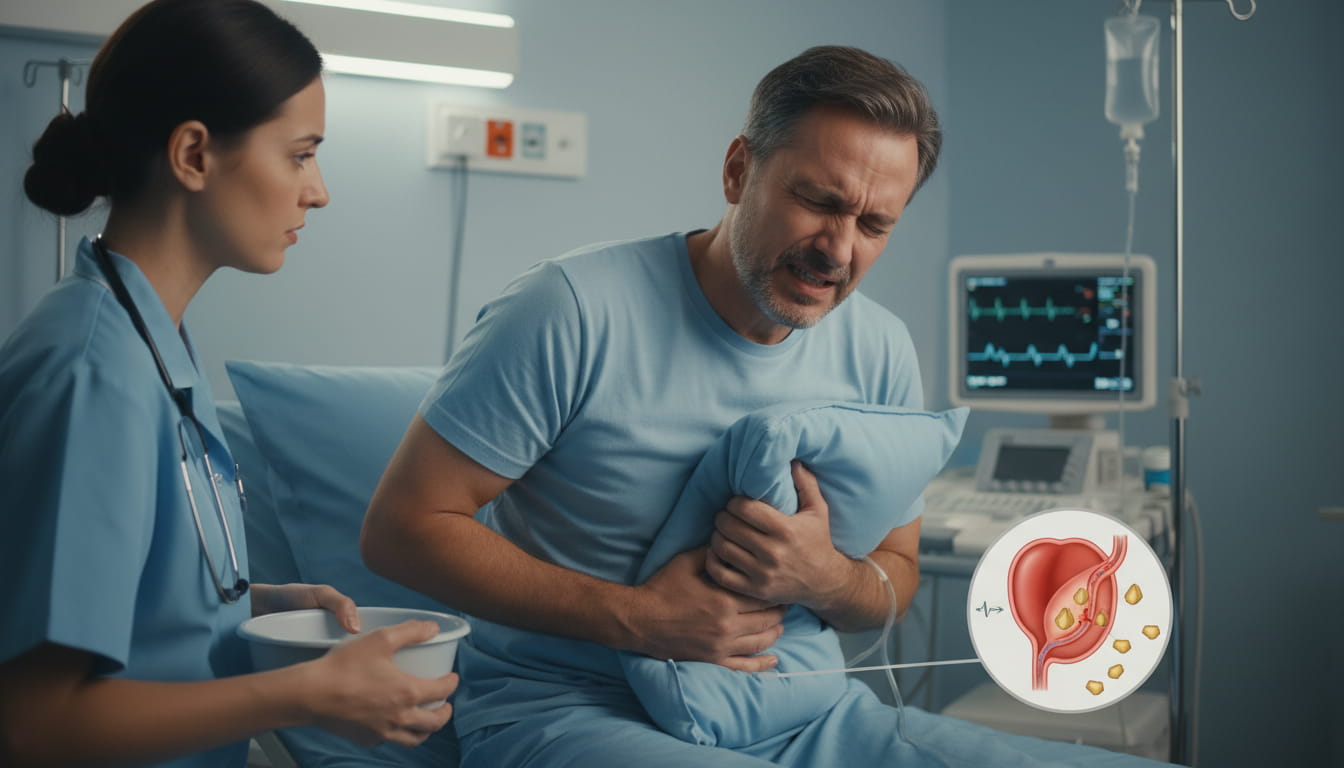

Separate a contributing factor from a diagnosis
Risk factors raise probability; they cannot identify whether a current episode of pain is biliary. Ultrasound and the clinical pattern answer a different question. Age, family history, pregnancy, obesity, diabetes and rapid weight loss can affect risk, but no single factor proves that pain comes from gallstones.
Risk factors raise probability; they cannot identify whether a current episode of pain is biliary. Ultrasound and the clinical pattern answer a different question. Review the gallstones overview and gallstones diagnosis before deciding what this finding means for you.
Gallstone Risk Factors: What Cypress, TX Residents Should Know
Age and biology
Gallstone likelihood changes with age and hormonal factors, but these traits do not diagnose the source of pain.
Family history
Relatives with gallstones can signal increased susceptibility, although ultrasound and symptom history determine current care.
Pregnancy-related risk
Hormonal changes during pregnancy may favor gallstone formation; new severe pain needs pregnancy-aware evaluation.
Metabolic factors
Obesity and diabetes may increase risk, while safe long-term management requires an individualized plan.
Rapid weight loss
Crash diets and very rapid weight loss can increase gallstone formation as the gallbladder empties less regularly.
Silent stones
Gallstones discovered incidentally often do not require treatment when they have never caused symptoms.
Biliary pain pattern
An upper-right abdominal pain episode lasting hours, often after meals, merits evaluation but is not specific by itself.
Complication signs
Fever, jaundice or persistent vomiting with upper abdominal pain can indicate infection or obstruction and needs prompt care.
What the evidence can and cannot establish
Age, family history, pregnancy, obesity, diabetes and rapid weight loss can affect risk, but no single factor proves that pain comes from gallstones. NIDDK — gallstone risk and facts explains the core evidence. Relatives with gallstones can signal increased susceptibility, although ultrasound and symptom history determine current care.
NIDDK — gallstone symptoms and causes and NIDDK — gallstone diagnosis add testing or care context. Crash diets and very rapid weight loss can increase gallstone formation as the gallbladder empties less regularly.
Turn the observation into a clinical decision
Review rapid weight change, metabolic risk and pregnancy alongside pain duration, fever, jaundice and prior imaging.
Describe pain location and duration, meal relation, fever or jaundice, prior weight change, medicines and ultrasound results.
Fever, jaundice or persistent vomiting with upper abdominal pain can indicate infection or obstruction and needs prompt care. Upper-right abdominal pain lasting hours, fever, jaundice or repeated vomiting requires prompt urgent care.
Match the next step to the situation
An ultrasound and targeted labs can clarify symptoms; silent stones often need no treatment, while symptomatic stones usually warrant surgical discussion. The biliary ercp overview provides a related path.
Crash diets and very rapid weight loss can increase gallstone formation as the gallbladder empties less regularly. Confirm which finding would change the next decision.
Stable question
Gallstone likelihood changes with age and hormonal factors, but these traits do not diagnose the source of pain.
Persistent or unclear
Describe pain location and duration, meal relation, fever or jaundice, prior weight change, medicines and ultrasound results.
Urgent change
Upper-right abdominal pain lasting hours, fever, jaundice or repeated vomiting requires prompt urgent care.
Treatment and a measurable follow-up
Incidental silent stones may be observed, while repeated attacks or complication signs require a treatment discussion.
An ultrasound and targeted labs can clarify symptoms; silent stones often need no treatment, while symptomatic stones usually warrant surgical discussion.
The cypress office can help arrange a planned review; confirm who communicates results.
When to seek care sooner
Upper-right abdominal pain lasting hours, fever, jaundice or repeated vomiting requires prompt urgent care.
For new severe symptoms, do not wait for a routine portal response or a food trial; give the care team the onset and associated signs.
- Rapid weight loss or other metabolic risk
- Right upper abdominal pain after meals
- Fever or jaundice with pain
A short plan to take away
- Review personal risk factors and any rapid weight change.
- Describe the exact pain location, duration and associated symptoms.
- Bring prior ultrasound and blood-test reports.
- Seek urgent care for fever or jaundice with pain.
Frequently Asked Questions
Does getting older mean gallstones are inevitable?
Gallstone likelihood changes with age and hormonal factors, but these traits do not diagnose the source of pain.
Does a family history of gallstones mean I should get an ultrasound?
Relatives with gallstones can signal increased susceptibility, although ultrasound and symptom history determine current care.
Can gallstones develop during pregnancy?
Hormonal changes during pregnancy may favor gallstone formation; new severe pain needs pregnancy-aware evaluation.
Do diabetes and obesity raise gallstone risk in Cypress?
Obesity and diabetes may increase risk, while safe long-term management requires an individualized plan.
Can losing weight too fast cause gallstones?
Crash diets and very rapid weight loss can increase gallstone formation as the gallbladder empties less regularly.
Should I treat gallstones found by accident?
Gallstones discovered incidentally often do not require treatment when they have never caused symptoms.
What does a typical gallbladder attack feel like?
An upper-right abdominal pain episode lasting hours, often after meals, merits evaluation but is not specific by itself.
When are gallstone symptoms an emergency?
Fever, jaundice or persistent vomiting with upper abdominal pain can indicate infection or obstruction and needs prompt care.
Medical References
This article provides general education about gallstone risk review in Cypress; it is not an individual diagnosis or treatment plan. In the United States, call 911 for a medical emergency.

Make a Clear Care Plan
Bring the original report, a dated symptom timeline, and a medicine list. Confirm who communicates the next result and when.