
Itching and Pain Around the Anus: Is It a Fissure or Hemorrhoids?
Fissures often cause sharp pain with stool passage, while hemorrhoids may cause bleeding, itching, or swelling. The patterns overlap, and an examination is needed when symptoms persist or the cause is unclear.
Key Takeaways
- Fissures often cause sharp pain with stool passage, while hemorrhoids may cause bleeding, itching, or swelling.
- Sharp pain during and after passing stool can fit a tear in the anal lining.
- Moisture, skin irritation, leakage, products, and other causes can itch without a fissure or hemorrhoid.
- Keep the area gently clean and dry, avoid aggressive scrubbing, and stop using an irritating new product.
- Severe constant pain with fever, swelling, or pus needs prompt assessment for an abscess. Heavy bleeding, fainting, or rapidly worsening illness requires urgent care.
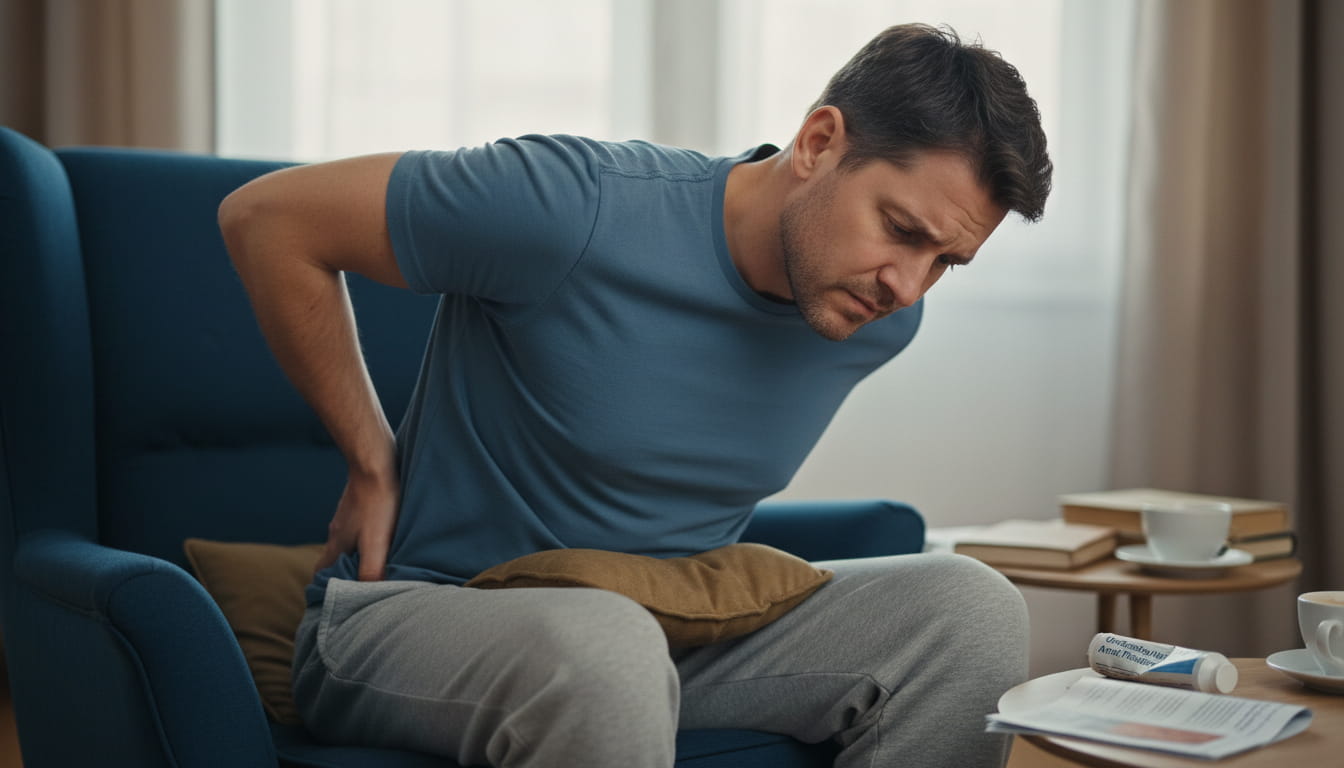

Use symptom patterns as clues rather than a home diagnosis
For Katy patients, the timing of pain is more useful than trying to identify a diagnosis from a mirror or photo. Skin irritation, infection, and an abscess can also cause discomfort near the anus.
Use the anal fissures overview alongside your symptom history. Fissures often cause sharp pain with stool passage, while hemorrhoids may cause bleeding, itching, or swelling. The patterns overlap, and an examination is needed when symptoms persist or the cause is unclear.
Eight points to put the symptoms in context
Fissure pattern
Sharp pain during and after passing stool can fit a tear in the anal lining.
Internal hemorrhoids
These can cause painless bleeding or prolapse, but not every painless bleed comes from hemorrhoids.
External hemorrhoids
A clot in an external hemorrhoid can create a painful lump that needs assessment.
Itching
Moisture, skin irritation, leakage, products, and other causes can itch without a fissure or hemorrhoid.
Blood color
Bright red blood does not distinguish these conditions reliably or rule out other causes.
Lumps and swelling
A painful or changing lump requires examination, especially with fever or drainage.
Overlapping conditions
Constipation and straining can contribute to both problems, and they may coexist.
Treatment differences
A fissure may need sphincter-relaxing treatment; hemorrhoid treatment follows a different pathway.
What medical guidance can establish
Fissure and hemorrhoid resources describe characteristic patterns but emphasize clinical assessment. Persistent bleeding, atypical pain, or nonhealing symptoms should not be attributed automatically to a common benign condition.
Sources for the clinical discussion: ASCRS: Anal fissures and treatment, NIDDK: Hemorrhoid symptoms and causes, ASCRS: Anal fissure expanded information.
How the clinical evaluation is chosen
Explain whether pain occurs during stool passage, afterward, or constantly. Report lumps, leakage, itching, blood, fever, and the products applied to the area.
A clinician may inspect the skin and perform a suitable anorectal examination. Further bowel evaluation is selected for bleeding history, risk factors, and findings.
Match the next step to the situation
If symptoms change after the first assessment, report the new features and their timing. A previous reassuring result should be interpreted alongside the current pattern.
Stable symptoms
Mild brief irritation without warning signs can be reviewed alongside bowel habits and skin-care exposures.
Persistent or changing symptoms
Persistent pain, recurrent bleeding, or a lump deserves examination before repeated self-treatment.
Urgent warning signs
Severe constant pain with fever, swelling, or pus needs prompt assessment for an abscess. Heavy bleeding, fainting, or rapidly worsening illness requires urgent care.
Treatment and a clear follow-up plan
Keep the area gently clean and dry, avoid aggressive scrubbing, and stop using an irritating new product. Address constipation with an individualized plan rather than repeated straining.
Avoid prolonged use of steroid or anesthetic creams without guidance. Seek confirmation before treating a painful lump or assuming a hemorrhoid product will heal a fissure.
When to seek care sooner
Severe constant pain with fever, swelling, or pus needs prompt assessment for an abscess. Heavy bleeding, fainting, or rapidly worsening illness requires urgent care.
- Fever with constant pain or swelling
- Pus or a rapidly worsening painful lump
- Heavy bleeding or fainting
Prepare for your next appointment
- Record pain timing relative to bowel movements.
- Note lumps, itching, leakage, and blood.
- List skin products, creams, and constipation treatments.
- Ask what diagnosis is established and when to reassess response.
Frequently Asked Questions
Is sharp pain after passing stool more typical of a fissure?
It can fit a fissure, but it does not prove one. Examination is useful when pain persists or the diagnosis is unclear.
Can hemorrhoids cause severe pain?
Yes, particularly a thrombosed external hemorrhoid. Severe constant pain, fever, or drainage also raises concern for another cause such as an abscess.
Does anal itching prove I have hemorrhoids?
No. Skin irritation, moisture, leakage, products, and other conditions can cause itching. Persistent symptoms need an assessment.
Can fissures and hemorrhoids occur at the same time?
Yes. Shared contributors such as straining can affect both, so one finding does not necessarily explain every symptom.
Can blood color distinguish a fissure from hemorrhoids?
No. Both may cause bright red blood, and other conditions can too. The amount, persistence, history, and examination matter.
Should I use a hemorrhoid cream for suspected fissure pain?
Not automatically. The treatments differ, and some creams can irritate skin or delay a correct diagnosis. Ask about persistent symptoms.
What does pus with anal pain suggest?
It can indicate infection or an abscess and needs prompt assessment, especially with fever, swelling, or constant worsening pain.
When should anal pain and itching be checked in Katy?
Arrange evaluation for persistence, recurrent bleeding, a lump, or failed self-care. Fever, severe constant pain, or drainage needs prompt care.
Medical References
- ASCRS: Anal fissures and treatment
- NIDDK: Hemorrhoid symptoms and causes
- ASCRS: Anal fissure expanded information
This article provides general education for readers in Katy, TX. It does not replace an individual diagnosis or treatment plan. GastroDoxs sees patients ages 18 and older. In the United States, call 911 for a medical emergency.

Discuss Anal pain and itching in Katy With GastroDoxs
Bring a dated symptom history, your medicine list, and any previous test reports. Ask what diagnosis is established and when to reassess response.