Introduction: Understanding Trouble Swallowing (Dysphagia) in Jersey Village
If you live in Jersey Village, TX, and are experiencing trouble swallowing, you're not alone. Dysphagia, or difficulty swallowing, can occur for various reasons and affect people of all ages. While some people may experience occasional swallowing discomfort, others face more persistent issues that can interfere with eating, drinking, and even speaking.
In this blog post, we’ll provide 10 practical tips that can help prevent trouble swallowing in Jersey Village, Texas, and improve your overall swallowing health. Whether you're dealing with GERD, oropharyngeal dysphagia, or just looking to maintain a healthy swallowing routine, these tips are designed to support your digestive system and promote better swallowing habits.
1. Habit Eating slowly to avoid trouble of swallowing in Jersey Village
It is even possible that the unforeseen result of a rapid feeding process may cause unnecessary tension of the esophagus and throat muscles therefore making it impossible to swallow food easily. Majority of the people in Jersey Village are always in a hurry but they ought to take time when eating their meals. Chewing food well and eating small amounts can also assist in ensuring that there is no food stuck in the throat and thus, he or she can easily swallow food. Hint: It is preferable to swallow in parts, sometimes there is need to take a glass of water to ease the swallowing process.
2. Maintain a Healthy Diet to Promote Swallowing Health
Your diet plays a huge role in the health of your digestive system. To prevent trouble swallowing, it's important to focus on foods that are gentle on the esophagus and throat. Avoid overly spicy, acidic, or dry foods that can irritate the esophagus, especially if you're dealing with GERD.
Tip: Incorporate soft, moist foods such as cooked vegetables, lean meats, and non-acidic fruits into your meals. Foods that are easier to swallow will reduce the strain on your swallowing muscles.

3. Stay Hydrated to Prevent Esophageal Discomfort in Jersey Village
Dehydration can contribute to difficulty swallowing and dry mouth. Ensuring you stay hydrated throughout the day helps keep your throat moist and makes it easier for food and liquids to pass smoothly down your esophagus.
Tip: Drink water consistently throughout the day, especially during meals. Avoid large gulps of liquid, as it can overwhelm the throat and cause discomfort.
4. Manage GERD to Avoid Swallowing Issues in Jersey Village
One of the leading causes of dysphagia in Jersey Village residents is GERD (Gastroesophageal Reflux Disease). GERD occurs when stomach acid backs up into the esophagus, causing irritation and narrowing, which leads to difficulty swallowing.
Tip: Work with your doctor to manage GERD through medications, lifestyle changes (like elevating your head while sleeping), and avoiding trigger foods. Proper management of GERD can significantly reduce swallowing problems.
5. Avoid Eating Large Meals to Minimize Esophageal Strain
Eating large meals can put pressure on your stomach, which may lead to acid reflux and difficulty swallowing. In Jersey Village, many people enjoy socializing during meals, but eating in moderation can help prevent digestive issues.
Tip: Opt for smaller, more frequent meals instead of large, heavy portions. This will not only aid digestion but also help prevent food from getting stuck in the throat.
6. Incorporate Swallowing Exercises into Your Routine
If you're experiencing oropharyngeal dysphagia (difficulty swallowing in the mouth and throat), swallowing exercises can help strengthen the muscles involved in swallowing. These exercises can improve muscle coordination, making it easier to swallow safely.
Tip: Consult with a speech therapist or gastroenterologist in Jersey Village who can recommend specific swallowing exercises to improve function.
7. Chew Your Food Thoroughly for Easier Swallowing
Properly chewing your food is essential to make the swallowing process easier. When you chew thoroughly, the food breaks down into smaller, easier-to-swallow pieces, reducing the likelihood of food getting caught in your throat.
Tip: Take the time to chew each bite 20-30 times before swallowing. This simple habit can significantly improve your swallowing experience.
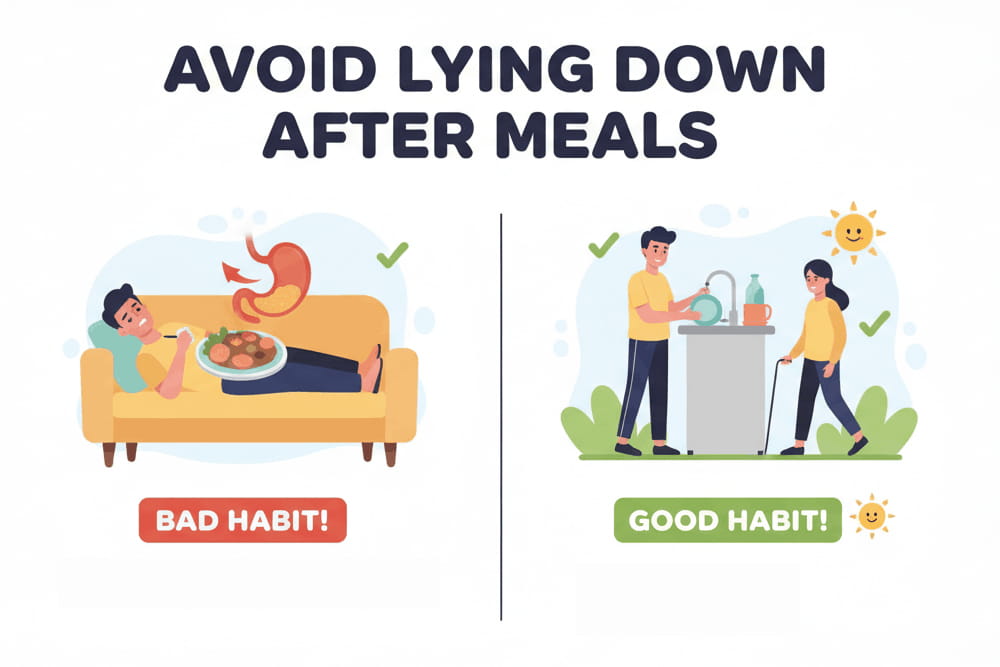
8. Avoid Lying Down After Meals in Jersey Village
Lying down immediately after eating can increase the risk of acid reflux and difficulty swallowing, especially if you’re prone to GERD. Gravity helps food move through the digestive system, and reclining can hinder that process.
Tip: Wait at least 30 minutes to an hour after eating before lying down or going to bed. This will help food move through the esophagus more effectively and reduce the chance of swallowing discomfort
9. Seek Professional Help for Ongoing Trouble Swallowing in Jersey Village
If you're frequently experiencing difficulty swallowing, it's important to seek help from a medical professional. A gastroenterologist or speech therapist in Jersey Village can conduct tests to determine the underlying cause of your swallowing issues.
Tip: Don’t ignore persistent swallowing problems. Early intervention can prevent more severe complications and improve your swallowing health in the long run.
10. Create a Relaxed Eating Environment in Jersey Village
Stress and anxiety can exacerbate dysphagia and trouble swallowing, as they can tighten the muscles involved in swallowing. Creating a calm, peaceful eating environment can help you relax during meals and promote better swallowing.
Tip: Avoid distractions while eating, such as watching TV or using your phone. Focus on your meal and take your time to eat in a calm, comfortable setting.
Conclusion: Take Action to Prevent Trouble Swallowing in Jersey Village
If you're struggling with trouble swallowing or dysphagia in Jersey Village, these 10 tips can help improve your swallowing health and prevent further discomfort. From managing GERD to incorporating swallowing exercises, taking a proactive approach to your swallowing health is key to ensuring you continue to enjoy food and drink with ease.
Remember, if you're experiencing persistent dysphagia oral or difficulty swallowing after esophageal dilation, it's always best to consult with a local healthcare provider in Jersey Village to determine the underlying cause and receive the proper treatment.