
Digestive Symptoms Treated by Gastroenterologists in Houston, TX
At GastroDoxs, we diagnose and treat common digestive symptoms such as abdominal pain, acid reflux, constipation, diarrhea, bloating, rectal bleeding, and more. The GastroDoxs GutGuardians™ team helps patients understand symptoms early and choose the right next step.
Explore The Digestive Symptoms We Treat
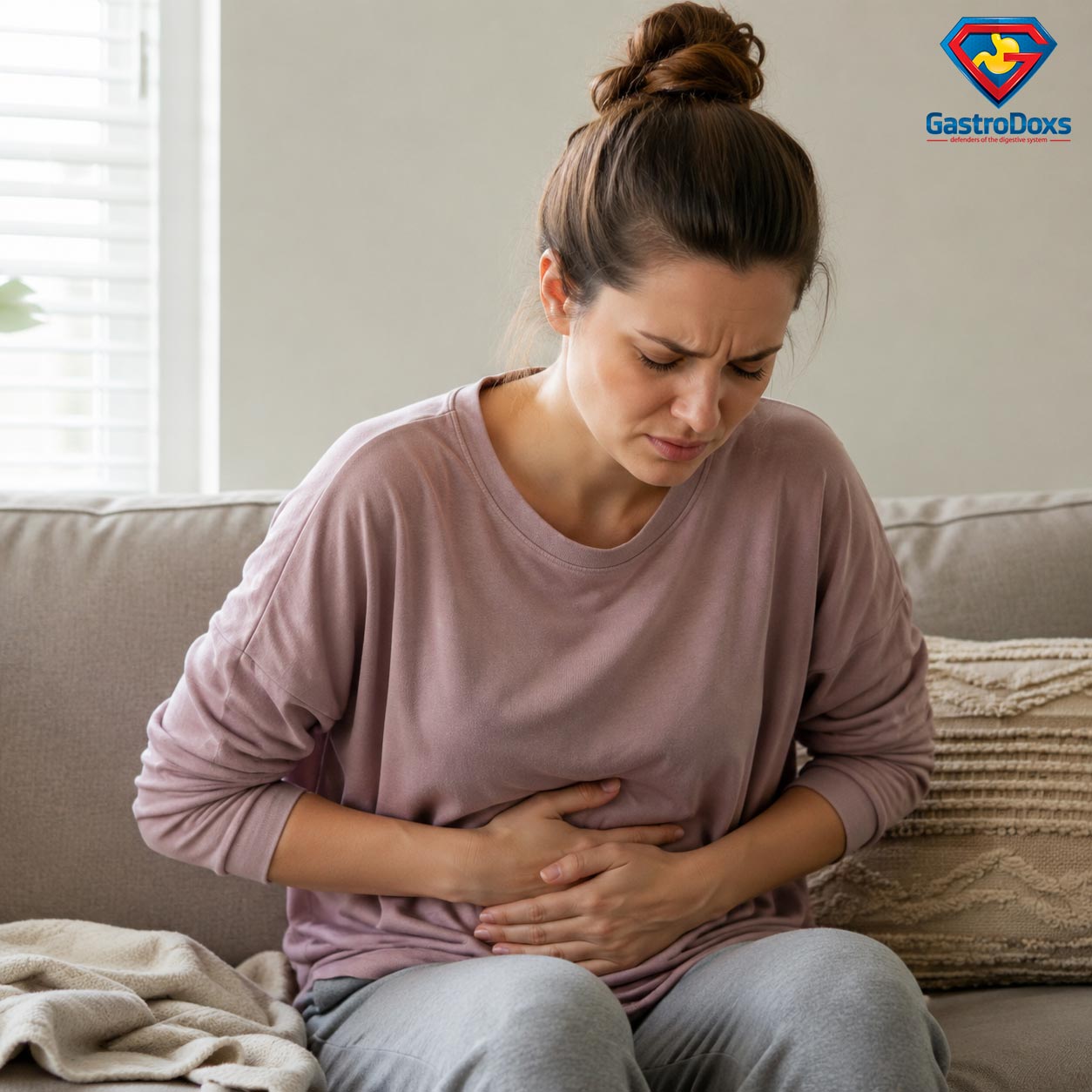
Gastrointestinal Disorder
Gastrointestinal disorders can affect the esophagus, stomach, intestines, liver, gallbladder, pancreas, colon, or rectum.
Read More
Heartburn
Learn about Heartburn, possible digestive causes, warning signs, and when GI care may help.
Read More
Heartburn at Night
Heartburn at night can disrupt sleep and may be linked to reflux, late meals, hiatal hernia, medication effects, or GERD.
Read More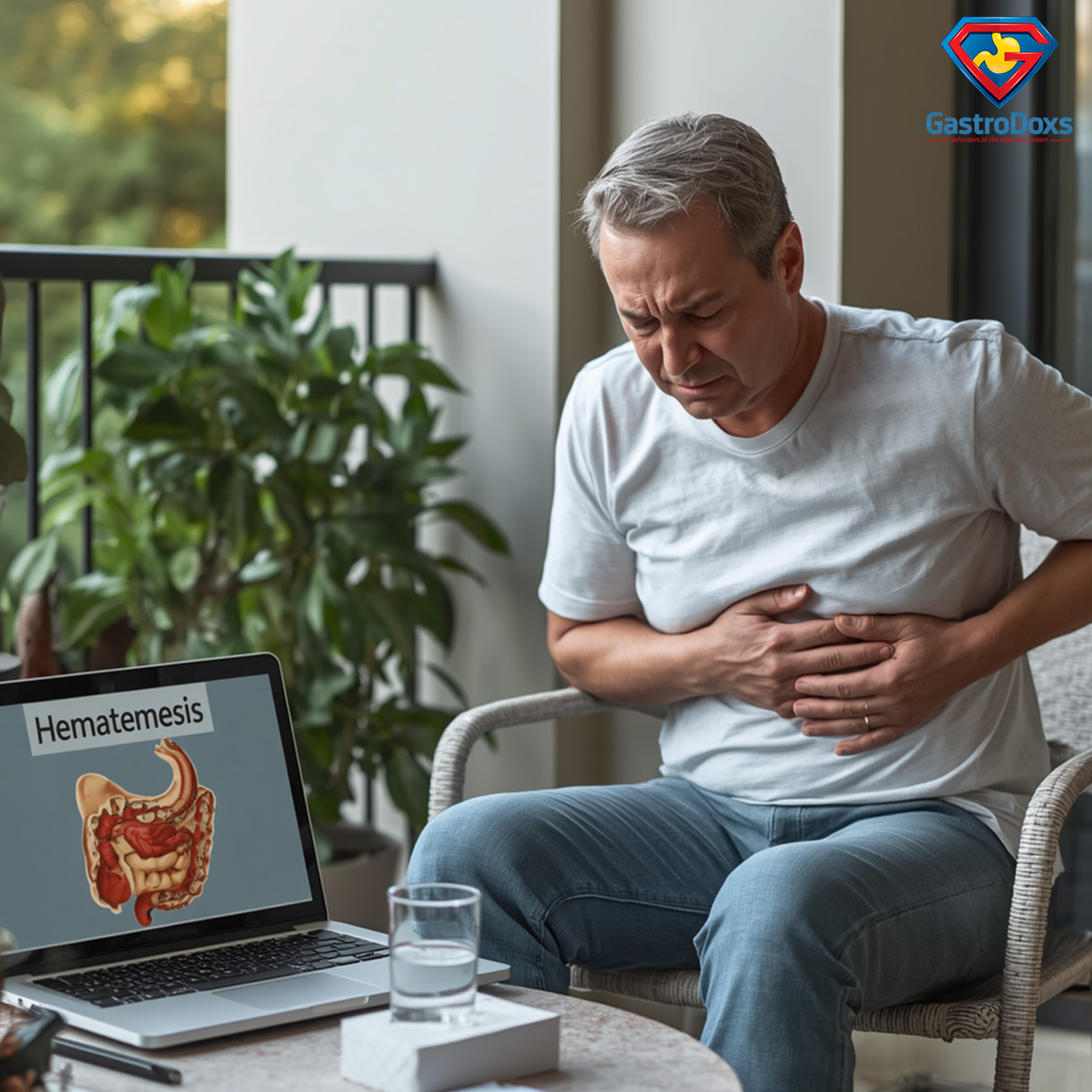
Hematemesis
Hematemesis means vomiting blood and may signal bleeding in the esophagus, stomach, or upper small intestine that needs immediate medical assessment.
Read More
Hemorrhage of Anus and Rectum
Learn what rectal or anorectal bleeding may look like, which causes are common, how blood color and associated symptoms guide testing, and when bleeding needs urgent care.
Read More
Hemorrhoids Bleeding
why hemorrhoids may bleed, what bright red blood can mean, warning signs, and when bleeding hemorrhoids need evaluation.
Read More
Hemorrhoids Pain
why hemorrhoids hurt, what painful hemorrhoids may feel like, relief basics, warning signs, and when to seek evaluation.
Read More.jpg)
Hoarseness (Reflux-Related)
Reflux-related hoarseness may cause a raspy, weak, strained, or lower-pitched voice, often with throat clearing or cough.
Read More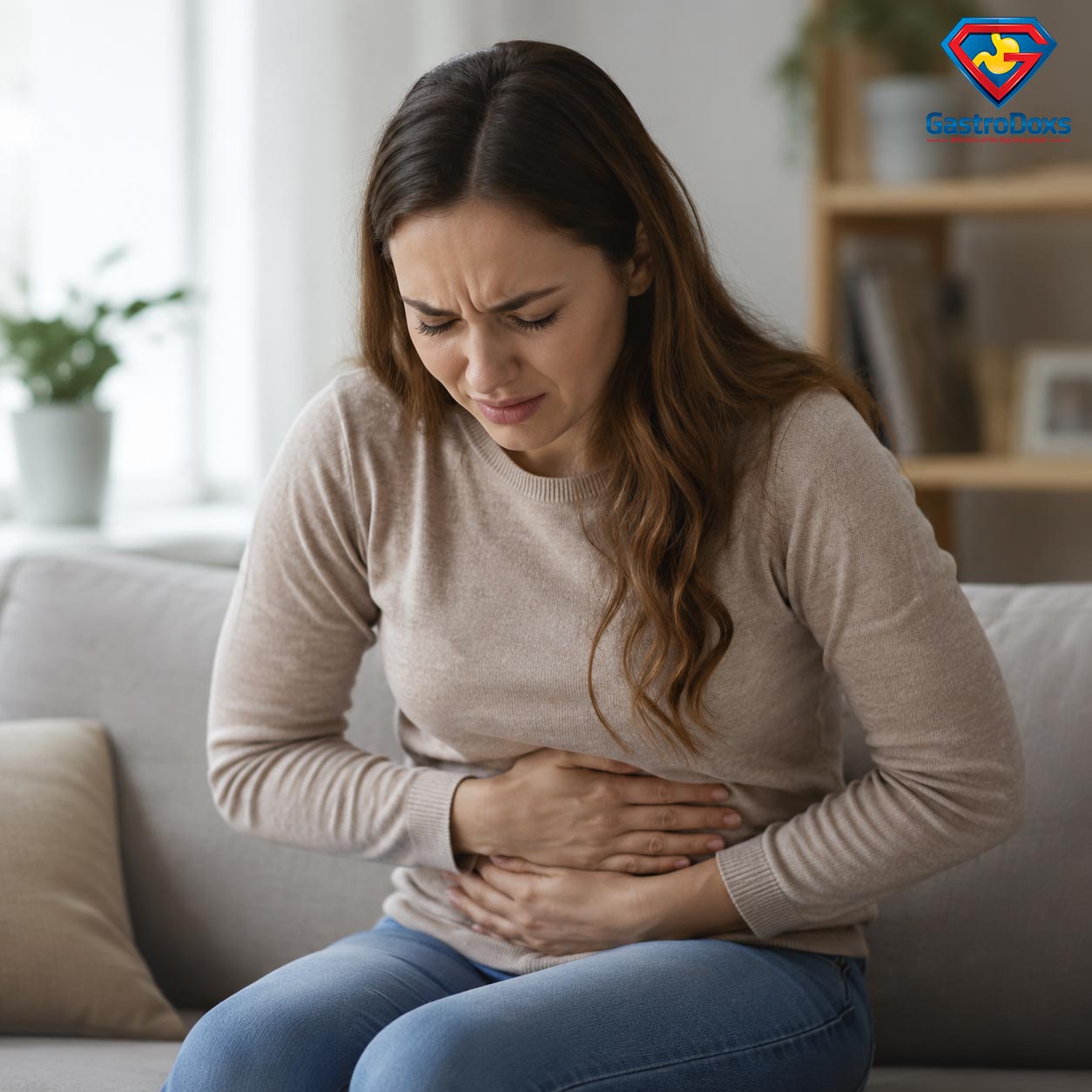
Indigestion
what indigestion can feel like, common causes, warning signs, home-care basics, and when recurring dyspepsia should be checked.
Read More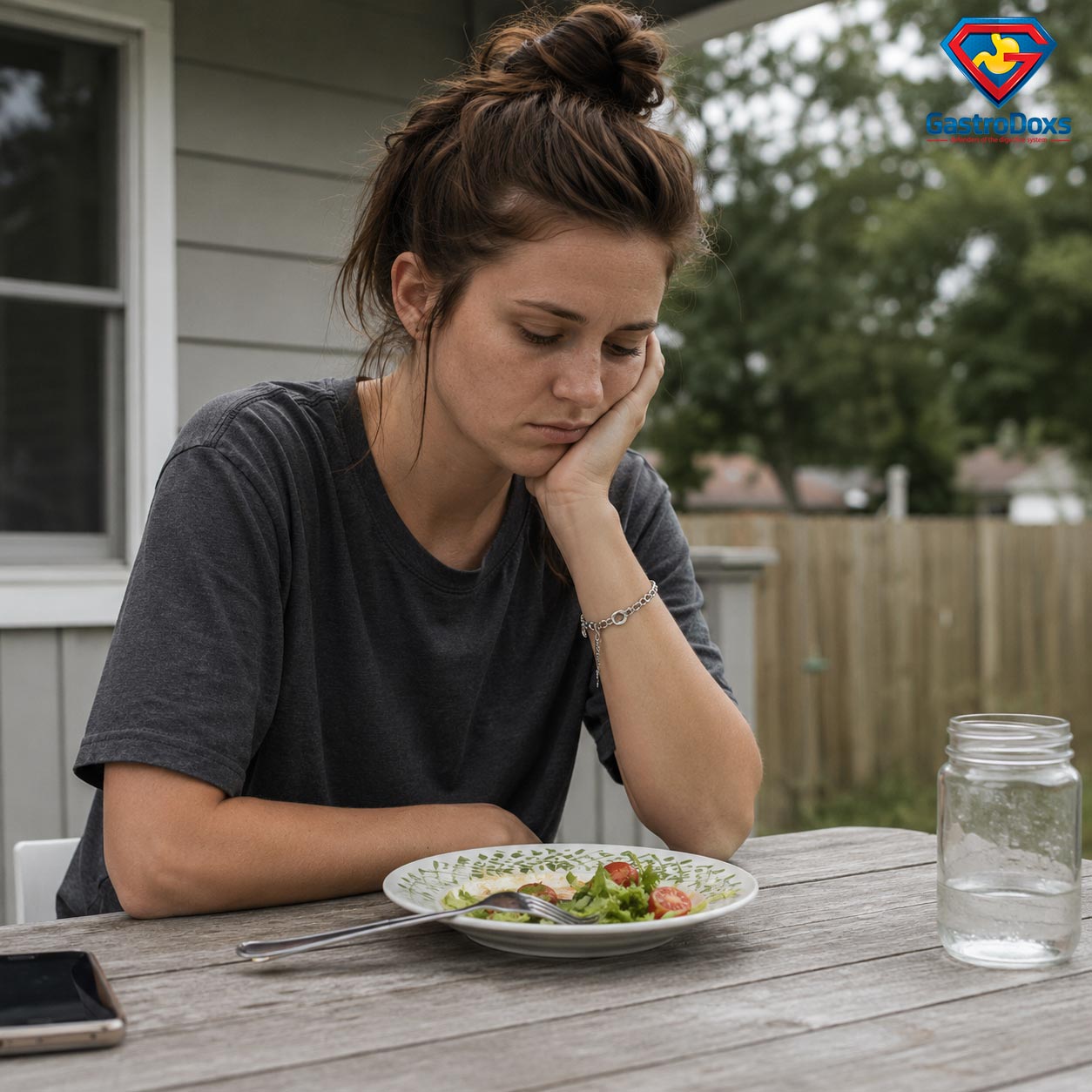
Loss of Appetite
Loss of appetite may follow illness, digestive symptoms, medicines, stress, or a more serious condition, especially when it persists or causes weight loss.
Read More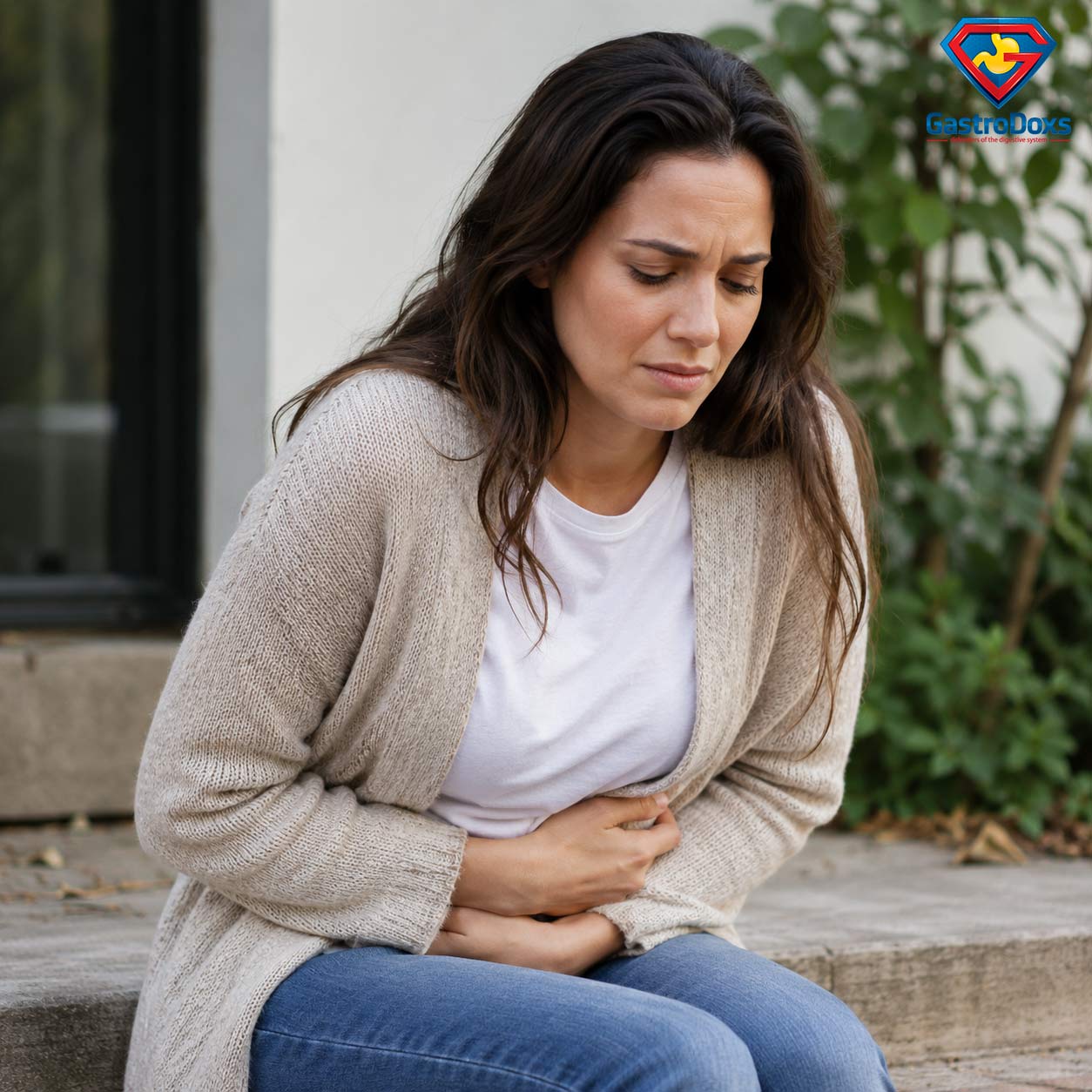
Melena
Melena is black, tar-like stool caused by digested blood and most often points to bleeding in the upper gastrointestinal tract.
Read More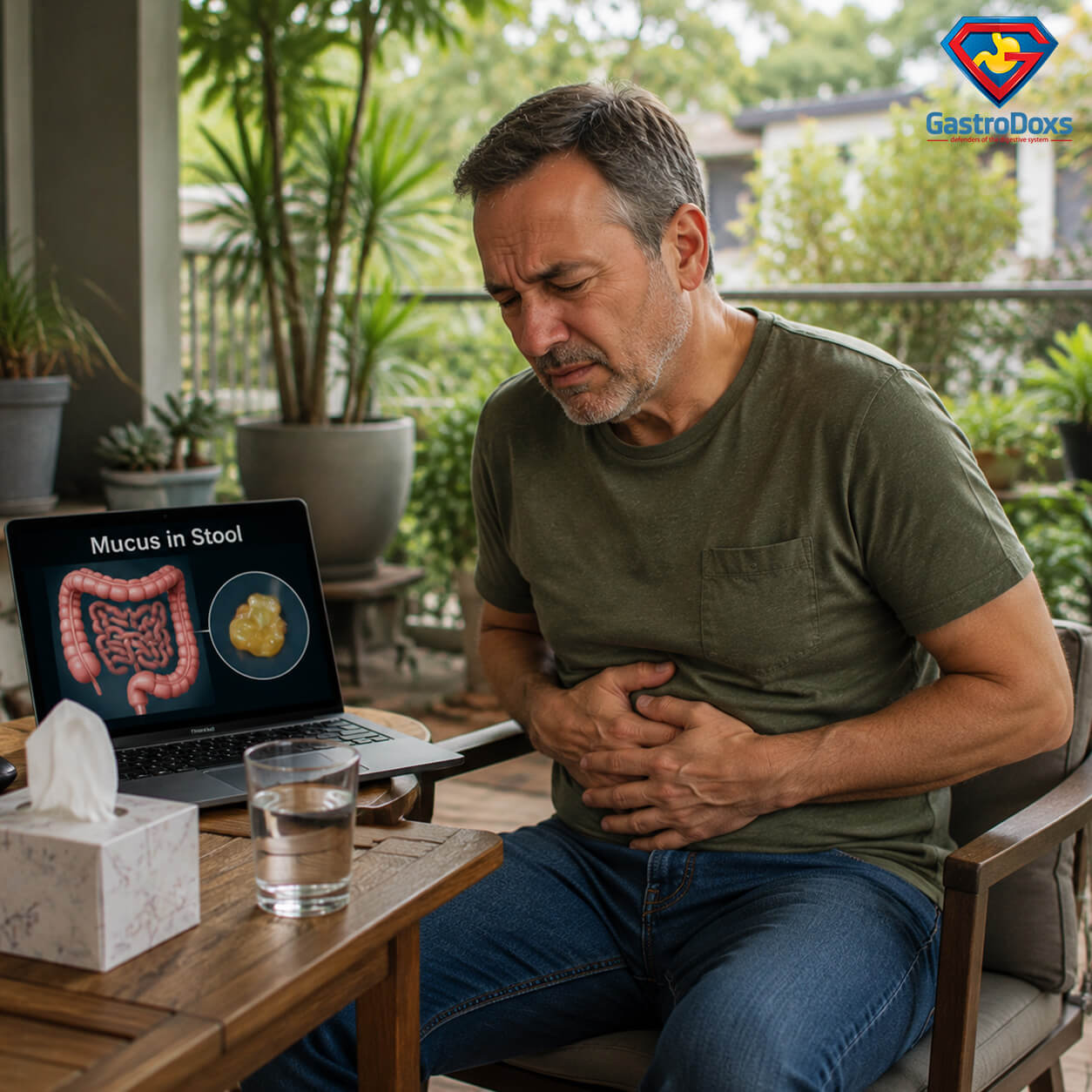
Mucus in Stool
Understand clear, white, yellow, or bloody stool mucus, IBS, infection, inflammation, constipation, testing, and warning signs.
Read More
Nausea
Learn nausea causes, digestive and non-GI triggers, warning signs, diagnosis, medicines, and when recurring nausea needs evaluation.
Read More
Nausea with Vomiting
Nausea with vomiting may come from infection, reflux, food triggers, medicines, migraine, gallbladder disease, gastroparesis, or obstruction.
Read More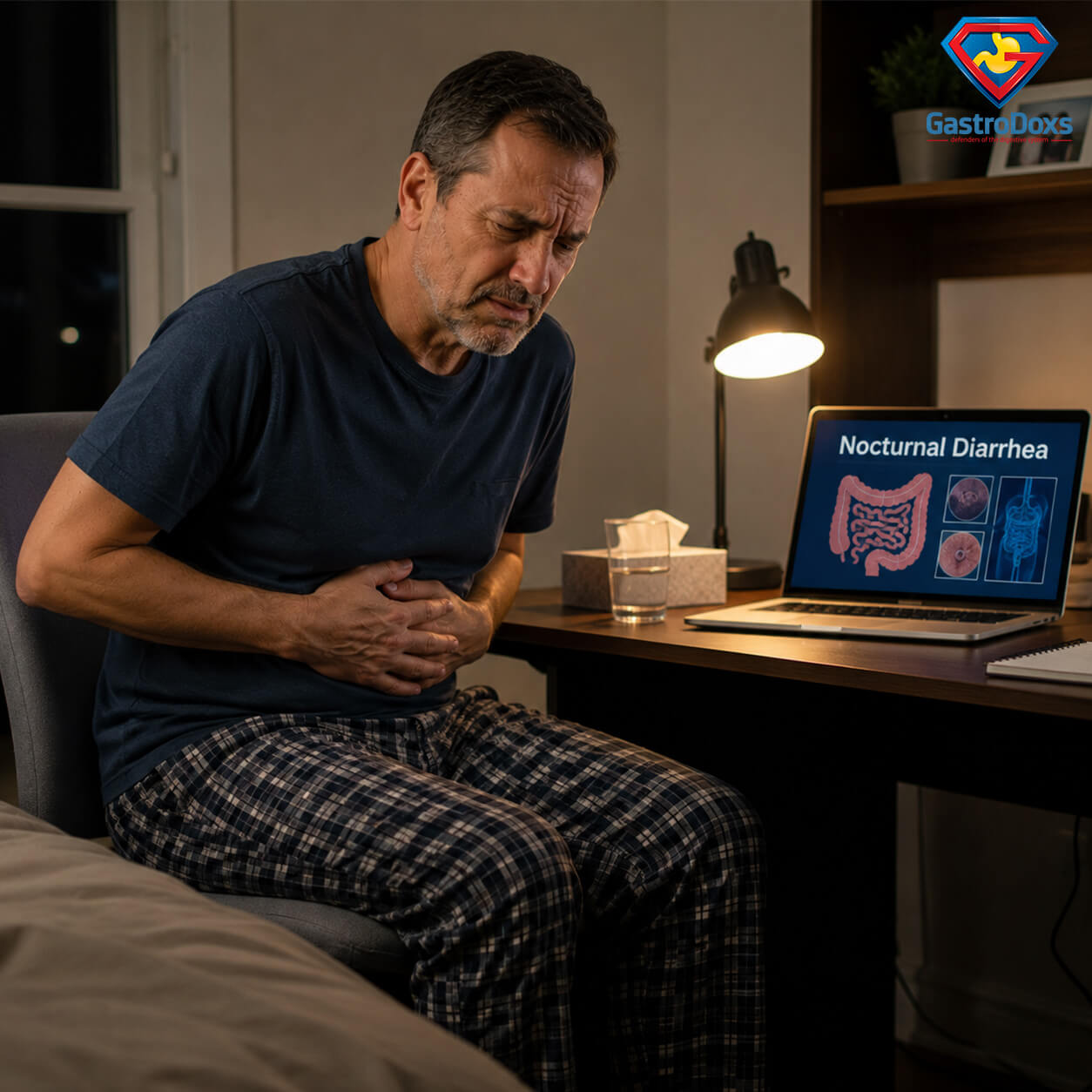
Nocturnal Diarrhea
Understand diarrhea at night, organic warning patterns, dehydration, IBD, infection, medication effects, testing, and treatment.
Read More
Nocturnal Reflux
Nocturnal reflux is nighttime reflux that may cause heartburn, sour taste, cough, throat irritation, or sleep disruption.
Read More
Odynophagia
Odynophagia means pain with swallowing and may feel sharp, burning, squeezing, or raw in the mouth, throat, or chest.
Read More-stools.jpg)
Pale Clay Stools
Pale, white, gray, or clay-colored stool may occur when too little bile reaches the intestine because of liver, gallbladder, bile-duct, or pancreatic disease.
Read More
Palpable Abdominal Mass or Lump
Learn what an abdominal lump may mean, benign and serious causes, examination clues, imaging tests, treatment options, and emergency warning signs.
Read More
Pelvic Discomfort
Pelvic discomfort may be linked to constipation, IBS, diverticular disease, pelvic floor dysfunction, urinary, reproductive, or nerve-related causes.
Read More
Pelvic Pain
Learn pelvic pain causes, digestive overlap, pelvic floor issues, red flags, tests, and when GI or gynecology evaluation may help.
Read More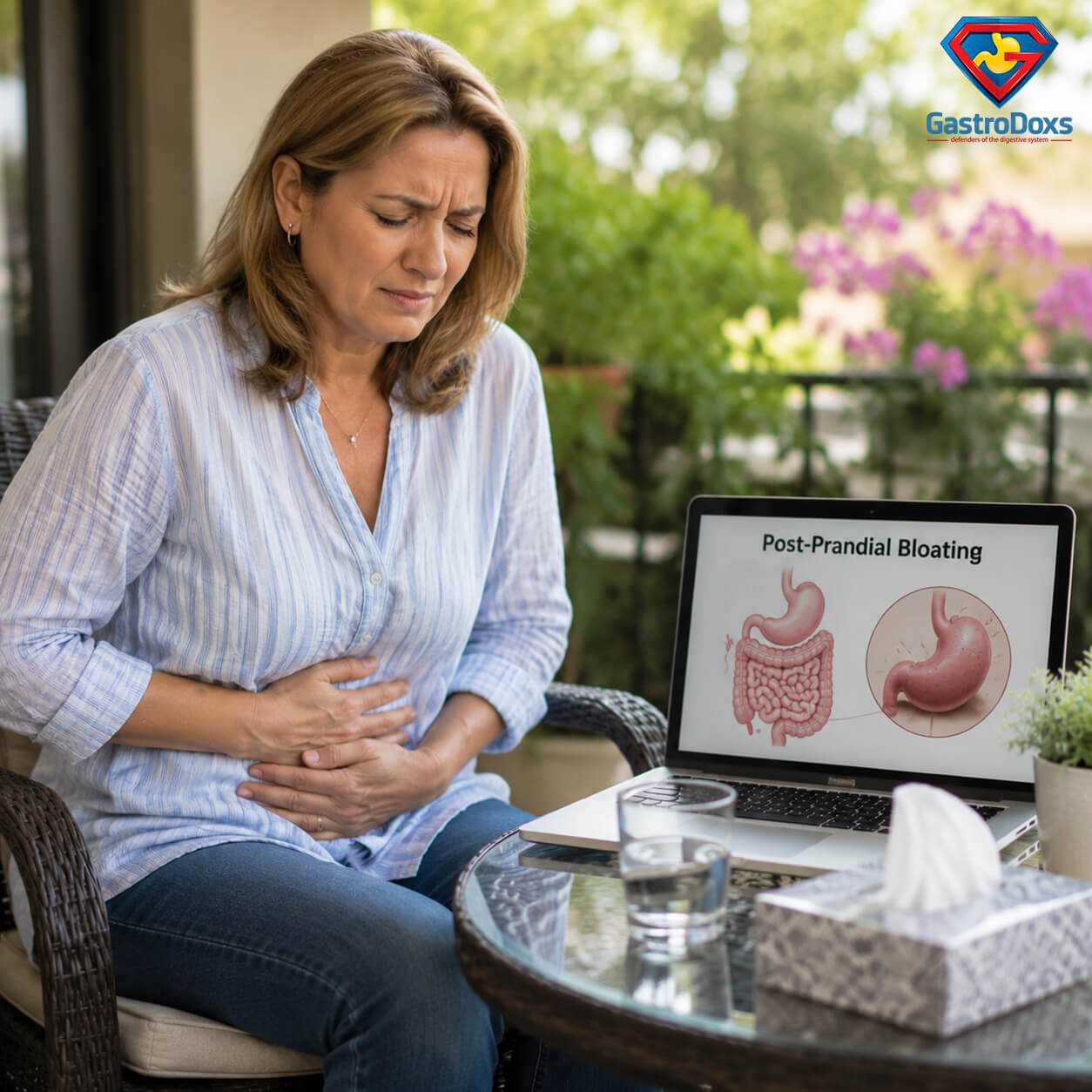
Post-Prandial Bloating
Understand bloating after meals, food triggers, constipation, IBS, dyspepsia, motility issues, and warning signs that need medical review.
Read More
Rectal Bleeding
Rectal bleeding may appear on toilet paper, coat the stool, drip into the bowl, or mix with stool and should not be assumed to be hemorrhoids.
Read More-pain-(biliary-hepatic).jpg)
Right Upper Quadrant Pain
Learn right upper quadrant pain causes, gallbladder and liver patterns, related symptoms, ultrasound and lab testing, and emergency warning signs.
Read MoreNot sure what your symptoms mean?
GastroDoxs can help evaluate recurring digestive symptoms and guide you toward the right testing, treatment, or specialist visit.
Frequently Asked Questions
What digestive symptoms should not be ignored?
Persistent abdominal pain, blood in stool, black stool, unexplained weight loss, ongoing vomiting, trouble swallowing, severe diarrhea, or symptoms that wake you at night should be evaluated promptly.
How do I know if I need a gastroenterologist?
You should see a gastroenterologist when symptoms such as reflux, bloating, constipation, diarrhea, abdominal pain, or rectal bleeding are frequent, worsening, or not improving with basic care.
What tests are used for digestive symptoms?
Testing may include blood work, stool studies, breath tests, imaging, endoscopy, colonoscopy, or other GI procedures depending on your symptoms, age, risk factors, and medical history.
Can stress cause digestive symptoms?
Stress can worsen symptoms such as cramps, bloating, reflux, constipation, and diarrhea. However, recurring or severe symptoms should still be evaluated to rule out underlying GI conditions.
Do digestive symptoms always mean a serious condition?
No. Many symptoms are related to diet, medications, infection, stress, or functional digestive disorders. A GI evaluation helps identify which symptoms need treatment or testing.