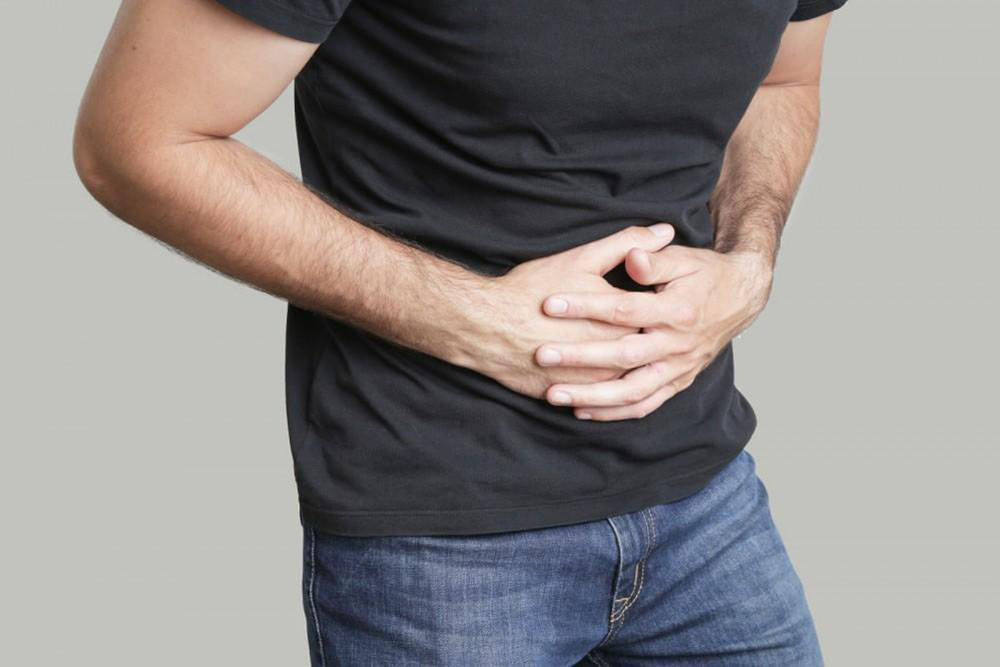
Experiencing upper abdominal pain and nausea simultaneously can be distressing and uncomfortable. While it might seem like a minor issue at first, it’s essential to recognize that these symptoms can be indicative of several health conditions, some of which require immediate medical attention. Understanding the causes behind upper abdominal pain and nausea can help you make informed decisions about your health and whether you need to seek professional help.
In this comprehensive guide, we will explore the most common causes of upper abdominal pain and nausea, the symptoms to watch out for, and when you should seek medical attention. Whether you're dealing with occasional discomfort or persistent symptoms, this guide will help you understand the possible underlying causes and provide useful insights into managing these conditions.

What Are the Common Causes of Upper Abdominal Pain and Nausea?
Upper abdominal pain and nausea can arise from various digestive and non-digestive issues. Here are some of the most common causes:
1. Acid Reflux (GERD): What Causes Pain and Nausea in the Upper Abdomen?
Acid reflux, also known as Gastroesophageal Reflux Disease (GERD), is one of the most frequent causes of upper abdominal pain and nausea. In acid reflux, stomach acid flows backward into the esophagus, leading to heartburn, discomfort, and nausea. This can be triggered by eating certain foods, lying down after a meal, or consuming alcohol.
Symptoms of Acid Reflux (GERD):
- Heartburn
- Regurgitation of food or sour liquid
- Nausea, especially after eating
- Pain or discomfort in the upper abdomen
- Difficulty swallowing
If left untreated, GERD can lead to complications like esophageal damage, ulcers, or narrowing of the esophagus.
2. Gallstones: How Can They Cause Upper Abdominal Pain and Nausea?
Gallstones are hardened deposits that form in the gallbladder and can block bile ducts, leading to intense pain in the upper right abdomen. Gallstones can cause sudden, sharp pain, especially after eating fatty foods, and often trigger nausea and vomiting. This condition is known as a gallbladder attack.
Symptoms of Gallstones:
- Sudden, severe pain in the upper right abdomen
- Nausea and vomiting
- Pain after eating fatty meals
- Fever
- Jaundice (yellowing of the skin or eyes)
If gallstones cause a blockage, you may need surgery to remove the gallbladder, especially if the pain becomes recurrent.
3. Peptic Ulcers: Can They Cause Nausea and Upper Abdominal Pain?
A peptic ulcer is a sore in the lining of the stomach or the first part of the small intestine (duodenum). These ulcers are often caused by an infection with Helicobacter pylori bacteria or prolonged use of NSAIDs (nonsteroidal anti-inflammatory drugs). Peptic ulcers can lead to burning pain in the upper abdomen, often felt on an empty stomach, and may be accompanied by nausea.
Symptoms of Peptic Ulcers:
- Burning pain in the upper abdomen
- Nausea and vomiting
- Loss of appetite
- Weight loss
- Pain that worsens after meals or on an empty stomach
If the ulcer causes bleeding, it can lead to vomiting blood or black stools, which require immediate medical attention.
4. Gastritis: What Is It and How Does It Cause Upper Abdominal Pain?
Gastritis is the inflammation of the stomach lining. It can be caused by infection, excessive alcohol consumption, prolonged use of NSAIDs, or stress. Gastritis can cause discomfort, a dull ache in the upper abdomen, and nausea. In some cases, it can lead to bleeding ulcers in the stomach lining, which can result in vomiting blood.
Symptoms of Gastritis:
- Pain or discomfort in the upper abdomen
- Nausea or vomiting
- Indigestion or bloating
- Loss of appetite
- Vomiting blood or dark-colored stools (in severe cases)
Gastritis may be treated with medications to reduce stomach acid, antibiotics for infections, and lifestyle changes like avoiding alcohol and spicy foods.
5. Pancreatitis: Can Inflammation of the Pancreas Cause Upper Abdominal Pain and Nausea?
Pancreatitis is an inflammation of the pancreas, the organ responsible for producing digestive enzymes and hormones like insulin. It can cause sudden, severe pain in the upper abdomen, which may radiate to the back. Nausea and vomiting are common, and the pain often worsens after eating. There are two types of pancreatitis: acute and chronic. Acute pancreatitis is a medical emergency and can cause severe complications, including organ failure.
Symptoms of Pancreatitis:
- Severe, sudden pain in the upper abdomen
- Pain that radiates to the back
- Nausea and vomiting
- Fever
- Rapid pulse
If you suspect pancreatitis, it’s crucial to seek immediate medical care to prevent complications.
6. Irritable Bowel Syndrome (IBS): How Does It Cause Nausea and Pain in the Upper Abdomen?
Irritable Bowel Syndrome (IBS) is a chronic condition that affects the large intestine, causing a variety of symptoms, including abdominal pain, bloating, and changes in bowel movements. While IBS is most commonly associated with lower abdominal pain, it can also cause discomfort in the upper abdomen, especially after eating.
Symptoms of IBS:
- Abdominal cramps or pain
- Diarrhea or constipation
- Gas and bloating
- Mucus in the stool
- Nausea
While IBS is not a life-threatening condition, its symptoms can significantly affect your quality of life. Treatment typically involves dietary changes, medications, and stress management.
7. Liver Disease: How Can It Lead to Upper Abdominal Pain and Nausea?
Liver disease, such as fatty liver disease or cirrhosis, can cause discomfort and pain in the upper right side of the abdomen. As the liver becomes damaged, it may cause a buildup of toxins in the body, which can lead to nausea and digestive issues. In advanced cases, liver disease may lead to jaundice, swelling in the abdomen (ascites), and gastrointestinal bleeding.
Symptoms of Liver Disease:
- Pain or discomfort in the upper abdomen
- Nausea or vomiting
- Jaundice (yellowing of the skin and eyes)
- Fatigue and weakness
- Dark urine and pale stools
Early detection and treatment of liver disease are essential to prevent further liver damage.
When Should You Seek Medical Attention for Upper Abdominal Pain and Nausea?
While occasional upper abdominal pain and nausea may not be serious, certain signs require immediate medical attention. Seek help if you experience:
- Severe or sudden pain
- Pain that radiates to your back or chest
- Nausea and vomiting that don’t improve
- Blood in vomit or stool
- Yellowing of the skin or eyes (jaundice)
- Difficulty breathing
- Persistent pain lasting more than a few hours
If you are experiencing any of these symptoms, it’s crucial to seek immediate medical attention to prevent complications.
How Is Upper Abdominal Pain and Nausea Diagnosed?
To diagnose the cause of your upper abdominal pain and nausea, your doctor will typically perform a physical exam and ask about your symptoms, eating habits, and medical history. Depending on your symptoms, they may recommend:
1. Blood Tests
Blood tests can check for signs of infection, liver function, and enzyme levels related to pancreatitis or gallbladder disease.
2. Endoscopy
An endoscopy involves inserting a small tube with a camera into your digestive tract to check for ulcers, inflammation, or other issues.
3. Ultrasound
Ultrasound is used to detect gallstones, liver disease, or fluid in the abdomen.
4. CT Scan
A CT scan provides detailed images of your abdominal organs and can identify problems like pancreatitis, tumors, or abscesses.
5. MRI
MRI scans are used to get clear images of the liver, pancreas, and gallbladder to help identify issues related to upper abdominal pain.

Treatment for Upper Abdominal Pain and Nausea
Treatment for upper abdominal pain and nausea depends on the underlying cause. Here are some general treatment options:
1. Medications
- Antacids: For acid reflux and indigestion.
- Antibiotics: If you have an infection causing gastritis or peptic ulcers.
- Pain relievers: To manage pain from gallstones or ulcers.
- Enzyme supplements: For pancreatic insufficiency.
2. Surgery
In cases of severe gallstones, appendicitis, or pancreatitis, surgery may be required. For example, gallbladder removal (cholecystectomy) may be necessary if gallstones are causing pain and complications.
3. Lifestyle Changes
- Dietary modifications: Eating smaller, more frequent meals can help with GERD and ulcers.
- Stress management: Practices like yoga and meditation can reduce the symptoms of IBS and acid reflux.
- Avoid alcohol and smoking: Both can worsen conditions like liver disease, gastritis, and acid reflux.
Prevention of Upper Abdominal Pain and Nausea
While some conditions are beyond control, the following lifestyle changes can help prevent or reduce the frequency of upper abdominal pain and nausea:
- Eat smaller meals throughout the day to avoid overeating.
- Avoid trigger foods such as spicy, fatty, or acidic foods.
- Stay hydrated to support digestion.
- Exercise regularly to maintain a healthy digestive system.
- Manage stress to reduce its impact on your digestive health.