The health of the liver is a very important and yet neglected issue of well being. Not all residents of Cypress, TX, could know that liver disease, particularly at the very first stages, can develop without any major symptoms. This renders the importance of early detection. FibroScan is one of the most interactive and non-invasive technologies of monitoring the liver health, as it is a state-of-the-art device that contributes to evaluating the liver stiffness, which is another important indicator of liver damage and fibrosis. In the current society where liver diseases like fatty liver, hepatitis and cirrhosis are increasing, the issue of FibroScan and its role in prevention of liver disorders has never been more relevant.
Throughout this blog, we will discuss how FibroScan works, why it is important that people in Cypress, TX, use it to manage their liver and how it can be used in avoiding serious liver conditions. The article will also include practical recommendations to patients who want to proactively protect their liver and use the knowledge of the experts and regional resources.
FibroScan- Non-Invasive Health Check of the liver
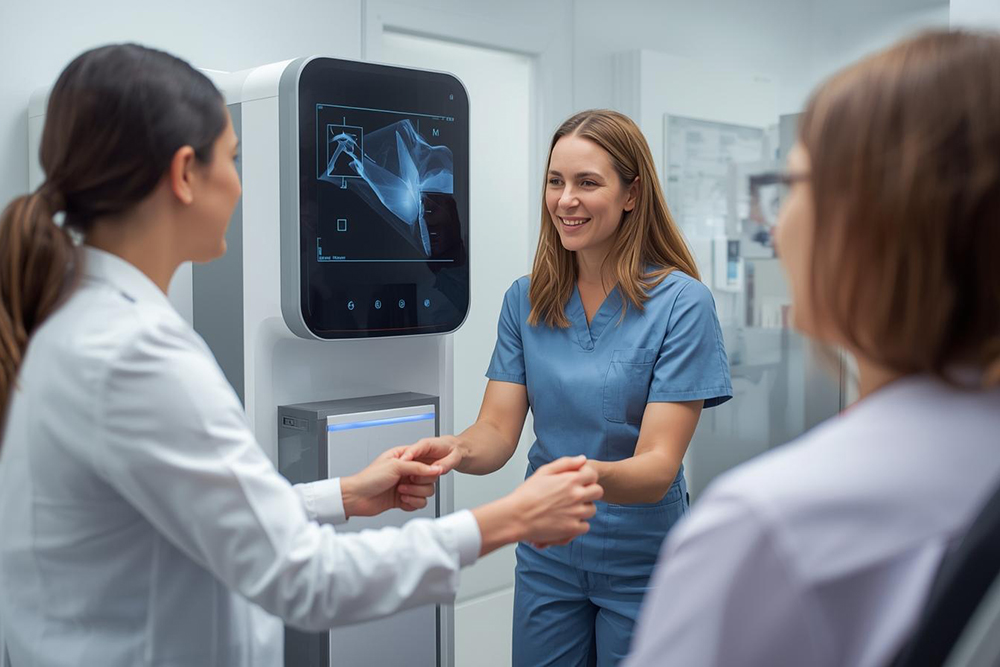
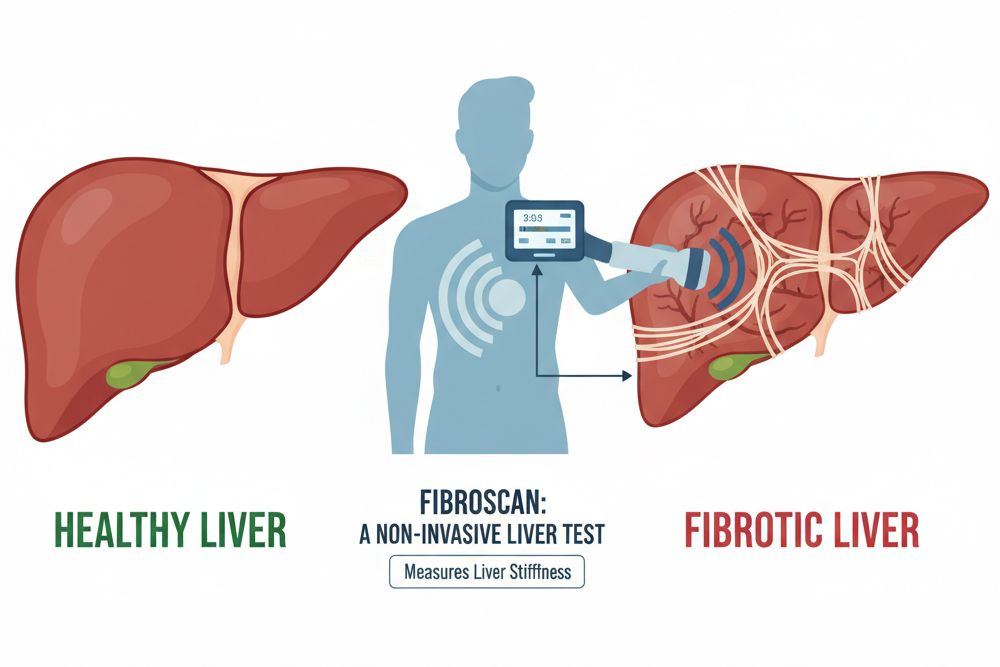
FibroScan is a diagnostic device that measures liver stiffness, which is an essential determinant of fibrosis (scarring) in hepatolith and the general state of the liver. The process is successful because it radiates a painless burst of energy that quantifies the rigidity of liver tissue. The outcomes assist the doctors who regard the stage of the liver fibrosis and the presence or absence of scarring. FibroScan is non-invasive, fast, and can be done with minimum preparation as opposed to the traditional liver biopies, where a needle has to be inserted into the liver.
The outcome of FibroScan test is expressed in kilopascals (kPa) in which higher the value the more extreme is the stiffness of the liver. These scores are diagnostically and monitoringly used in a variety of liver diseases which include:
- Non-Alcoholic Fatty Liver Disease (NAFLD)
- Non-Alcoholic Steatohepatitis (NASH)
- Chronic Hepatitis B & C
- Cirrhosis
- Alcoholic Liver Disease
Evaluating the liver stiffness, FibroScan helps to identify the initial stages of liver disease before the symptoms manifest themselves, and consequently, preventive treatment and management.
What is the importance of Preventive Liver Care in Cypress, TX?
The liver ailments including fatty liver and cirrhosis are increasing in Cypress, TX like most other communities. The foundation claims that about 25 percent of the world population has Non-Alcoholic Fatty Liver Disease (NAFLD), a severe condition that is closely linked to obesity, diabetes, and metabolic syndrome. Liver diseases are important diseases that need to be detected and treated at an earlier stage to avoid further worsening of the conditions to other more serious diseases, like cirrhosis and liver failure.
Key Risk Factors for Liver Disease in Cypress, TX
Several factors contribute to liver disease, including lifestyle, diet, genetics, and underlying health conditions. Some of the most common risk factors in Cypress include:
- Obesity and diabetes: Both conditions are linked to an increased risk of developing NAFLD and NASH.
- Alcohol consumption: Excessive drinking can lead to alcoholic liver disease and cirrhosis.
- Family history: A genetic predisposition can increase the likelihood of liver disease.
- Sedentary lifestyle: Lack of exercise can lead to obesity and contribute to the development of fatty liver disease.
As the prevalence of these risk factors rises in Cypress, TX, the need for preventive liver care becomes even more urgent. FibroScan provides a non-invasive way to screen for liver damage in individuals who may be at risk but are asymptomatic.
The Importance of Early Detection in Preventive Liver Care
Liver diseases often progress silently, with few obvious symptoms in the early stages. Many people in Cypress may not realize that their liver is in distress until it reaches advanced stages, such as cirrhosis or liver failure. This is why early detection is so critical.
FibroScan provides a preventive tool that can identify liver stiffness before the development of significant symptoms. By detecting liver fibrosis early, patients can receive timely treatment, adjust their lifestyle, and reduce the risk of severe liver damage. Early intervention through FibroScan can:
- Identify liver disease in its earliest stages before symptoms like jaundice, fatigue, and abdominal pain occur.
- Monitor existing liver conditions to track progression and tailor treatment plans.
- Reduce the need for invasive procedures like liver biopsies, making liver care more accessible and less stressful for patients.
How FibroScan Works for Preventive Liver Care
The FibroScan procedure uses a technology known as transient elastography, which works by sending a wave through the liver tissue. The speed at which the wave travels helps to determine the stiffness of the tissue. Healthy liver tissue is soft and elastic, while scarred liver tissue is stiffer, allowing the wave to travel faster.
This simple, quick, and non-invasive procedure is performed in a medical office or clinic setting, with no need for anesthesia. The patient lies on their back while a probe is placed on the skin near the liver (usually on the right side of the abdomen). The test takes about 10-15 minutes and provides immediate results, giving doctors the information needed to assess the patient's liver health.
Who Should Consider FibroScan in Cypress, TX?
While anyone can benefit from liver health screening, certain individuals should consider FibroScan if they:
- Have risk factors for liver disease: If you have diabetes, obesity, or a history of alcohol use, you are at an increased risk for liver diseases like NAFLD, NASH, and cirrhosis.
- Have abnormal liver function tests: If blood tests show elevated liver enzymes, it may indicate liver inflammation, and a FibroScan can help determine if there is underlying fibrosis or scarring.
- Are monitoring a known liver condition: If you have been diagnosed with NAFLD, chronic hepatitis, or cirrhosis, FibroScan can track the progression of your disease and help guide treatment.
- Have a family history of liver disease: Those with a family history of liver conditions may be more prone to developing similar issues, making FibroScan a useful preventive tool.
Don't wait for symptoms to appear – schedule your FibroScan today
Expert Insights: How FibroScan Contributes to Long-Term Liver Health
Dr. Bharat Pothuri, a board-certified gastroenterologist at GastroDoxs, emphasizes the role of FibroScan in preventive liver care. He explains, “Preventive liver care is not only about treating liver disease after symptoms appear. Many liver conditions can develop quietly for years, and patients may feel normal even when changes are already happening inside the liver. FibroScan gives us a noninvasive way to measure liver stiffness and fat buildup, which can help identify early signs of liver stress before more serious problems develop."
"For adults in Cypress, TX, especially those with fatty liver risk factors, diabetes, obesity, abnormal liver blood tests, or long-term alcohol use, early evaluation can be an important step. A proper diagnosis helps us understand the stage of liver health and choose the right care plan, whether that includes lifestyle changes, monitoring, further testing, or treatment. My goal is to help patients act early, understand their results clearly, and make informed decisions that support long-term liver health.”
Conclusion: Protect Your Liver Health with FibroScan in Cypress, TX
Preventive liver care is crucial in today’s world, where liver disease is increasingly common but often silent. FibroScan provides an easy, fast, and non-invasive way to assess liver health and detect liver damage before it becomes severe. For residents of Cypress, TX, it’s time to prioritize liver health and take action early.
At GastroDoxs, we specialize in FibroScan testing and liver care. If you’re at risk or want to monitor your liver health, don’t wait for symptoms to appear. Visit us today to schedule a FibroScan and take control of your liver health before it’s too late.